Table of Contents >> Show >> Hide
- What Window Condensation Really Means
- Why Condensation Happens on Windows
- Why You Should Not Ignore It
- How to Stop Condensation on Windows: Practical Fixes That Work
- Lower indoor humidity first
- Use your bathroom and kitchen exhaust fans like you mean it
- Increase airflow around your windows
- Raise the temperature of the glass
- Keep window tracks, sills, and frames dry
- Check for hidden moisture sources
- Be smart with humidifiers
- Replace damaged or failing windows when needed
- Interior vs. Exterior vs. Between-the-Panes Condensation
- Best Habits for Preventing Window Condensation All Winter Long
- Common Mistakes People Make
- When to Call a Professional
- Final Thoughts
- Homeowner Experiences: What People Learn After Dealing With Window Condensation
Windows are wonderful until they start acting like they just finished a spin class. One cold morning you walk into the kitchen, glance over at the glass, and there it is: a layer of moisture, a foggy view, and maybe a little puddle collecting on the sill like your house is quietly auditioning for the role of “indoor swamp.”
If you are trying to figure out how to stop condensation on windows, the good news is that the problem is usually manageable. The better news is that your windows are not necessarily broken just because they look sweaty. In many homes, window condensation is caused by a simple mix of indoor humidity, cold glass, weak airflow, and everyday moisture from cooking, showering, laundry, plants, and even breathing. Yes, your windows are reacting to you being alive. Rude, but fixable.
This guide breaks down what causes window condensation, how to stop it, when to worry, and what changes actually make a difference. We will cover quick fixes, long-term solutions, and the difference between normal condensation and the kind that means your window may be begging for retirement.
What Window Condensation Really Means
Condensation forms when warm, moist air touches a surface that is cold enough to drop that moisture out of the air. That surface is often your window glass, especially in winter. Think of it like a glass of iced tea on a hot day. The water on the outside of the glass did not leak from inside the cup. It appeared because humid air met a cold surface and turned into liquid.
In a house, that same thing happens when indoor air carries more moisture than the glass can handle. The colder the window surface, the more likely it is to collect water. Single-pane windows are especially prone to this. Older double-pane windows can also struggle, especially if seals, frames, or insulation are not doing their jobs very well.
Why Condensation Happens on Windows
1. Your indoor humidity is too high
The biggest culprit is excess indoor moisture. Cooking pasta, running hot showers, drying clothes indoors, using a humidifier, and even a house packed with people and pets can all raise humidity. If the moisture level indoors climbs too high, your windows become the first cold surface to complain.
2. Your windows are colder than your room air
Cold outdoor temperatures chill the glass. If the inside surface gets cold enough, the moisture in the room condenses on it. This is why the problem often gets worse overnight and early in the morning, especially in winter.
3. Air is not moving around the glass
Heavy curtains, tightly closed blinds, furniture shoved against windows, and poor ventilation all reduce airflow. That lets cool air linger around the glass, which makes condensation easier to form. Your window may not need a pep talk. It may just need some breathing room.
4. Your window is less efficient than the rest of your house
Improved insulation, air sealing, and efficient heating systems make homes better at holding heat, but they also trap more indoor moisture. If your home is tight and your windows are older or draftier, the glass often becomes the weak spot where moisture shows up first.
5. The condensation is between the panes
This is a different story. Moisture or fog trapped between panes of double- or triple-pane glass usually points to a failed seal. In that case, reducing indoor humidity may help your comfort overall, but it will not solve the problem inside the insulated glass unit.
Why You Should Not Ignore It
A little moisture now and then is not a crisis. Repeated condensation, though, can turn into an expensive houseguest. Water can damage painted trim, stain wood sills, soften drywall, and encourage mold or mildew. If the problem keeps happening and you are wiping puddles every morning, that is your home politely suggesting a course correction.
Condensation can also signal that your indoor humidity is higher than it should be. That does not just affect windows. It can contribute to musty smells, damp spots, and poor comfort throughout the house. In short, your windows are often the messenger. Do not shoot the messenger, but do listen to it.
How to Stop Condensation on Windows: Practical Fixes That Work
Lower indoor humidity first
If you do one thing, do this. In many homes, the sweet spot is keeping indoor relative humidity around 30% to 50%, with lower settings often needed in colder weather. Use a hygrometer so you are not just guessing based on vibes and forehead moisture.
If your humidity is high, try these steps:
- Run a dehumidifier in problem rooms or damp areas.
- Turn down or pause whole-house humidifiers when the weather turns very cold.
- Avoid overwatering houseplants near windows.
- Do not air-dry loads of laundry indoors unless you have strong ventilation.
- Cover pots while cooking and use kitchen exhaust fans.
Use your bathroom and kitchen exhaust fans like you mean it
Bathrooms and kitchens create huge bursts of moisture. Run the fan during showers and for a while afterward. Use the range hood when cooking, especially when boiling water or simmering food for long stretches. A fan that exists only as décor is not helping anyone.
Increase airflow around your windows
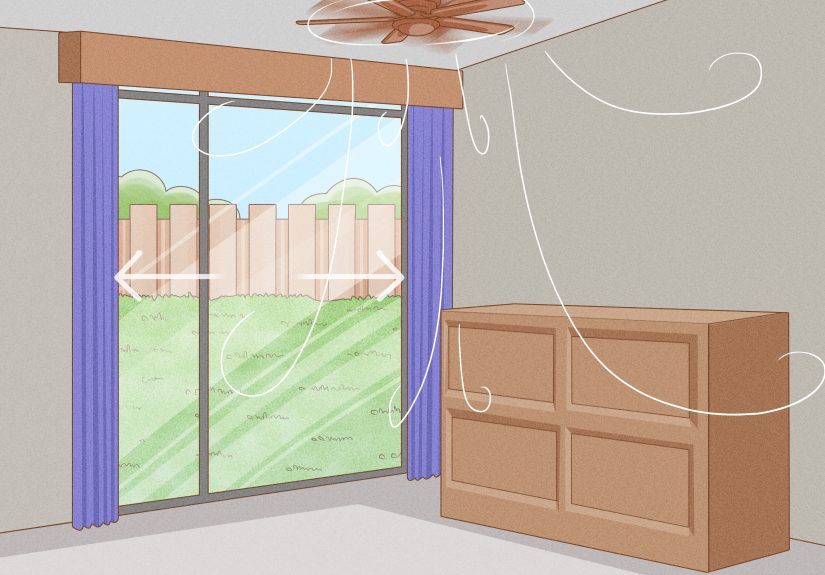
Open blinds and curtains during the day. Move furniture slightly away from problem windows. If you have a room that always gets foggy glass, a ceiling fan on low or a small circulating fan can help keep warm air moving across the surface.
This simple change often makes a bigger difference than people expect. Condensation loves stale, cool pockets of air. Break that pattern and the glass often clears up faster.
Raise the temperature of the glass
Warmer interior glass means less condensation. You can help by improving the window’s insulating ability. Options include:
- Adding or repairing weatherstripping
- Caulking gaps around frames
- Installing storm windows
- Using seasonal window insulation film
- Upgrading to double- or triple-pane windows with low-E glass
If you are renting or want a lower-cost seasonal fix, window insulation film can be a practical temporary step. It is not glamorous, but neither is wiping your windows every sunrise.
Keep window tracks, sills, and frames dry
Even after you reduce the source of the problem, dry any existing moisture quickly. Wipe the glass, sill, and frame with a dry cloth. If you spot mildew, clean it appropriately and correct the moisture problem so it does not come back for a sequel.
Check for hidden moisture sources
Sometimes the issue is not just daily living. A damp basement, crawl space moisture, minor plumbing leak, unvented dryer, or poorly vented attic can add a surprising amount of humidity to your home. If the whole house feels clammy, the windows may be telling you a larger moisture-control story.
Be smart with humidifiers
Humidifiers can make a home feel more comfortable in winter, but too much added moisture quickly becomes a window problem. If you use one, clean it regularly and do not keep cranking the setting upward because your skin feels dry. Comfort matters, but turning your bedroom into a botanical conservatory is usually not the answer.
Replace damaged or failing windows when needed
If condensation is forming between panes, if frames are deteriorating, or if the glass feels icy no matter what you do, replacement may be the right move. Modern energy-efficient windows with better insulating glass, warm-edge spacers, and tighter seals can reduce condensation risk substantially. They are not magic, but they can make the problem much less likely.
Interior vs. Exterior vs. Between-the-Panes Condensation
Interior condensation
This is the most common type and the one homeowners usually mean when they ask how to stop condensation on windows. It happens on the room side of the glass and usually points to indoor humidity, cold glass, or weak airflow.
Exterior condensation
This shows up on the outside of the window and is often normal, especially on efficient windows. In a funny twist, outside condensation can be a sign that the window is doing a good job insulating. The outer pane stays cool, humid outdoor air hits it, and moisture forms on the exterior. Annoying for the view, but generally not alarming.
Condensation between panes
This is the one you should treat differently. If fog or moisture is trapped between panes, the insulated glass seal has likely failed. At that point, cleaning the inside surface, lowering indoor humidity, or opening the blinds will not fix it. You are typically looking at glass replacement, sash replacement, or a new window, depending on the design and age.
Best Habits for Preventing Window Condensation All Winter Long
- Check indoor humidity regularly instead of guessing.
- Use exhaust fans during and after showers and cooking.
- Keep blinds and curtains open for part of the day.
- Wipe moisture off the glass before it sits for hours.
- Seal air leaks around windows and doors.
- Use a dehumidifier in damp rooms, especially bedrooms, basements, and laundry areas.
- Reduce indoor moisture sources when outdoor temperatures plunge.
The key is consistency. One heroic hour with a towel and a can-do attitude will not outperform everyday moisture control.
Common Mistakes People Make
Blaming the window immediately
Sometimes the window is the issue, but often it is simply the most obvious cold surface in the room. Replacing a decent window without fixing humidity habits can leave you with a lighter wallet and the same foggy view.
Ignoring the role of curtains and blinds
Beautiful window treatments can trap cool air against the glass. That is great for drama, less great for moisture control. Open them when possible, especially in the morning.
Running a humidifier nonstop in cold weather
Many people add moisture for comfort and then wonder why the windows start crying. Humidity needs to be adjusted based on temperature and conditions, not set once and forgotten forever.
Assuming every bit of condensation means something is broken
A little moisture on very cold mornings can be normal, especially in older homes. The real red flags are frequent heavy buildup, water pooling on the sill, mold growth, or moisture trapped between panes.
When to Call a Professional
Call a window professional, HVAC contractor, or building expert if you notice any of the following:
- Condensation between panes
- Persistent water damage on trim or walls
- Mold or mildew that keeps returning
- Drafts, rotted frames, or visible seal failure
- Humidity problems throughout the house despite your efforts
A professional can help determine whether the issue is window performance, ventilation, insulation, HVAC sizing, or a hidden moisture source somewhere else in the house.
Final Thoughts
If you want to stop condensation on windows, think in terms of moisture control, airflow, and glass temperature. Reduce indoor humidity, vent moisture at the source, keep air moving around the windows, and improve the insulating performance of the glass or frame when needed. That is the basic formula.
The good news is that most cases of interior window condensation are manageable with practical changes. The less-good news is that your windows may continue to tattletale every time your home gets too humid. But at least now you know how to answer back with a hygrometer, an exhaust fan, and a plan.
Homeowner Experiences: What People Learn After Dealing With Window Condensation
One of the most common experiences homeowners describe is how sneaky window condensation can be at first. It usually starts small: a little fog in the bedroom, a few droplets near the bottom of the kitchen window, maybe a damp corner on the sill after a cold night. Most people shrug it off because it does not look dramatic. Then a few weeks later they notice peeling paint, a faint mildew smell, or curtains that feel slightly damp in the morning. The lesson many learn is simple: window condensation is easy to dismiss when it is new, but much harder to ignore when it becomes a routine.
People in older homes often say the biggest surprise is how much a few tiny behavior changes can help. Opening blinds each morning, running the bath fan longer, and reducing humidifier settings often clear up more condensation than expected. One homeowner may assume they need all-new windows, only to discover that the biggest problem was a powerful humidifier running nonstop through every cold snap. Another may blame the weather when the real issue is drying laundry indoors without enough ventilation. In other words, the experience teaches people that windows do not create moisture; they reveal what is already happening inside the house.
Families also notice that certain rooms become repeat offenders. Bedrooms are a classic example because people sleep with doors closed, blinds shut, and several humans exhaling moisture all night long. Bathrooms with weak fans are another major culprit. Kitchens can be just as bad, especially in homes where a range hood either vents poorly or simply recirculates air instead of sending moisture outside. After a season or two of trial and error, many homeowners become very good detectives. They stop asking, “Why are all my windows foggy?” and start asking, “What is this room doing to the air?” That change in mindset is often what leads to real results.
Another common experience is realizing that not all condensation means the same thing. People often panic when they see moisture on the outside of a window, assuming the glass has failed. Then they learn that exterior condensation can be perfectly normal on high-performing windows, especially on cool mornings. On the flip side, some homeowners spend months wiping what they think is ordinary fog, only to realize the moisture is actually trapped between panes and cannot be cleaned away. That moment is frustrating, but it is also clarifying. Once people understand where the condensation is located, they make better decisions and waste less time on the wrong fix.
Perhaps the most useful long-term lesson is that moisture control is a whole-house habit, not a one-time trick. Homeowners who get the best results usually combine several improvements: better fan use, humidity monitoring, minor air sealing, more airflow around glass, and realistic expectations during extreme weather. They also learn that comfort and moisture balance go together. A house that feels healthier, fresher, and less clammy usually has fewer window problems too. In the end, the experience of dealing with condensation often makes people more attentive homeowners overall. It is an annoying lesson, sure, but one that pays off in better comfort, cleaner air, and windows that finally stop impersonating a cold glass of lemonade.