Table of Contents >> Show >> Hide
- Can You Transfer Money From a Wisely Card to a Bank Account?
- What You Need Before You Start
- How to Transfer Funds From a Wisely Card to a Bank Account
- Bank Transfer vs. External Debit Card Transfer
- Are There Fees?
- Are There Limits?
- Common Reasons a Wisely-to-Bank Transfer Gets Delayed
- What to Do If the Transfer Fails
- Security Tips Before Moving Money
- A Smart Alternative for the Future
- Conclusion
- Experiences Related to Transferring Funds From a Wisely Card to a Bank Account
- SEO Tags
If your paycheck lands on a Wisely card and you’d rather park that money in your regular bank account, you’re not stuck performing financial gymnastics in the dark. The good news is that transferring funds from a Wisely card to a bank account is absolutely possible, and the process is fairly simple once you know where to tap, what numbers to enter, and how long to wait before refreshing your bank app like it owes you rent money.
This guide walks through exactly how to transfer funds from a Wisely card to a bank account, what to expect with timing, which fees may show up, and what mistakes can slow the whole thing down. We’ll also cover when a standard bank transfer makes sense, when an external debit card transfer may be faster, and what real-life experiences around the process usually look like.
In other words, this is the practical version. Less corporate brochure, more “here’s how to actually get your money where you want it.”
Can You Transfer Money From a Wisely Card to a Bank Account?
Yes. Wisely allows cardholders to move money from a Wisely card to a personal bank account through the myWisely app or the website. In some cases, Wisely also allows transfers to an external debit card, which can be faster than a standard bank transfer. That said, the standard bank-account method is usually the better option when you want to move money for bills, savings, rent, or everyday banking without racing the clock.
One important detail: the exact fees, terms, and limits can vary by card type and cardholder agreement. So while the overall process is the same, your version of the card may not behave exactly like your cousin’s, your coworker’s, or that one guy in a Reddit thread who types in all caps.
What You Need Before You Start
Before you transfer funds from a Wisely card to a bank account, gather a few basics:
- Your myWisely login information
- The receiving bank’s routing number
- The receiving bank account number
- A few business days of patience for first-time setup and transfer completion
If this is your first time linking a bank account, do not be surprised if the setup takes longer than the transfer itself. Wisely says it may take up to three business days to enroll and validate another financial account before you can fully use it for transfers. That’s not drama. That’s financial systems doing their best impression of a cautious DMV.
Also, double-check that you are entering a bank account number, not a debit card number. Those numbers may look equally intimidating, but they are not interchangeable. One sends your money where it needs to go. The other sends you into troubleshooting mode.
How to Transfer Funds From a Wisely Card to a Bank Account
Here is the basic step-by-step process:
- Log into the myWisely app or your account at mywisely.com.
- Select Move Money.
- Choose Transfer Money.
- Enter the routing number and account number for the receiving bank account.
- Enter the amount you want to transfer.
- Review the details carefully.
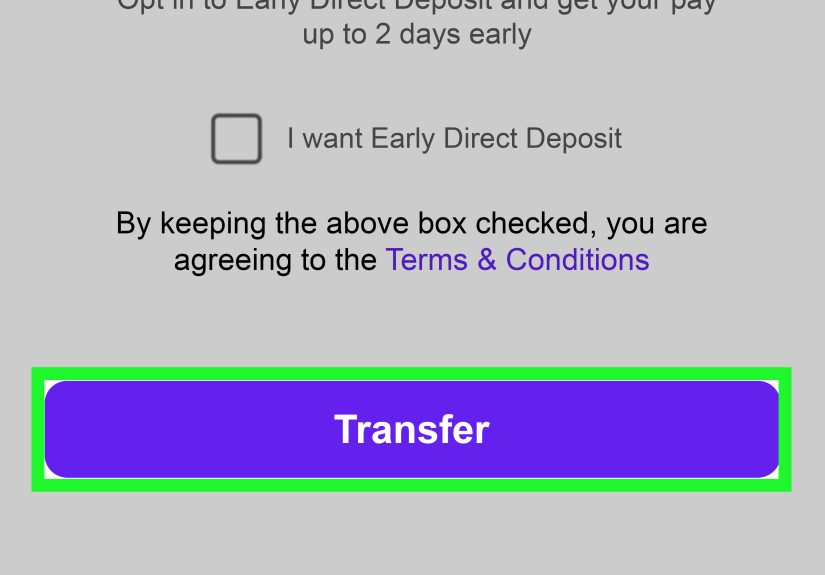
- Submit the transfer.
That’s the clean version. In real life, the most important part is the review screen. Look at the account details one more time before hitting confirm. A transfer with incorrect bank details can be delayed, rejected, or sent into the kind of administrative limbo that makes people suddenly believe in deep breathing exercises.
How Long Does the Transfer Take?
For a standard transfer from a Wisely card to a bank account, Wisely says transfers are generally processed within one to three days. For first-time setup, it may also take up to three business days to enroll and validate the receiving bank account.
That means your first transfer can take longer than later ones. A smart move is to avoid initiating a transfer on the exact day your rent, loan payment, or streaming subscriptions descend like hungry raccoons.
If speed matters, plan ahead. ACH transfers are electronic, but they are not instant by default. Processing windows, fraud controls, weekends, and bank holidays can all affect when the money actually appears in the receiving account.
Bank Transfer vs. External Debit Card Transfer
Wisely gives some eligible users a second option: transferring money to an external debit card. This is not the same as a bank-account transfer, but it matters because many people searching how to transfer funds from a Wisely card to a bank account are really searching for the fastest way to move money off the card.
Standard Bank Transfer
- Best for sending money to checking or savings accounts
- Usually processed within one to three days
- May take extra time for first-time validation
- Better for planned transfers like bills, savings, or rent
External Debit Card Transfer
- Available only if your card agreement includes that feature
- Typically processed within about 30 minutes, though delays can happen
- Only one external debit card can be linked
- Transfers are final and not reversible
- Fees may apply
If you are moving money to your own bank and you care more about accuracy than speed, the bank-account route is usually the safer, calmer option. If you need money quickly and your Wisely account offers the external debit feature, that may be worth considering. Just remember: faster often means less room for do-overs.
Are There Fees?
Possibly. Wisely states that fees, terms, and limits apply, and it directs users to the cardholder agreement and list of fees inside the app or website. In plain English, that means there is no universal “everyone pays exactly this” answer.
Here’s the practical rule: check your agreement before transferring. That is especially important if you are considering an instant or debit-card-based transfer. Standard bank transfers may also have conditions tied to your specific card setup.
If you use a payroll card regularly, reading the fee disclosures is not optional homework. It is how you avoid getting nickeled, dimed, and emotionally taxed by preventable charges.
Are There Limits?
Yes, but the exact limits vary by account and are listed in your Wisely limits table. Wisely also notes that you can transfer from your Wisely card to up to three different bank accounts. That gives you some flexibility if you want to split money between a primary checking account, a joint household account, or a savings account.
If you are moving a larger amount, do not assume the full balance can always be transferred in one shot. Check the limits first. Many money headaches begin with the sentence, “I thought it would just go through.”
Common Reasons a Wisely-to-Bank Transfer Gets Delayed
If your transfer is taking longer than expected, one of these usual suspects may be responsible:
1. The bank account is new
First-time enrollment and validation can take up to three business days. If you just linked the account, that delay may be normal.
2. You entered the wrong information
A mistyped routing number or account number can delay or derail the transfer. Review every digit before submitting.
3. It is a weekend or bank holiday
ACH processing happens on business days. Friday night optimism does not count as a business day.
4. Your transfer hit a limit
Per-transfer or daily limits may apply. If the amount is too large, the transfer may fail or require you to split it up.
5. Your available balance is lower than you think
Pending transactions, holds, or recent purchases can affect what is actually available to move.
6. A fraud or security review is in play
Financial institutions often pause or review transfers to help prevent fraud. Annoying? Yes. Also better than watching your money vanish into scam-land.
What to Do If the Transfer Fails
If your transfer from a Wisely card to a bank account does not go through, try this checklist:
- Verify the receiving bank information again
- Check your available balance, not just your total balance
- Review your fees and limits in the cardholder agreement
- Wait through the stated processing window if the transfer is still pending
- Contact Wisely customer support if the transfer is rejected, missing, or unusually delayed
It also helps to keep screenshots or confirmation numbers whenever possible. When something goes sideways, having the transfer details handy turns a support call from chaos into a useful conversation.
Security Tips Before Moving Money
Money transfers are convenient. They are also one of the favorite playgrounds of scammers. So before you move funds off your Wisely card, keep these habits in mind:
- Never transfer money because someone told you to “protect” your funds
- Do not share one-time passcodes or verification codes
- Use only the official myWisely app or website you know is real
- Do not click transfer links from suspicious texts or emails
- If something feels rushed, weird, or overly dramatic, stop and verify independently
A real financial institution wants security. A scammer wants speed, secrecy, and panic. If someone is pushing all three, that is not customer service. That is a red flag in a trench coat.
A Smart Alternative for the Future
If you find yourself transferring money from a Wisely card to a bank account every single payday, there may be an easier long-term fix: update how you receive your pay. Depending on your employer and state rules, you may have alternatives such as direct deposit to your own bank account instead of using a payroll card for ongoing wages.
That will not help with today’s transfer, but it can save time later. The best recurring transfer is often the one you never have to make in the first place.
Conclusion
Learning how to transfer funds from a Wisely card to a bank account is mostly about understanding the rhythm of the system. Log in, head to Move Money, enter the receiving bank details, confirm the amount, and allow time for validation and ACH processing. For routine transfers, the bank-account method is the dependable workhorse. For faster access, an external debit-card transfer may be available, but it can come with fees and fewer second chances.
The biggest mistakes are also the most avoidable: entering the wrong account number, assuming the card number is the same as a bank account number, overlooking limits, or waiting until the last possible second. Handle those well, and the process is pretty manageable. Not glamorous, sure. But neither is paying rent, and somehow we all still do it.
Experiences Related to Transferring Funds From a Wisely Card to a Bank Account
For many people, the first transfer feels more stressful than complicated. It is not that the steps are hard. It is that moving money always feels serious, especially when the money on the card is your paycheck, your grocery budget, or the amount standing between you and an awkward conversation with your landlord. The first experience is usually a mix of relief and suspicion: relief that the feature exists, and suspicion that something this important surely cannot be as simple as tapping “Transfer Money.” Fortunately, it often is.
A common experience is discovering that the first transfer takes longer than expected. Someone logs in, enters the bank information, submits the transfer, and then starts checking the receiving bank account every 11 minutes like a sports fan watching a close game. That is usually when people learn that setup and account validation are real parts of the process. The transfer is not necessarily stuck. It may just be following the normal pace of a system designed to verify account details and reduce fraud before sending your money out into the world.
Another very normal experience is confusion over which numbers belong where. Plenty of users assume the 16-digit number printed on a debit card is the one they need for every kind of money movement. Then they realize a bank transfer usually needs the bank’s routing number and the bank account number instead. That moment tends to arrive with a deep sigh, a forehead wrinkle, and sometimes a muttered sentence that should not be repeated in polite HTML.
People who transfer funds regularly often settle into one of two patterns. The first group treats the Wisely card like a temporary landing pad. Their pay hits the card, and they move a portion to checking for bills and maybe another portion to savings. The second group leaves everyday spending money on the card and only transfers larger amounts when they need to cover rent, utilities, or a payment that must come out of a traditional bank account. Neither approach is wrong. It really depends on how your bills are set up and how much you like keeping your money in separate buckets.
Urgency changes the emotional tone, too. A planned transfer feels calm. An emergency transfer feels like a reality show. If someone needs money quickly for a same-day issue, they may start looking at the external debit-card option instead of the standard bank transfer. But that faster route usually comes with more caution. Users tend to read the screen more carefully, because once a faster transfer is sent, reversing it may not be an option. That makes people much more detail-oriented, which is honestly not the worst personality development arc.
There is also the very relatable experience of learning that business days are not the same thing as real-life days. A transfer initiated late on Friday can feel like it vanished over the weekend, when in reality the banking system is simply moving at banking speed. For anyone new to ACH timing, this can feel personal. It is not personal. It is just finance operating with the urgency of a sleepy tortoise wearing a necktie.
Over time, most people who use the feature regularly get more comfortable. They learn to transfer a day or two early, keep their bank details saved correctly, check fee disclosures before trying a faster method, and avoid moving money in a panic. That is really the best experience of all: not mastering some flashy trick, but turning a mildly intimidating task into a predictable routine.