Table of Contents >> Show >> Hide
- Why One Room Feels Colder Than the Rest
- Quick & Easy Tips to Warm Up a Room Fast
- 1. Let the sun do some of the work
- 2. Stop drafts at the source
- 3. Use thicker curtains or thermal panels
- 4. Add a rug if the floor is cold
- 5. Reverse the ceiling fan
- 6. Move furniture away from heat sources
- 7. Use a space heater the smart way
- 8. Increase humidity a little
- 9. Close the door to the room you want warmer
- 10. Check the heating vent or radiator before blaming the universe
- The Best Fixes If the Room Is Always Cold
- How to Make a Room Feel Warmer Without Cranking the Heat
- Room-by-Room Tips
- Mistakes to Avoid When Warming a Room
- When to Call a Professional
- Final Thoughts
- Real-Life Experiences: What Actually Worked in Cold Rooms
Some rooms feel cold for no good reason. You can have the heat running, socks on, blanket deployed, hot coffee in hand, and still feel like your bedroom is auditioning for the role of “walk-in freezer.” The good news is that a cold room usually has a fixable cause. Warm air may be escaping through drafts, sinking away from chilly windows, or getting trapped near the ceiling while your feet file a formal complaint.
If you want to warm up a room quickly and keep it comfortable without torching your energy bill, the smartest approach is not always “turn the thermostat into a drama queen.” It is a mix of fast comfort tricks, better heat circulation, basic weatherproofing, and a few safety rules that are absolutely not optional. Below, you will find the quickest ways to make a room feel warmer, the upgrades that help for the long haul, and the common mistakes that keep a room cold no matter how loudly you argue with the thermostat.
Why One Room Feels Colder Than the Rest
Before you fix the problem, it helps to know what is causing it. In many homes, one cold room is the result of heat loss, weak airflow, or both. A room can also feel colder when its surfaces are cold. That is why a room with big windows, hardwood floors, and exterior walls may feel chilly even when the air temperature looks “fine” on paper.
Common reasons a room stays cold
- Air leaks around windows, doors, baseboards, or outlets
- Thin or aging insulation in walls, attics, or floors
- Furniture blocking vents, radiators, or baseboard heaters
- Warm air rising and getting stuck near the ceiling
- Old windows that radiate cold into the room
- Very low indoor humidity, which can make the air feel cooler
- An HVAC issue, such as a dirty filter or unbalanced airflow
Translation: your room is probably not cursed. It is just losing heat in at least one boring, fixable way.
Quick & Easy Tips to Warm Up a Room Fast
1. Let the sun do some of the work
During the day, open curtains or blinds on windows that get direct sunlight. South-facing windows are especially helpful in winter. Sunlight provides free heat, and unlike your utility company, it does not send a bill afterward. As soon as the sun goes down, close the curtains to help reduce heat loss through the glass.
2. Stop drafts at the source
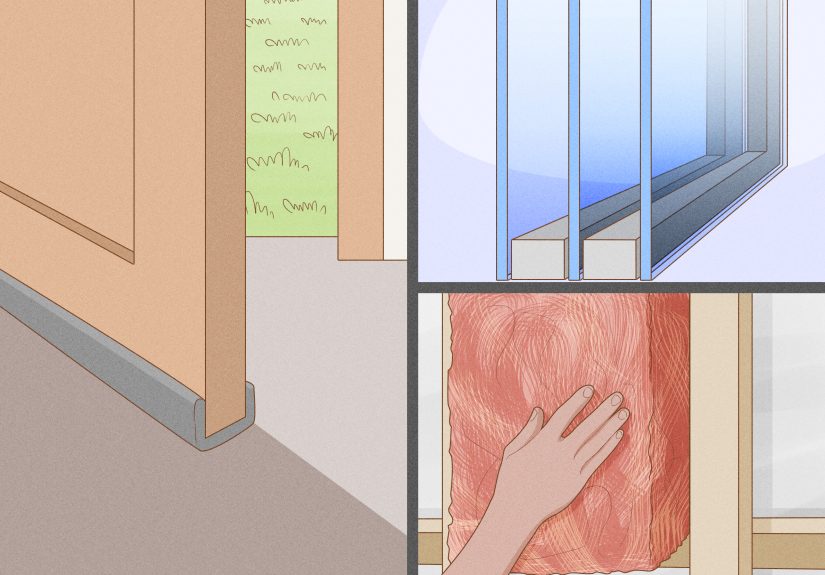
If cold air is sneaking in, your heating system is basically working overtime for a room with commitment issues. Check around windows, doors, outlet plates, attic hatches, and baseboards for drafts. Add weatherstripping where seals are worn, use caulk for narrow gaps, and place a draft stopper at the bottom of a leaky door. Even small leaks can make a room feel dramatically colder.
3. Use thicker curtains or thermal panels
Window coverings do more than block nosy squirrels and your neighbor’s holiday laser lights. Thick curtains, insulated drapes, or thermal panels add another layer between your room and cold glass. They are especially useful in bedrooms, living rooms, and any space with older windows. Keep them open when the sun is warming the room and closed at night for better comfort.
4. Add a rug if the floor is cold
Cold floors make the whole room feel colder. A large area rug, especially with a rug pad underneath, helps reduce that icy underfoot feeling and makes the room instantly cozier. This is especially helpful over hardwood, tile, laminate, or concrete. A room that stops freezing your toes already feels about 47 percent more emotionally supportive.
5. Reverse the ceiling fan
If the room has a ceiling fan, switch it to spin clockwise on a low setting in winter. That gentle rotation helps push warm air down from the ceiling without turning the room into a wind tunnel. This tip is simple, fast, and weirdly satisfying once you realize your fan had a secret winter mode the whole time.
6. Move furniture away from heat sources
A sofa shoved in front of a vent or a bed pressed against a radiator may look nice in a floor-plan app, but it can block warm air from reaching the room. Make sure vents are open and clear. Do the same for radiators and baseboard heaters. Heat cannot circulate well when it is trapped behind furniture like a grounded teenager.
7. Use a space heater the smart way
If you need fast, targeted warmth, a portable space heater can help. Choose a model with tip-over protection and overheat shutoff, place it on a hard, level, nonflammable surface, and keep it at least three feet away from bedding, curtains, furniture, and anything else that can burn. Plug it directly into a wall outlet, not an extension cord. Turn it off when you leave the room or go to sleep. A space heater can be a comfort hero, but only when used like a responsible adult and not like a chaos goblin.
8. Increase humidity a little
Dry winter air can make a room feel cooler than it is. A humidifier can make the space feel more comfortable and reduce that dry-throat, static-shock, sandpaper-skin situation that winter loves so much. Aim for balanced indoor humidity, not tropical-rainforest cosplay. Too much moisture can create other problems, so keep humidity in a healthy range rather than cranking it endlessly.
9. Close the door to the room you want warmer
If you are trying to warm one room, keeping the door closed can help trap heat. This works especially well when you are using a portable heater safely or when the room already gets decent heat but loses it quickly to hallways or open-plan spaces. Just do not start shutting HVAC vents all over the house unless your system is designed for that. Closed doors are a good idea. Random vent experiments usually are not.
10. Check the heating vent or radiator before blaming the universe
Sometimes a room is cold because the vent damper is partly closed, the filter is clogged, or the radiator needs routine attention. Make sure the supply vent is actually open and that warm air is flowing. If you have forced air, replace a dirty HVAC filter on schedule. A clean system moves heat better, and that is a lot easier than composing an angry speech to your thermostat.
The Best Fixes If the Room Is Always Cold
Quick tricks help, but if the room is cold every winter, the permanent fix is usually about reducing heat loss. Think of it this way: you can keep pouring warm air into a room, or you can stop the room from spilling it out like a bucket with holes.
Seal and insulate first
Air sealing is one of the most effective ways to improve comfort. Gaps around windows and doors are the obvious culprits, but hidden leaks in attics, basements, plumbing penetrations, and recessed lighting can also matter. After air sealing, insulation becomes much more effective. If the room is below an attic or over a garage, poor insulation may be a major reason it stays cold.
Upgrade weak windows
If replacing windows is not in the budget, window insulation film, storm windows, or better window treatments can still help a lot. Window film kits are a popular low-cost option for older windows. They reduce drafts and create an added barrier that helps the room hold warmth better.
Insulate the floor or the room below
A room above a crawl space, basement, or garage often feels cold from the ground up. If your floor always feels chilly even with socks on, better insulation below the room may make a noticeable difference. Rugs help with comfort, but insulation is what really changes the game.
Balance your HVAC system
If one room is freezing while another feels like a loaf of bread proving in the oven, your system may need airflow balancing. A professional can check dampers, duct leaks, registers, system sizing, and overall performance. Sometimes the problem is not the room itself. Sometimes your heating system is just playing favorites.
How to Make a Room Feel Warmer Without Cranking the Heat
There is a difference between raising the temperature and improving comfort. You can make a room feel warmer even before the thermostat changes much, especially if you address cold surfaces, drafts, and airflow.
Easy comfort boosters
- Layer bedding, throws, and warm textiles
- Use flannel, fleece, or heavier winter fabrics
- Add upholstered furniture or fabric wall decor to soften the room
- Choose warm lighting for a cozier visual feel
- Keep the room tidy so vents and heaters are unobstructed
Yes, some of these are psychological. But comfort is partly physical and partly perception. A room with warm textures, better airflow, and fewer drafts feels more inviting than a cold, echoey box with beautiful minimalist vibes and the soul of an ice cave.
Room-by-Room Tips
How to warm up a bedroom
Bedrooms often feel colder because people want cooler sleep but not arctic misery. Start with draft control, thermal curtains, and a rug by the bed. Check whether the vent is blocked by a bed frame or dresser. If needed, use a space heater safely for a short time before bedtime, then turn it off before sleep unless the unit is specifically designed, rated, and used exactly as the manufacturer permits.
How to warm up a living room
Living rooms tend to have big windows and more open space, which means more heat loss. Open drapes for sunshine during the day, close them at dusk, and use furniture placement wisely so warm air can circulate. If the ceiling is high, a low-speed fan in winter mode can help a lot.
How to warm up a basement room
Basements and lower-level rooms can feel cold because concrete holds cold and air leaks are common near the rim joist and foundation penetrations. Rugs, sealing leaks, and checking insulation are especially useful here. If the basement is conditioned space, improving wall insulation can make a major difference in comfort.
Mistakes to Avoid When Warming a Room
Do not use the oven or stove to heat the room
This is unsafe and not a shortcut worth taking. Cooking appliances are for food, not for turning your kitchen into a risky science experiment. Use proper heating equipment only.
Do not overload outlets
Portable heaters draw a lot of power. Plug them directly into a wall outlet and avoid power strips or extension cords unless the manufacturer explicitly says otherwise. Heat plus overloaded wiring is the opposite of cozy.
Do not place heaters near fabrics
Blankets, curtains, mattresses, upholstered chairs, and clothing need clearance from heaters. Keep a safe zone around the unit at all times, especially in bedrooms and family rooms where soft materials tend to multiply overnight.
Do not ignore humidity and ventilation
Very dry air feels uncomfortable, but overly humid air can cause condensation and indoor air issues. Aim for balance. A room should feel warm and healthy, not like a foggy greenhouse.
When to Call a Professional
If you have done the easy fixes and the room is still stubbornly cold, it may be time for expert help. Call a professional if you notice little or no airflow from a vent, large temperature differences between rooms, frequent short cycling from the furnace, condensation or frost around windows, or signs of missing insulation, duct leaks, or moisture problems. A home energy assessment can reveal where heat is escaping and which upgrades will make the biggest difference.
Final Thoughts
If you want to warm up a room quickly, start with the simple wins: let sunlight in, seal drafts, close curtains at night, clear vents, reverse the ceiling fan, and add a rug. If you need more immediate comfort, use a space heater safely and strategically. If the room is always cold, focus on air sealing, insulation, and system performance. That is where the long-term comfort lives.
The secret is not just making more heat. It is keeping the heat you already paid for. Once you stop warm air from escaping and help it move where you actually live, the room gets cozier, your energy use gets smarter, and your winter mood improves dramatically. Your toes will notice first. Your heating bill will probably notice second.
Real-Life Experiences: What Actually Worked in Cold Rooms
One of the most common real-world experiences with a cold room is discovering that the “temperature problem” is actually a draft problem. Many people assume their heater is weak, but then they run a hand along the edge of a window or under a door and realize the room has been quietly inviting outdoor air inside all season. A simple door sweep, fresh weatherstripping, or a window film kit often creates the kind of before-and-after difference that feels suspiciously magical for something that costs less than dinner and a streaming subscription.
Another experience people report is how much better a room feels after changing only the textures in it. A bedroom with bare flooring, thin curtains, and lightweight bedding may technically be heated, but it still feels cold because every surface around you says “winter villain.” Add a thick rug, heavier curtains, a flannel duvet cover, and a cozy throw, and the room suddenly feels warmer even before the thermostat changes. This is not imaginary. Comfort is tied to what your body touches and senses, not just the number on the wall.
Ceiling fans are another surprise success story. Plenty of homeowners forget the fan exists in winter, assuming it is only useful during hot weather. Then they reverse the fan direction, set it to low, and discover the room feels more even within a short time. The ceiling stops hoarding all the warm air like a tiny heat dragon, and the occupied part of the room becomes much more comfortable.
People who use space heaters responsibly often say the biggest mistake they made at first was using them too casually. Once they switched to a model with automatic shutoff features, kept the heater on a hard surface, gave it proper clearance, and used it only for targeted comfort, the heater became much more useful and much less stressful. In other words, it stopped being “that slightly scary winter appliance” and started being a practical way to warm a home office, reading corner, or chilly bedroom before getting ready in the morning.
There are also long-term experiences that teach a bigger lesson. Homeowners who finally seal attic leaks or add insulation often describe the result in the same way: the house feels calmer. That is a surprisingly accurate word. Rooms hold temperature longer. Floors feel less icy. The furnace runs less frantically. The whole house starts to feel less like it is fighting the weather and more like it is peacefully ignoring it. And that, honestly, is the dream.