Table of Contents >> Show >> Hide
- Why Perennial Hibiscus Needs Winter Prep
- How to Winterize a Perennial Hibiscus in 15 Steps
- Step 1: Make sure it is actually a perennial hibiscus
- Step 2: Let the plant respond naturally to frost
- Step 3: Keep the soil lightly moist during a dry fall
- Step 4: Remove any diseased, mushy, or obviously damaged growth
- Step 5: Clean up debris around the crown
- Step 6: Decide whether you will prune in fall or spring
- Step 7: If pruning in fall, cut stems back to about 4 to 6 inches
- Step 8: Mark the spot before winter hides everything
- Step 9: Top-dress with compost around the root zone
- Step 10: Mulch after the soil cools
- Step 11: Keep mulch away from the stem base
- Step 12: Fix drainage problems before winter sets in
- Step 13: Give extra protection to first-year plants and colder-zone gardens
- Step 14: Protect container-grown perennial hibiscus differently
- Step 15: Be patient in spring and do not dig it up too early
- Common Winterizing Mistakes to Avoid
- What Gardeners Commonly Experience When Winterizing Perennial Hibiscus
- Conclusion
Perennial hibiscus is the drama queen of the summer garden, but in the best possible way. It shows up late, grows fast, and throws out giant, tropical-looking blooms that make nearby flowers look like they forgot to read the assignment. Then fall arrives, the foliage gets zapped by frost, and many gardeners make the same panicked assumption: “Well, that was fun while it lasted.” Not so fast.
If you are growing a perennial hibiscus, also called hardy hibiscus or rose mallow, the plant is supposed to die back in winter. That is part of the show. The trick is knowing how to help the crown and roots ride out cold weather so the plant comes roaring back next spring. Winterizing a perennial hibiscus is not complicated, but it does reward a little timing, a little restraint, and just enough mulch to be helpful instead of smothering.
Below, you will find a practical, step-by-step guide to perennial hibiscus winter care, plus common mistakes to avoid and real-world experiences that explain why these plants confuse so many gardeners the first time around.
Why Perennial Hibiscus Needs Winter Prep
Perennial hibiscus is not the same as tropical hibiscus. That distinction matters. Hardy types are bred or selected to survive cold winters and return from the roots. Tropical hibiscus, on the other hand, does not handle freezing weather well and is usually grown as a patio or houseplant in cooler regions. So before you winterize anything, make sure you are working with the right hibiscus.
Once you confirm you have a hardy perennial hibiscus, winter prep becomes fairly simple. Your goal is not to keep the top growth alive. Your goal is to protect the crown, preserve the roots, prevent winter rot, and help the plant avoid waking up too early during temperature swings. Think of it as tucking the plant in for a very long nap, not trying to keep it entertained through January.
How to Winterize a Perennial Hibiscus in 15 Steps
Step 1: Make sure it is actually a perennial hibiscus
Start with plant ID. Hardy hibiscus usually has large dinner-plate flowers in shades of white, pink, red, or burgundy, and it dies back to the ground in cold weather. If your plant has glossy leaves and flashy tropical colors like orange, peach, or bright yellow, it may be tropical hibiscus instead. Winter care for tropical types is very different, so this first step saves a lot of heartbreak and a few dramatic speeches in the garden.
Step 2: Let the plant respond naturally to frost
Do not rush out with pruners the minute nights get chilly. Perennial hibiscus needs time to slow down and enter dormancy. A hard frost or a series of cold nights will usually blacken or brown the foliage and stems. That is your signal that the growing season is over. Letting the plant fully go dormant before major cleanup helps you avoid cutting it back too early.
Step 3: Keep the soil lightly moist during a dry fall
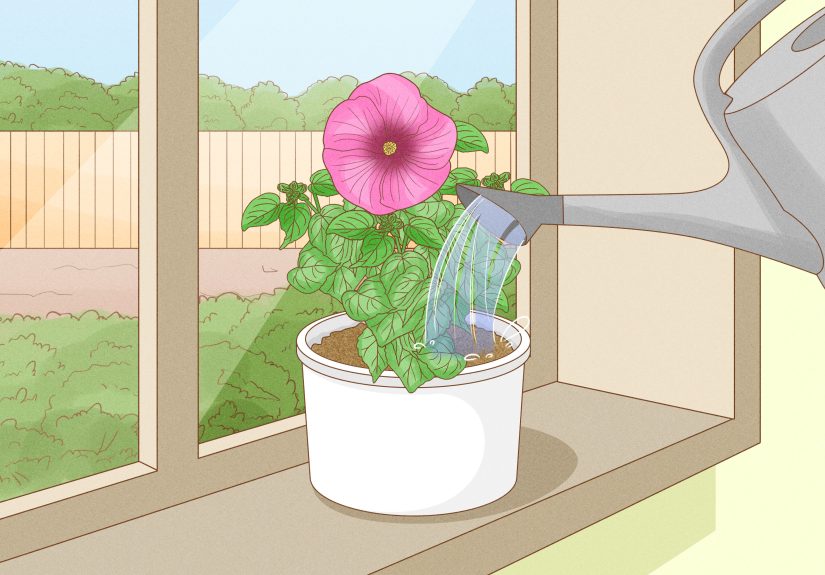
Hardy hibiscus likes consistent moisture during the growing season, and it does not suddenly become a cactus in autumn. If fall is dry, give the plant occasional deep watering before the ground freezes. You are not trying to create soggy conditions, but you do want the roots to head into winter with some stored moisture. Dry roots plus freezing weather is not exactly a luxury spa treatment.
Step 4: Remove any diseased, mushy, or obviously damaged growth
If parts of the plant are diseased, insect-riddled, or soft and collapsing, trim those away first. This is basic sanitation and helps keep the planting area cleaner over winter. Healthy browned stems can stay in place until you decide on your main pruning time, but anything clearly rotting or gross should go. Winter is not the season to let plant mess become a science experiment.
Step 5: Clean up debris around the crown
Rake away fallen leaves, spent blooms, and soggy mulch clumps from the immediate base of the plant. A cleaner root zone improves air flow and reduces the chance of pests, rot, or fungal problems hanging around over winter. Leave the garden cozy, yes. Leave it swampy and chaotic, no.
Step 6: Decide whether you will prune in fall or spring
This is the part that confuses many gardeners because both approaches can work. Some experienced growers cut perennial hibiscus back after a hard frost in fall. Others prefer to wait until early spring, once the plant is fully dormant and before new growth starts. The best choice often depends on your climate, your garden style, and how likely you are to forget where the plant is buried. If you live in a colder area or worry about crown damage, leaving a few inches of stem over winter can be a smart compromise.
Step 7: If pruning in fall, cut stems back to about 4 to 6 inches
When the stems are fully brown and lifeless, cut them down to a short stub instead of shaving them flat to the soil line. Leaving several inches helps mark the plant’s location and offers a little protection around the crown. Use clean pruners or loppers, especially on thick woody stems. The goal is a tidy haircut, not a hacking scene from a low-budget horror movie.
Step 8: Mark the spot before winter hides everything
Perennial hibiscus is famously late to emerge in spring. Really late. So late that gardeners regularly assume it died and replace it with something else, only to watch it pop up later like it has a personal vendetta. Mark the location with a plant tag, stake, or decorative marker before snow, mulch, or spring cleanup makes the crown hard to find.
Step 9: Top-dress with compost around the root zone
Once the top growth is done for the season, add a light ring of compost around the plant, keeping it away from direct contact with the crown. This improves soil structure and supports the moisture-retentive, organic-rich conditions perennial hibiscus likes. It is not a heavy feeding session. Think of it more as setting the table for next spring.
Step 10: Mulch after the soil cools
Apply a winter mulch after the ground has cooled down, not during a random warm spell in early fall. Shredded leaves, bark, pine straw, or another loose organic mulch works well. The purpose is to moderate temperature swings, protect the crown, and help conserve moisture. In colder zones, this step is especially helpful for young plants and recent transplants.
Step 11: Keep mulch away from the stem base
This is the difference between helpful mulch and a tiny disaster pile. Do not press mulch directly against the crown or leftover stem stubs. Leave a small gap so moisture does not sit right at the base, which can encourage rot, insects, or fungal issues. A mulch donut is good. A mulch volcano is not.
Step 12: Fix drainage problems before winter sets in
Perennial hibiscus tolerates moist soil very well, but winter wet combined with poor drainage can be a bigger problem than cold alone. If water tends to puddle where the plant sits, improve drainage with compost, adjust the grade, or make a note to relocate the plant in spring. Cold roots can survive. Cold roots marinating in wet muck are less thrilled about the arrangement.
Step 13: Give extra protection to first-year plants and colder-zone gardens
Established plants are tougher than they look, but first-year perennial hibiscus deserves a little extra care. Add a slightly thicker mulch layer if the plant was installed late in the season or if you garden in the colder end of its hardiness range. The same goes for exposed, windy sites where winter conditions are harsher. Mature plants often bounce back just fine, but young ones appreciate a more padded jacket.
Step 14: Protect container-grown perennial hibiscus differently
If your hardy hibiscus is growing in a container, remember that roots in pots are more exposed to freezing than roots in the ground. Move the container to a sheltered location, cluster it with other pots, or insulate the container sides if you expect repeated deep freezes. You do not need to turn it into a living room houseplant, but you also should not leave it isolated in an icy wind tunnel and hope for the best.
Step 15: Be patient in spring and do not dig it up too early
This final step is the big one. Perennial hibiscus emerges much later than many other perennials, often when the rest of the garden is already acting smug. If you do not see shoots right away, wait. Then wait some more. As long as the crown was protected and the roots stayed healthy, the plant may simply be on its own leisurely schedule. Marked stems help, patience helps more, and digging around “just to check” helps absolutely no one.
Common Winterizing Mistakes to Avoid
Mistake 1: Treating it like tropical hibiscus
Hardy hibiscus is supposed to die back. That is normal. If you panic and assume the plant is dead the minute frost hits, you may end up overcorrecting or replacing a perfectly healthy perennial.
Mistake 2: Cutting it flush to the soil too early
Leaving a short stub is often wiser than cutting everything flat. It protects the crown a bit, helps you remember where the plant is, and reduces the chance of accidental spring excavation.
Mistake 3: Smothering the crown with mulch
More mulch is not always better. A breathable layer over the root zone is useful. A wet mound pressed against the crown is an engraved invitation to rot.
Mistake 4: Letting the bed stay waterlogged all winter
Moisture is great during active growth, but drainage still matters. Winter wet can be more dangerous than winter cold if the root zone never gets a chance to breathe.
Mistake 5: Declaring it dead in April
Perennial hibiscus is one of the last perennials to wake up. If you are the impatient type, this plant will test your character and your self-control every single spring.
What Gardeners Commonly Experience When Winterizing Perennial Hibiscus
One of the most common experiences gardeners describe with perennial hibiscus is the emotional roller coaster of the first year. In summer, the plant looks like a tropical superstar. The blooms are huge, the foliage is bold, and the entire garden suddenly feels a little more glamorous. Then the first frost arrives, and the plant collapses so dramatically that it looks like it has received terrible news. New growers often assume they killed it. In reality, the plant is doing exactly what a hardy hibiscus is supposed to do.
Another very common experience is over-helping. People see the stems turn brown and rush to cut everything down to the ground, pile mulch over the crown like a comforter in a blizzard, and water every time the weather app looks slightly unfriendly. The result is often too much fussing instead of smart protection. Perennial hibiscus usually does best when the gardener steps in with a few targeted actions, then backs away and lets dormancy happen.
Many gardeners also notice that location changes everything. A plant growing in rich soil near a warm foundation may come through winter with almost no drama. The same variety in an exposed bed with heavy clay and freeze-thaw swings may need better mulching and more careful drainage. This is why two gardeners can give slightly different winter advice and both still be right. Their plants are dealing with different winters, different soils, and different levels of gardener anxiety.
There is also the unforgettable spring experience. Few garden moments are as humbling as staring at a bare patch where your perennial hibiscus lived last year and deciding it is gone forever. Around that time, many gardeners begin bargaining with the universe. They promise to be more patient next year. They apologize to the plant. They wonder if it secretly hates them. Then, just when they are about to replace it with something else, fresh shoots appear. The hibiscus has returned, completely unbothered by your lack of faith.
Gardeners in colder regions often report that mulch makes the biggest difference for newly planted hibiscus. Not because mulch performs magic, but because it smooths out wild temperature swings and helps the crown avoid repeated stress. On the other hand, gardeners in wetter climates often say drainage matters more than anything. Their plants can handle cold, but standing in a soggy bed all winter is what causes trouble. Those two experiences are not contradictory. They simply show that winterizing is not one-size-fits-all.
Another recurring lesson is that perennial hibiscus rewards observation. Once you grow one through a full year, the plant starts making sense. You learn how late it emerges, how thirsty it can be in summer, how dramatically it dies back, and how surprisingly tough the roots are. By the second winter, most gardeners become much calmer. The process feels less like emergency care and more like routine maintenance. And that is really the sweet spot with perennial hibiscus: understand the rhythm, respect the dormancy, and resist the urge to micromanage a plant that already knows how to survive winter.
Conclusion
Winterizing a perennial hibiscus is mostly about timing and restraint. Let the plant go dormant, clean up the area, prune at the right moment, protect the crown with sensible mulching, and keep winter moisture balanced without creating soggy conditions. Most of all, remember that this is a hardy perennial with a very dramatic off-season personality. It may disappear completely above ground, but with the right prep, it is simply gathering strength for an even bigger performance next summer.
If you can avoid the two biggest mistakes, overprotecting the crown and giving up too soon in spring, you are already ahead of the game. Treat your hardy hibiscus like a plant that understands winter better than it looks, and it will repay you with giant blooms, lush foliage, and a garden moment every summer that makes the neighbors slow down and stare.