Table of Contents >> Show >> Hide
- Why Walking After Meals Gets So Much Attention
- What the Science Says About a Post-Meal Walk
- How I Structured the Week
- What Changed When I Walked After Eating for a Week
- Who Might Benefit Most From Walking After Eating
- How to Make Walking After Meals Work in Real Life
- When Walking After Eating Might Not Feel Great
- Is Walking After Eating Worth It?
- My 7-Day Experience Walking After Meals
- Conclusion
There are wellness habits that sound glamorous, like sunrise yoga on a cliff or drinking a glowing green smoothie from a jar that costs more than your lunch. Then there is walking after eating. It is not glamorous. It is not dramatic. It does not require a matching athleisure set or a spiritual awakening. It is just you, your sneakers, and the realization that maybe collapsing onto the couch right after dinner is not always the move.
So I tried it. For one full week, I took a short walk after meals to see whether this tiny habit could actually change anything. The idea is simple: a brief post-meal walk may help with blood sugar control, support digestion, and keep energy from doing that lovely thing where it spikes, crashes, and leaves you staring into the refrigerator like it owes you answers. As it turns out, this habit is backed by real health guidance and research, not just social media enthusiasm and suspiciously upbeat step counters.
In this article, I break down what happened when I walked after eating for a week, what the science says about walking after meals, who may benefit most, and how to make this habit realistic without turning your life into a fitness boot camp disguised as a dinner break.
Why Walking After Meals Gets So Much Attention
Walking after eating has become popular because it is low effort, low cost, and surprisingly practical. Unlike intense workouts, a post-meal walk does not ask much from you. You do not need a gym membership, a wearable device, or the emotional strength to face a burpee. You simply move your body for a few minutes after a meal.
That small amount of movement matters. When you walk, your muscles use glucose for energy. That can help lower the rise in blood sugar that normally happens after eating, especially after meals that are heavier in carbohydrates. Research on postprandial, or post-meal, activity suggests that even a short walk can improve the body’s glucose response. Some studies have found that timing matters too: walking after meals may be more effective for managing post-meal blood sugar than walking at a random time of day.
There is also a comfort factor. Gentle movement after eating may help some people feel less sluggish, less bloated, and less tempted to sink into a chair and become one with it until bedtime. A relaxed walk is not a miracle cure, but it can be a smart bridge between eating and the rest of your day.
What the Science Says About a Post-Meal Walk
1. It may help reduce blood sugar spikes
The best-known benefit of walking after meals is blood sugar management. After you eat, glucose enters your bloodstream. Physical activity helps your muscles use that glucose, which may reduce the size of the post-meal spike. This is especially relevant for people with insulin resistance, prediabetes, or type 2 diabetes, but it is not limited to them. Even people without diabetes may benefit from more stable blood sugar after meals.
What is especially appealing is that the walk does not have to be epic. Several sources and studies suggest that even a short walk, sometimes as little as 2 to 10 minutes, may help. Longer walks can work too, but the real beauty here is feasibility. A 10-minute stroll after lunch is much easier to repeat than a promise to “totally become a morning runner starting Monday.”
2. It may support digestion
Gentle activity can encourage gastrointestinal motility, which is the movement of food through the digestive tract. That does not mean you should sprint around the block right after tacos. In fact, vigorous exercise immediately after eating can make some people feel worse. But easy walking may help you feel more comfortable after meals, especially if you deal with mild bloating or that overly full feeling that makes you regret accepting dessert and then also requesting a second fork.
That said, digestion is personal. People with indigestion, reflux, gastroparesis, or other gastrointestinal conditions may respond differently. For some, gentle walking feels great. For others, the timing, meal size, or pace may need adjustment.
3. It may improve energy and reduce the “food coma” effect
A large or carb-heavy meal can sometimes bring on post-meal sleepiness. A short walk may help counter that heavy, foggy feeling. Part of this may come from steadier blood sugar. Part of it may simply be that light movement increases alertness. Either way, a walk after lunch can feel like hitting the refresh button without needing another iced coffee the size of a flower vase.
4. It is an easy way to build total daily movement
Public health recommendations still matter here. Adults benefit from regular moderate-intensity physical activity across the week. Post-meal walks can help you chip away at that goal in small, manageable pieces. Three 10-minute walks in a day add up. That matters for heart health, metabolic health, mood, and long-term consistency.
How I Structured the Week
To make this experiment realistic, I kept it simple. I did not try to become a fitness influencer with a ring light and a suspiciously clean kitchen. I aimed for a 10- to 15-minute walk after my biggest meals, especially lunch and dinner. The pace was moderate but comfortable. I was not power walking like I was late to a gate at the airport. I was just moving with purpose.
Here was the framework:
- Walk within about 10 to 20 minutes after finishing a meal
- Keep the pace easy to moderate
- Aim for at least one solid walk after dinner, plus lunch when possible
- Skip the perfectionism and focus on consistency
I also paid attention to how different meals affected the walk. A lighter meal made walking feel effortless. A heavier restaurant dinner required a slower pace and a little humility.
What Changed When I Walked After Eating for a Week
I felt less sluggish after meals
This was the first noticeable difference. Instead of drifting into a post-lunch haze, I felt more alert. Not hyper. Not transformed into a productivity machine who alphabetizes spices for fun. Just steadier. The afternoon slump softened. After dinner, I felt less like I needed to immediately sit down forever.
My digestion felt calmer
I noticed less heaviness after larger meals. A gentle walk seemed to help with that uncomfortable too-full sensation. It did not erase the consequences of overeating, because science still has limits, but it made the recovery feel smoother. I was also less likely to flop onto the couch, which probably helped on its own.
My evening snacking dropped
This one surprised me. A walk after dinner created a natural stopping point in the eating routine. Instead of dinner flowing directly into dessert, then random pantry browsing, then “just one more thing,” the walk reset my brain. It made the meal feel finished. That simple shift may help some people eat more mindfully without obsessing over rules.
The habit felt easy enough to repeat
This may be the most important benefit of all. Walking after meals did not feel punishing. It did not require intense motivation. It fit into ordinary life. That matters, because the best health habit is usually the one you can actually keep doing after the novelty wears off.
Who Might Benefit Most From Walking After Eating
A post-meal walk can be helpful for many people, but it may be especially useful for:
- People with sedentary jobs who sit for long stretches
- Adults trying to improve blood sugar control
- People managing prediabetes or type 2 diabetes with clinician guidance
- Anyone who feels sleepy or sluggish after meals
- People looking for realistic ways to increase daily movement
That said, not everybody should treat post-meal walking the same way. If you take insulin or medications that can lower blood sugar, the timing of exercise after meals may need more planning. If you have a digestive disorder, chronic pain, dizziness, heart symptoms, or other medical concerns, it is smart to talk with a healthcare professional before making this a daily routine.
How to Make Walking After Meals Work in Real Life
Start small
You do not need a 45-minute march after every bite of toast. Start with 5 to 10 minutes after one meal a day. Dinner is often the easiest because it is more predictable.
Keep the pace gentle
This is not the moment for hill sprints. Walking after meals should feel comfortable. Think “pleasantly active,” not “training montage.”
Use your environment
Walk around the block. Walk the hallway. Walk while taking a phone call. Walk circles in your yard if the weather is bad. The body does not care whether your route is scenic or embarrassingly repetitive.
Pair it with an existing habit
Habit stacking works well here. Finish dinner, put your dish in the sink, and head outside. No debate. No dramatic negotiations with your couch.
Do not chase perfection
If you miss a meal, fine. If the walk is only 6 minutes, still counts. Consistency beats intensity for a habit like this.
When Walking After Eating Might Not Feel Great
As promising as this habit is, there are a few situations where you may need to modify it.
- After a very large meal: A slower pace may feel better than brisk walking.
- If you have reflux or indigestion: Gentle movement may help, but intensity can backfire for some people.
- If you use insulin or blood sugar-lowering medication: Exercise after meals can affect glucose levels, so timing and monitoring matter.
- If you feel pain, dizziness, or unusual symptoms: Stop and check with a clinician.
In other words, walking after eating is a useful tool, not a rigid rule. The goal is to support your body, not annoy it.
Is Walking After Eating Worth It?
Yes, for most people, it probably is. Walking after meals is one of those rare health habits that is both evidence-informed and refreshingly ordinary. It may help smooth out blood sugar response, support digestion, improve alertness, and make it easier to rack up more daily activity. Better yet, it is approachable. You can try it tonight without buying anything or reorganizing your life.
The week taught me something simple: health habits do not always need to be dramatic to be useful. Sometimes the most effective change is the least flashy one. A short post-meal walk will not turn you into a different person by Friday. But it might help you feel a little better after lunch, a little lighter after dinner, and a little more in control of your energy across the day. Honestly, that is a pretty solid return for a habit that basically amounts to “stand up and go outside for a bit.”
My 7-Day Experience Walking After Meals
By the end of the week, the biggest surprise was not that walking after eating felt healthy. I expected that. The surprise was how quickly it started to feel normal. On day one, the walk felt like a task. I had to remember it, make time for it, and convince myself that taking a short walk after dinner was a better idea than scrolling on my phone while pretending I was “digesting.” By day three, it was already turning into a routine. Finish meal. Stand up. Walk. No dramatic pep talk required.
Lunch walks were especially interesting. On days when I ate something carb-heavy, like a sandwich, rice bowl, or pasta leftovers that were clearly supposed to last two meals but did not, I usually noticed an afternoon dip if I stayed seated. When I walked instead, the crash felt less intense. I did not suddenly become a productivity wizard, but I also did not feel like my brain had been replaced with mashed potatoes. I felt steadier, more awake, and less tempted to hunt for a sugary snack an hour later.
Dinner walks had a different effect. They felt less about energy and more about comfort. A short walk after eating seemed to reduce that stuffed, heavy feeling that sometimes shows up after a bigger meal. On one night, I ate takeout that was delicious but definitely enthusiastic in both sodium and portion size. Normally I would have sat down and immediately regretted every life choice that led me to extra sauce. Instead, I walked for about 12 minutes at a gentle pace. I still knew I had eaten a lot, but I felt less sluggish and much less tempted to collapse horizontally.
I also noticed a subtle mental shift. The walk created a line between “I am eating” and “the meal is over.” That mattered more than I expected. It reduced random grazing later in the evening because the routine felt complete. Dinner was no longer drifting into dessert, then snacking, then opening the fridge again like something new might have spawned in there. The walk acted like a reset button.
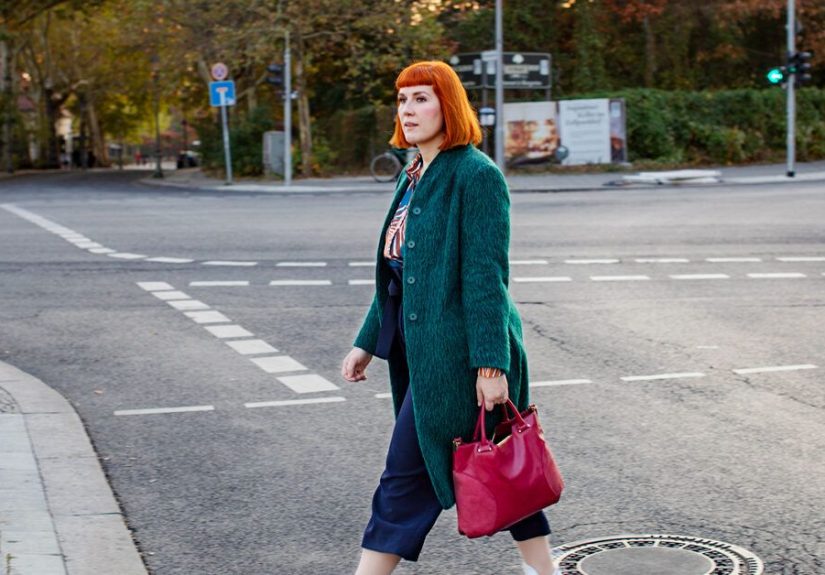
Another unexpected benefit was mood. A short walk outside, even on an ordinary street with no cinematic sunset and absolutely no woodland soundtrack, helped me decompress. It gave me a few minutes to breathe, think, and transition out of work mode. That made the habit feel less like exercise and more like a small ritual.
By the seventh day, I did not think of it as a challenge anymore. It just felt like a smart thing to do after eating, especially after lunch or dinner. I would not claim that one week changed my entire life, fixed every energy dip, or turned me into someone who casually enjoys uphill walks for fun. But it did make meals feel better, afternoons feel smoother, and evenings feel less heavy. For such a low-effort habit, that is a win.
Conclusion
If you have ever wondered whether walking after eating is actually worth the trouble, the answer is simple: it can be. A short post-meal walk is easy, accessible, and supported by real evidence. It may help with blood sugar, digestion, energy, and overall daily movement. Most importantly, it is realistic enough to become a habit instead of a one-week burst of ambition that disappears the minute life gets busy.
If you want a health habit with a low barrier to entry and a decent shot at making you feel better fast, this one deserves a place on your list. Eat your meal. Lace up your shoes. Take a walk. Your couch will survive without you for 10 minutes.
Note: Web-ready HTML body only. No source links or unwanted citation artifacts included.