Table of Contents >> Show >> Hide
- What Is Garlic, Exactly?
- So, Is Garlic a Vegetable?
- Is Garlic an Herb or a Spice?
- Why Garlic Is Not a Root Vegetable
- What Family Is Garlic In?
- Garlic in Cooking: Vegetable, Flavor Booster, and Kitchen Hero
- Garlic Nutrition: Small Clove, Big Reputation
- Fresh Garlic vs. Garlic Powder
- Hardneck vs. Softneck Garlic
- How Garlic Grows
- How to Store Garlic
- How Much Garlic Should You Use?
- Best Ways to Prepare Garlic
- Experience Notes: What Garlic Teaches You in a Real Kitchen
- Conclusion: Garlic Is a Vegetable, But Not Just a Vegetable
- SEO Tags
Garlic is one of those foods that walks into the kitchen wearing several name tags at once. It is a vegetable. It is an herb. It is a spice. It is a seasoning. It is the reason your pasta tastes like someone actually cared. And yes, it is also the reason your breath may announce your dinner plans before you do.
So, is garlic a vegetable? The short answer is yes: garlic is considered a vegetable because it is an edible part of a plant, specifically a bulb. But the more useful answer is a little more flavorful. Garlic is botanically a bulb from the plant Allium sativum, a close relative of onions, shallots, leeks, chives, and scallions. In everyday cooking, however, most people use garlic more like an herb or spice because it is usually added in small amounts to boost flavor rather than served as the main vegetable on a plate.
In other words, garlic is a vegetable with a side hustle. It grows like a vegetable, belongs in the vegetable family of alliums, and is listed among produce items, yet it behaves in recipes like the tiny, dramatic conductor of the flavor orchestra.
What Is Garlic, Exactly?
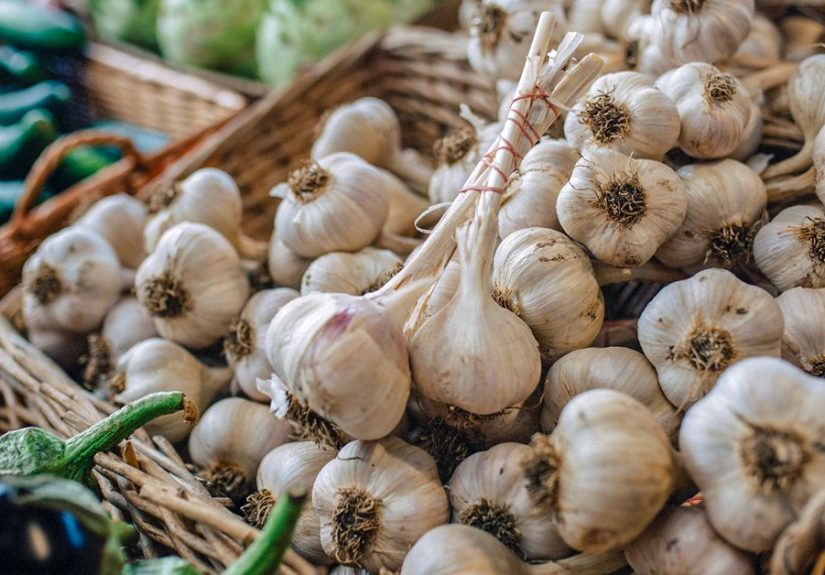
Garlic comes from Allium sativum, a bulbous flowering plant in the amaryllis family. The part most people eat is the bulb, which is divided into smaller sections called cloves. Each clove is wrapped in thin papery skin, and all the cloves together form the garlic head or bulb you see at the grocery store.
Unlike lettuce, broccoli, or carrots, garlic is rarely eaten by the bowlful. You do not usually sit down with a plate of steamed garlic cloves and say, “Ah yes, a light lunch.” Garlic is powerful. A little goes a long way, which is why cooks treat it as a flavoring ingredient even though it is still a vegetable by classification.
Garlic grows underground, but that does not technically make it a root vegetable. This is where food language gets delightfully messy. The edible bulb develops below the soil, but a bulb is not the same as a true root. Carrots and beets are roots. Potatoes are tubers. Garlic and onions are bulbs. They all belong to the broader world of vegetables, but they are different plant structures.
So, Is Garlic a Vegetable?
Yes, garlic is a vegetable. More specifically, it is a bulb vegetable. It is harvested from a plant, used as food, and belongs to the savory side of the kitchen. USDA educational materials describe garlic as a vegetable, while also noting that it is not usually eaten on its own like many other vegetables.
The confusion happens because the word “vegetable” is not as strict as people think. In botany, plants are classified by their structures, reproductive parts, and evolutionary relationships. In the kitchen, vegetables are usually edible plant parts used in savory meals. That can include roots, stems, leaves, flowers, fruits, seeds, tubers, and bulbs.
By that everyday culinary definition, garlic easily qualifies. It is an edible plant part used mostly in savory cooking. It may be tiny, pungent, and bossy, but it is still a vegetable.
Garlic Is a Bulb Vegetable
A bulb is a plant structure that stores energy underground. Garlic bulbs are made of multiple cloves, and each clove can grow into a new garlic plant when planted under the right conditions. That is why gardeners plant individual garlic cloves rather than tiny garlic seeds in most home garden settings.
Bulb vegetables include garlic, onions, shallots, and some related alliums. These vegetables often have strong aromas because they contain sulfur compounds. Those compounds are part of what makes garlic smell so bold when chopped, crushed, roasted, or sautéed. They are also why garlic can transform a dull dish faster than a good playlist transforms a boring commute.
Is Garlic an Herb or a Spice?
Garlic can also be called an herb or a spice depending on how it is used. This does not cancel its vegetable status. Food labels often overlap. Cilantro is an herb, but it is also an edible plant leaf. Chili peppers are botanically fruits, culinarily vegetables, and often dried into spices. Tomatoes are fruits botanically but vegetables in most savory cooking. Garlic belongs to the same “food identity is complicated” club.
Fresh garlic is usually treated like an aromatic vegetable, along with onions, celery, carrots, leeks, and shallots. Dried garlic powder or granulated garlic, on the other hand, is normally treated as a spice. Garlic used in small quantities to season soups, sauces, stir-fries, roasted meats, vegetables, dressings, and marinades behaves more like an herb or spice in the kitchen.
The best way to think about it is this: garlic is botanically and culinarily a vegetable, but functionally it often acts as a seasoning.
Why Garlic Is Not a Root Vegetable
Because garlic grows underground, many people assume it is a root vegetable. That is understandable, but not quite accurate. The part we eat is a bulb, not a root. Roots absorb water and nutrients from the soil. Bulbs store energy and contain the beginnings of future plant growth.
An easy comparison is the onion. Like garlic, an onion grows underground and is often grouped with root vegetables in casual conversation. But botanically, onions and garlic are bulbs. This distinction matters more to gardeners and botanists than to dinner guests, but it helps answer the question clearly.
If someone asks, “Is garlic a root vegetable?” the best answer is: garlic is an underground vegetable, but technically it is a bulb vegetable, not a root vegetable.
What Family Is Garlic In?
Garlic belongs to the allium group, which includes onions, shallots, leeks, chives, scallions, and ramps. These foods are famous for their savory bite and unmistakable aroma. They form the flavor base of many cuisines around the world, from Italian tomato sauce and French soups to Vietnamese dipping sauces, Korean kimchi, Indian curries, Mexican salsas, and American comfort food.
Alliums are the quiet backbone of cooking. You may not always notice them first, but you definitely notice when they are missing. A soup without garlic or onion can taste like it forgot to wake up.
Garlic in Cooking: Vegetable, Flavor Booster, and Kitchen Hero
Garlic is rarely the largest ingredient in a recipe, but it often has the biggest personality. Raw garlic is sharp, hot, and intense. Sautéed garlic becomes sweeter and softer. Roasted garlic turns mellow, creamy, and almost buttery. Pickled garlic becomes tangy and snackable. Fried garlic adds crunch and aroma. Garlic powder brings steady background flavor without the drama of peeling cloves.
This flexibility is one reason garlic appears in so many dishes. A single clove can change the mood of an entire pan of vegetables. Minced garlic in olive oil can start a pasta sauce. Crushed garlic can brighten a salad dressing. Roasted garlic can be spread on bread like a savory paste. Garlic butter can make vegetables, seafood, steak, mushrooms, and potatoes taste like they came from a restaurant with cloth napkins.
Common Culinary Uses for Garlic
Garlic is used in sauces, marinades, soups, stews, dips, dressings, roasted vegetables, noodle dishes, rice dishes, casseroles, and grilled foods. It pairs especially well with olive oil, butter, lemon, parsley, basil, rosemary, thyme, ginger, soy sauce, chili, tomatoes, potatoes, mushrooms, chicken, beef, shrimp, beans, and leafy greens.
One of garlic’s greatest talents is making other vegetables taste more exciting. Broccoli with garlic feels intentional. Green beans with garlic feel complete. Spinach with garlic tastes like it graduated from “side dish” to “small event.” Garlic may be a vegetable, but it is also the vegetable that helps other vegetables improve their public image.
Garlic Nutrition: Small Clove, Big Reputation
Garlic is low in calories because people usually eat it in small amounts. A typical clove contributes only a few calories, along with small amounts of nutrients such as vitamin C, vitamin B6, manganese, selenium, and other plant compounds. Its biggest nutritional claim to fame is not that it provides large amounts of vitamins per serving, but that it contains sulfur-containing compounds that are studied for potential health effects.
When garlic is chopped, crushed, or minced, compounds inside the clove react and help form allicin, one of the substances linked to garlic’s strong smell and biological activity. This is why crushed fresh garlic smells much stronger than an untouched clove sitting politely on the counter.
Research on garlic supplements suggests possible modest benefits for cholesterol, blood pressure, and blood sugar in some people, but garlic should not be treated like a magic cure. Culinary garlic can be part of a balanced diet, but it is not a replacement for medical care, prescribed medication, or basic healthy eating habits. Translation: garlic is impressive, but it is not a tiny doctor in a papery jacket.
Fresh Garlic vs. Garlic Powder
Fresh garlic and garlic powder both come from the same vegetable, but they behave differently in cooking. Fresh garlic has moisture, sharpness, and complexity. It can be minced, sliced, crushed, grated, roasted, or cooked whole. Garlic powder is dried and ground, giving it a more concentrated, evenly distributed flavor.
Fresh garlic is best when you want aroma and texture, such as in stir-fries, pasta sauces, roasted vegetables, and garlic bread. Garlic powder is useful for dry rubs, seasoning blends, popcorn, fries, roasted nuts, burgers, meatballs, and quick sauces where fresh garlic might burn or taste too aggressive.
Neither one is automatically better. They simply have different jobs. Fresh garlic is the lead singer. Garlic powder is the dependable backup vocalist who always shows up on time.
Hardneck vs. Softneck Garlic
There are many varieties of garlic, but they are often grouped into two major types: hardneck and softneck. Hardneck garlic usually produces a stiff central stalk called a scape. It often has fewer but larger cloves, and many cooks love its complex flavor. Softneck garlic usually has more cloves, stores longer, and is the type most commonly found in supermarkets.
Softneck garlic is also the kind often braided because its flexible tops make it easier to weave. Hardneck garlic, meanwhile, gives gardeners the bonus of garlic scapes, the curly green flower stalks that can be cooked like a mild garlic-flavored vegetable. Scapes are excellent in pesto, stir-fries, omelets, and soups.
How Garlic Grows
Garlic is commonly planted in fall in many U.S. regions, allowing the cloves to establish roots before winter. It grows best in loose, fertile, well-drained soil and full sun. Gardeners usually plant individual cloves pointy side up, then harvest mature bulbs in late spring or summer, depending on climate and variety.
One planted clove can become one full bulb. That feels like garden magic, but it is simply plant biology doing its job. Garlic is also a satisfying crop because it asks for patience rather than constant attention. Plant it, mulch it, weed it, water it when needed, and eventually the garden hands you a bundle of flavor grenades.
How to Store Garlic
Whole garlic bulbs should be stored in a cool, dry, well-ventilated place. A pantry basket, mesh bag, or open container is usually better than a sealed plastic bag, which can trap moisture and encourage mold. Once a bulb is broken open, the individual cloves tend to dry out faster, so it is best to use them within a reasonable time.
Peeled garlic can be refrigerated in a sealed container for short-term use. Minced garlic in oil must be handled carefully because storing garlic in oil at room temperature can create a food safety risk. For home kitchens, the safest habit is to refrigerate prepared garlic mixtures and use them promptly, or follow tested preservation guidelines.
How Much Garlic Should You Use?
Recipes often call for one or two cloves, but real life is full of people who read “two cloves” and hear “six cloves and a dream.” The right amount depends on the dish, the size of the cloves, and your tolerance for garlic’s glorious intensity.
For mild flavor, use one small clove in a dressing, soup, or vegetable side. For medium flavor, use two or three cloves. For bold garlic flavor, use four or more. Roasted garlic is much milder than raw garlic, so you can use a whole head in spreads, mashed potatoes, or sauces without creating the same sharp bite.
Raw garlic is the strongest form. If you are adding it to salad dressing, salsa, yogurt sauce, or aioli, start small. You can always add more, but removing raw garlic from a finished sauce is about as easy as un-ringing a bell.
Best Ways to Prepare Garlic
Minced Garlic
Minced garlic gives strong, even flavor and cooks quickly. It is ideal for sautés, sauces, stir-fries, and dressings. Be careful with high heat because tiny garlic pieces can burn fast and turn bitter.
Sliced Garlic
Sliced garlic is slightly gentler than minced garlic and works well in pasta, soups, and oil-based sauces. Thin slices can become golden and aromatic when cooked slowly.
Crushed Garlic
Crushed garlic releases bold flavor and is useful in marinades, soups, and braises. You can remove the crushed clove later if you want a subtle garlic background.
Roasted Garlic
Roasted garlic is sweet, soft, and mellow. Cut the top off a whole bulb, drizzle lightly with oil, wrap it, and roast until the cloves become tender. The result is spreadable, cozy, and dangerously easy to eat on bread.
Experience Notes: What Garlic Teaches You in a Real Kitchen
The first thing garlic teaches you is humility. You may think you are in charge of the recipe, but then one extra clove jumps into the pan and suddenly dinner has a new personality. That is not always a bad thing. Many home cooks eventually learn that garlic is less like a normal ingredient and more like a volume knob. Turn it gently for elegance. Turn it boldly for comfort food. Turn it all the way up if nobody has an important face-to-face meeting afterward.
One practical experience with garlic is learning when to add it. Beginners often toss garlic into smoking-hot oil at the same time as onions or meat. Then the garlic burns before everything else is cooked, leaving a bitter taste that no amount of cheese can fully hide. A better habit is to cook onions, carrots, celery, meat, or harder vegetables first, then add minced garlic for the last 30 seconds to one minute before adding liquid or softer ingredients. When garlic smells fragrant, it is usually ready for the next step.
Another useful lesson is that garlic changes personality depending on how you cut it. Whole cloves are mild. Sliced garlic is stronger. Minced garlic is stronger still. Grated or pressed garlic can be fiery because more cell walls are broken, releasing more pungent compounds. This is why one grated clove in a yogurt sauce can taste louder than three whole cloves simmered in a stew.
Roasted garlic is often the turning point for people who think they do not like garlic. Raw garlic can be sharp and aggressive, but roasted garlic becomes mellow, sweet, and almost nutty. Spread it on toast, mix it into mashed potatoes, stir it into soup, or blend it into salad dressing. It gives deep flavor without the spicy edge of raw garlic. If raw garlic is a trumpet, roasted garlic is a cello.
Garlic also teaches smart shopping. A good bulb should feel firm and heavy for its size, with dry papery skin. Avoid bulbs that feel soft, hollow, damp, or sprouted. Green shoots are not dangerous, but they can taste bitter, especially in raw preparations. If a clove has a green sprout, you can split it and remove the sprout before cooking.
In everyday cooking, garlic works best when it supports the dish instead of bullying it. A tomato sauce may welcome several cloves. A delicate lemon vinaigrette may need only half a small clove. Garlic fried rice can handle a generous hand. A fresh cucumber salad may need restraint. The more you cook with garlic, the more you learn that “enough” is not a fixed number. It is a balance between the dish, the cooking method, and the people eating it.
The final experience is storage discipline. Garlic likes airflow and dryness. Keep whole bulbs away from moisture, direct sunlight, and the refrigerator unless they are peeled or prepared. A small open basket in a cool pantry is often perfect. Treat garlic well, and it rewards you for weeks. Treat it badly, and it becomes rubbery, moldy, or sproutythe vegetable equivalent of a dramatic resignation letter.
Conclusion: Garlic Is a Vegetable, But Not Just a Vegetable
Garlic is a vegetable because it is an edible plant bulb used as food. More precisely, it is a bulb vegetable in the allium group, closely related to onions, shallots, leeks, and chives. It is not technically a root vegetable, even though it grows underground. And while cooks often use it like an herb, spice, or seasoning, that does not erase its vegetable identity.
The real beauty of garlic is that it refuses to stay in one neat category. It is a vegetable in the garden, an aromatic in the pan, a seasoning in the spice cabinet, and a flavor hero on the plate. Whether minced into pasta sauce, roasted until creamy, stirred into soup, or sprinkled as garlic powder over crispy potatoes, garlic proves that small ingredients can have enormous impact.
So the next time someone asks, “Is garlic a vegetable?” you can confidently say yes. Then, if you are feeling generous, you can explain that it is a bulb vegetable, an allium, and one of the most important flavor builders in the kitchen. If you are feeling less generous, just hand them a piece of garlic bread. Some answers are better with butter.