Table of Contents >> Show >> Hide
- Quick answer: yes, lobster is high-ish in dietary cholesterolbut it’s not the full story
- Cholesterol 101 (the helpful version)
- Lobster nutrition snapshot (and what it means for your plate)
- So… is lobster “high” in cholesterol?
- Who should be extra mindful about lobster and cholesterol?
- What’s the best way to cook lobster?
- Doneness and food safety (because nobody wants the “seafood regret” chapter)
- The best way to cook lobster for cholesterol-conscious eating
- How often can you eat lobster if you’re watching cholesterol?
- of Real-Life Lobster Experiences (What It’s Actually Like)
- Key takeaways
- SEO tags (JSON)
Lobster has a reputation for being the “fancy” choicesomething you order when you want dinner to feel like a special event.
But then comes the plot twist: you hear lobster is high in cholesterol, and suddenly your celebratory meal starts to feel like
it needs a permission slip from your cardiologist.
Let’s clear it up with real-world nutrition facts, a practical cholesterol breakdown (without turning this into a biochemistry
final exam), and the best ways to cook lobster so it tastes incredible and doesn’t get sabotaged by a butter tsunami.
Quick answer: yes, lobster is high-ish in dietary cholesterolbut it’s not the full story
Lobster is relatively high in dietary cholesterol compared to many other proteins. A typical
3-ounce (85 g) serving of cooked lobster has around 124 mg of cholesterol.
That’s a noticeable chunk of the Daily Value used on nutrition labels (roughly 40%).
Here’s the important nuance: lobster is also very low in saturated fat, and saturated fat tends to have a bigger
impact on raising LDL (“bad”) cholesterol than dietary cholesterol for most people. So lobster can fit into a heart-healthy eating
patternespecially when you cook it in a way that doesn’t turn it into a butter delivery system.
Cholesterol 101 (the helpful version)
Dietary cholesterol vs. blood cholesterol: not the same thing
Dietary cholesterol is what’s in food. Blood cholesterol is what circulates in your body, including
LDL (“bad”) and HDL (“good”). Your body actually makes the cholesterol it needs, and diet is only one piece of the puzzle.
For many people, the bigger dietary driver of higher LDL is saturated fat (and trans fat, which should be avoided).
That’s why heart-health advice often focuses more on limiting saturated fat than obsessing over cholesterol numbers in food.
Why the lobster panic happens anyway
Lobster is shellfish, and shellfish has been “on trial” in the court of public opinion for decades. Some of that comes from older
nutrition messaging that emphasized strict cholesterol limits. Today, the broader view is more about overall eating patterns
(fiber, unsaturated fats, minimally processed foods, and balanced portions).
Translation: lobster isn’t automatically a problem. But how you cook itand what you eat with itmatters a lot.
Lobster nutrition snapshot (and what it means for your plate)
Here’s what a 3-ounce serving of cooked lobster looks like in everyday terms:
- Calories: about 76
- Protein: about 16 g (lean and filling)
- Total fat: under 1 g
- Saturated fat: about 0.2 g (very low)
- Cholesterol: about 124 mg (the headline number)
- Sodium: roughly 400+ mg (varies with preparation)
Lobster also provides key micronutrients that are easy to overlook when everyone is busy arguing with the cholesterol number:
it’s a solid source of vitamin B12 and several minerals like zinc, selenium,
copper, and phosphorus. In other words: lobster is not “empty luxury.”
So… is lobster “high” in cholesterol?
In practical terms, yeslobster is on the higher end for cholesterol compared to many lean proteins. But it’s not an outlier
compared to other animal foods, and the overall health impact depends on the rest of your diet.
Quick comparisons (to put lobster in context)
- Lobster (3 oz cooked): ~124 mg cholesterol, very low saturated fat
- Egg yolk (1 large egg): about 200 mg cholesterol (higher than lobster)
- Many red-meat cuts: often come with more saturated fat, which can influence LDL more strongly
If you’re trying to be cholesterol-aware, the goal isn’t “never eat lobster.” It’s more like: don’t make it a nightly habit,
and don’t pair it with choices that crank up saturated fat (hello, giant butter cup + fries + creamy coleslaw).
Who should be extra mindful about lobster and cholesterol?
If you have high LDL cholesterol, heart disease, diabetes, or a strong family history of cholesterol issues, it’s smart to pay attention
to your overall patternnot just one meal. Some people are more sensitive to dietary cholesterol than others, so your personal response can vary.
Practical approach:
- Watch portions: 3–4 ounces is a reasonable serving for most people.
- Balance the plate: pair lobster with vegetables, beans, whole grains, and other high-fiber sides.
- Keep saturated fat low: lobster is leandon’t drown it in saturated fat and cancel the advantage.
- If you’re unsure: ask your clinician or a registered dietitian what makes sense for your labs and health goals.
What’s the best way to cook lobster?
“Best” can mean three different things:
- Best texture: tender, sweet, not rubbery
- Best flavor: lobster tastes like lobster (not like overcooked seafood sadness)
- Best for heart health: minimal added saturated fat, smart sides, safe cooking
The good news: you can hit all three. Here are the top cooking methods, with a “why it works” breakdown.
1) Steaming (the top overall pick)
If you want the most classic lobster flavor and great texture, steaming is hard to beat.
It cooks gently, helps prevent waterlogging, and keeps the meat sweet and tender.
How to steam lobster (simple version):
- Use a large pot with a rack and add a small amount of water (about 1–2 inches).
- Bring to a rolling boil, then add lobsters, cover, and start timing.
- Cook until the shell turns bright red and the meat is opaque (not translucent).
- Let it rest a couple of minutes before crackingless messy, more tender.
Health bonus: steaming doesn’t require added fat. You’re in full control of what goes on afterward.
2) Boiling (easy and fast, but slightly less “chef’s kiss”)
Boiling is the most common method because it’s straightforward. The tradeoff is that boiling can slightly dilute flavor
compared to steaming, and the texture can be easier to overcook if you’re not paying attention.
Boiling tips that actually help:
- Salt your water (think “sea-ish,” not “ocean lawsuit”).
- Return to a boil quickly after adding lobsterdon’t let it languish in lukewarm water.
- Pull it as soon as the meat is opaque and firm.
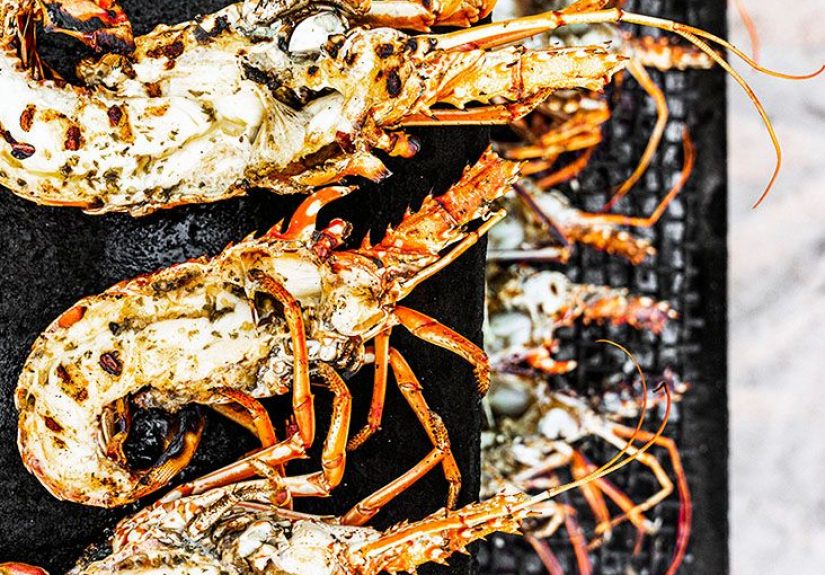
3) Grilling or broiling (big flavor, surprisingly heart-friendly)
Grilling and broiling add smoky, caramelized notes that make lobster feel restaurant-level. They’re also excellent options if
you’re trying to keep added fats moderatebecause you can use a light brush of olive oil and lean on herbs, garlic,
citrus, and pepper.
Best for: lobster tails, split lobster, or pre-steamed lobster finished on the grill for flavor.
4) Butter-poaching (delicious… and also basically a butter spa)
Butter-poached lobster is the “movie montage” version of lobster: luxurious, glossy, and wildly tasty. It’s also the method most likely
to pile on saturated fatbecause butter is mostly saturated fat.
If your goal is heart-friendlier lobster, save butter-poaching for special occasions and keep portions sensible. You don’t have to ban it.
Just don’t pretend it’s a wellness practice.
Doneness and food safety (because nobody wants the “seafood regret” chapter)
Lobster is done when the meat is opaque and firmnot translucent, not jelly-ish, not “maybe?” Food safety guidance for shellfish
commonly emphasizes cooking until the flesh is pearly/white and opaque.
Extra practical safety tips:
- Keep raw seafood cold (refrigerated) until cooking time.
- Avoid cross-contamination: separate cutting boards/utensils for raw seafood if possible.
- Refrigerate leftovers promptly and reheat thoroughly before eating.
The best way to cook lobster for cholesterol-conscious eating
If you’re choosing lobster because you want something that feels indulgent but still fits a heart-smart lifestyle, here’s the winning formula:
Pick a lean method + add flavor strategically
- Steam or grill as your base method.
- Skip the butter bath; use lemon, garlic, fresh herbs, spices, and
a small drizzle of olive oil if you want richness. - Try a dip that isn’t butter: Greek yogurt + lemon + chives + Dijon is surprisingly elite.
Choose sides that “protect the vibe”
Your sides can either support your cholesterol goals or throw them into the ocean with an anchor. Aim for:
- High-fiber sides: roasted vegetables, beans, lentil salad, quinoa, brown rice, corn on the cob
- Healthy fats: avocado, olive oil-based vinaigrette, nuts (in reasonable portions)
- Bonus points: a big salad with a simple dressing
The big idea: keep saturated fat modest and include fiber-rich foods that support healthier cholesterol patterns over time.
How often can you eat lobster if you’re watching cholesterol?
There’s no one magic number that fits everyone, but a practical approach is:
treat lobster as an occasional protein (not an everyday habit), keep portions around 3–4 ounces, and focus on the
overall pattern of your diet throughout the week.
If your cholesterol numbers are a concern, the most reliable strategy is usually not “find one perfect food,” but:
limit saturated fat, avoid trans fat, eat more soluble fiber, and build meals around minimally processed foods.
Lobster can fit inside that approachespecially when prepared simply.
of Real-Life Lobster Experiences (What It’s Actually Like)
If you’ve ever cooked lobster at home, you know there are two stages of the experience: the part where you feel like a fearless seafood wizard,
and the part where you’re holding a lobster cracker wondering why this didn’t come with a user manual.
A common first-timer moment is realizing lobster is lean. People expect it to taste “buttery” by default, but lobster’s natural flavor is
sweet and briny, more like a rich shrimp than a steak. That’s why restaurants often serve it with drawn butterbecause butter makes everything taste
like a standing ovation. At home, though, many cooks discover a small tweak: swap the butter flood for lemon, garlic, herbs, and a tiny drizzle of olive oil,
and suddenly lobster tastes cleaner, brighter, and less heavy. You still get the “special dinner” feeling, just without that post-meal sluggishness.
Another real-life lesson: steaming feels like cheating because it’s so forgiving. People who boil lobster sometimes report that the meat
tastes slightly diluted or the texture goes from “tender” to “rubber band” faster than expected. With steaming, you tend to get a more concentrated flavor,
and the meat stays juicy if you pull it when it’s opaque and firm. The best part? You don’t need a ton of water, so the pot comes to a boil fasterwhich
is exactly the kind of kitchen math everyone appreciates on a weeknight.
There’s also the “lobster roll reality check.” Many people love lobster rolls but notice they feel different depending on the style. A mayo-heavy roll can
turn a lean protein into a calorie-dense, saturated-fat-adjacent situation (especially if it’s served with chips). Meanwhile, a lighter versionthink a
small amount of mayo or a yogurt-based dressing, extra celery and herbs, and a whole-grain bunstill tastes indulgent but sits better. The common takeaway:
lobster itself isn’t the problem; it’s the add-ons that quietly change the nutrition story.
Finally, a lot of people notice that the “cholesterol fear” fades once they understand context. When you look at lobster next to foods that are high in
saturated fat, lobster can feel like a surprisingly smart choiceespecially if you’re building the meal with vegetables and fiber-rich sides. The experience
becomes less about restriction and more about strategy: enjoy the lobster, keep the butter reasonable, add colorful sides, and leave the dinner table feeling
satisfied instead of overstuffed. That’s the kind of luxury that actually feels good the next day, too.
Key takeaways
- Lobster is relatively high in dietary cholesterol (about 124 mg per 3 ounces), but it’s also very low in saturated fat.
- Saturated fat is often a bigger factor in raising LDL cholesterol than dietary cholesterol for many people.
- Best cooking methods: steaming (top pick), grilling/broiling (big flavor, still lean), boiling (easy but watch texture).
- Best “cholesterol-smart” move: keep butter portions modest and build the plate with fiber-rich sides.