Table of Contents >> Show >> Hide
- The Quick Answer (Because You’re Busy)
- How Tequila Affects Blood Sugar: A Two-Act Play
- Who Should Be Extra Careful (or Skip Tequila Completely)
- How to Drink Tequila More Safely With Diabetes (If You Choose To)
- Tequila Choices That Usually Work Better (and the Ones That Don’t)
- Two Realistic Blood Sugar Scenarios
- The Not-So-Fun Stuff: Alcohol’s Bigger Health Picture
- Signs You Should Stop Drinking and Treat a Low
- FAQ: Tequila and Diabetes
- Experiences That People Commonly Have (The “Real Life” Add-On)
- Conclusion: So, Is Tequila Safe for Diabetics?
Tequila has a certain reputation: party fuel, margarita MVP, occasional “I’ll regret this tomorrow” in liquid form. But if you’re living with diabetes, the real question isn’t whether tequila is “good” or “bad”it’s whether it’s predictable. And alcohol, as your blood sugar already knows, is not always a predictable roommate.
Here’s the honest, practical answer: many people with diabetes can drink tequila safely in moderation, but “safe” depends on your medications, your usual blood sugar patterns, what you eat with it, and what you mix it with. Tequila itself tends to be very low in carbs, yet alcohol can still cause delayed low blood sugarsometimes hours laterespecially for people who use insulin or certain diabetes pills.
Let’s break it down in plain American English, with real-world examples, a pinch of humor, and a heavy sprinkle of “please don’t freestyle your health.”
The Quick Answer (Because You’re Busy)
- Pure tequila (especially “100% agave”) generally has 0 grams of carbsso it usually won’t spike blood sugar the way sweet drinks can.
- Alcohol can lower blood sugar later by keeping your liver busy processing booze instead of releasing glucose when you need it.
- The biggest danger isn’t tequilait’s timing, dose, and mixers (hello, margarita mix).
- If you use insulin or sulfonylureas, you need a safety plan before your first sip.
How Tequila Affects Blood Sugar: A Two-Act Play
Act 1: Tequila itself is (usually) carb-free
Tequila is a distilled spirit. Distillation removes most sugars that were present in the original plant (agave). In practical terms, a standard shot (1.5 oz) of typical tequila has little to no carbohydrate. So if you drink tequila neat, on the rocks, or with a zero-sugar mixer, you’re not adding a big carb load.
But your blood sugar isn’t controlled by carbs alone. Alcohol has its own plot twist.
Act 2: Alcohol can cause delayed lows (your liver is “busy”)
Your liver has a day job: helping keep blood glucose steady between meals by releasing stored glucose and making new glucose when needed. When you drink alcohol, your liver temporarily prioritizes metabolizing alcohol over managing glucose. Translation: your usual “backup system” for preventing lows can get sluggish.
This is why alcohol can cause delayed hypoglycemia, especially if you drink without food, drink more than planned, exercise earlier that day, or take glucose-lowering meds that already raise the odds of lows.
The Cocktail Trap: sugar up front, crash later
A classic diabetes drinking headache is the “two-curve” effect:
- Blood sugar rises first (from sugary mixers like margarita mix, juice, soda, sweet liqueurs).
- Blood sugar drops later (from alcohol’s liver effectoften when you’re asleep or not paying attention).
That combo can feel like a prank your metabolism planned with a group chat.
Who Should Be Extra Careful (or Skip Tequila Completely)
1) People using insulin
If you use insulin (multiple daily injections or a pump), you’re already managing the most powerful blood-sugar-lowering tool on Earth. Add alcohol, and you increase the chance of low blood sugarparticularly delayed lows.
2) People taking sulfonylureas or meglitinides
These medications increase insulin secretion and can cause hypoglycemia on their own. Alcohol can stack the risk. If you’re on medications like these, take the “tequila decision” seriouslyespecially if you’ve had lows before.
3) Anyone with hypoglycemia unawareness
If you don’t reliably feel low blood sugar symptoms, alcohol adds danger because it can mask warning signs and make others assume you’re “just tipsy.” Not a great combo.
4) People with certain complications or conditions
It may be wise to avoid alcoholor keep it extremely limitedif you have:
- liver disease or elevated liver enzymes
- pancreatitis history or very high triglycerides
- advanced kidney disease (ask your clinicianthis is individualized)
- pregnancy (alcohol is not recommended)
- a history of alcohol use disorder
How to Drink Tequila More Safely With Diabetes (If You Choose To)
Step 1: Eat first (no, chips don’t count as a “plan”)
Drinking on an empty stomach increases the odds of hypoglycemia. Ideally, have tequila with a meal or a substantial snack that includes carbs + protein (and some fat is fine). Think: tacos with beans, grilled chicken with a side, or Greek yogurt and fruit if you’re home.
Step 2: Keep it simplemixers matter more than tequila
These are usually easier on blood sugar:
- Tequila + soda water + lime (a “ranch water” style drink)
- Tequila on the rocks with citrus
- Tequila + diet tonic/diet soda (if you enjoy it)
These are common blood-sugar troublemakers:
- margarita mix (often loaded with sugar)
- sweet-and-sour, juices, regular soda
- sweet liqueurs (triple sec, orange liqueurs, flavored syrups)
- frozen margaritas (sugar + big portions + “oops I drank three”)
Step 3: Decide your “monitoring schedule” before the first sip
If you have a CGM, greatuse alerts wisely. If you use fingersticks, consider checking:
- before drinking (don’t start if you’re already low)
- during if you’ll be out for a while
- before bed (this one is huge)
- overnight/early morning if you’ve had issues with delayed lows
Step 4: Keep a “low kit” nearby
Alcohol can blur judgment. Make it easy for “future you” to do the right thing:
- glucose tabs or gel
- a small juice box (if you can store it)
- medical ID (bracelet, phone ID)
- a friend who knows what low blood sugar looks like (bonus points if they’re not also three margaritas deep)
Step 5: Don’t improvise medication changes
Some people try to “pre-correct” for alcohol by changing insulin doses. That can backfire fast. If you regularly drink and notice patterns, talk to your diabetes clinician about a safe, personalized approach.
Tequila Choices That Usually Work Better (and the Ones That Don’t)
Best bets
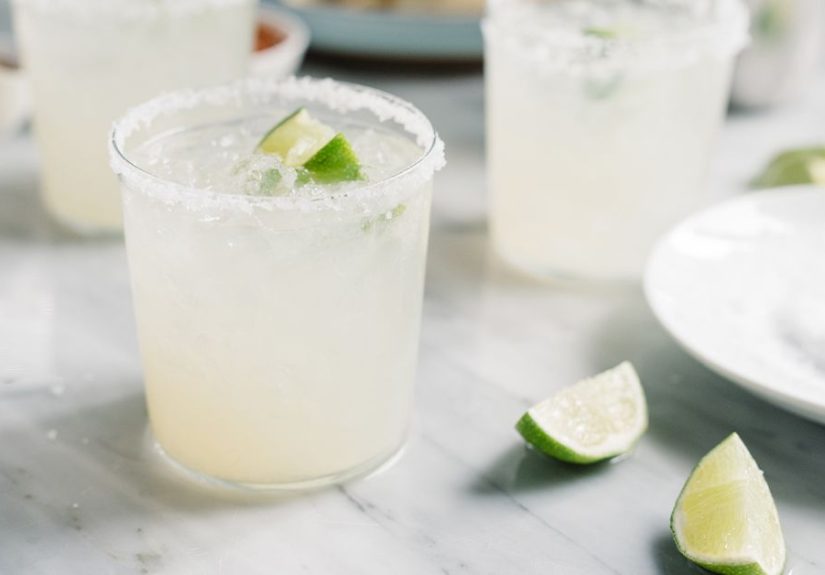
- Tequila soda (ranch water): tequila + sparkling water + lime over ice
- Tequila on the rocks: simple, predictable, portion-friendly
- Tequila + diet mixer: if you like it, it’s usually lower carb
“Better, but ask questions”
- Skinny margarita: ask for fresh lime juice, no sugary mix, and minimal sweetener
- Paloma-style drink: can be fine with diet grapefruit soda or grapefruit seltzer, but watch for added sugars
Watch out
- Frozen margaritas (often sugar-heavy, oversized, and deceptively strong)
- “Top-shelf” doesn’t mean “low sugar” if it’s mixed with syrupy ingredients
- Flavored or pre-mixed cocktails (read labelssome are basically adult soda)
Two Realistic Blood Sugar Scenarios
Scenario A: Type 2 diabetes, metformin, stable A1C
You eat dinner (protein + veggies + moderate carbs), then have one tequila soda with lime. Your blood sugar may not rise much from the drink itself. The biggest risk is usually extra calories and a possible later dipespecially if you drank on a lighter meal, exercised earlier, or drank more than intended.
What helps: keep it to one drink, have it with food, and check before bed. Avoid binge drinkingboth for glucose stability and because metformin plus heavy drinking can be a bad idea.
Scenario B: Type 1 diabetes, insulin pump + CGM
You skip dinner because “we’re just grabbing drinks,” then order two margaritas. Your CGM shows a spike (mixers), you bolus to correct, and laterwhen alcohol starts interfering with your liver’s glucose supportyour blood sugar drops at 2 a.m. Now you’re low, sleepy, and your decision-making is on vacation in Cancun.
What helps: eat first, choose low-sugar drinks, avoid heavy corrections, set CGM low alerts, and keep fast carbs by the bed.
The Not-So-Fun Stuff: Alcohol’s Bigger Health Picture
Even if tequila “fits” your carb budget, alcohol still has broader health effects worth knowing aboutespecially for people with diabetes, who already have to be mindful of heart health, weight, blood pressure, and liver function.
- Calories add up. Tequila is not a dessert, but it’s not free, either. Alcohol contributes calories without nutrition, and cocktails can pile on more.
- Alcohol can worsen sleep, which can make glucose harder to manage the next day.
- Cancer risk is real. Major health agencies note increased cancer risk with alcohol, and recent public health messaging has pushed toward “drink less” as the safest option overall.
This doesn’t mean you can never have tequila. It means it deserves the same respect you give a stovetop: useful, enjoyable, and capable of causing problems if you ignore it.
Signs You Should Stop Drinking and Treat a Low
Low blood sugar can look like being intoxicated (and vice versa). If you have diabetes and notice any of these, pause alcohol and check your glucose:
- shakiness, sweating, racing heart
- confusion, irritability, unusual clumsiness
- extreme fatigue, dizziness
If your blood glucose is low, follow your clinician’s plan (many people use the “15 grams fast carbs, recheck in 15 minutes” approach). If you can’t test but strongly suspect a low, treat it anywaybetter a brief high than a dangerous low.
FAQ: Tequila and Diabetes
Does tequila raise blood sugar?
Pure tequila usually doesn’t raise blood sugar much because it typically contains little to no carbs. The bigger issue is what you mix it with.
Can tequila lower blood sugar?
Yes. Alcohol can cause delayed hypoglycemia, especially in people using insulin or medications that increase insulin levels. The drop can happen hours after drinking, including overnight.
Is tequila “better” than beer or wine for diabetics?
Not automatically. Tequila may be easier to keep low-carb, but all alcohol can affect glucose and health risks. “Better” depends on how your body responds, your meds, portion size, and what you eat with it.
Is a margarita safe for diabetics?
Sometimesbut it depends on ingredients. A margarita made with fresh lime juice and minimal sweetener is a different animal than a margarita made with sweet mix or served frozen in a glass the size of a fishbowl.
I heard tequila is “good for diabetes.” True?
Be skeptical. While distilled spirits may be low in carbs, that doesn’t make them a diabetes treatment. Alcohol has real risks, can destabilize glucose, and can interfere with good judgment around food, medication, and sleep.
Experiences That People Commonly Have (The “Real Life” Add-On)
Ask a group of people with diabetes about tequila and you’ll hear a chorus of “It depends,” followed by very specific stories. Not medical studiesjust the lived reality of trying to enjoy a social life while also keeping your pancreas (or your insulin pump) from filing a complaint.
1) The “I did everything right” night. A lot of people report their smoothest experience when tequila is paired with food and simplicity. Think: dinner first, then one tequila soda. They check their glucose before bed, maybe set a slightly higher overnight alert, and wake up pretty normal. The big takeaway from these nights is boring but powerful: food + a measured pour + monitoring works. Diabetes often rewards consistency, even when you’re trying to be fun.
2) The “margarita mix betrayed me” night. Another common experience is the quick spike from a sweet cocktailespecially restaurant margaritas that use pre-made mixes. People describe feeling “fine” for an hour, then seeing a sharp rise on their CGM, correcting it, and later getting a low that feels like a jump scare. The lesson here isn’t “never drink margaritas.” It’s “know what’s in the glass.” If the drink tastes like candy, it may behave like candy.
3) The “delayed low at 2 a.m.” classic. This one gets mentioned a lot, particularly by people using insulin. The night seems normal, and thenhours laterblood sugar dips. People often say the low feels extra disorienting because they’re sleepy and their symptoms can be muted. Some describe waking up sweaty or having vivid dreams, checking their CGM, and realizing they’re dropping fast. Many end up keeping glucose tabs on the nightstand after a single episode like this. In other words: one memorable overnight low can permanently upgrade your bedtime routine.
4) The “my friends thought I was drunk” problem. Low blood sugar can mimic intoxication: slurred speech, confusion, stumbling, irritability. People sometimes share awkward moments where others assumed they needed a ride home, when what they actually needed was juice. This is why many experienced drinkers with diabetes tell at least one friend what hypoglycemia looks likeand carry a visible medical ID. It’s not dramatic. It’s just smart.
5) The “I became a snack philosopher” phase. There’s a point where some people get very tactical: they plan what to eat with tequila (protein + carbs), choose drinks they can estimate, and stop treating alcohol like a spontaneous event. They learn their patternsmaybe tequila soda tends to drop them later, or maybe it doesn’t. The win is confidence: instead of fearing every drink, they build rules that protect them without making life miserable.
6) The “my tolerance changed” surprise. People also report that stress, weight changes, new meds, or improved glucose control can change how alcohol affects them. A drink that used to be “fine” might hit differently months later. That’s not you “failing.” That’s biology being biology. Many decide to re-check more often when their routine changesbecause yesterday’s plan isn’t always today’s plan.
Overall, the most common theme is this: tequila isn’t automatically dangerous for diabetics, but it’s rarely “set it and forget it.” When people treat it like part of diabetes managementjust like food and activitythey usually do better than when they treat it like a magic immunity potion.
Conclusion: So, Is Tequila Safe for Diabetics?
It can beespecially if you keep it moderate, drink with food, avoid sugary mixers, and monitor your glucose intelligently. Pure tequila is typically low-carb, but alcohol can still trigger delayed hypoglycemia and carries broader health risks. If you use insulin or sulfonylureas, have a history of lows, or have complications affecting your liver, pancreas, or overall health, talk with your clinician about what’s safe for you.
If you choose to drink, do it with a plan. Because tequila might be a spiritbut your blood sugar is the one that gets haunted.