Table of Contents >> Show >> Hide
- What Night Blindness Really Means
- Why Seeing in the Dark Is Harder Than It Looks
- Common Reasons You Can’t See Well at Night
- 1. Your Glasses Prescription Is Outdated
- 2. Cataracts Are Turning Every Light Into a Drama Queen
- 3. Dry Eye Can Make Low-Light Vision Surprisingly Awful
- 4. Vitamin A Deficiency: The Classic but Less Common Cause
- 5. Retinitis Pigmentosa and Other Retinal Disorders
- 6. Glaucoma Can Quietly Shrink the Useful Visual Field
- 7. Diabetes Can Affect Night Vision Too
- 8. Medications and Eye Procedures Can Play a Role
- Symptoms That Suggest It’s More Than “Just Bad Lighting”
- How Doctors Figure Out the Cause
- What Can Help?
- Practical Tips for Living With Poor Night Vision
- The Bottom Line
- Real-World Experiences People Commonly Describe
- SEO Tags
There is a special kind of panic that hits when the sun goes down, the streetlights come on, and suddenly every headlight looks like a tiny exploding supernova. If driving at night feels like battling a flashlight army, or walking through a dim restaurant makes you move like a cautious raccoon, your eyes may be trying to tell you something.
Poor night vision, often called night blindness or nyctalopia, is not usually a disease by itself. It is more like your eyes’ check-engine light. Something underneath is making it harder for your vision to adjust in low light. Sometimes the explanation is simple, like an outdated glasses prescription. Other times, it can point to cataracts, retinal problems, vitamin A deficiency, diabetes-related eye damage, glaucoma, dry eye, or a rare inherited condition.
The good news is that night vision problems are often understandable, and in some cases, treatable. The less-good news is that blaming “bad lighting” forever is not exactly a long-term medical strategy. Let’s break down what may be behind your trouble seeing at night, what symptoms matter, and when it is time to stop squinting heroically and book an eye exam.
What Night Blindness Really Means
Night blindness does not mean you are blind once the sun clocks out. It means your eyes struggle in dim environments, such as at dusk, in dark rooms, on poorly lit roads, or in rainy nighttime conditions. You may still see fine in daylight, which is why the problem often sneaks up on people.
Many people describe night blindness in similar ways: headlights seem too bright, road signs appear too late, shadows blur together, steps become harder to judge, and dark spaces take forever to “come into focus.” If that sounds familiar, your issue may be less about darkness itself and more about how your eyes process light, contrast, glare, and detail.
Why Seeing in the Dark Is Harder Than It Looks
Your eyes do not simply “turn on night mode.” Low-light vision depends on several things working together: a clear cornea, a healthy lens, a functioning retina, enough vitamin A to support normal retinal chemistry, and a visual system that can adapt as lighting changes. When any link in that chain gets wobbly, your night vision can fall apart fast.
The retina is especially important here. It contains photoreceptor cells called rods and cones. Rods are the real night-shift employees. They help you see in low light and detect movement and shapes. If rod function is reduced, dark environments become much more difficult to navigate. That is one reason certain retinal disorders are famous for causing night blindness early on.
Common Reasons You Can’t See Well at Night
1. Your Glasses Prescription Is Outdated
Sometimes the answer is wonderfully un-dramatic: your lenses are no longer doing their job well enough. Nearsightedness, astigmatism, and other uncorrected refractive errors can make nighttime blur and glare much worse. During the day, bright light gives you more visual help. At night, that support disappears, and the fuzziness becomes obvious.
If streetlights have halos, signs are harder to read from a distance, or nighttime driving suddenly feels exhausting, start with a comprehensive eye exam. Your eyes may just need updated correction, not a dramatic origin story.
2. Cataracts Are Turning Every Light Into a Drama Queen
Cataracts are one of the most common reasons adults notice worsening night vision. A cataract clouds the eye’s natural lens, which means less light reaches the retina cleanly. Instead of crisp images, you get blur, glare, halos, washed-out contrast, and the feeling that every approaching car is using stadium lighting.
Cataracts often develop gradually, so people adapt without realizing how much their vision has changed. Many only notice the problem once driving at night becomes stressful. If your night vision has declined along with daytime blur, faded colors, or increasing sensitivity to bright lights, cataracts deserve a spot high on the suspect list.
3. Dry Eye Can Make Low-Light Vision Surprisingly Awful
Dry eye sounds minor, but it can mess with vision more than people expect. Your tear film helps keep the front surface of the eye smooth. When it becomes unstable, light scatters more easily. Result: blur, glare, irritation, and annoying fluctuations in vision, especially at night.
This can be worse if you stare at screens all day, wear contact lenses too long, spend time in air-conditioned rooms, or already have sensitive eyes. In some people, treating dry eye improves night driving comfort more than they ever expected. Glamorous? No. Effective? Often, yes.
4. Vitamin A Deficiency: The Classic but Less Common Cause
If you have ever heard that carrots help you see in the dark, this is the part people are trying to summarize, usually with too much confidence and not enough nuance. Vitamin A is essential for normal retinal function, especially for the chemistry involved in dark adaptation. When levels are too low, night blindness can be one of the earliest signs.
That said, true vitamin A deficiency is not common in the United States among people with a typical diet. When it does happen, it may be linked to malnutrition, malabsorption disorders, liver disease, alcohol misuse, or surgery that affects nutrient absorption, including some bariatric procedures. In severe deficiency, eye surface problems can also develop.
Important note: this is not an invitation to start swallowing huge vitamin A supplements like they are candy. Too much vitamin A can be harmful. If deficiency is suspected, testing and treatment should be guided by a healthcare professional.
5. Retinitis Pigmentosa and Other Retinal Disorders
If night blindness has been present for years, started when you were young, or seems to run in the family, a retinal condition may be the real issue. Retinitis pigmentosa is a group of inherited retinal disorders that often begins with trouble seeing at night and gradual loss of side vision. Some people first notice it as difficulty moving around in dim spaces. Others realize they are the person who always needs more light than everyone else.
There are also rarer inherited causes, such as congenital stationary night blindness, which can affect low-light vision without following the same pattern as progressive retinal degeneration. These conditions are not something a new pair of glasses can fix, which is why a proper retinal evaluation matters.
6. Glaucoma Can Quietly Shrink the Useful Visual Field
Glaucoma is often discussed as a pressure-related optic nerve disease, but many people first notice the practical problem: the edges of their vision do not feel as reliable. Nighttime becomes tougher because low-light settings already reduce contrast, and any loss in peripheral awareness makes navigation harder.
You may not notice glaucoma early on because it can develop silently. But if darkness seems to erase side detail, steps feel less certain, or driving feels unusually stressful, it is worth getting checked. Glaucoma is about preserving vision before damage becomes permanent.
7. Diabetes Can Affect Night Vision Too
People with diabetes can develop retinal damage over time, including diabetic retinopathy. Early changes may not always be obvious in bright daylight, but low-light conditions can expose how much visual quality has slipped. Blurry vision, patchy perception, faded contrast, and poor night vision can all show up as the retina becomes less healthy.
This is one reason regular dilated eye exams matter so much for people with diabetes. Eye damage can progress before symptoms become dramatic, and earlier treatment gives you a much better chance of protecting vision.
8. Medications and Eye Procedures Can Play a Role
Sometimes the culprit is not an eye disease at all. Certain medications can affect pupil size, focus, or the way your eyes respond to dim light. Some people also notice glare, halos, or night vision disturbances after refractive surgery. That does not automatically mean something has gone wrong, but it does mean symptoms deserve a real conversation with an eye care professional instead of a guess-and-hope routine.
Symptoms That Suggest It’s More Than “Just Bad Lighting”
Here is where you should pay attention. Night vision trouble deserves an exam sooner rather than later if you also notice:
- Halos around lights
- Glare that feels much worse than before
- Blurred vision during the day too
- Loss of side vision
- Frequent bumping into things in dim places
- Difficulty adjusting when moving from bright to dark settings
- Floaters, shadows, or missing areas of vision
- Eye pain, redness, or sudden change in sight
Any sudden drop in vision, especially with pain, flashing lights, or missing parts of your visual field, should be treated urgently. That is not a “let me monitor it for six months” situation.
How Doctors Figure Out the Cause
A good evaluation does more than check whether you can read tiny letters on a wall from across the room. If you are struggling at night, an eye doctor may look at your prescription, measure how clearly your eye focuses light, examine the cornea and lens, assess the retina and optic nerve, and often perform a dilated eye exam. Depending on what is suspected, more specialized testing may follow.
That can include retinal imaging, visual field testing, glare testing, dark adaptation assessment, or an electroretinogram in cases where inherited retinal disease is possible. If vitamin deficiency is on the table, bloodwork and a broader medical evaluation may be needed too. In other words, night blindness is not a one-size-fits-all problem, so the exam should not be one-size-fits-all either.
What Can Help?
Treatment depends entirely on the cause. That is both the frustrating part and the hopeful part.
If the problem is refractive:
Updated glasses or contact lenses may make a noticeable difference, especially for glare and clarity while driving.
If the problem is cataracts:
Cataract surgery is often very effective when cataracts are significantly interfering with vision and daily life.
If dry eye is contributing:
Lubricating drops, environmental changes, contact lens adjustments, prescription dry-eye treatment, and screen-break habits may help.
If vitamin A deficiency is the cause:
Treatment should be medically supervised, especially because excessive supplementation can be dangerous.
If a retinal disease is involved:
The goal may be monitoring, genetic evaluation, low vision support, or specialized management rather than a simple cure. Inherited retinal disorders often require long-term follow-up.
If diabetes or glaucoma is involved:
Protecting vision means treating the underlying disease early and consistently. Waiting for “really bad symptoms” is a terrible strategy because some damage cannot be reversed.
Practical Tips for Living With Poor Night Vision
While you are figuring out the cause, a few practical adjustments can make life easier:
- Keep your glasses prescription current
- Clean glasses and windshields often, because smudges make glare worse
- Use brighter indoor lighting where safe and comfortable
- Reduce screen strain and manage dry eye symptoms
- Avoid nighttime driving if you do not feel safe
- Schedule regular eye exams, especially if you have diabetes or a family history of eye disease
No, this list is not thrilling. It is also annoyingly useful.
The Bottom Line
If you cannot see well at night, do not assume it is just age, fatigue, weather, weak streetlights, bad luck, or the universe being moody. Night blindness is usually a signal that something in the visual system needs attention. Sometimes it is as manageable as updating your glasses or treating dry eye. Sometimes it is the first clue to cataracts, glaucoma, diabetes-related eye disease, vitamin A deficiency, or a retinal disorder that needs proper follow-up.
The smartest move is not to self-diagnose from the produce aisle. It is to get your eyes examined, figure out what is actually going on, and treat the cause instead of the symptom. Your future nighttime self, ideally the one not white-knuckling the steering wheel, will appreciate it.
Real-World Experiences People Commonly Describe
One of the trickiest things about night vision problems is how ordinary they can seem at first. People rarely wake up and announce, “Aha, my dark adaptation is impaired.” Instead, they notice small, weird inconveniences that slowly pile up until nighttime becomes more stressful than it should be.
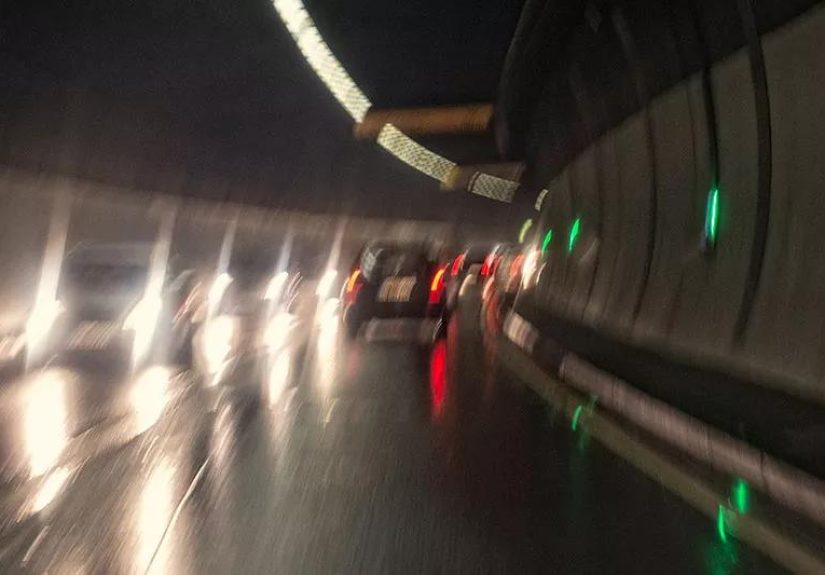
For some, it starts while driving. They can handle daytime traffic just fine, but after sunset, every trip feels harder. Headlights look too bright, signs seem harder to read until the last second, and rainy roads become reflective messes. They may grip the wheel tighter, lower their speed, avoid unfamiliar routes, or quietly stop driving at night altogether.
Others notice it indoors. They walk into a dim restaurant and need a full minute to adjust while everyone else finds their seats like normal humans. Movie theaters become awkward obstacle courses. A hallway with soft lighting feels strangely murky. They joke that they have “grandma eyes” long before anyone has actually diagnosed the reason.
Some people describe a contrast problem more than a darkness problem. They can technically see, but edges are harder to judge. Curbs blend into pavement. Stairs lose definition. Dark clothing on a dark background becomes almost invisible. In those moments, they are not blind, but their visual confidence drops fast.
Then there is the frustration factor. Many people feel confused because their daytime vision seems mostly okay. They pass through a typical day reading screens, recognizing faces, and functioning normally. That makes the nighttime difficulty easier to dismiss. They assume they are tired, overworked, getting older, or simply “bad at driving in the dark.” Sometimes that delay keeps them from getting help sooner.
People with dry eye often describe the experience as inconsistent. One night is manageable, the next is miserable. Vision may sharpen after blinking and then blur again. People with cataracts frequently mention glare and halos. Those with retinal disease may talk about needing extra light for years, bumping into things off to the side, or feeling lost in dim spaces even when their central vision still seems decent.
What these experiences have in common is this: the problem feels real long before the diagnosis feels obvious. That is why listening to your own patterns matters. If you keep noticing that darkness changes your confidence, comfort, or safety more than it used to, trust that observation. Your eyes may be giving you useful information, even if they are not giving it politely.