Table of Contents >> Show >> Hide
- Why Cabinet 852 Still Feels So Fresh
- The Origin Story: Linnaeus, Floral Prints, and a Brilliant Detour from Boring
- What Makes Cabinet 852 So Special?
- What Cabinet 852 Costs Today
- Two Botanical-Inspired Dupes for Less
- How to Get the Josef Frank Mood Without Copying Josef Frank
- Who Should Actually Buy a Botanical Statement Cabinet?
- Final Thoughts: Why the Obsession Makes Sense
- Additional Experience and Style Notes: What Living with This Look Actually Feels Like
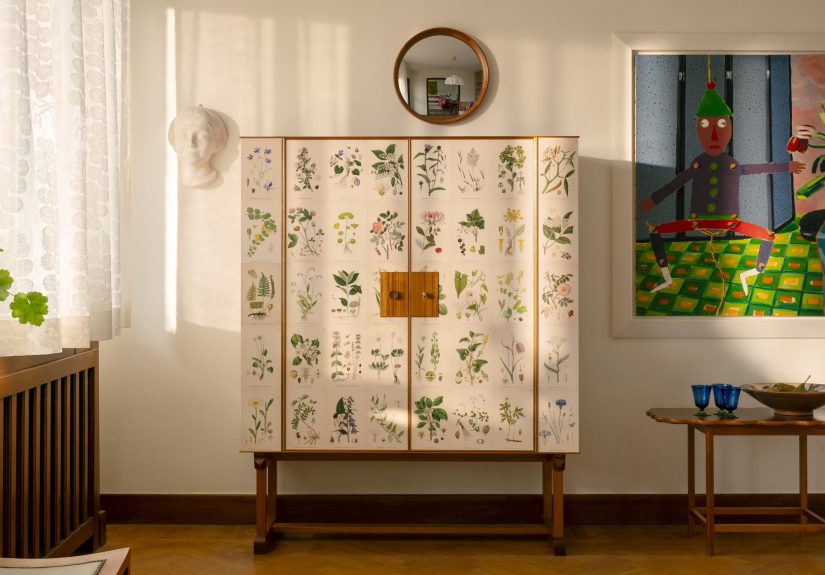
If you have ever looked at a piece of furniture and thought, “Well, that seems slightly too pretty to be legal,” allow me to introduce Josef Frank’s Cabinet 852 for Svenskt Tenn. Often called the Flora Cabinet, it is one of those rare design objects that manages to feel scholarly, playful, refined, and just a tiny bit wild all at once. It is a cabinet, yes. But it is also a love letter to botanical illustration, a rebellion against sterile modernism, and the sort of thing that makes other storage furniture look like they showed up underdressed.
Originally designed in 1937, Cabinet 852 has become an icon of Swedish design, even though its spirit feels bigger than any single label. It blends the clean structure of a modern cabinet with exuberant plant imagery, creating a piece that is both disciplined and delightfully unruly. In other words, it is what happens when order and imagination decide to stop fighting and get married.
And because most of us are not currently shopping with a collector-level furniture budget, this article also looks at two botanical-inspired alternatives that capture some of the same energy for far less money. They are not exact copies, and that is a good thing. Cabinet 852 deserves admiration, not lazy cloning. But if you want the same lush, artful, garden-in-the-house feeling, there are smarter ways to get close.
Why Cabinet 852 Still Feels So Fresh
To understand why this cabinet still turns heads, it helps to know a little about Josef Frank. Frank was an Austrian-born architect and designer who later became one of the most influential figures in Swedish design. He is often associated with a more humane, warm, and livable version of modernismthe kind that welcomes color, pattern, comfort, and personality instead of treating the home like a laboratory with throw pillows.
That philosophy matters because Cabinet 852 is not just a pretty object. It represents Frank’s broader design worldview. At a time when many modern interiors leaned hard into restraint, Frank embraced rooms that felt alive. He loved botanical motifs, layered surfaces, and interiors that looked collected rather than clinically perfected. The result was a style that still feels surprisingly current in a world tired of flat-pack sameness and beige-on-beige minimalism.
Cabinet 852, also known as the Flora Cabinet, distills that outlook into one unforgettable case piece. Its body has the clean lines you would expect from a modern cabinet, but its surface explodes into botanical imagery. That contrast is the whole magic trick. The form says, “I am practical.” The decoration says, “I know every flower in this room by name.”
The Origin Story: Linnaeus, Floral Prints, and a Brilliant Detour from Boring
The cabinet’s backstory is half design history, half excellent taste. The roots of the piece trace back to the summer residence of Carl Linnaeus in Hammarby, where rooms were famously decorated with botanical prints. That image stayed with Estrid Ericson, the founder of Svenskt Tenn, who was inspired by the emotional richness of living with flora illustrations on the walls. Frank later translated that idea into furniture, designing Cabinet 852 in 1937 as an object that could carry the atmosphere of a botanical interior all by itself.
That is what makes the cabinet so distinctive: it does not merely sit in a room. It imports a room’s mood. Instead of asking for a gallery wall, fresh flowers, and five styling books stacked just so, Cabinet 852 more or less arrives already dressed for the party.
More recent versions of the cabinet have only deepened its legend. Svenskt Tenn’s relaunch for its centenary brought back the Flora Cabinet with 115 botanical prints from Nordens Flora, reinforcing the cabinet’s identity as both furniture and visual archive. That detail matters, because the piece does not use a generic floral pattern. It draws from botanical illustration traditions that feel studied, historic, and almost museum-adjacent.
What Makes Cabinet 852 So Special?
1. It turns storage into storytelling
Plenty of cabinets store things. Cabinet 852 tells a story while doing it. The botanical imagery creates a sense of narrative, curiosity, and visual movement. It feels like the cabinet contains secrets even before you open the doors. That is not normal cabinet behavior, and frankly, it is showing off.
2. It balances art and utility
Some statement furniture pieces forget the “furniture” part and become glorified sculptures with trust issues. Cabinet 852 avoids that trap. It is still a working cabinet, designed for real use. That tension between usefulness and fantasy is part of why designers and collectors keep coming back to it.
3. It proves Swedish modernism was never only pale wood and polite silence
American audiences often reduce Scandinavian design to clean blond wood, white walls, and a single ceramic vase looking emotionally unavailable on a shelf. Frank’s work blows that stereotype apart. Cabinet 852 reminds us that Swedish design also has a colorful, pattern-loving, emotionally intelligent side.
4. It sits at the crossroads of craft, print culture, and interior design
This cabinet matters because it bridges disciplines. It belongs to furniture history, but also to the history of decorative arts, botanical illustration, collecting, and interior atmosphere. That crossover appeal helps explain why it performs so well both in design editorials and in the auction world.
What Cabinet 852 Costs Today
Here is the part where wallets everywhere start sweating. The current relaunch of Cabinet 852 has been reported at around $47,000, and vintage examples can soar far higher in the resale market. Auction estimates and dealer listings show just how firmly this piece sits in collector territory. So yes, it is a cabinet. But it is also the kind of cabinet that inspires sentences like, “We should probably insure that.”
That steep price is exactly why the idea of botanical-inspired dupes for less is so appealing. Most people are not trying to reproduce the original line for line. They want the feeling: lush pattern, organic detail, a sense of cultivated eccentricity, and a piece that makes the room more interesting before anyone has even taken off their coat.
Two Botanical-Inspired Dupes for Less
Before we get into the picks, a friendly reality check: there is no true substitute for an original Josef Frank Cabinet 852. A real Flora Cabinet has historic pedigree, collector value, and a design lineage that cannot be replicated by sheer enthusiasm and a furniture outlet coupon. What you can find, though, are pieces that borrow the same visual language: botanical imagery, artisan detail, and a strong decorative point of view.
Dupe #1: West Elm Kids Joseph Altuzarra Painted Botanical Dresser (60")
If you want the closest modern retail echo of Cabinet 852’s illustrated-garden charm, this painted botanical dresser from West Elm is the standout. Yes, it technically lives in the kids category, but design does not care what aisle something came from. If the proportions work and the finish is beautiful, you are allowed to ignore the label and proceed like an adult with excellent instincts.
This piece works because it captures the part of Cabinet 852 that most people respond to first: the idea of a clean-lined storage piece softened by botanical art. Instead of reading as cute or juvenile, the dresser leans whimsical in a polished way. It feels decorative without tipping into chaos, which is harder to pull off than most brands would like to admit.
It is also dramatically more accessible than the Svenskt Tenn original. At a reported retail price of $1,599, it lives in the world of aspirational furniture rather than museum-worthy acquisition. That makes it a smart option for anyone who wants a statement piece with botanical personality but does not need the room to double as a design-history flex.
Best for: bedrooms, nurseries that you want to grow out of gracefully, and grown-up spaces that could use a little less seriousness and a little more bloom.
Dupe #2: World Market Arjun Natural Wood Botanical Inlay Storage Cabinet
If the West Elm pick is the more illustrative version of the look, the Arjun Natural Wood Botanical Inlay Storage Cabinet from World Market is the earthier, more textural cousin. Its appeal lies in flowing leaf-and-vine inlay work across natural mango wood, which gives it a handcrafted, organic presence.
This is not a print-heavy cabinet the way Cabinet 852 is. Instead, it translates the botanical theme into material texture. That difference is important. Frank’s cabinet feels like a botanical archive wrapped around a modern form; the Arjun cabinet feels like the garden has been carved directly into the wood. Same family, different personality.
The payoff is versatility. This cabinet can sit comfortably in spaces that blend Scandinavian, bohemian, global, or eclectic influences. It still scratches the botanical itch, but in a quieter way. Think less “rare design icon at an auction preview,” more “beautiful conversation piece that makes your living room look like you know what you are doing.” Which, to be fair, is the dream.
Best for: entryways, dining rooms, and smaller living spaces where you want organic detail without going full maximalist greenhouse.
How to Get the Josef Frank Mood Without Copying Josef Frank
Lean into contrast
One reason Cabinet 852 works so well is the tension between a structured silhouette and lively decoration. Recreate that formula by pairing botanical cabinets with simple walls, restrained upholstery, or lighting with clean lines. Let the cabinet be the extrovert in the room.
Use real botanicals sparingly
This is not the time for seventeen ferns fighting for attention. If your storage piece already carries floral or plant detail, one vase of branches or a single sculptural plant is usually enough. You are styling a room, not auditioning for the role of “Victorian conservatory with Wi-Fi.”
Mix old and new
Frank’s work feels so relevant because it never looks trapped in one era. Pair a botanical cabinet with a contemporary lamp, a vintage rug, modern art, or even a sleek dining table. The layered tension is what makes the room feel collected rather than theme-y.
Watch your palette
If your cabinet includes a lot of floral detail, pull one or two colors from it and repeat them elsewhere in small doses. That creates cohesion without making the whole room feel like the cabinet is trying to recruit followers.
Who Should Actually Buy a Botanical Statement Cabinet?
Not everyone needs one. If your favorite room is a white cube with one black chair and an existential silence hovering over everything, Cabinet 852 is probably not your soulmate. But if you love interiors that feel layered, personal, and a little bit literary, a botanical cabinet can be a brilliant anchor piece.
It is especially good for people who want a room to feel curated rather than generic. A floral or botanical cabinet says something specific. It suggests you enjoy history, pattern, and objects with personality. It also suggests you are not afraid of furniture having a point of view, which is refreshing in an era full of pieces that seem terrified of being noticed.
Final Thoughts: Why the Obsession Makes Sense
Josef Frank’s Cabinet 852 for Svenskt Tenn has endured because it solves a problem many homes still have: how to make a room feel cultivated without making it feel cold. The cabinet brings in pattern, story, scholarship, charm, and a deeply human sense of delight. It is decorative, but not frivolous. Historic, but not dusty. Sophisticated, but not snobbish. Basically, it is the unicorn of storage furniture.
The original is a dream piece, no question. But the deeper lesson of Cabinet 852 is not that everyone needs a five-figure Swedish icon. It is that homes benefit from pieces that carry emotion, imagery, and surprise. That is why botanical-inspired cabinets continue to resonate. They remind us that function does not have to be boring, and that storage can absolutely be dramatic if it has the self-respect to try.
So if the real Flora Cabinet is out of reach, do not despair. Take the cue, not the exact blueprint. Look for a cabinet with organic detail, visual depth, and enough personality to wake up the room. Josef Frank would probably approve. Or at the very least, he would be relieved you did not choose something sad and gray.
Additional Experience and Style Notes: What Living with This Look Actually Feels Like
There is also a more personal reason people respond so strongly to Cabinet 852 and the many botanical pieces it has inspired: they change the emotional temperature of a room. A plain storage cabinet asks to be ignored. A botanical cabinet asks to be noticed, then rewards that attention over time. In the morning, it can feel crisp and graphic. In softer afternoon light, it starts to read more romantic and layered. At night, with a lamp nearby, the surface detail becomes moodier and more intimate. Good furniture does not just occupy space; it edits the atmosphere.
That is especially true with a piece rooted in plant imagery. Botanical decoration carries a strange double power. It feels orderly because it comes from the language of classification, drawing, and pattern, but it also feels alive because it references the natural world. That combination explains why a cabinet like this can work in so many interiors. It brings in movement and softness without losing structure. It keeps a room from feeling stiff, yet it does not collapse into visual mush.
In everyday life, a piece like this also performs a useful trick: it makes storage feel intentional. Put a standard cabinet in a dining room, and it reads as necessary. Put a botanical cabinet there, and it reads as chosen. The same objects insidetable linens, glassware, chargers, random candles you forgot you bought in Novembersuddenly feel housed rather than hidden. That is a subtle distinction, but it is the kind that makes a home feel designed instead of merely furnished.
Guests notice these pieces, too. They may not know the words “Josef Frank” or “Svenskt Tenn,” but they know when something has charisma. A botanical cabinet naturally pulls conversation toward it because it offers so many entry points. Some people respond to the craftsmanship. Others notice the pattern first. Some just say, “Wow, where did you get that?” which is the universal sign that your furniture is doing solid social labor.
There is also something seasonless about the look. In spring and summer, a floral cabinet feels obvious in the best wayfresh, lively, and in sync with the world outside. In fall and winter, it becomes even more valuable because it holds onto a sense of growth when everything beyond the window looks tired or bare. It is interior optimism with hinges.
And perhaps that is the real legacy of Cabinet 852. It proves that practical objects can still carry wonder. You can store dishes, books, or board games inside a cabinet and still ask that cabinet to participate in the poetry of the room. That idea never gets old. Whether you invest in the real Svenskt Tenn piece, choose a botanical-inspired dupe, or hunt down some future favorite with leaves carved, painted, or printed across the front, the appeal comes down to the same thing: people want homes that feel alive. A cabinet like this does exactly thatquietly, beautifully, and with just enough drama to keep things interesting.