Table of Contents >> Show >> Hide
- What Liposuction Really Does (and What It Doesn’t)
- How Liposuction Works: Step-by-Step (No Gore, Just the Facts)
- Types of Liposuction (and Why There Are So Many)
- Who Is a Good Candidate for Liposuction?
- Safety: How to Stack the Odds in Your Favor
- Side Effects & Risks: What You Might Feel vs. What You Must Watch For
- Benefits of Liposuction (The Real Upsides)
- Recovery & Results: A Timeline You Can Actually Live With
- Liposuction vs. Tummy Tuck vs. Non-Surgical Fat Reduction
- Questions to Ask at Your Consultation (So You Don’t Leave With Only a Brochure)
- Conclusion
- Real-World Experiences (What People Often Notice, Feel, and Learn) Extra Detail
Liposuction (aka “lipo,” aka “the procedure that makes your jeans stop negotiating with your hips”) is one of the most well-known body contouring surgeries in the U.S. It can be a smart option for people who are generally healthy, close to their goal weight, and stuck with pockets of fat that refuse to budgeno matter how many salads they’ve eaten “as a treat.”
This guide breaks down how liposuction works, the most common types, what safety actually looks like (beyond a fancy website), the side effects and risks you should know, and the realistic benefits. It’s written for humansso yes, we’ll be honest about swelling, compression garments, and why “final results” is a long game.
What Liposuction Really Does (and What It Doesn’t)
It removes fat cells from specific areas
Liposuction is a surgical fat removal procedure that targets localized fat depositsthink abdomen, flanks (“love handles”), thighs, upper arms, chin/neck, and other common trouble zones. A surgeon uses a thin tube (a cannula) connected to suction to remove fat from under the skin through small incisions.
It’s not a weight-loss procedure
Liposuction can change your shape and proportions, but it’s not designed to treat obesity or replace lifestyle changes. In plain terms: it’s contouring, not a magic eraser for your scale. People who do best typically have relatively stable weight, realistic expectations, and fat deposits that don’t respond to diet and exercise.
Results can lastif your habits do
Liposuction reduces the number of fat cells in the treated area. If you gain weight later, remaining fat cells can expand and your body may store fat in different patterns than before. Translation: lipo is not a “one-and-done forever pass,” but it can be long-lasting when weight stays steady.
How Liposuction Works: Step-by-Step (No Gore, Just the Facts)
1) Planning & markings
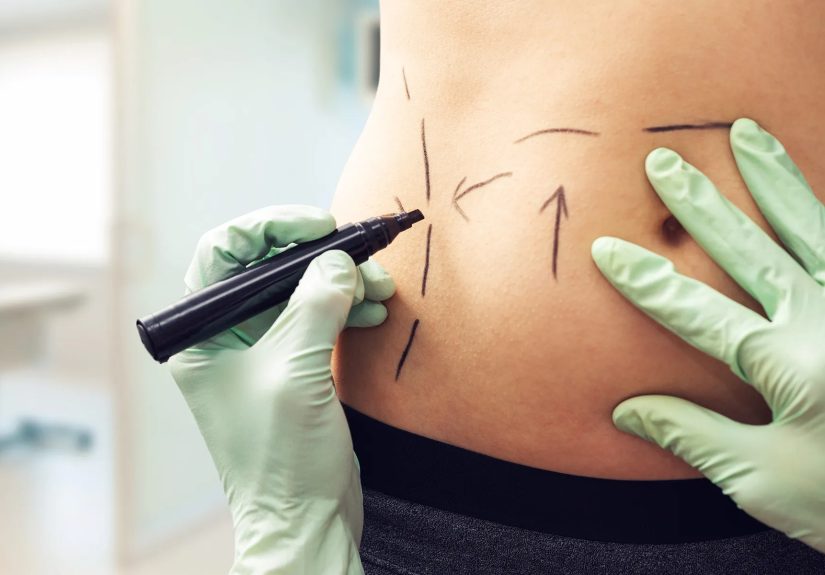
Before surgery, your surgeon maps the treatment areasoften marking circles/lines on your skinand discusses goals, likely outcomes, and whether you may need additional skin-tightening procedures if skin elasticity is limited.
2) Anesthesia: local, sedation, or general
Depending on the area treated, the amount of fat removed, and the technique used, liposuction may be done with local anesthesia, IV sedation (“twilight”), or general anesthesia. Your care team monitors vital signs during the procedure.
3) Small incisions + cannula + suction
The surgeon makes small incisions, inserts a cannula into the fatty layer, and uses controlled movements to loosen and remove fat. Suction may be provided by a vacuum device or syringe-based system, depending on technique and setting.
4) Tumescent solution (very common)
Many modern liposuction approaches use a fluid infiltration step first. A medicated solution is infused into the target area to numb tissues, reduce bleeding, and make fat removal smoother. This step can also help manage post-op discomfort and swelling.
5) Drainage, dressings, and the compression garment era
After fat removal, incisions may be left partially open for drainage or a temporary drain may be placed to prevent fluid buildup. You’ll typically wear compression garments for weeks to reduce swelling and help skin adapt to new contours.
Types of Liposuction (and Why There Are So Many)
“Liposuction” is an umbrella term. The core idea is the sameremove fat through a cannulabut the way fat is loosened and how the procedure is powered can differ. Your surgeon chooses based on goals, anatomy, prior procedures, and safety considerations.
Tumescent Liposuction (the most common baseline)
Tumescent liposuction involves injecting a large amount of diluted solution into the fatty tissue before suctioning. This solution often includes lidocaine (local anesthetic), epinephrine (to constrict blood vessels and reduce bleeding), and saline. In some descriptions, the fluid amount can be substantial relative to the fat being removed.
Super-Wet Technique
Similar concept to tumescent, but with less fluid. It can shorten procedure time compared with fully tumescent approaches, and it may be paired with sedation or general anesthesia depending on the case.
Suction-Assisted Liposuction (SAL)
Often considered the “classic” approach: fluid is infused, a cannula is inserted, and fat plus fluid is suctioned out. It’s widely used and remains a workhorse technique for many body areas.
Power-Assisted Liposuction (PAL)
PAL uses a cannula that rapidly moves back and forth (tiny vibrations). The motion helps break up tougher fat more efficiently and can allow for faster removal and potentially more precision. Some sources note it may reduce surgeon effort and, in certain cases, may be associated with less pain/swellingthough individual experiences vary.
Ultrasound-Assisted Liposuction (UAL / VASER-assisted)
UAL uses ultrasound energy delivered under the skin to disrupt fat cells so they’re easier to remove. It can be useful in dense, fibrous areas (for example, upper back or some cases of male breast tissue). Because energy is involved, technique and experience matter; certain risks (like thermal injury) are discussed in medical guidance for ultrasound-assisted approaches.
Laser-Assisted Liposuction (LAL)
LAL uses laser energy to liquefy fat before removal or drainage. Some descriptions suggest a potential “skin tightening” effect because heat can stimulate collagen remodelingoften discussed as a possible benefit in smaller, more delicate areas (like under the chin). It’s not a guarantee of tight skin, but it may be a helpful tool for selected patients.
Water-Assisted Liposuction (WAL)
WAL uses a fan-shaped water jet to help gently dislodge fat while suctioning simultaneously. It’s sometimes discussed as a “tissue-sparing” approach in certain contexts. Not every clinic offers it, and it’s not automatically “better”it’s another option that can be appropriate depending on goals, surgeon preference, and anatomy.
Bottom line: The “best” type isn’t the trendiest one on social media. It’s the one your qualified surgeon recommends for your body, your goals, and your safety profile.
Who Is a Good Candidate for Liposuction?
Signs you may be a strong candidate
- Close to your goal weight and weight has been stable for a while
- Localized fat pockets that don’t respond to diet/exercise
- Good overall health (no uncontrolled medical issues)
- Reasonable expectations (contouring improvement, not “instant perfection”)
- Decent skin elasticity (so skin can adapt to new contours)
When liposuction may not be the right tool
- If your primary goal is major weight loss
- If you have significant loose skin that would require skin removal (a tummy tuck or lift procedure may be discussed)
- If medical conditions raise surgical risk (your surgeon will review this in detail)
- If you want cellulite “gone” (lipo is not a reliable cellulite treatment)
A quality consult should include a medical history review, exam, discussion of goals, and a frank talk about what your skin can realistically do after volume reduction.
Safety: How to Stack the Odds in Your Favor
Choose the right surgeon (this is not the place to bargain-hunt)
Safety starts with credentials and setting. Look for a board-certified plastic surgeon (and ask what board), experience with your specific procedure, and surgery performed in an accredited/licensed facility. Legit surgeons will welcome questions like: “How often do you perform this?” and “What’s your plan if complications happen?”
Be honest about meds, supplements, and habits
Blood thinners, certain anti-inflammatories, some supplements, nicotine use, and uncontrolled health conditions can increase risk. Your surgeon may recommend stopping certain medications ahead of time and ordering labs. The safest plan is the informed plan.
Volume matters
Larger treatment areas, higher-volume fat removal, and combining multiple procedures can increase complication risk. Many safety resources emphasize additional precautions when large volumes are suctioned (and some discuss special considerations when aspirate volume is very high).
Follow post-op instructions like it’s your job
Compression garments, early gentle walking, incision care, hydration, and follow-up visits aren’t “bonus tips.” They’re part of the procedure. A beautiful result requires boring consistencyespecially in the first few weeks.
Side Effects & Risks: What You Might Feel vs. What You Must Watch For
Common side effects (expected, usually temporary)
- Swelling and bruising
- Soreness or “burning” sensation for a few days
- Numbness or altered skin sensation
- Drainage from small incision sites (especially early on)
- Temporary lumps/firmness as tissues heal
Potential complications (less common, but important)
- Contour irregularities (bumpiness, waviness, asymmetry), sometimes permanent
- Seroma (fluid pockets) that may need drainage
- Infection (rare, but can be serious)
- Bleeding and anesthesia-related risks
- Deep vein thrombosis (DVT) / pulmonary complications (medical emergencies)
- Fat embolism (medical emergency)
- Internal puncture (rare, may require emergency repair)
- Lidocaine toxicity (rare, but seriousespecially in large-volume cases)
- Thermal injury (discussed with ultrasound-assisted techniques)
Your surgeon should walk you through your personalized risk profile, including how your medical history, the amount treated, and technique selection affect risk.
Safety note: Seek urgent medical care for severe shortness of breath, chest pain, fainting, severe swelling in one leg, high fever, rapidly worsening pain, or confusion. Those aren’t “normal recovery vibes.”
Benefits of Liposuction (The Real Upsides)
Targeted fat reduction where workouts don’t “choose” to cooperate
Liposuction can remove stubborn fat deposits that don’t respond well to diet and exercise. This is especially common in areas with genetically-influenced fat distribution (hello, flanks).
Smoother contours and improved fit of clothing
Many people pursue lipo for shape refinementcreating a more balanced silhouette so clothing fits more comfortably. Smaller incisions also mean scarring is typically minimal (though not invisible).
Potential medical/reconstructive applications in select cases
In some clinical contexts, liposuction may be used as part of treatment planning (for example, reducing excess tissue in gynecomastia or for certain contour irregularities). These are individualized decisionsnot DIY categories.
Recovery & Results: A Timeline You Can Actually Live With
The first few days
Expect swelling, bruising, and soreness. You may have drainage from incisions or temporary drains. Gentle walking is often encouraged early to support circulation, while strenuous activity is paused.
Back to work and normal activity
Many people return to work within a few days (depending on the extent of the procedure and the type of work). Exercise and higher-intensity activity often wait a few weeksyour surgeon will tailor guidance to your case.
When you’ll “see results”
You’ll notice changes as swelling starts to come down, but final results take time. It can be weeks to months before swelling fully settles and the treated area looks consistently slimmer and smoother. The early phase is a “trust the process” season.
Compression garments: not glamorous, very effective
Compression garments are commonly recommended for several weeks. They help reduce swelling and support your healing tissues as they adapt to new contours. Yes, they’re snug. No, your surgeon is not secretly laughing. (Okay, maybe at the idea that we thought recovery would be “just a weekend.”)
Liposuction vs. Tummy Tuck vs. Non-Surgical Fat Reduction
Liposuction vs. tummy tuck
Liposuction removes fat but doesn’t remove excess skin. A tummy tuck removes excess skin (and often tightens abdominal structures) and may include liposuction as a supporting step. If loose skin is the main problem, lipo alone may not deliver the look you want.
Liposuction vs. non-invasive body contouring
Non-invasive fat reduction (like certain energy-based devices) does not remove tissue through incisions. It may reduce small amounts of fat in a treated area, often requiring multiple sessions, and results can be temporary. It also doesn’t treat obesity or provide the health benefits associated with weight loss. Liposuction is surgical and more directso the potential results (and risks) are in a different category.
Questions to Ask at Your Consultation (So You Don’t Leave With Only a Brochure)
- What technique do you recommend for me, and why?
- Are you board certified, and in which specialty board?
- Where will the procedure be performed (and is the facility accredited/licensed)?
- What complications do you see most often, and how do you manage them?
- What’s the realistic outcome for my skin elasticity and body type?
- What does recovery look like week-by-week (work, workouts, garments, follow-ups)?
- If I need revision or additional skin procedures later, what should I plan for?
Conclusion
Liposuction can be an effective body contouring procedure for reducing stubborn fat and improving shapeespecially for people who are healthy, close to their goal weight, and focused on targeted areas rather than overall weight loss. The “best” results come from good candidate selection, a qualified surgeon, realistic expectations, and disciplined aftercare (yes, including the compression garment you’ll love to hate).
If you’re considering liposuction, treat the consult like a collaboration: bring your questions, share your health history honestly, and prioritize safety over hype. Your future selfstanding in front of a mirror doing the “Is that me?” double takewill thank you.
Real-World Experiences (What People Often Notice, Feel, and Learn) Extra Detail
Let’s talk about the part people rarely post in the highlight reel: the in-between. Not the “before” photo, not the “after” photojust the awkward, slightly swollen, compression-garment-wearing middle where you wonder if you made a mistake because your body looks like it got into a disagreement with gravity.
First surprise: soreness feels more like a workout than a “sharp pain.” Many patients describe early discomfort as a deep ache, tenderness, or a “burning” sensationespecially when moving from sitting to standing. It’s not usually the kind of pain that makes you panic, but it can be the kind that makes you walk like a penguin who’s late for a meeting. The good news: people often report that the discomfort gradually improves over several days, and it becomes more manageable as swelling begins to settle.
Second surprise: swelling is a long-term tenant. Early swelling is expected, but what catches people off guard is how long subtle swelling can linger. You may look smaller quickly in one area, then feel puffy again by the end of the day. Some people notice the treated area feels firm, lumpy, or uneven in the early weeks. That doesn’t automatically mean something is “wrong.” Healing tissues can feel weirdlike your body is remodeling the inside while you’re just trying to wear pants.
Third surprise: compression garments are both helpful and mildly insulting. Compression can make you feel secure and supported, like a steady hug… from a very serious person who does not believe in breathing too deeply. People often say they become oddly attached to the garment because it reduces discomfort during movementthen they also count down the days until they can retire it forever. Pro tip from the lived reality: having a second garment (so one can be washed while the other is worn) is frequently described as a sanity-saver.
Fourth surprise: you can’t “judge” results on a bad swelling day. Many patients ride an emotional seesaw: one morning they feel thrilled, the next they feel discouraged because swelling makes the contour look less defined. That’s why experienced surgeons emphasize timelines. The most common pattern people report is gradual improvement, with clearer definition appearing as weeks turn into months. The mirror becomes less of a roller coaster when you measure progress at realistic checkpoints, not every hour.
Fifth surprise: the habits you already had matter more than the procedure you just paid for. People who maintain stable weight often describe long-lasting satisfaction. People who treat lipo like a substitute for routine movement and balanced eating sometimes feel disappointed later, not because the surgery “didn’t work,” but because the body continues to change. Many patients mention a mindset shift: liposuction didn’t “give them” a new lifestyleit rewarded the one they were willing to keep.
Finally: the best experience stories include good communication. Patients who report the smoothest recoveries often describe clear instructions, quick answers to questions, and a willingness to call the clinic when something feels off. If you’re ever unsure whether something is normal (especially severe pain, fever, chest symptoms, or dramatic one-sided swelling), the safest move is to contact your surgeon or seek urgent care. Confidence comes from supportnot from pretending you’re fine because you don’t want to “bother” anyone.
In short: liposuction experiences are rarely “instant.” They’re usually a processone where patience, follow-up care, and realistic expectations do a lot of heavy lifting (even when you’re not allowed to lift heavy things yet).