Table of Contents >> Show >> Hide
- What Is Morton’s Toe?
- Does Morton’s Toe Always Cause Pain?
- Why Morton’s Toe Can Hurt
- Common Symptoms Associated With Morton’s Toe
- Conditions Commonly Linked to Morton’s Toe
- Morton’s Toe vs. Morton’s Neuroma
- How Morton’s Toe Is Diagnosed
- Treatments That Actually Help
- When to See a Healthcare Professional
- Can Morton’s Toe Be Prevented?
- Frequently Asked Questions
- Real-World Experiences People Commonly Report
- Conclusion
- SEO Tags
Some feet enter the world quietly. Others show up with a little personality. Morton’s toe is one of those quirks that makes people glance down, notice that the second toe looks longer than the big toe, and wonder whether their foot is simply “different” or secretly plotting against their sneakers. The good news is that Morton’s toe is usually an anatomical variation, not a medical emergency. The less-fun news is that it can contribute to pain, pressure, calluses, and ball-of-foot problems in some people.
If that sounds familiar, you are not imagining things and you are definitely not alone. A longer-looking second toe can change how weight moves through the foot during standing, walking, running, and shoe-wearing. For some people, that change causes no trouble at all. For others, it sets off a chain reaction that starts with “my shoes feel annoying” and ends with “why does it feel like I’m walking on a tiny rock?”
This guide explains what Morton’s toe actually is, why it may hurt, what conditions are commonly linked to it, and which treatments are worth trying before you start side-eyeing every pair of shoes you own.
What Is Morton’s Toe?
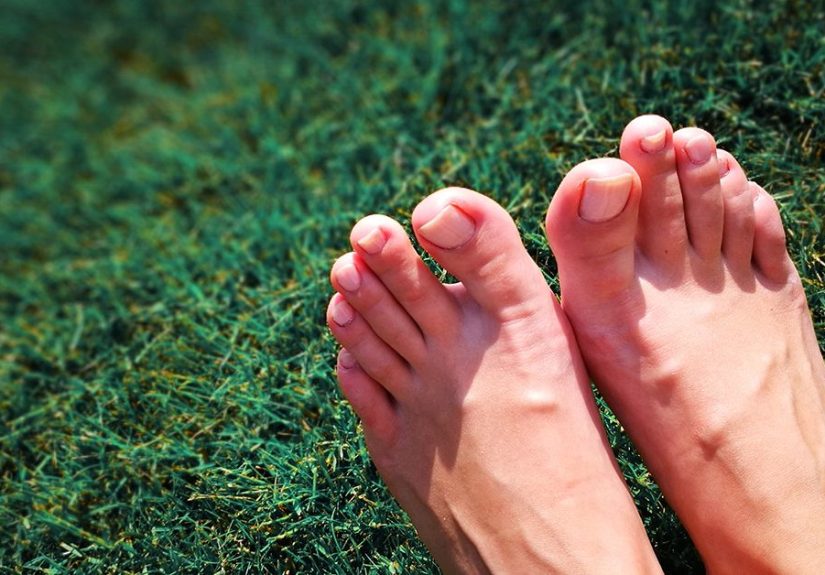
Morton’s toe is a foot structure in which the second toe appears longer than the big toe. The key word there is appears. In many cases, the second toe itself is not unusually long. Instead, the first metatarsal, the long bone behind the big toe, is shorter than the second metatarsal. That difference shifts the visible balance of the foot, making the second toe look like the overachiever of the family.
You may also hear Morton’s toe called Morton’s foot or Greek foot. Whatever the nickname, the basic issue is the same: the front of the foot is arranged a little differently, and that difference can affect how force travels through the forefoot.
It is also important to clear up one of the most common points of confusion on the internet: Morton’s toe is not the same thing as Morton’s neuroma. They share a last name, which is deeply inconvenient, but they are different conditions. Morton’s toe describes a bone-length relationship in the foot. Morton’s neuroma involves irritated, thickened nerve tissue, usually between the third and fourth toes, and often causes burning pain, tingling, or a marble-in-your-shoe sensation.
Does Morton’s Toe Always Cause Pain?
No. Plenty of people have Morton’s toe and go through life with zero symptoms, zero drama, and zero need to buy a special foot gadget at 2 a.m. after reading health forums. A structural variation only becomes a problem when it changes mechanics enough to overload tissues, irritate joints, or make shoes fit badly.
In other words, the toe shape itself is not automatically the villain. Pain usually shows up when Morton’s toe interacts with other factors such as narrow footwear, high heels, long hours on your feet, running, higher-impact exercise, high arches, bunions, toe deformities, or inflammation around the joints in the ball of the foot.
Why Morton’s Toe Can Hurt
1. It can shift pressure to the ball of the foot
The big toe and first metatarsal normally help absorb and transfer a lot of force when you push off during walking. When the first metatarsal is shorter, more of that work may shift toward the second metatarsal head. Translation: the ball of the foot under the second toe may wind up doing extra overtime.
That added pressure can irritate the forefoot and lead to soreness, burning, aching, or the classic “there is definitely a pebble in here, but no pebble exists” feeling. This is one reason Morton’s toe is often discussed alongside metatarsalgia, a broad term for pain and inflammation in the ball of the foot.
2. Shoes may become part of the problem
If the second toe is the most prominent toe, it may hit the front of a shoe sooner than expected. Tight, narrow, pointed, or high-heeled shoes can crowd the toes and increase pressure under the forefoot. Even shoes that technically fit your usual size can be wrong for your actual foot shape.
The result can be rubbing, corns, calluses, nail irritation, joint stress, and a lot of muttering while taking your shoes off at the end of the day.
3. It may contribute to compensations up the chain
When the forefoot hurts, people unconsciously change how they walk. That altered gait can sometimes create secondary discomfort in the big toe joint, arch, ankle, knee, or even hip. Morton’s toe does not guarantee these issues, but if your foot mechanics are already under strain, it can become one piece of a larger puzzle.
Common Symptoms Associated With Morton’s Toe
Symptoms vary widely. Some people mainly notice toe shape. Others notice pain only during certain activities or in certain shoes. Common complaints include:
- Aching, sharp, or burning pain in the ball of the foot
- Tenderness under the second metatarsal head
- A callus under the ball of the foot
- Pain that worsens with standing, walking, running, or going barefoot on hard floors
- Discomfort in narrow shoes or high heels
- A feeling that the second toe jams into the front of the shoe
- Occasional swelling or joint irritation near the base of the second toe
- Progressive toe problems such as hammertoe or capsulitis in some cases
If you have numbness, tingling, or a strong electric or burning sensation between the toes, that may point more toward a nerve issue such as Morton’s neuroma than Morton’s toe itself. Sometimes both can exist in the same foot, which is the body’s way of being unnecessarily complicated.
Conditions Commonly Linked to Morton’s Toe
Metatarsalgia
This is the most common companion diagnosis. Metatarsalgia means pain in the ball of the foot, often related to pressure overload, foot structure, activity, or footwear. If your second metatarsal is taking extra force, metatarsalgia is often the name your provider will use for the painful result.
Calluses
Extra pressure can cause the skin under the forefoot to thicken into a callus. A callus is basically your skin saying, “I see repeated friction and I have decided to armor up.” It is protective, but it can also become painful and make the area feel even more tender.
Hammertoe
If the second toe repeatedly rubs against footwear or begins functioning abnormally over time, it may start bending at the middle joint. This can turn into a hammertoe, especially when shoe crowding, tendon imbalance, or bunion-related crowding is also present.
Capsulitis or irritation at the second toe joint
The joint capsule and surrounding soft tissues at the base of the second toe can become inflamed when they are overloaded. People often describe this as a deep soreness, swelling, or a feeling that the toe joint is unstable or irritated.
Stress reaction or stress fracture
In athletes or very active people, repeated overload under the second metatarsal may contribute to a stress reaction or even a stress fracture. This is one reason persistent forefoot pain should not be shrugged off forever, especially if it is getting worse rather than better.
Morton’s Toe vs. Morton’s Neuroma
Because the names are so similar, this deserves its own section. Here is the simplest way to separate them:
- Morton’s toe: a structural foot shape, usually involving a shorter first metatarsal and a longer-looking second toe.
- Morton’s neuroma: irritated, thickened nerve tissue in the forefoot, commonly between the third and fourth toes.
Morton’s toe may contribute to altered pressure in the forefoot. Morton’s neuroma usually causes nerve-like symptoms such as burning, tingling, sharp pain, or the sense that something is bunched up in the shoe. If your symptoms are mostly numbness and nerve pain, your provider will likely evaluate for a neuroma and other nerve-related causes, not just toe length.
How Morton’s Toe Is Diagnosed
Diagnosis usually starts with a physical exam. A podiatrist, orthopedic foot specialist, or sports medicine clinician will look at your foot shape, toe lengths, areas of tenderness, callus pattern, gait, footwear, and range of motion. They may press under the ball of the foot, watch you stand, and check whether your pain comes from the joint, skin, nerve, or bone.
If symptoms are significant, imaging may be ordered. X-rays can help show bone alignment, relative metatarsal length, arthritis, or a stress fracture. Ultrasound or MRI may be useful if a provider suspects soft tissue damage, capsulitis, a plantar plate problem, or Morton’s neuroma.
That matters because not every long second toe equals the same diagnosis. Sometimes the visible toe shape is harmless, while the real pain source is a bunion, hammertoe, neuroma, arthritis, or a stress injury hiding nearby.
Treatments That Actually Help
For most people, treatment begins conservatively. The goal is not to magically redesign your skeleton. The goal is to reduce abnormal pressure, calm irritated tissues, improve function, and make walking feel less like a daily negotiation.
1. Better footwear
This is usually the first and most effective step. Look for shoes with:
- A wide toe box
- Enough length for the second toe
- Good forefoot cushioning
- A supportive sole that is not floppy
- Lower heel height
If your second toe is the longest toe, shoe fit should be based on that toe, not the big toe. That one detail alone can be a game changer. Many people have been buying the “right” size for years and still cramming their longest toe into a tiny front wall.
2. Metatarsal pads and orthotics
A metatarsal pad can help redistribute pressure away from the irritated area. Placement matters: the pad is usually positioned just behind the painful spot, not directly under it. Custom or over-the-counter orthotics may also help by improving support, reducing overload, and changing how force moves through the foot.
This is especially useful when Morton’s toe is paired with high arches, excessive pronation, bunions, or chronic forefoot pain. Some people do well with a simple supportive insert. Others need a clinician-guided device because random drugstore experiments become expensive very quickly.
3. Activity modification
If pain is flaring, temporarily backing off high-impact activity can help. That may mean less running, jumping, court sports, or long periods of barefoot walking on hard surfaces. Low-impact options such as cycling or swimming are often easier on an irritated forefoot while things calm down.
4. Ice and over-the-counter pain relief
Ice can help reduce irritation after activity. Short-term use of over-the-counter pain relievers, such as NSAIDs, may also help with inflammation and soreness when appropriate for your health situation. If you have a medical reason not to use NSAIDs, talk with your clinician first.
5. Stretching and foot-strength work
If your mechanics are being worsened by tight calves, limited big-toe motion, or weak foot muscles, targeted exercises may help. A clinician or physical therapist may recommend calf stretching, toe mobility work, intrinsic foot strengthening, balance work, or exercises that improve push-off mechanics. Exercise is not a magic wand, but it can be very useful when poor mechanics are feeding the problem.
6. Padding, taping, or toe devices for related problems
If hammertoe, toe rubbing, or joint irritation has developed, pads, spacers, taping, or splinting may reduce symptoms. These tools are not guaranteed to “fix” the underlying structure, but they can make daily life much more comfortable.
7. Injections or surgery in select cases
If pain persists despite good conservative care, a specialist may discuss additional options. In some cases, steroid injections are used for an inflamed joint or nearby soft tissue issue. Surgery is generally reserved for stubborn cases, major deformity, or persistent pain tied to structural overload. Depending on the exact problem, procedures may involve correcting a hammertoe, addressing bunion-related mechanics, or shortening a painful second metatarsal.
Surgery is usually not the opening act. It is the “we tried the sensible things and your foot is still protesting” option.
When to See a Healthcare Professional
Make an appointment if:
- Forefoot pain lasts more than a few days despite changing shoes and reducing activity
- You have swelling, worsening tenderness, or pain when bearing weight
- You notice numbness, tingling, or burning between the toes
- You develop a progressing hammertoe or increasing toe deformity
- You think you may have a stress fracture
- You have diabetes, poor circulation, neuropathy, or recurrent foot sores
Urgent evaluation is wise if the foot becomes suddenly very swollen, red, hot, numb, pale, badly bruised, or too painful to bear weight. A “funny-looking toe” is one thing. A foot that is clearly sending distress signals is another.
Can Morton’s Toe Be Prevented?
The structure itself is not something you prevent once you are born with it. What you can prevent, or at least reduce, are the painful consequences. The best prevention strategies are wonderfully unglamorous:
- Wear shoes that fit the shape and length of your actual foot
- Limit narrow, pointed, or high-heeled shoes when symptoms flare
- Replace worn-out athletic shoes
- Use inserts or pads if they clearly reduce pressure
- Build activity gradually instead of leaping from “mostly sitting” to “training like a movie montage”
- Address bunions, hammertoes, and other mechanical issues early
Frequently Asked Questions
Is Morton’s toe genetic?
It often appears to run in families, and many people are simply born with this foot structure. That does not mean every family member will have symptoms.
Can Morton’s toe cause knee or hip pain?
It can contribute indirectly if it changes how you walk, especially when forefoot pain leads to compensation. But knee or hip pain can have many causes, so it is best not to blame the toe for everything from a bad squat to global unrest.
Do toe spacers cure Morton’s toe?
Not exactly. They may reduce crowding and friction in some people, but they do not change metatarsal length. Think of them as symptom-management tools, not architectural renovation.
Is going barefoot better?
Sometimes yes, sometimes absolutely not. If hard floors or barefoot walking make the ball of your foot hurt more, then barefoot is not your friend right now. People with irritated forefoot joints often do better with cushioning and support.
Real-World Experiences People Commonly Report
One reason Morton’s toe can be frustrating is that the experience is often subtle at first. Many people do not start with dramatic pain. They start with little clues. Their second toe always seems to hit the front of a shoe first. One sneaker feels fine in the store but strangely annoying after a long walk. They develop a stubborn callus in the same spot and assume it is normal because they are active. Months later, the pattern becomes obvious: standing for long periods hurts, certain shoes are unbearable, and barefoot walking across a hard kitchen floor feels weirdly sharp.
Runners often describe the problem as a forefoot “hot spot.” They may feel fine at the beginning of a run, then notice increasing discomfort under the ball of the foot once the mileage adds up. Some say it feels like a bruise. Others say it feels like they are pushing off through one tiny, overloaded point instead of the whole forefoot. When they switch into roomier shoes or add a properly placed metatarsal pad, the difference can be immediate enough to make them wonder why they waited so long.
People who work on their feet all day, such as retail staff, nurses, servers, teachers, and warehouse workers, often report a different pattern. Their pain may not spike during a workout. It builds gradually across the day. By evening, the ball of the foot feels sore, the second toe feels jammed, and the front of the shoe suddenly feels about two sizes too small. They get home, kick off their shoes, and discover a tender callus or swelling near the base of the second toe. What looked like “just tired feet” turns out to be a mechanical issue that has been quietly repeating itself for hours every day.
Then there is the special occasion crowd. These are the people who can tolerate dress shoes for exactly one wedding, one conference, one formal dinner, or one holiday party before their feet stage a rebellion. They may not notice Morton’s toe in daily sneakers at all, but high heels or pointed shoes turn it into the main character. The second toe rubs, the forefoot burns, and by the end of the night they are smiling politely while mentally drafting an open letter against narrow toe boxes.
Another common experience is confusion. People often search for answers and land on Morton’s neuroma content instead of Morton’s toe content. They read about nerve pain, feel uncertain, and are not sure whether their issue is a toe shape, a nerve problem, or both. That is why a good exam matters. The treatment for an overloaded second metatarsal is not always the same as the treatment for an irritated interdigital nerve, even though both can make the front of the foot miserable.
Perhaps the most encouraging real-world pattern is this: many people improve with simple changes. Not glamorous changes. Not “ancient miracle” changes. Just practical ones. Better shoes. A roomier toe box. Less time in heels. A supportive insert. Reduced impact for a few weeks. Maybe some stretching. Maybe help from a podiatrist or physical therapist. Feet are stubborn, but they are also surprisingly grateful when you stop asking them to do marathon-level work inside fashion-shaped cages.
Conclusion
Morton’s toe is usually a normal anatomical variation, not a dangerous diagnosis. But normal does not always mean comfortable. When the first metatarsal is shorter and the second ray takes on extra pressure, pain can show up in the form of metatarsalgia, calluses, hammertoe, or irritation at the base of the second toe. The smartest approach is usually conservative: better shoes, pressure redistribution, activity tweaks, and a proper evaluation if symptoms persist.
The bottom line is simple. If your second toe is longer but painless, you probably just have a distinctive foot shape. If it hurts, it is worth treating the mechanics early before a small annoyance becomes a full-time foot complaint. Your feet carry you everywhere. They deserve at least one pair of shoes that is not actively fighting them.