Table of Contents >> Show >> Hide
- Can You Harvest Seed from Any Grass?
- Why Harvest Grass Seed in the First Place?
- When Is Grass Seed Ready to Harvest?
- Tools You Will Need
- How to Harvest Grass Seed Step by Step
- How to Dry Grass Seed Properly
- Threshing: Getting the Seed Out
- Cleaning the Seed
- How to Store Grass Seed
- How to Test Germination Before Planting
- Common Mistakes to Avoid
- When It Makes More Sense to Buy Seed Instead
- Real-World Experience: What Harvesting Grass Seed Actually Feels Like
- Conclusion
- SEO Tags
Harvesting grass seed sounds like one of those wonderfully wholesome projects that should involve sunshine, a straw hat, and a soundtrack featuring birds with excellent timing. In reality, it is a little more hands-on, a little more dusty, and a lot more about timing than most people expect. The good news? If you do it right, harvesting your own grass seed can save money, help you preserve a grass variety you like, and give you a better understanding of how your lawn, pasture, or native planting actually works.
The trick is not just grabbing seed heads and hoping for the best. Good grass seed harvest depends on knowing when the seed is mature, how to collect it without losing half of it to the wind, and what to do afterward so it stays viable instead of turning into a sad jar of dusty disappointment. This guide walks through the whole process, from choosing the right grass to drying, cleaning, and storing seed like someone who has learned not to trust plastic bags full of damp plant material.
Can You Harvest Seed from Any Grass?
Not always. This is the first thing to understand before you march outside with scissors and optimism. Some grasses produce viable seed that can be harvested and replanted successfully. Others do not. Certain turfgrasses, especially some popular warm-season lawn types, are sterile hybrids or are commonly established by sod, sprigs, plugs, or other vegetative methods instead of seed.
That means if you are planning to harvest seed from a home lawn, you need to identify the grass first. Seed-producing grasses such as tall fescue, perennial ryegrass, Kentucky bluegrass, and some native grasses are better candidates. But if your lawn includes hybrid bermudagrass, some zoysia types, or a commercial blend with multiple cultivars, the seed you collect may be sparse, inconsistent, or simply not true to the lawn you already have.
So before doing any harvesting, ask yourself these questions:
- What species of grass am I dealing with?
- Is it a seed-propagated type or a vegetatively propagated type?
- Is this a single species or a mix of cultivars?
- Am I harvesting from a lawn, pasture, meadow, or native planting?
If you cannot identify the grass, do that first. Harvesting mystery seed is a little like cooking with an unlabeled freezer bag. You can do it, but the ending might be strange.
Why Harvest Grass Seed in the First Place?
There are several good reasons to do it. Maybe you have a patch of grass that performs beautifully in your soil and climate, and you want more of it. Maybe you manage a larger landscape, field edge, or native planting and want to collect seed economically. Maybe you simply enjoy self-sufficiency and like the idea of turning one healthy stand of grass into future planting material.
Harvesting your own seed can also be useful when you want:
- Seed for patch repairs in non-fussy areas
- Material for a native or restoration planting
- A low-cost way to expand a successful stand
- Hands-on experience with seed saving and plant cycles
That said, harvested seed is not always a substitute for professionally cleaned, tested seed. If you need certified purity, known germination rates, exact cultivar performance, or weed-free seed for a major lawn renovation, buying quality seed is often the smarter move.
When Is Grass Seed Ready to Harvest?
This is where success or failure usually happens. Harvest too early, and the seed may be immature, lightweight, and weak. Harvest too late, and the seed may shatter, drop, or blow away before it ever reaches your bucket.
Look for These Signs of Maturity
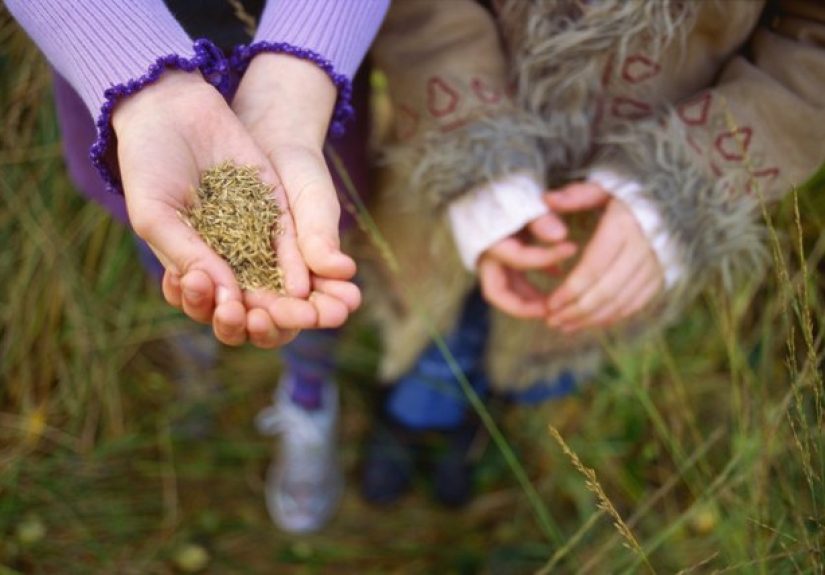
Grass seed is generally ready when the seed heads have dried down and changed color from green to tan, straw, or light brown. The seed should feel firm rather than soft or milky. In many grasses, ripe seed will loosen from the head when rubbed between your fingers. If the whole seed head falls apart easily in your hand, that often means you are right on timeor maybe a day late if the wind has been doing free harvesting on your behalf.
Because grasses do not all ripen evenly, expect some variation. Even within one patch, some heads may be ready before others. That is normal. You are aiming for the sweet spot when most of the seed is mature but has not yet dropped.
Best Time of Day to Harvest
Harvest on a dry day after dew has evaporated. Mid-morning to afternoon is usually best. Wet seed invites mold, clumping, and storage trouble. It also sticks to everything except your plans.
Best Time of Year
The season depends on the grass species. Cool-season grasses often mature from late spring into summer. Warm-season grasses usually ripen later, often from late summer into fall. Native grasses vary widely, so species identification matters. In short, do not harvest by calendar alone. Harvest by maturity.
Tools You Will Need
You do not need a combine for a backyard or small-scale harvest. You just need simple, practical supplies:
- Garden scissors or hand pruners
- Paper bags or breathable cloth bags
- A permanent marker for labeling
- Gloves
- A bucket or tote for carrying bags
- Screens or mesh for cleaning
- A tarp, tray, or shallow pan for drying
- A small fan for winnowing chaff
- Glass jars, envelopes, or airtight containers for storage
Avoid collecting in sealed plastic bags if the seed is even slightly damp. Plastic holds moisture, and moisture is the fast lane to mold.
How to Harvest Grass Seed Step by Step
Step 1: Choose the Right Plants
Select healthy, vigorous plants with good color, strong growth, and clean seed heads. Skip plants that look diseased, infested with insects, or heavily contaminated with weeds. If you are harvesting from a native stand, collect from multiple plants spread across the area rather than stripping one clump bare. That helps preserve diversity and leaves seed behind for natural reseeding.
Step 2: Label Before You Start
Write the species name, date, and collection location on each bag before harvesting. This sounds boring until you get home with three nearly identical paper bags of “probably grass.” Then it becomes character-building.
Step 3: Collect the Seed Heads
You have a few options depending on the grass and how ripe it is:
- Hand stripping: Hold the seed head and pull upward into a bag or container. Mature seed often slips off easily.
- Clipping: Cut off mature seed heads with a few inches of stem attached and place them in a paper bag.
- Bag-and-shake method: Slip a paper bag over the head, shake or rub the seed loose, then remove the stem.
For small home harvests, clipping entire seed heads is often the easiest and least messy approach. It also gives you a little more control when the breeze decides to get involved.
Step 4: Keep the Harvest Dry and Airy
Once collected, keep bags open or loosely folded so moisture can escape. Do not leave harvested seed in a hot car, in direct sun, or in a packed heap overnight. Seed needs airflow, not a steam room.
How to Dry Grass Seed Properly
Drying is not optional. Even seed that seems dry from the field may hold enough moisture to spoil in storage. Spread the collected heads or loose seed in a thin layer on a screen, tray, tarp, or shallow box in a warm, well-ventilated place out of direct sunlight. A garage, shed, covered porch, or indoor room with moving air can work well.
If you harvested a larger amount, keep the layer shallow. Thin is good. Thick is trouble. Turn or stir the material every day or two so drying is even.
How long does drying take? Usually several days to a couple of weeks, depending on humidity, air movement, and how green the material was at harvest. The seed should feel dry, crisp, and free-flowing before you move on.
Simple Dryness Clues
- The seed separates more easily from the head
- Stems and husks feel papery, not flexible
- The seed no longer feels cool or damp in your hand
- The material rustles instead of bending
Threshing: Getting the Seed Out
Threshing is just the fancy word for separating the seed from the seed head. On a home scale, you can do this with pleasantly low-tech methods:
- Rub the dry heads between gloved hands over a clean tray
- Roll the heads gently inside a paper bag
- Rub the material across a hardware cloth screen or mesh
- Beat the dried heads lightly inside a container or on a tarp
The goal is to free the seed without crushing it. If you get too aggressive, you may damage seed coats or produce a mess of broken chaff and plant confetti.
Cleaning the Seed
After threshing, you will have a mixture of seed, chaff, bits of stem, and maybe the occasional tiny hitchhiker. Cleaning does not have to be perfect for personal use, but cleaner seed stores better and is easier to sow evenly.
Use Screens
Run the material through screens or sieves with different mesh sizes. Large debris stays behind first, then finer trash can be separated with smaller screens.
Try Winnowing
Pour the seed-chaff mix slowly from one container to another in front of a gentle fan or natural breeze. Lighter chaff blows aside while heavier seed falls into the clean container. Gentle is the key word here. You want a helpful breeze, not a seed migration event.
Sort by Hand if Needed
For very small batches, hand-picking obvious stems, awns, and weed seeds is perfectly fine. No one is grading you with a clipboard.
How to Store Grass Seed
Once the seed is fully dry and reasonably clean, store it in a cool, dark, dry place. Paper envelopes work well for short-term storage if humidity is low. For longer storage, many gardeners prefer glass jars or airtight containers after the seed is thoroughly dried. Always label the container with the species, source, and date.
Good storage spots include a cool closet, basement, refrigerator, or other stable environment away from heat and moisture. If you refrigerate or freeze seed, make sure it is very dry first and protected from condensation.
Storage Tips That Actually Matter
- Never store damp seed in an airtight container
- Keep seed away from sunlight and big temperature swings
- Use small packets or jars so you open only what you need
- Check periodically for mold, odor, or insect activity
Properly stored seed may remain viable for more than one season, but longevity varies by species and storage conditions. If the seed is important, test it before planting.
How to Test Germination Before Planting
If you want to avoid broadcasting hope and calling it strategy, do a germination test. Place 25 to 50 seeds on a moist paper towel, roll or fold it, and keep it in a warm place inside a loosely closed plastic bag or container. Check every few days and count how many seeds sprout.
If only half germinate, raise your seeding rate accordingly. If germination is very poor, the seed may have been harvested too early, dried poorly, or stored badly. Or the grass may simply be one of those species that likes to be mysterious.
Common Mistakes to Avoid
- Harvesting too early: Immature seed often looks full enough but performs poorly.
- Harvesting too late: Mature grass seed shatters fast, especially in wind.
- Using plastic for damp material: Excellent for mold, not excellent for seed.
- Skipping identification: Not all grasses are worth collecting, and some do not come true from seed.
- Storing before fully dry: A classic shortcut with very unclassy results.
- Ignoring weeds: You may end up planting a bonus crop you absolutely did not order.
When It Makes More Sense to Buy Seed Instead
Harvesting your own grass seed is practical, but it is not always the best choice. Buy fresh, tested seed when you need:
- Large quantities for a full lawn or field renovation
- Known germination and purity percentages
- Certified weed-free material
- Specific turf performance traits such as disease resistance or uniform texture
- A cultivar blend designed for your region and site conditions
Home-harvested seed is best for small-scale use, experimentation, restoration, and learning. Certified seed is best when consistency matters more than the romance of doing it yourself.
Real-World Experience: What Harvesting Grass Seed Actually Feels Like
Here is the part many how-to articles skip: harvesting grass seed is a wonderfully practical task that teaches you patience in a very direct way. The first time you try it, you will probably think the seed is ready before it really is. Then you will wait a few more days, come back feeling smarter, and discover that some of the ripest seed has already started dropping. Congratulations. You have now learned the central lesson of seed harvest: nature enjoys making you negotiate.
In small-scale, real-world harvesting, the biggest difference between a frustrating afternoon and a productive one is preparation. If your bags are labeled, your tools are clean, and you have a drying area ready before you start, the whole job feels easy. If not, you will end up juggling seed heads, guessing which bag is which, and spreading plant material across whatever flat surface is available while promising yourself you will “organize it later.” You will not organize it later. Do it first.
Another practical truth is that grass seed harvest rewards observation more than force. When the seed heads are truly ready, many of them almost volunteer. A quick rub in your fingers loosens the seed. A clipped head dries down nicely. A little shake over a bag produces a satisfying sprinkle. When the seed is not ready, everything feels stubborn. You tug, twist, and over-handle the plant, and the harvest still looks skimpy. That is your cue to stop fighting the grass and try again after a few dry days.
Drying is where patience shows up for round two. Freshly cut seed heads can look dry and still hide enough moisture to cause trouble in storage. Spread them out thinly, give them airflow, and leave them alone except for the occasional stir. This part is not glamorous, but it is the difference between seed that stores well and seed that smells like an old hay bale with regrets.
Cleaning also teaches a useful lesson: “perfect” is not the goal for most home growers. Cleaner seed is better, yes, but you do not need laboratory-grade polish to get good results in a garden or informal planting. A screen, a tray, and a light breeze or fan can do a surprisingly solid job. The first time you winnow seed successfully, it feels like a tiny agricultural magic trick. The first time you use too much wind and launch half your harvest sideways, it feels educational in a more dramatic way.
Perhaps the most valuable experience of all is learning that seed quality begins long before harvest day. Healthy plants produce better seed. Weedy stands produce questionable surprises. Drought stress, disease, and poor timing all show up later in germination. In that sense, harvesting grass seed is not just a fall or summer task. It is the final chapter of a whole growing season.
And there is something undeniably satisfying about sowing seed you collected yourself. It makes you pay attention to the cycle from growth to flowering to maturity to storage to regrowth. That is a useful skill whether you are managing a backyard patch, a native planting, or just trying to become the kind of person who knows the difference between “seed ripe” and “not yet, champ.”
Conclusion
If you want to harvest grass seed successfully, focus on four things: identify the right grass, collect seed at true maturity, dry it thoroughly, and store it in cool, dry conditions. Everything else is detail work. Those details matter, but the basic formula is simple.
Whether you are saving seed from a favorite patch of tall fescue, gathering native grass seed for a restoration project, or just experimenting with self-reliance in the yard, the process is equal parts timing, observation, and restraint. Harvest too soon and the seed is immature. Wait too long and the plant harvests itself. But catch it at the right moment, and you get seed that is alive, useful, and ready for another season.
In other words, harvesting grass seed is not hard. It just refuses to be rushed. Which, honestly, is a pretty fair lesson from any good garden.