Table of Contents >> Show >> Hide
- Why Cold Water Sometimes Falls Short
- 1. Kitchen Towels and Pot Holders
- 2. Grease-Stained Aprons, Chef Coats, and Workwear
- 3. Reusable Cleaning Cloths, Mop Heads, and Dusting Pads
- 4. Machine-Washable Reusable Grocery Bags
- 5. Underwear, Socks, and Cloth Diapers
- 6. Sheets and Pillowcases from Sick Beds or Messy Nights
- 7. Bath Towels and Bath Mats
- 8. Dingy White Cottons and Heavily Soiled Whites
- When Cold Water Is the Better Choice
- How to Choose the Right Temperature Without Overthinking It
- Conclusion
- Real-Life Laundry Lessons: Experience Is a Very Judgmental Teacher
Cold water gets a lot of love these days, and honestly, it deserves some of it. It can help protect colors, reduce fading, lower energy use, and treat many everyday loads just fine. For dark T-shirts, lightly worn clothes, and delicate fabrics, cold water is often the sensible adult in the room.
But let’s not give it superhero status it didn’t earn.
Some items come out of life carrying grease, body oils, bacteria, odors, food residue, or the kind of mystery grime that makes you squint and say, “What exactly happened here?” For those loads, cold water can be a little too chill. It may freshen things up on the surface, but it often doesn’t cut through oily buildup or help you get the deep clean you actually want.
That’s why laundry experts, appliance brands, cleaning organizations, and food-safety sources all land on the same big idea: cold water is great for many loads, but not all loads. Certain items need warm or hot water, or at least the warmest temperature their care labels allow, to get fully clean.
So if your washing machine has become a one-temperature household monarchy, it may be time for a gentle uprising. Here are eight items you should stop automatically washing in cold water, plus what to do instead.
Why Cold Water Sometimes Falls Short
Before we get to the list, here’s the short version. Warm and hot water tend to do a better job when your laundry problem involves one or more of these four issues:
- Grease and oil: Oily residue is stubborn, and warmer water helps loosen it.
- Heavy soil: Dirt, sweat, makeup, and ground-in grime usually need more than a cool rinse with ambition.
- Sanitation: When germs, bodily fluids, food spills, or bathroom textiles are involved, warmer temperatures are often more appropriate.
- Dinginess: Whites and sturdy cottons can come out looking cleaner and brighter when washed warmer.
One important caveat: the care label always wins. “Never wash in cold water” is a catchy headline, but the real rule is this: don’t default to cold when the item clearly needs a deeper clean. If the fabric can only tolerate warm water, use warm. If it can handle hot, great. If it’s delicate, follow the label and use other tools like pretreating, longer cycles, or a sanitizer product where appropriate.
1. Kitchen Towels and Pot Holders
Kitchen towels are tiny textile chaos agents. One minute they’re drying clean hands, the next they’re wiping up pasta sauce, catching bacon grease, mopping up chicken juice, or hanging out next to the sink collecting mystery splashes from breakfast, lunch, and dinner.
Cold water often struggles with this kind of load because food oils and greasy residue do not dissolve as effectively in cool temperatures. That means your towels may come out looking okay but still carrying residue, odor, or that faint “I’ve seen things” kitchen smell.
Pot holders have a similar problem. They may not look filthy, but they often collect cooking oils, spills, and baked-on splatters. Washing them cold is like asking a paper napkin to handle a garage spill. Technically, something happened. Practically, not enough happened.
What to do instead
Wash kitchen towels and cotton pot holders in warm or hot water, depending on the care label. Keep them separate from everyday clothing when they’re heavily soiled. Use a good detergent, skip fabric softener if absorbency matters, and dry them thoroughly. Damp towels plus leftover food residue is how you end up with a smell that says “old soup,” and nobody needs that in the kitchen.
2. Grease-Stained Aprons, Chef Coats, and Workwear
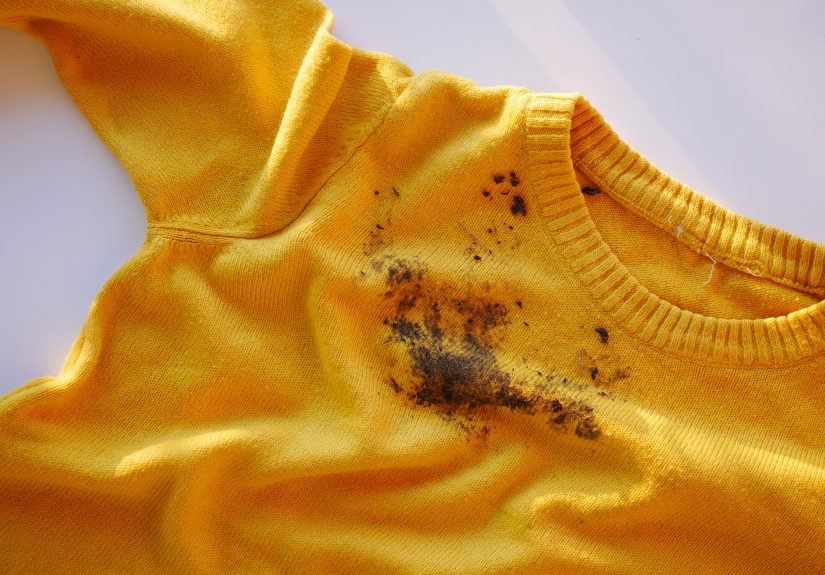
If an item has visible oil, butter, salad dressing, motor oil, cooking grease, lotion buildup, or greasy collar grime, cold water is usually not your best move. Oil and water were never best friends, and cold water does not exactly help their relationship.
This is especially true for aprons, restaurant uniforms, garage clothes, and anything worn during messy cooking or hands-on work. Cold water can leave greasy residue behind, which is why some garments come out of the wash looking clean until you spot that dark halo under better lighting. Laundry has a cruel sense of humor.
What to do instead
Pretreat greasy stains first while the fabric is dry. A little liquid detergent or dish soap worked into the stain can help break down the oil. Then wash the item in warm or hot water, whichever is safest for the fabric. Most importantly, do not put it in the dryer until you’re sure the stain is gone. Heat can make leftover grease set in more stubbornly, and then your shirt becomes a permanent memorial to last Tuesday’s vinaigrette.
3. Reusable Cleaning Cloths, Mop Heads, and Dusting Pads
The cloths you use to clean your house should not come out of the wash still carrying the house. Yet that’s exactly what can happen when bathroom cloths, floor pads, reusable dusters, or all-purpose cleaning rags get washed in cold water by default.
These items pick up everything: soap scum, bathroom residue, kitchen grease, floor grime, spilled cleaner, dust, pet hair, and whatever was living behind the toilet before you bravely discovered it. A cold wash may remove some surface dirt, but it often isn’t enough for a truly clean reset.
Microfiber cloths deserve a special mention here. They are excellent at trapping dirt and oil, which is precisely why they need a proper wash cycle and why they should usually be washed separately from linty fabrics. Their job is to hold onto grime. Your job is to help them let go.
What to do instead
Wash reusable cleaning textiles in warm or hot water, according to their care instructions. Separate kitchen and bathroom cleaning cloths from regular clothes. Avoid fabric softener on microfiber, since it can reduce performance. And yes, dry them completely. A damp mop head left half-clean is basically an invitation for funky smells to start a committee meeting.
4. Machine-Washable Reusable Grocery Bags
Reusable grocery bags are wonderful for the planet and slightly terrifying for food safety if you never wash them. Fabric bags can collect produce residue, dairy drips, meat leaks, crumbs, sticky spots, and the occasional exploded berry situation. The problem is that many of these spills are invisible once they dry.
That means a bag can look perfectly innocent while quietly hosting yesterday’s raw chicken drama. Cold water is not the best choice for that kind of cleanup, especially for cotton or canvas bags that are designed to be machine washed.
What to do instead
If the bag is machine washable, use warm or hot water according to the care label, especially if it carried meat, poultry, seafood, or anything that leaked. Wash those bags regularly, not once every lunar cycle. For insulated or coated bags that can’t go in the washer, hand wash them in warm soapy water and let them dry completely before using them again.
5. Underwear, Socks, and Cloth Diapers
There are some loads where this article stops being playful and starts being practical. Underwear, socks, and cloth diapers fall into that category. These items come into close contact with sweat, body oils, bacteria, and sometimes fecal matter. In other words, they’re not exactly a “refresh on cold and call it a day” situation.
Cold water may be fine for certain lightly worn garments, but hygiene-heavy items usually benefit from warmer temperatures. This is especially true when the load is visibly soiled or you’re trying to eliminate odor that keeps coming back, even after washing.
Cloth diapers are their own high-maintenance universe. They often need a specific wash routine, but in general, they should not be treated like regular baby laundry floating through a cold cycle and hoping for the best.
What to do instead
Wash underwear, socks, and cloth diapers in warm or hot water as allowed by the care label. If bodily fluids or fecal contamination are involved, rinse or soak first in cold water to help remove the stain, then wash hot or on the warmest safe setting. That “cold first, then hot” sequence matters. It helps prevent stains from setting while still giving the item the deeper wash it needs.
6. Sheets and Pillowcases from Sick Beds or Messy Nights
Not every sheet set needs a hot-water spa day. In fact, some fabrics, like linen, satin, or specialty bedding, may do better in cold or warm water. But when bedding is loaded with sweat, body oils, cold-and-flu germs, drool, vomit, or other bodily fluid messes, cold water is not the smartest default.
This is one of those moments where the goal shifts from “keep the fabric pretty” to “please make this genuinely clean.” If someone in the house has been sick, or if the bedding is heavily soiled, a warmer wash helps tackle both buildup and hygiene concerns more effectively.
What to do instead
Check the care label first, then wash on the warmest or hottest safe setting. Pretreat any visible stains before washing. If the stain is protein-based, like blood or certain body-fluid stains, start with a cold rinse first, then move to a warmer wash. Dry bedding thoroughly, because half-dry sheets are a short path to mustiness and regret.
7. Bath Towels and Bath Mats
Bath towels may look clean because they were only used on a “clean body,” but that logic falls apart pretty quickly. Towels collect skin cells, body oils, product residue, dampness, and bathroom bacteria. Bath mats have it even rougher, spending their lives in a moist room while catching water, dirt, and foot traffic like tiny terry-cloth bodyguards.
Cold water can freshen these items, but for a deep clean, many sturdy cotton towels and bath mats do better in warm or hot water. This becomes especially important when towels smell sour, have been left damp too long, or belong to a household where someone has been sick.
What to do instead
Use warm or hot water if the care label allows it. Keep towels away from overuse of fabric softener, which can reduce absorbency over time. Give them enough room in the washer to actually move around, and dry them completely. A towel that still smells weird after washing is telling you something, and that something is usually, “Hello, I needed a warmer cycle.”
8. Dingy White Cottons and Heavily Soiled Whites
White socks, undershirts, washcloths, and sturdy cotton basics often lose their brightness when they’re washed cold all the time. Over time, body oils, sweat, deodorant residue, and everyday grime can build up, leaving them looking gray, yellowed, or just generally disappointed.
Cold water helps preserve many colored garments, but it doesn’t always do enough for white cottons that need a stronger clean. This is especially true for items that are worn close to the skin or pick up visible soil. If your white socks now resemble existential beige, your wash temperature may be part of the problem.
What to do instead
Wash sturdy white cotton items in warm or hot water, depending on the label. Use a good detergent, pretreat stains early, and consider a laundry booster if needed. This doesn’t mean every white item should be boiled like Victorian table linens. It simply means whites that can handle warmer water often look better when you stop treating them like delicate dark denim.
When Cold Water Is the Better Choice
To be fair to cold water, it is absolutely the right move for plenty of loads. It often works best for:
- Dark colors that fade easily
- Delicate fabrics
- Items prone to shrinking
- Many lightly soiled everyday clothes
- Protein-based stains during the first rinse or pretreat step
So no, this is not a campaign against cold water. It’s more like a friendly intervention. Cold water is great when it matches the load. It just shouldn’t be your one-size-fits-all answer to every laundry problem from lipstick to raw-chicken tote bags.
How to Choose the Right Temperature Without Overthinking It
If you want one easy rule, use this: match the water temperature to the mess, not just the fabric color.
- Choose cold for delicates, darks, bright colors, and lightly worn clothing.
- Choose warm for everyday mixed loads, moderate soil, towels, and many household textiles.
- Choose hot for sturdy items that need deep cleaning, grease removal, whitening, or extra hygiene.
And always, always read the care label before you go full laundry warrior.
Conclusion
Cold water deserves a permanent place in your laundry routine, but it should not run the whole kingdom. Some items need more muscle, more sanitation, and more stain-fighting power than a cold cycle can reliably provide. Kitchen towels, greasy workwear, reusable cleaning cloths, grocery bags, underwear, sick-bed bedding, bath textiles, and dingy white cottons all tend to come cleaner when you move beyond cold.
The smartest laundry habit is not “wash everything hot” or “wash everything cold.” It’s knowing when cold water is enough and when it’s just being polite. And when your towels smell like yesterday’s spaghetti even after washing, that’s not your imagination. That’s your washing machine asking for a warmer plan.
Real-Life Laundry Lessons: Experience Is a Very Judgmental Teacher
If you have ever pulled a load out of the washer and thought, “Technically these are clean, but emotionally I disagree,” you already understand this topic on a deeply personal level. Water temperature seems like a tiny decision until your laundry starts tattling on you.
Take kitchen towels, for example. Almost everyone has had that moment when a towel comes out of the wash smelling vaguely like old frying oil and disappointment. It looks fresh. It was washed with detergent. It even has that just-laundered fluff. And yet the second it gets damp again, it releases the ghost of three taco nights and one suspicious soup spill. That is usually your sign that cold water gave the towel a motivational speech instead of a real clean.
Then there are bath towels, which love to trick us. We tell ourselves they are not that dirty because we only use them after showering. Sounds logical, right up until the towel starts smelling sour halfway through the week. At that point, it becomes clear that “I was clean when I used it” is not a laundry strategy. Damp cotton, body oils, humidity, and a bathroom environment are enough to build a whole tiny ecosystem if you keep defaulting to cold water and under-drying everything.
White socks are another humbling category. Few things expose a lazy laundry routine faster than white socks turning the color of unsalted oatmeal. They begin life bright and optimistic, then slowly drift into a shade best described as “historic gym floor.” Many people assume this is inevitable with age. Sometimes it is. But sometimes those socks are simply begging for warmer water, stain treatment, and a little more respect.
Reusable grocery bags also have a way of teaching memorable lessons. One invisible leak from a package of chicken or a cracked yogurt cup, and suddenly the tote bag you keep in your trunk is no longer just a tote bag. It is a science project with handles. You may not see the spill later, but your nose eventually files a formal complaint. Warm or hot washing for machine-safe bags is one of those habits that feels unnecessary until the day it feels extremely necessary.
And of course, there is the classic household mop-head tragedy. You wash it in cold water, toss it back in the closet, and a few days later the whole hallway smells like a swamp made a real-estate investment. That smell is your reward for being too optimistic about what cold water can do to floor grime.
The bigger lesson is simple: laundry is less about rules and more about reading the situation honestly. A black T-shirt you wore to dinner is not the same as a dish towel that helped clean up bacon grease. A satin pillowcase is not the same as sick-day bedding. A lightly worn blouse is not the same as underwear, bath mats, or a canvas grocery bag that survived a leaking carton of half-and-half.
Experience teaches this the hard way, usually through odors, lingering stains, dingy whites, or a towel that somehow smells worse after washing. Once that happens a few times, you stop asking, “Can I wash this in cold water?” and start asking the better question: “What does this load actually need?” That is when laundry gets easier, cleaner, and much less weird.