Table of Contents >> Show >> Hide
- What Makes Bread Stuffing “Old-Fashioned”?
- Why the Bread Matters More Than People Think
- How to Make Old-Fashioned Bread Stuffing Step by Step
- How to Make It Taste Better Than Basic
- Common Stuffing Mistakes to Avoid
- What to Serve With Old-Fashioned Bread Stuffing
- Make-Ahead Tips for Busy Cooks
- Why Old-Fashioned Bread Stuffing Still Deserves a Spot on the Table
- Experiences With Old-Fashioned Bread Stuffing: Why People Keep Coming Back to It
- Conclusion
Old-fashioned bread stuffing is one of those dishes that refuses to go out of style, and honestly, good for it. While trendier sides show up wearing goat cheese, pomegranate seeds, and a lot of confidence, classic stuffing walks in with butter, onion, celery, herbs, and a golden top and still steals the show. It is humble, nostalgic, and deeply practical. It also happens to make the whole kitchen smell like the holiday season decided to rent the place.
At its core, old-fashioned bread stuffing is comfort food engineering. Dry bread soaks up broth and flavor. Butter carries richness. Onion and celery bring sweetness and savoriness. Sage, parsley, and thyme add that unmistakable “yes, it’s definitely a holiday meal” aroma. Whether you serve it with turkey, roast chicken, pork loin, or a random Wednesday rotisserie bird from the grocery store, this dish still works because the formula is simple and smart.
This guide breaks down what makes old-fashioned bread stuffing classic, how to get the texture right, what mistakes to avoid, and how to make it taste like the version people remember from childhood, only better. Think of it as vintage comfort with modern common sense.
What Makes Bread Stuffing “Old-Fashioned”?
Old-fashioned bread stuffing is not flashy. That is part of its charm. It usually starts with plain white bread or another sturdy loaf, not sweet bread, not heavily seeded bread, and not something so artisanal it feels like it needs its own publicist. The flavor base is equally classic: butter, celery, onion, broth, sage, parsley, thyme, salt, and pepper. Some families add eggs for structure. Others swear by a splash more broth and call eggs unnecessary. Welcome to holiday cooking, where every household has a tradition and a very strong opinion.
What separates old-fashioned stuffing from more modern versions is restraint. The goal is not to pack in every mix-in known to humankind. The goal is balance. You want bread that still tastes like bread, aromatics that soften without disappearing, and herbs that support the dish instead of turning it into a potpourri casserole. If you add sausage, apples, pecans, oysters, mushrooms, or dried fruit, you are still in stuffing country, but the truly old-school version tends to keep things simple.
The Classic Ingredient Lineup
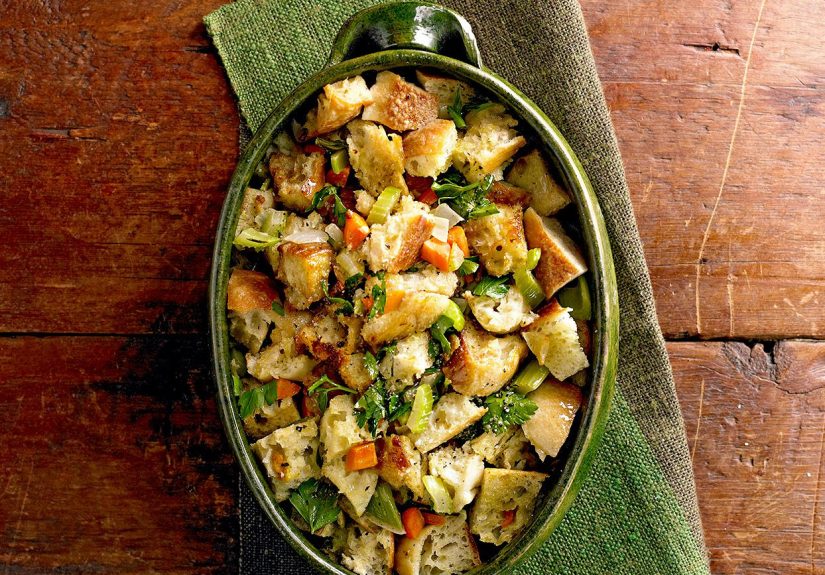
A traditional pan of old-fashioned bread stuffing usually includes dried bread cubes, butter, chopped onion, chopped celery, broth, sage, parsley, thyme, salt, and black pepper. Eggs are optional but common, especially in family recipes that want a slightly more cohesive, spoonable texture. Garlic shows up in some versions, but usually in a polite amount. This is not garlic bread’s holiday cousin. It knows how to behave.
Why the Bread Matters More Than People Think
If you remember only one thing about making great stuffing, make it this: fresh bread is usually too soft. Bread that is dried out, either overnight or in a low oven, absorbs liquid better and holds its shape. That means the finished stuffing tastes moist instead of soggy and tender instead of mushy. It is the difference between “Please pass the stuffing” and “Why is the spoon standing upright in this pan?”
The best breads for old-fashioned stuffing are sturdy and fairly neutral. Country white bread, sandwich bread with some structure, French bread, Italian bread, and mild sourdough are all strong options. Bread with a tight crumb usually gives you a more even texture than wildly holey artisan loaves. You want cubes that can absorb broth without collapsing into paste.
Crusts are optional. Some cooks keep them for texture and deeper flavor. Others trim them for a softer, more uniform result. There is no stuffing police. Choose the texture you like and commit.
How to Dry Bread Properly
You can cube the bread and let it sit out for a day or two, or dry it in the oven at a low temperature until it feels crisp and dry. Oven-drying is faster and more reliable, especially when life forgets to leave room for “air-dry bread for 36 hours” on the calendar. The cubes should feel dry all the way through, not just toasty on the edges.
How to Make Old-Fashioned Bread Stuffing Step by Step
1. Build the Aromatic Base
Start by melting butter in a large skillet or Dutch oven. Add chopped onion and celery and cook until softened and fragrant. You are not looking for deep caramelization here. You want the vegetables tender, sweet, and mellow. This stage lays the foundation for the entire dish, so do not rush it like you are trying to beat traffic after a concert.
Once the vegetables are soft, stir in the herbs. Fresh parsley and sage give the cleanest traditional flavor, while thyme adds a woodsy note that makes the whole thing feel more complete. Dried herbs can work too, especially dried sage, but use them carefully because old-fashioned stuffing should taste savory, not like your spice cabinet exploded.
2. Combine the Bread and Seasonings
Place the dried bread cubes in a large bowl and toss them with the cooked vegetables and herbs. This is also the moment to season confidently. Bread absorbs flavor, but it also dulls it if you under-season. Salt, pepper, and a little poultry seasoning can help reinforce that classic holiday profile.
3. Add Broth Gradually
Broth is not an all-or-nothing situation. Add it gradually and toss as you go. The bread should become evenly moistened but not drenched. You want the cubes to feel hydrated and flexible, not swimming. Some cooks like a drier stuffing with crisp edges and distinct cubes. Others prefer a softer, more spoonable center. Both are valid. The key is control.
If you are using eggs, whisk them into the broth before adding the liquid to the bread mixture. Eggs help bind the stuffing and can give it a richer interior texture. They are especially useful if you want slices or scoops that hold together nicely on the plate.
4. Bake for the Best Texture
Spread the mixture into a buttered baking dish and cover it for the first part of baking so the inside stays moist. Then uncover it near the end to let the top brown and crisp. That contrast between tender middle and crunchy top is where a lot of stuffing joy lives. Corner pieces, of course, remain premium real estate.
Baking stuffing separately is also the easiest way to control texture and seasoning. If you choose to stuff a turkey, food safety matters: the center of the stuffing must reach a safe temperature. Separate baking is simpler, crispier, and less stressful, which is exactly what holiday cooking needs more of.
How to Make It Taste Better Than Basic
The trick to memorable stuffing is not making it complicated. It is making the classic elements count. Use real butter. Do not skimp on onion and celery. Use broth with actual flavor. Taste the mixture before it goes into the oven if your ingredients are already safe to sample. Adjust salt then, not after baking, when the bread has already locked in its destiny.
Fresh herbs help enormously, especially parsley and sage. Good broth matters too. Chicken broth is common, but turkey broth or homemade stock can make the stuffing taste more layered and savory. Black pepper should be noticeable but not aggressive. Think “warm and cozy,” not “surprise sneeze attack.”
Easy Old-Fashioned Variations That Still Feel Traditional
If you want to bend the classic recipe without breaking its soul, there are plenty of options. A little browned sausage adds richness. Chopped apple contributes sweetness and freshness. Pecans add crunch. Mushrooms deepen the savory flavor. Dried cranberries or cherries make it more festive, though they nudge the stuffing away from strictly old-fashioned territory. Still, stuffing is a forgiving dish. It has seen things.
Common Stuffing Mistakes to Avoid
Using Bread That Is Too Fresh
This is the number one mistake because it seems harmless and then quietly ruins the texture. Fresh bread compresses too easily and can turn gummy once liquid is added. Dry it first. Future you will be grateful.
Adding Too Much Liquid Too Fast
Broth should be added in stages. Once the bread is soaked past a certain point, there is no heroic way back. Start with less than you think you need, toss well, then add more only if the mixture still feels dry.
Under-Seasoning the Mixture
Bread needs help. Without enough salt, herbs, and savory depth, stuffing tastes flat. Since the bread absorbs both liquid and seasoning, what tastes slightly assertive before baking often tastes just right after.
Skipping Texture Contrast
If you bake stuffing uncovered the whole time, it can dry out. If you keep it covered too long, it can stay pale and soft on top. The best move is usually both: covered first, uncovered later. You get a moist interior and a crisp, golden finish.
What to Serve With Old-Fashioned Bread Stuffing
Stuffing obviously belongs next to roast turkey and gravy, but that should not be the end of its career. It is excellent with roast chicken, pork chops, baked ham, or even a simple pan of sautéed green beans and a crisp salad when you want something cozy without hosting a full holiday production. Leftovers are especially useful. They reheat well, turn into stuffing waffles, and make brilliant post-holiday sandwiches with turkey and cranberry sauce.
Stuffing also plays nicely with tart, bright flavors. Cranberry sauce, pickled vegetables, mustardy greens, and sharp salads all balance its buttery, savory richness. This is helpful if your plate is starting to look like fifty shades of beige.
Make-Ahead Tips for Busy Cooks
Old-fashioned bread stuffing is wonderfully make-ahead friendly. You can dry the bread in advance, chop the vegetables the day before, and even assemble the whole dish ahead of time. Keep it refrigerated, then bake it when needed. If it seems a little dry before baking, add a splash of extra broth. If it looks too wet, give it a few extra minutes uncovered at the end.
Leftovers should be cooled and refrigerated promptly. Reheat them covered so the center warms through, then uncover for a few minutes if you want the top crisp again. A little added broth or melted butter can revive the texture if it tightens up in the fridge.
Why Old-Fashioned Bread Stuffing Still Deserves a Spot on the Table
Old-fashioned bread stuffing survives because it delivers exactly what people want from a classic side dish: warmth, aroma, familiarity, and enough texture to keep every bite interesting. It is economical, adaptable, and deeply tied to memory. It can be the recipe passed down on an index card, the one scribbled in the margin of a community cookbook, or the one a new cook learns because everyone in the family insists Thanksgiving is not Thanksgiving without it.
More importantly, it tastes like care. It tastes like someone took plain ingredients and turned them into something generous. And that may be the most old-fashioned quality of all.
Experiences With Old-Fashioned Bread Stuffing: Why People Keep Coming Back to It
One of the most interesting things about old-fashioned bread stuffing is how often people describe it emotionally before they describe it technically. They do not usually say, “I enjoy the hydration ratio of the bread cubes.” They say, “It smells like my grandmother’s kitchen,” or “It is the first thing I go for at Thanksgiving,” or “I like the crunchy top pieces, and I will absolutely defend my corner scoop.” That reaction says a lot. Stuffing is not just a side dish. It is often the dish that tells people the meal is official.
In many families, stuffing is where tiny traditions live. One household insists on white bread only. Another uses the heels of sandwich loaves saved in the freezer for weeks. Some want lots of sage. Others barely want any because one relative once added too much in 1998 and the story never died. Some bake it soft and spoonable. Others want it deeply browned with a crisp lid that practically crackles when the serving spoon breaks through. Everyone is certain their version is correct, and somehow that is part of the charm.
People also remember the mistakes vividly. The pan that came out too wet because someone poured in broth like they were watering a lawn. The year the stuffing was under-seasoned and needed emergency gravy support. The batch made with bread that was too fresh and turned oddly dense. These are not disasters so much as rites of passage. Stuffing teaches cooks to trust their senses. It asks you to look, toss, smell, and adjust. That makes it a great recipe for beginners and experienced cooks alike.
There is also something satisfying about how adaptable the dish is in real life. A cook hosting a big holiday can make it elegant in a ceramic casserole dish with fresh herbs scattered on top. A busy parent can make a simpler version with pantry staples and still get something deeply comforting. A first-time holiday host can rely on stuffing because even when it is not perfect, it is usually still very good. That is a rare and beautiful trait in cooking.
And then there are the leftovers, which may be the secret reason stuffing has such loyal fans. Reheated the next day, it becomes even cozier. Tucked into a sandwich with turkey and cranberry sauce, it somehow manages to be both excessive and completely reasonable. Crisped in a skillet with a fried egg on top, it turns into breakfast that feels a little chaotic but incredibly wise.
Old-fashioned bread stuffing lasts because it is bigger than the recipe itself. It carries memory, debate, comfort, and a little kitchen theater. It is the smell that hits when guests first walk in. It is the dish someone sneaks a forkful of before dinner. It is the pan people scrape for crispy bits after the meal is over. New dishes come and go, but stuffing stays because it still does exactly what great comfort food should do: make the table feel full, make the room smell wonderful, and make people want seconds before they have finished firsts.
Conclusion
Old-fashioned bread stuffing does not need reinvention to stay relevant. It only needs good bread, solid technique, and enough seasoning to make each bite count. Dry the bread well, build flavor slowly, add broth with restraint, and bake until you get that ideal contrast between tender center and crisp top. Whether you keep it plain and traditional or add a few family-approved extras, this classic side dish earns its place year after year. In a world full of overcomplicated recipes, that kind of reliability tastes pretty great.
Note: This article is formatted for web publishing, uses only the HTML body section, and intentionally omits source links and extra editor markup.