Table of Contents >> Show >> Hide
Introduction
On May 2, 2011, Operation Neptune Spear changed the course of history. It was the daring and ultimately successful mission carried out by U.S. Navy SEALs that resulted in the death of the world’s most notorious terrorist, Osama bin Laden. But while the operation remains one of the most significant military actions of the 21st century, opinions and rankings surrounding the operation’s execution, effectiveness, and strategic implications continue to spark debate. In this article, we’ll explore various rankings of Operation Neptune Spear from military experts, critics, and even the public, and offer diverse perspectives on its impact.
The Operation: A Quick Overview
Before delving into the rankings and opinions, let’s briefly recap what Operation Neptune Spear entailed. The mission was a joint operation involving the CIA, U.S. Navy SEAL Team 6 (DEVGRU), and various intelligence agencies. Its objective: to locate and eliminate Osama bin Laden, the mastermind behind the September 11, 2001 attacks, who had been hiding in a compound in Abbottabad, Pakistan, for years.
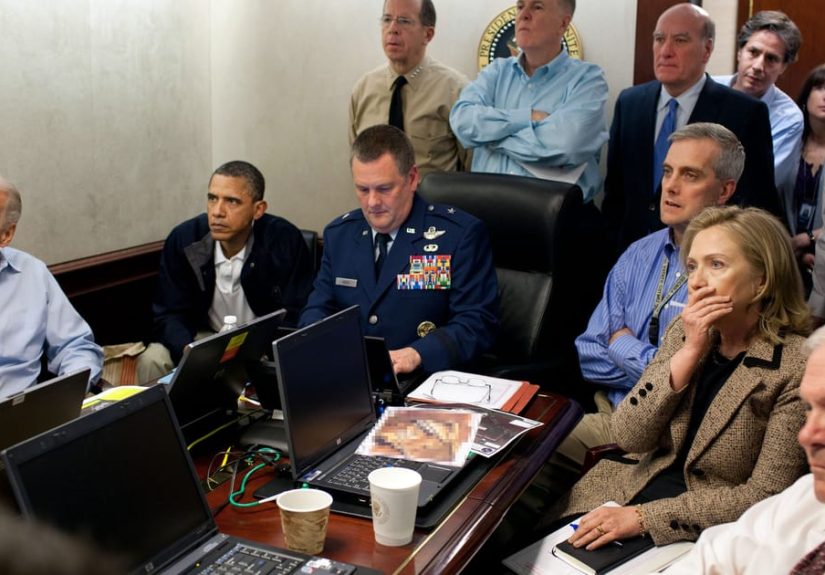
After months of surveillance and intelligence gathering, President Barack Obama approved the operation, which took place under the cover of night. The SEALs executed a flawless raid, entering bin Laden’s compound, engaging in a firefight, and eventually killing the terrorist leader. The operation was hailed as a success and provided closure to one of the most important chapters in U.S. history. Yet, it also prompted a range of reactions from those both inside and outside of the U.S.
Ranking the Operation’s Execution
When ranking the effectiveness of Operation Neptune Spear, it’s crucial to consider several factors: planning, execution, intelligence, and impact.
1. Planning and Preparation
The planning for Neptune Spear was meticulous, with months of intelligence-gathering leading up to the raid. The CIA worked tirelessly to confirm bin Laden’s presence in the compound, and the U.S. Navy SEALs meticulously rehearsed their entry and exit strategies. Experts in military operations often rank the planning phase of Neptune Spear as one of the most remarkable aspects of the mission. It was a perfect example of intelligence-driven military strategy.
2. Execution: Precision and Speed
The execution of the raid itself is often rated as flawless. Despite the unexpected obstacles, including the crashing of one of the helicopters in the compound’s yard, the SEALs remained focused and completed the mission. The operation was carried out in less than 40 minutes, with minimal casualties on the U.S. side. In comparison to other high-risk military missions, the speed, precision, and effectiveness of the SEALs during Neptune Spear are often regarded as benchmarks for special operations.
3. Intelligence: The Backbone of Success
Without solid intelligence, Operation Neptune Spear would not have been possible. Intelligence agencies pieced together a trail of information over several years, ultimately confirming bin Laden’s location. Many military experts consider the intelligence-gathering aspect of the mission to be as crucial as the execution itself. The CIA’s work behind the scenes remains one of the most highly praised aspects of the operation. Without it, the raid might never have occurred.
Public and Political Reactions
Opinions on Operation Neptune Spear vary depending on one’s political perspective, as well as their views on U.S. military involvement abroad. For some, the operation was a resounding success, a moment of redemption for the American people and a long-awaited blow against terrorism. Others, however, have questioned the legality and morality of the operation, especially the unilateral action taken on foreign soil without Pakistan’s consent.
Support for the Operation
Supporters of the operation argue that it was a necessary action to bring justice to the victims of 9/11 and to eliminate a persistent threat to global security. The mission was seen as a victory for U.S. intelligence and military capabilities, showcasing the effectiveness of specialized forces like the SEALs. President Obama’s decision to go ahead with the mission was applauded by many for its courage, demonstrating strong leadership in a critical moment.
Criticism and Controversy
On the other side, critics have raised questions about the ethical and legal implications of the raid. Many argued that the operation was an infringement on Pakistan’s sovereignty. The fact that bin Laden was killed without a trial also raised concerns about due process and the use of military force without the benefit of diplomacy or international approval. These critics argue that while the raid was successful from a tactical perspective, it set a dangerous precedent for international relations and military operations.
Impact on U.S. Foreign Policy
The impact of Operation Neptune Spear on U.S. foreign policy cannot be overstated. The operation demonstrated the U.S.’s ability to conduct high-stakes, covert military operations in hostile environments, a tactic that would continue to be used in subsequent years. It also showcased the importance of intelligence sharing and coordination between agencies.
For many, the raid represented a shift toward a more aggressive, “hunter-killer” approach to counterterrorism, where direct action is prioritized over diplomacy or long-term negotiations. Others argue that the operation underscored the failure of U.S. policy in Afghanistan and Pakistan, where bin Laden had found refuge for nearly a decade.
Ranking the Operation in the Context of U.S. Military History
When comparing Operation Neptune Spear to other major operations in U.S. military history, it certainly holds a place of prominence. The raid shares similarities with other high-profile missions, such as the takedown of Saddam Hussein’s regime and the killing of Abu Bakr al-Baghdadi, leader of ISIS. Yet, what sets Neptune Spear apart is the unique combination of intelligence, military precision, and political timing. The operation is often ranked alongside the best military successes of the modern era due to its near-perfect execution and the symbolic nature of its success.
Comparing to Other Military Operations
Some experts rank Neptune Spear as one of the greatest military successes of the 21st century, up there with the D-Day landings during World War II. However, others argue that the raid should be considered in a more nuanced context. While successful, it was ultimately one mission in the larger “War on Terror,” a conflict that continues to shape U.S. military strategy today. As such, while Operation Neptune Spear is seen as a defining moment, it does not single-handedly change the course of history in the way that other operations have.
Conclusion: Operation Neptune Spear’s Legacy
Operation Neptune Spear remains a pivotal moment in modern history. It was a clear example of U.S. military power at its bestmeticulous planning, flawless execution, and strategic impact. At the same time, it sparked a complex debate about military intervention, sovereignty, and ethics. The rankings and opinions on this operation reveal that while it may be viewed as a great success in many ways, it also remains a symbol of the broader struggles facing the U.S. in its ongoing war against terrorism.
The legacy of Neptune Spear will continue to influence how military operations are carried out for years to come, shaping public opinion and military doctrine alike.
Experiences Related to Operation Neptune Spear Rankings and Opinions
The mission to capture and kill Osama bin Laden was undoubtedly a monumental achievement. Over the years, many individuals involved in the operation have shared their personal accounts, shedding light on the psychological and emotional toll it took on the operators and decision-makers alike. While much of the operation remains classified, personal stories have emerged that offer a rare glimpse into the minds of those who carried out one of the most significant military missions in modern history.
For instance, Navy SEALs who participated in Neptune Spear have described the tense and high-stakes nature of the mission. They trained for months, preparing for every possible scenario. Some of the most compelling accounts come from the operators themselves, who speak of their resolve to execute the mission flawlessly, knowing the world would be watching. These individuals, while trained for combat, faced unimaginable pressure in the heat of the moment.
In addition to the military’s perspective, there are also opinions from the political and diplomatic circles that witnessed the operation’s aftermath. While the mission was lauded by many for its decisiveness, there were those who were more cautious in their praise, considering the broader geopolitical implications of the raid. The U.S. relationship with Pakistan, for example, was strained by the fact that the operation was carried out without the Pakistani government’s knowledge.
Ultimately, the opinions and rankings surrounding Operation Neptune Spear reflect a complex blend of admiration, skepticism, and analysis. While it is regarded as a military success, its broader implications continue to be discussed and debated in military, political, and public spheres. Its legacy is still unfolding as the world grapples with the consequences of one of the most daring military operations in history.