Table of Contents >> Show >> Hide
- Why Cabinet Hardware Matters More Than People Think
- Why Eyeball Cabinet Knobs Actually Work
- How to Style Eyeball Cabinet Knobs Without Regret
- Function Still Comes First
- Placement Rules That Save You From DIY Tragedy
- Who Should Try Eyeball Cabinet Knobs?
- What to Avoid If You Want the Look to Feel Elevated
- The Real Appeal of Eyeball Cabinet Knobs
- Living With Eyeball Cabinet Knobs: Notes From a Kitchen That Stares Back
- Conclusion
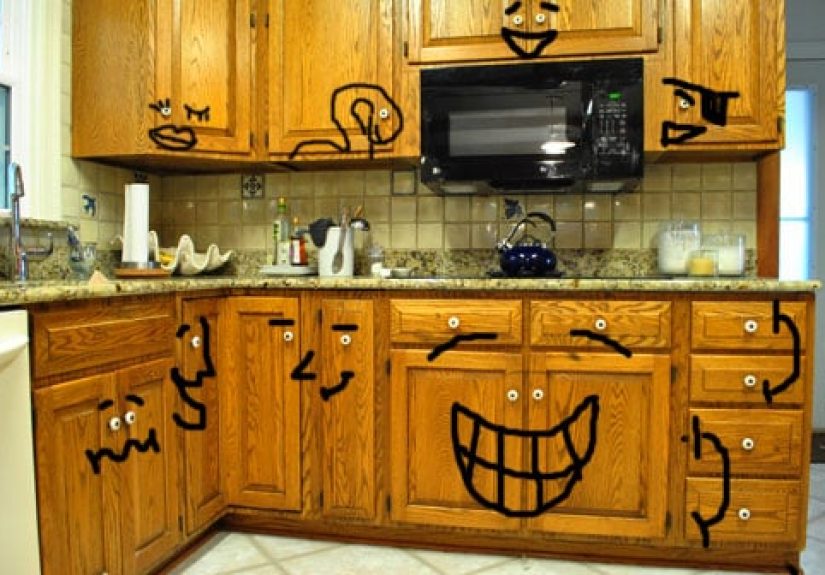
Some people refresh a kitchen with a waterfall island, a new backsplash, or a refrigerator that can probably launch a satellite. We went in a different direction. We gave our cabinets eyeballs.
Not metaphorical eyeballs. Not “eye-catching” knobs. Actual eyeball cabinet knobs: glossy, slightly weird, a little dramatic, and impossible to ignore when you are standing barefoot in the kitchen at 11:47 p.m. eating shredded cheese over the sink like a raccoon with a Costco membership.
And here is the shocking part: it works.
In a design era where kitchens are expected to do everything except file your taxes, hardware has become one of the fastest, smartest, and least destructive ways to change the personality of the room. Cabinet hardware is no longer just a practical afterthought. It is the finishing touch, the jewelry, the handshake, the wink. Which means that if your taste runs a little theatrical, a little quirky, a little “haunted flea market but make it chic,” eyeball knobs might be less ridiculous than they sound.
This is not an argument for turning your kitchen into a novelty store with a backsplash. It is an argument for using unusual cabinet hardware with intention. Done well, eyeball knobs can make a kitchen feel memorable, layered, and genuinely personal. Done badly, they can make the room look like it was decorated during a power outage in October.
So let’s talk about how a tiny, odd design choice can completely change a kitchen, why weird cabinet hardware is having a moment, and how to pull off eyeball cabinet knobs without creating a room that looks like it is silently judging your knife skills.
Why Cabinet Hardware Matters More Than People Think
Kitchen hardware lives in that magical design category called “small enough to overlook, important enough to ruin everything.” It is one of the few elements you touch every single day, which means it has to look good, feel good, and make sense for the way you use your space.
That is why designers keep returning to cabinet knobs and pulls as an easy, high-impact update. Replace generic hardware and even a perfectly average kitchen starts to feel more custom. Switch finishes, shapes, or scale, and the room can move from builder-basic to collected and intentional without knocking down a single wall or apologizing to your savings account.
That shift matters because current kitchen design has gotten more expressive. Hardware trends have leaned toward furniture-like details, mixed materials, interesting silhouettes, vintage references, and statement-making pieces that add character instead of fading politely into the background. Translation: the age of boring little metal mushrooms is over. Your cabinets can have opinions now.
And if cabinets are allowed to have opinions, there is no rule saying those opinions cannot be “I would like to stare at everyone who reaches for the coffee mugs.”
Why Eyeball Cabinet Knobs Actually Work
They turn utility into decoration
Cabinets take up a huge amount of visual real estate in a kitchen. On many layouts, they are the room. That means even small hardware changes ripple outward. Eyeball cabinet knobs turn a purely functional element into a decorative one. Instead of fading into the millwork, they create little moments of surprise across the room.
That surprise is what makes them fun. A kitchen can be beautiful and still be a little too serious. Eyeball knobs break that mood instantly. They signal that the room is designed, but not uptight. Stylish, but not precious. Curated, but not so curated that nobody feels comfortable making spaghetti.
They fit the personality-first kitchen
For years, homeowners chased the perfectly neutral kitchen: white cabinets, pale counters, subway tile, hardware so discreet it practically filed for witness protection. That look still has staying power, but more people now want rooms that feel personal, not just broadly acceptable to a hypothetical future buyer with suspiciously beige opinions.
Eyeball knobs land right in that shift. They are unapologetically specific. They say, “Someone lives here, and that someone does not fear a conversation piece.”
They work best when the rest of the room is disciplined
The secret is contrast. Eyeball knobs tend to look best in kitchens that are otherwise fairly restrained. Think Shaker cabinets, classic paint colors, simple countertops, clean lines, and materials that know how to behave. Against that calm backdrop, the knobs read as clever rather than chaotic.
If every surface is already shouting, eyeball knobs will not save the room. They will join the noise and request a megaphone.
How to Style Eyeball Cabinet Knobs Without Regret
Start with the cabinet color
Eyeball knobs shine on cabinets with enough visual quiet to let them stand out. Deep green, charcoal, matte black, creamy white, warm taupe, dusty blue, and natural wood all make excellent backdrops. These tones give the knobs contrast without making the room feel like a Halloween aisle exploded.
White cabinets make eyeball knobs feel graphic and playful. Dark cabinets make them moodier and more artful. Natural wood softens the weirdness and gives the overall effect a warmer, more vintage personality.
Keep the finishes intentional
If the knob itself includes metal hardware, repeat that finish somewhere nearby. It does not have to match every faucet, light, and appliance with military precision, but it should feel related. Brass can warm up a quirky knob. Black metal can make it feel sharper and more modern. Antique bronze can push the look toward old-world oddity in the best way.
The goal is coordination, not a hostage situation. A kitchen can absolutely mix metals, but it should do so on purpose.
Use eyeballs where they make the most visual impact
You do not have to install eyeball knobs on every cabinet in the room. In fact, restraint usually makes them better. Try them on upper cabinets only, a pantry wall, a coffee station, a hutch, or a painted island. Pair them with simple pulls on drawers for a practical mixed-hardware setup that still lets the statement pieces do the flirting.
This approach works especially well because drawers often benefit from pulls, while cabinet doors can wear knobs without sacrificing comfort. So yes, you can have a kitchen where the cabinets are watching and the drawers remain calm professionals.
Let the rest of the décor support the joke quietly
Eyeball knobs do not need backup dancers, but a few adjacent details can help the room feel cohesive: a vintage runner, framed botanical prints, a striped café curtain, moody paint, old brass accents, or a sculptural pendant. These touches create an atmosphere where “weird but stylish” feels intentional instead of accidental.
Function Still Comes First
No matter how charming your cabinet hardware is, it still has to open cabinets without causing emotional damage. This is where good design becomes less about aesthetics and more about the daily choreography of your kitchen.
In general, knobs work beautifully on doors. Pulls tend to be more comfortable on drawers, especially wide or heavy ones. If you have deep drawers filled with pots, cast iron, baking dishes, or that one blender you swear you will use for smoothies and not just guilt, a pull usually offers better grip and leverage.
Accessibility matters, too. Larger, easy-to-grab pulls are often better for people with arthritis, reduced grip strength, or anyone who has ever tried to open a sticky lower drawer with one finger while carrying a bowl in the other hand. That does not mean eyeball knobs are off the table. It just means they are smartest when used where a knob makes sense.
The best version of this look is usually hybrid: eyeball knobs on cabinet doors, practical pulls on drawers, and a layout that still works when someone is cooking instead of admiring your sense of humor.
Placement Rules That Save You From DIY Tragedy
Even the greatest cabinet hardware in human history will look wrong if it is installed like a blindfolded dart throw. Placement matters because people notice alignment even when they cannot explain why something feels off.
For cabinet doors
Traditional and modern placement both usually land near the corner of the stile, opposite the hinges. On upper cabinets, hardware generally sits a few inches up from the bottom corner. On lower cabinets, it usually sits a few inches down from the top corner. That placement gives a comfortable reach and a balanced look.
For drawers
Small drawers can handle a single centered knob. Wider drawers often look better and work better with a pull or two knobs spaced evenly. If you are using novelty knobs, think carefully before putting them on large, heavy drawers. This is a kitchen, not a trust exercise.
For installation
Use a jig or template. Mark carefully. Measure twice. Drill once. Then stare at your cabinets and hope they love you back. Consistency is everything. Nothing ruins a whimsical kitchen faster than hardware that appears to be slowly sliding downhill.
Also, check how cabinet doors swing near walls, appliances, and corners. That tiny detail matters more than people expect. The goal is a kitchen that feels clever, not a kitchen where the eyeballs knock into the refrigerator every morning and start a feud.
Who Should Try Eyeball Cabinet Knobs?
This look is not for everyone, and that is exactly why it is good.
- Maximalists: If you believe “too much” is often just “enough with commitment,” welcome home.
- Vintage lovers: Eyeball knobs work beautifully with collected, layered spaces that already nod to the past.
- People with mostly simple kitchens: One weird detail can make a plain room unforgettable.
- Renters or budget renovators: Swapping hardware is one of the easiest ways to change the mood of a kitchen without a full remodel.
- Anyone tired of safe design: If your kitchen looks nice but feels anonymous, this kind of hardware can wake it up fast.
On the other hand, if your ideal kitchen is ultra-minimal, invisible, and so clean it looks like nobody has ever boiled water in it, eyeball knobs may not be your soulmate. That is okay. Not every design choice needs to appeal to everybody. Some are meant to delight the right people and mildly confuse the rest.
What to Avoid If You Want the Look to Feel Elevated
- Cheap-looking materials: If the knobs look flimsy, the whole idea starts reading like a prank.
- Too many competing motifs: Eyeballs, checkerboard tile, neon signs, fruit wallpaper, and zebra stools are not a team. They are a cry for help.
- Ignoring scale: Tiny knobs on oversized cabinet fronts can look accidental. Oversized novelty knobs can feel cartoonish. Proportion matters.
- Forgetting touch: Hardware is tactile. If it feels awkward or slippery, you will hate it by Tuesday.
- Using them everywhere: A statement lands harder when the room gives it room to breathe.
The Real Appeal of Eyeball Cabinet Knobs
At their best, eyeball cabinet knobs do what great design always does: they create a feeling. In this case, the feeling is delight with a side of mischief. They make a kitchen memorable. They start conversations. They give a practical room a dash of personality without requiring a contractor, a permit, or a temporary emotional support spreadsheet.
And that matters because kitchens are not just work zones. They are where people gather, snack, gossip, procrastinate, reheat leftovers, negotiate over takeout, and stand around pretending to help while one competent person actually cooks. A room that hosts that much life deserves details with a little character.
So no, eyeball knobs are not a universal solution. They will not increase your home’s resale value by magic, teach your children to rinse plates, or make onions chop themselves. But they will make your kitchen feel like yours. And in a sea of beige sameness, that is worth something.
Living With Eyeball Cabinet Knobs: Notes From a Kitchen That Stares Back
At first, people laugh. That is the universal response. They step into the kitchen, look around, and then freeze for half a beat when they realize the cabinets are looking at them. Not in an aggressive way. More in a “we have seen what you do with cold pizza at 9 a.m.” kind of way. The laughter is usually followed by a closer inspection, then a hand reaching out to touch one, then the sentence every homeowner secretly wants to hear: “Okay, wait. I actually love these.”
That is the thing about living with eyeball cabinet knobs. They start as a joke and end as a design feature. After the initial surprise wears off, they become part of the rhythm of the room. You reach for the coffee mugs, and there is that glossy little eyeball. You open the snack cabinet, and there it is again, silently witnessing your relationship with pretzels. You unload groceries, wipe counters, stack dishes, and after a while the knobs stop feeling gimmicky. They just feel like your kitchen developed a personality and refused to apologize for it.
There is also something unexpectedly charming about how guests react. Children are fascinated. Adults pretend not to be, then absolutely are. Design-minded friends start asking where you found them. People who normally notice nothing about interiors suddenly have opinions about cabinet hardware, which is honestly one of the funniest side effects. No one has ever come over and said, “Wow, stunning cabinet hinge alignment.” But eyeball knobs? Eyeball knobs get attention.
They also change how the kitchen feels at different times of day. In bright morning light, they read playful and graphic. At night, under warm pendants, they feel moodier, almost vintage. During parties they become an instant icebreaker. During quiet mornings they are just one more odd little detail that makes an ordinary routine feel less ordinary.
And yes, there is a tiny risk that you will catch sight of them from across the room and briefly feel like the pantry is sentient. But that is a small price to pay for a kitchen that does not look like every other kitchen on the internet.
The best part is that they remind you design can be useful and funny at the same time. A kitchen does not have to choose between being beautiful and having a pulse. It can be polished, practical, and just weird enough to make people smile. In a world full of rooms trying very hard to be tasteful, there is something refreshing about one that is tasteful and a little unhinged.
So if you are tempted by eyeball cabinet knobs, maybe that instinct is worth trusting. Maybe your kitchen does not need another safe choice. Maybe it needs a detail that makes you grin every time you open the sugar cabinet. Maybe good design is not always about restraint. Sometimes it is about confidence. Sometimes it is about delight. And sometimes, apparently, it is about being lovingly monitored by your own cabinetry while you search for the good olive oil.
Conclusion
Eyeball cabinet knobs are not subtle, but subtlety is overrated when a room has no pulse. As a kitchen hardware idea, they hit a rare sweet spot: they are practical, affordable, deeply memorable, and surprisingly easy to style when the rest of the room has enough discipline. They bring humor to everyday routines, make cabinets feel decorative instead of merely functional, and prove that a kitchen can be polished without becoming painfully predictable.
If you want a space with personality, this is exactly the kind of detail worth considering. Start small, place them thoughtfully, pair them with hardware that still works hard, and let the rest of the room support the drama without competing with it. Your cabinets may end up staring at everyone who enters the room, but at least they will be doing it with style.