Table of Contents >> Show >> Hide
- What Is a Batida de Lechosa, Exactly?
- Why Papaya Makes a Surprisingly Great Smoothie
- Ingredients That Matter (and How to Swap Them)
- Papaya Smoothie (Batida de Lechosa) Recipe
- Troubleshooting: Fix Common Smoothie Problems Fast
- Flavor Variations (So You Don’t Get Smoothie Bored)
- Make-Ahead, Storage, and Meal-Prep Tricks
- Nutrition Notes (Because This Is the Internet)
- Food Safety and Allergy Notes
- FAQ
- Conclusion: Your Blender’s New Favorite Tropical Habit
- The Papaya Smoothie Diary: of Real-Life Experience
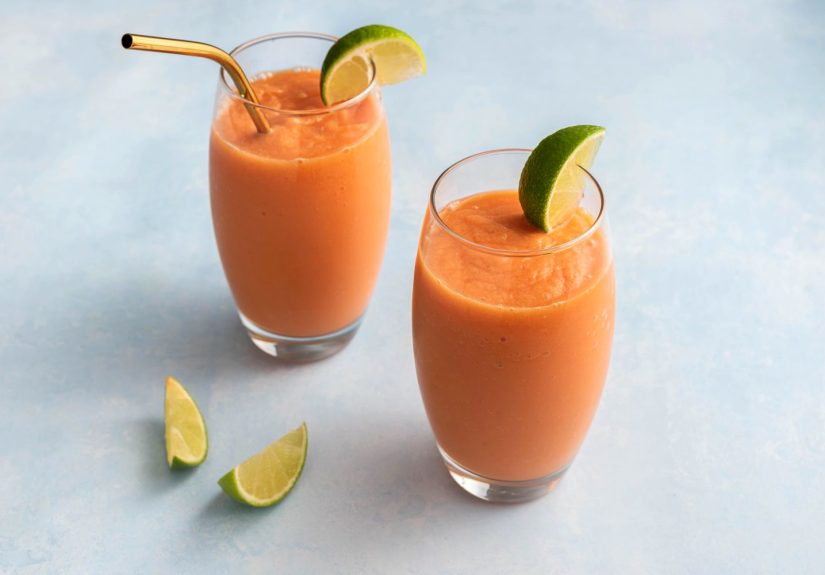
If your blender had a passport, this drink would be its favorite stamp: creamy, bright, and tropical without requiring you to book a flight or learn how to say “I’ll have another one, please” in three languages. Batida de Lechosa (a beloved papaya smoothie often associated with the Dominican Republic and the wider Caribbean/Latin American diaspora) is essentially a papaya “milkshake”but in the best way: light, fragrant, and refreshingly simple.
This guide gives you a reliable, everyday-at-home recipe plus the little details that make it taste like you know what you’re doing (even if you’re still Googling how to pronounce lechosa).
What Is a Batida de Lechosa, Exactly?
“Batida” is Spanish for a blended drinkthink milkshake, smoothie, or a chilled, blended refresher. “Lechosa” is a common name for papaya in parts of the Caribbean (especially the Dominican Republic). Put those together and you get a creamy papaya smoothie traditionally blended with milk, ice, and often vanilla. Many versions finish with a squeeze of lime to keep the flavor lively and prevent “sweet-but-flat” syndrome.
In the U.S., you’ll also see it described as a papaya milk smoothie, papaya milkshake, or simply “papaya smoothie.” Different name, same mission: silky texture, tropical aroma, and a sip that says, “I definitely hydrate, thanks.”
Why Papaya Makes a Surprisingly Great Smoothie
It’s naturally creamywithout needing a truckload of extras
Ripe papaya has a soft, buttery texture that blends into a thick, spoonable smoothie with minimal effort. You don’t need a mountain of banana or five kinds of yogurt to make it feel rich.
It brings real nutrition, not just tropical vibes
Papaya is known for being a source of vitamin C and fiber, and it contains the enzyme papain, which is why you’ll sometimes hear it mentioned in digestion-focused conversations. Translation: it’s a fruit that can pull its weight beyond “tastes good in a glass.”
It plays well with lime and vanilla
Papaya’s aroma can be floral and melon-like. Lime adds contrast; vanilla adds “dessert energy” without turning the whole thing into a cupcake.
Ingredients That Matter (and How to Swap Them)
1) Ripe papaya
If your smoothie tastes watery, bland, or faintly “soapy,” the problem is usually the papaya. Choose one that’s mostly yellow/orange, slightly soft when pressed (not mushy), and smells sweet near the stem end. If you only find green papaya, let it ripen on the counter for a few days.
Fresh vs. frozen: Frozen papaya is fantastic for thick smoothies and reduces the need for much ice. If using fresh papaya, you can cube it and freeze it for 2–3 hours for a colder, thicker blend.
2) Milk (or a non-dairy base)
Traditional batidas often use dairy milk, and some recipes use evaporated milk for extra creaminess. For a lighter smoothie, use 2% or skim. For dairy-free, unsweetened oat milk gives a creamy feel; almond milk is lighter; soy milk boosts protein.
3) Lime juice (and optional zest)
Lime brightens everything and balances sweetness. Zest is optional; it can add a little bitterness if you go heavy. If you want a safer, crowd-pleasing approach, skip the zest and add a tiny pinch of salt instead.
4) Vanilla
Vanilla helps the smoothie taste “rounder.” If you’ve ever had a fruit smoothie that tasted oddly like cold fruit soup, vanilla is one of the easiest fixes.
5) Sweetener (optional)
If your papaya is truly ripe, you may not need much. If you do sweeten, start small: a teaspoon of honey, maple syrup, or sugar, or a splash of sweetened condensed milk for a more classic “milkshake” mood. The goal is to support the papayanot to turn your smoothie into a dessert that needs its own seatbelt.
Papaya Smoothie (Batida de Lechosa) Recipe
Time: 10 minutes | Yield: 2 generous servings
Ingredients
- 3 cups ripe papaya, peeled, seeded, and cubed (about 1 medium-large papaya)
- 3/4 cup milk (dairy or unsweetened non-dairy)
- 1–2 tablespoons fresh lime juice (to taste)
- 1/2 teaspoon vanilla extract
- 1/2 to 1 cup ice (use less if your papaya is frozen)
- 1–2 teaspoons honey or sugar (optional, only if needed)
- Pinch of salt (optional, but excellent)
Directions
- Prep the papaya. Wash the outside of the fruit, then cut it in half lengthwise, scoop out seeds, peel, and cube the flesh. (Yes, you wash it even though you don’t eat the skinknives can drag surface gunk inside.)
- Start with papaya + milk. Add papaya and milk to the blender first. This helps everything catch and blend smoothly.
- Add flavor. Add lime juice, vanilla, and a pinch of salt (if using). Blend 15–20 seconds until smooth.
- Thicken and chill. Add ice (or frozen papaya) and blend again until thick and frostyanother 20–30 seconds.
- Taste and adjust. If it’s dull, add a little more lime. If it’s not sweet enough, add sweetener in small increments. Blend 5 seconds after each change.
- Serve immediately. Pour into cold glasses. If you want the full batida vibe, garnish with a lime wedge.
Quick pro tip
For a “milkshake-thick” texture without more sugar, add 1/3 cup plain Greek yogurt or freeze your papaya cubes first. Your blender will sound slightly more dramatic, but the payoff is worth it.
Troubleshooting: Fix Common Smoothie Problems Fast
“It tastes bland.”
Add more lime (a teaspoon at a time) and a pinch of salt. If it’s still flat, your papaya may be underripeuse a touch of honey and consider adding a spoonful of yogurt for richness.
“It tastes weirdly soapy.”
That can happen with papaya that isn’t fully ripe. Chill it longer, add lime, and blend with vanilla and yogurt. If it still tastes off, save the papaya for a fruit salad with lots of citrus and use a riper papaya for smoothies.
“It’s too thick.”
Add milk (or water) 1–2 tablespoons at a time. Blend briefly after each addition.
“It’s too thin.”
Add more papaya, a few ice cubes, or 2–3 tablespoons of yogurt. Frozen fruit is the easiest thickness upgrade.
“It’s bitter.”
Lime zest can do this if overused. Also, papaya seeds are edible but peppery/bitterif some sneak in, the drink can taste sharp. Solution: strain it, or blend in extra papaya and a little sweetener to rebalance.
Flavor Variations (So You Don’t Get Smoothie Bored)
High-protein breakfast batida
- Add 1/2 cup plain Greek yogurt
- Add 1 tablespoon chia seeds (let sit 5 minutes for thicker texture)
- Use soy milk or dairy milk for more protein
Vegan tropical cream
- Use unsweetened oat milk
- Add 1–2 tablespoons coconut cream (optional, very rich)
- Sweeten with a date or a teaspoon of maple syrup if needed
Spicy-lime “street fruit” twist
- Add an extra squeeze of lime
- Add a tiny pinch of chili powder or tajín-style seasoning
- Keep sweetener minimal for a bright, punchy sip
Green(ish) papaya smoothie
- Add a handful of baby spinach
- Add 1/2 banana (for sweetness and body)
- Keep limespinach and lime are friends
Make-Ahead, Storage, and Meal-Prep Tricks
This smoothie is best right after blendingcold, thick, and fragrant. If it sits, it may separate (normal) and warm up (tragic). If you must store it:
- Fridge: Store in a sealed jar up to 24 hours. Shake hard or re-blend before drinking.
- Freezer smoothie packs: Freeze papaya cubes in single-serve bags. When you’re ready, dump the bag into the blender with milk, lime, and vanilla.
- Popsicles: Pour leftovers into molds. Congratsyou just invented papaya ice cream’s responsible cousin.
Nutrition Notes (Because This Is the Internet)
Exact nutrition depends on your milk and sweetener, but papaya is commonly noted for being relatively modest in calories per cup while providing fiber and vitamin C. If you’re watching added sugar, the easiest win is simply using very ripe fruit and letting the papaya do the sweetening.
Want it more filling? Add protein (yogurt, kefir, soy milk) and/or fiber (chia, flax). That combo tends to keep a smoothie from feeling like it “evaporated” an hour later.
Food Safety and Allergy Notes
Wash produceeven if you peel it
Rinse the whole papaya under running water before cutting. When you slice through the skin, the knife can transfer surface dirt or bacteria to the fruit inside. Skip soaps and “produce washes”plain running water and gentle rubbing are the standard approach.
Latex-fruit cross-reactions
If you have a latex allergy, some people also react to certain fruits (including papaya). If that’s you, treat this smoothie like a “proceed with caution” situation and follow your clinician’s advice.
About the seeds
Papaya seeds are edible, but they’re peppery and can make your smoothie bitter. For a classic batida texture and taste, scoop them out and keep them out.
FAQ
Can I use frozen papaya?
Absolutely. It makes the smoothie thicker and reduces the need for ice (which can dilute flavor). Start with less ice, blend, then adjust.
What milk is “most traditional” for batida de lechosa?
Many versions use dairy milk; some use evaporated milk for extra creaminess. In the U.S., any milk you like worksjust pick unsweetened options if you want the papaya flavor to lead.
Do I have to add sweetener?
Nope. If your papaya is ripe, you can often skip it. If you do add sweetener, start with a teaspoon and taste your way up.
Why is lime so common in papaya smoothies?
Lime adds acidity that brightens papaya’s mellow sweetness and helps the drink taste fresh instead of heavy. It’s the difference between “tropical treat” and “hmm, vaguely sweet orange liquid.”
Conclusion: Your Blender’s New Favorite Tropical Habit
A great Papaya Smoothie (Batida de Lechosa) is less about complicated ingredients and more about one big decision: use ripe papaya. Once you’ve got that, the rest is simplemilk for creaminess, lime for zip, vanilla for comfort, and ice for the cold, frosty finish.
Make it classic, make it vegan, make it high-proteinjust don’t overthink it. The whole point is that it’s easy, refreshing, and tastes like you stole it from a beach café (legally, with a blender).
The Papaya Smoothie Diary: of Real-Life Experience
The first time I made a batida de lechosa at home, I was wildly confident. I had a papaya. I had milk. I had a blender that sounded like it could power a small amusement park. What could go wrong?
Answer: the papaya was not ripe. It was “technically edible” in the same way a cardboard box is “technically chewable.” I blended it anywaybecause optimism is freeand took a sip that can only be described as polite disappointment. Not terrible. Not good. Just… a fruity shrug. And then came the faint “soapy” note that makes you question every life choice you’ve made since the fourth grade.
The fix was embarrassingly simple: wait for ripeness. Once I learned what a ripe papaya should feel and smell like, everything changed. A mostly yellow skin, a gentle give when pressed, and a sweet aroma near the stem endsuddenly the smoothie tasted like actual tropical fruit instead of a rumor about tropical fruit.
Next lesson: lime is not optional (at least for me). I tried a version without it, and the drink tasted sweet but oddly flat, like a song missing the chorus. One tablespoon of lime juice snapped the flavor into focusbrighter, fresher, and somehow creamier even though lime is, famously, not a dairy product.
Then I went through my “make it healthier” phase, which is a rite of passage for smoothie people. I tried adding too much protein powder. The smoothie tasted like papaya had been forced to share an elevator with chalk. I tried adding kale. The color turned into “swamp sunrise.” It wasn’t bad, but it also wasn’t the cozy, classic batida I wanted. Eventually, I landed on a smarter upgrade: plain Greek yogurt or soy milk for protein, plus a pinch of salt to make the fruit taste more like itself.
My favorite version now is simple: ripe papaya, milk, vanilla, lime, and enough ice to make it frosty. If the papaya is sweet, I skip sweetener. If it’s only almost sweet, I add a teaspoon of honey and call it a day. On hot afternoons, I’ll freeze papaya cubes and blend them with oat milk for a thicker texturebasically a tropical milkshake that still feels like a reasonable life decision.
The funniest part is how often this smoothie wins over people who “don’t like papaya.” Usually they’ve only tried it underripe or plain. In a batida, the vanilla and lime make papaya taste like the best version of itselfsoft, fragrant, and bright. It’s the kind of drink that makes you pause mid-sip and think, “Wait… why am I not making this every week?”