Table of Contents >> Show >> Hide
- What Are Porcelain Table Lanterns?
- Why Porcelain Table Lanterns Are So Popular
- Best Places to Use Porcelain Table Lanterns
- How to Choose the Right Porcelain Table Lantern
- Styling Ideas for Porcelain Table Lanterns
- Safety Tips for Porcelain Table Lanterns
- How to Clean and Care for Porcelain Table Lanterns
- Common Mistakes to Avoid
- Are Porcelain Table Lanterns Worth It?
- Extra Experience Notes: Living With Porcelain Table Lanterns
- Conclusion
Porcelain table lanterns are the quiet overachievers of home décor. They do not shout from the mantel, wave tiny decorative flags, or demand that every throw pillow in the room match them exactly. Instead, they glow. They sit on a table, shelf, console, nightstand, or patio setting and instantly make the space feel warmer, softer, and just a little more intentionalas if you suddenly became the kind of person who knows what “ambient lighting” means without Googling it.
At their best, porcelain table lanterns combine three things people want from decorative lighting: beauty, function, and atmosphere. Porcelain brings a refined ceramic texture, lantern form adds sculptural charm, and the light sourceusually an LED candle, tea light, rechargeable bulb, or small electric lampcreates the cozy glow that turns an ordinary corner into a “please sit here and relax” moment.
Whether you are styling a dining table, brightening a bedside setup, creating a calm reading nook, or adding a polished accent to outdoor entertaining, porcelain lanterns offer a timeless way to decorate with light. They are elegant without being stiff, artistic without being fussy, and practical without looking like they were chosen from the emergency aisle of a hardware store.
What Are Porcelain Table Lanterns?
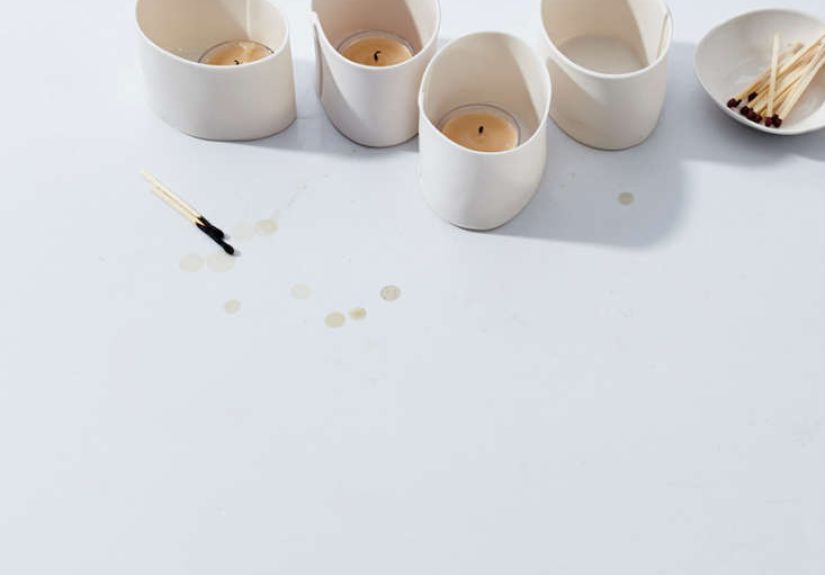
Porcelain table lanterns are decorative lighting pieces made from porcelain, a refined type of ceramic known for its smooth surface, dense body, and often delicate appearance. Unlike basic metal or plastic lanterns, porcelain lanterns usually lean into texture, shape, cutouts, glaze, hand-painted details, or translucent effects. Some are designed for flameless LED candles, while others are made as small electric table lamps or rechargeable accent lights.
The word “lantern” can mean several things in home décor. Traditionally, a lantern protects and contains a light source. In modern interiors, it can also refer to any decorative object that diffuses, frames, or softens light. A porcelain table lantern may have carved openings that scatter patterns across nearby walls, a pierced shade that lets pinpoints of light escape, or a simple glowing body that works almost like a tiny ceramic moon.
Porcelain vs. Ceramic: What Makes Porcelain Special?
All porcelain is ceramic, but not all ceramic is porcelain. Think of porcelain as ceramic’s more polished cousinthe one who arrives at brunch wearing linen and somehow does not spill coffee. Porcelain is typically made from fine clay materials and fired at high temperatures, giving it a hard, dense, and often smooth finish. It can be white, glazed, painted, matte, glossy, textured, or even thin enough in certain designs to allow light to pass through softly.
That luminous quality is exactly why porcelain works so well for lanterns. When light moves through carved openings, thin walls, or pale glazed surfaces, it creates a gentle glow instead of a harsh beam. This makes porcelain table lanterns especially useful for mood lighting, centerpiece styling, bedside ambiance, spa-like bathroom décor, and intimate dinner settings.
Why Porcelain Table Lanterns Are So Popular
Porcelain table lanterns sit at the intersection of several major home décor ideas: artisan texture, layered lighting, compact styling, and indoor-outdoor comfort. They feel handcrafted, even when they are not fully handmade. They add dimension to a table without needing a vase of flowers that must be replaced every few days. And they help a room feel finished, which is décor language for “someone here has their life togetheror at least owns flattering lighting.”
They Add Warmth Without Clutter
Small decorative pieces can easily make a space feel crowded. Porcelain lanterns avoid that problem because they provide both decoration and function. A single lantern can serve as a centerpiece, accent lamp, shelf object, or nightstand glow. Instead of adding one sculpture, one candle, and one lamp, you get a little of all three in one compact piece.
They Work With Many Interior Styles
Porcelain table lanterns are surprisingly flexible. A white pierced porcelain lantern feels airy and coastal. A blue-and-white porcelain lantern brings a classic chinoiserie or traditional look. A matte black porcelain lantern can lean modern, dramatic, or minimalist. A hand-painted floral lantern can soften cottage, vintage, or grandmillennial interiors. A sculptural unglazed porcelain design can feel organic, contemporary, and gallery-worthy.
This flexibility makes them useful in homes where styles overlap. Maybe your living room is part modern farmhouse, part coastal, part “I bought this chair during a sale and now we all have to live with it.” A porcelain lantern can bridge those pieces with texture, glow, and a neutral shape.
They Make Lighting Feel Intentional
Good lighting is not just about visibility. It is about mood, scale, comfort, and the way a room behaves after sunset. Overhead lights are useful, but they can make a room feel flat. Table lanterns add light at eye level, which makes a space feel more layered and welcoming. A porcelain lantern on a coffee table, console, or sideboard gives the eye a soft focal point and makes the room feel calmer.
Best Places to Use Porcelain Table Lanterns
The beauty of porcelain table lanterns is that they do not require a dramatic design overhaul. You do not need to repaint the walls, buy a new sofa, or announce to your family that the dining room is now “a curated atmospheric experience.” You can simply place one where it makes sense and let the glow do the heavy lifting.
Dining Tables
A porcelain table lantern can make a dining table feel elegant without blocking conversation. Choose low or medium-height lanterns so guests can see each other across the table. For long rectangular tables, use two or three smaller lanterns spaced evenly down the center. For round tables, one larger porcelain lantern can act as a simple centerpiece.
For dinner parties, pair porcelain lanterns with linen napkins, simple greenery, woven placemats, or a ceramic serving bowl. The goal is not to create a table so perfect that everyone is afraid to eat bread. The goal is comfort with style.
Living Room Coffee Tables
On a coffee table, a porcelain lantern adds softness and structure. Place it on a tray with a small stack of books, a shallow bowl, or a low plant. If your room already has many patterns, choose a plain white, cream, taupe, or matte lantern. If the room is neutral, a glazed blue, green, or hand-painted porcelain lantern can add personality.
Console Tables and Entryways
Entryways love lanterns. They create an immediate sense of welcome, especially in the evening. A porcelain table lantern on a console can be paired with a mirror, key bowl, framed artwork, or vase of branches. The reflected glow in a mirror can make a narrow entry feel larger and more inviting.
Bedrooms and Nightstands
Porcelain table lanterns are excellent for bedrooms because they provide gentle light without the visual bulk of a large lamp. A flameless LED candle lantern can work as a soft night glow. An electric porcelain table lamp with a shade can provide more practical reading light. For a calm bedroom, look for warm white light and soft finishes like ivory, celadon, blush, pale gray, or matte white.
Bathrooms and Spa Corners
Porcelain naturally suits bathrooms because it echoes tile, sinks, and other ceramic surfaces. A small porcelain lantern on a vanity shelf, bathtub ledge, or stool can create a spa-like feeling. For safety and moisture reasons, flameless LED options are usually the better choice in bathrooms. Your bubble bath does not need a fire hazard as a supporting character.
Covered Patios and Outdoor Tables
Some porcelain lanterns can be used outdoors, but only if they are designed for outdoor conditions or kept in a protected area. Covered patios, screened porches, and balcony tables are great candidates. For uncovered outdoor use, check whether the lantern is weather-safe. Porcelain itself can be durable, but electrical components, glazes, metal details, and finishes may not be suitable for rain, freezing temperatures, or direct weather exposure.
How to Choose the Right Porcelain Table Lantern
Choosing a porcelain table lantern is not complicated, but a few details matter. The right piece should match your room’s scale, lighting needs, color palette, and daily habits. A lantern that looks beautiful but is too tall for your dining table or too dim for your reading corner will quickly become decorative guiltpretty, but not pulling its weight.
1. Consider the Size and Scale
For dining tables, coffee tables, and nightstands, scale is everything. A tiny lantern can disappear on a large table, while an oversized one can make a side table look like it is wearing a hat. As a general rule, smaller lanterns work best in groups, while larger lanterns work best as stand-alone focal points.
On a dining table, keep the lantern low enough to avoid blocking faces. On a console, you can go taller because people are not trying to pass the mashed potatoes around it. On a nightstand, leave enough room for essentials like a book, phone, water glass, or that mysterious collection of receipts we all pretend is temporary.
2. Decide Between Candle-Style and Electric Lighting
Porcelain table lanterns usually fall into two lighting categories: candle-style and electric. Candle-style lanterns are designed for tea lights, votives, pillar candles, or flameless LED candles. Electric porcelain lanterns may use a bulb, rechargeable LED module, or plug-in cord.
For everyday use, LED candles are convenient, safe, and low-maintenance. They are especially smart for homes with pets, kids, breezy patios, or forgetful adults who walk into another room “for one second” and return forty minutes later. Electric lanterns are better when you need more consistent brightness, dimming options, or task-friendly illumination.
3. Choose the Right Light Temperature
Warm white light usually works best for porcelain table lanterns. Look for bulbs or LED candles around 2700K to 3000K if you want a cozy glow. Cooler light can make porcelain look crisp and modern, but it may also feel a bit clinical in bedrooms or dining areas. Unless you are decorating a laboratory-themed dinner partyand honestly, let’s notwarm light is usually the safer choice.
4. Look at Cutouts, Texture, and Diffusion
Some porcelain lanterns are solid and glow mainly from the top or bottom. Others have pierced patterns, latticework, carved openings, fluted forms, or textured shades. These details affect how the light spreads. A lantern with many small openings creates playful shadows. A smooth translucent body creates a soft wash. A solid sculptural lantern with a shade behaves more like a traditional table lamp.
Think about the mood you want. For a calm bedroom, choose soft diffusion. For a festive patio table, choose cutouts that sparkle. For an entryway, choose a bold shape that looks good even when the light is off.
5. Match the Finish to Your Room
Porcelain finishes can change the entire personality of a lantern. Glossy white feels classic and clean. Matte porcelain feels modern and quiet. Crackle glaze adds vintage charm. Blue-and-white patterns feel timeless and collected. Reactive glazes create organic color variation. Hand-painted designs feel decorative and personal.
If your room already has shiny surfaces, a matte porcelain lantern can add balance. If your space has mostly wood, woven textures, and linen, a glossy lantern can provide a refined contrast. The best rooms usually mix textures rather than forcing everything to behave like it came from the same furniture catalog.
Styling Ideas for Porcelain Table Lanterns
Porcelain table lanterns are easy to style because they already have presence. You do not need to surround them with twelve tiny objects and a decorative bird named Clarence. In most cases, restraint works better.
Minimalist Styling
For a minimalist look, use one white or matte porcelain lantern on a clean wood, stone, or black metal surface. Keep nearby objects simple: one book, one bowl, one branch in a vase. This approach lets the lantern’s shape and glow become the focal point.
Coastal Styling
For coastal rooms, choose white, cream, pale blue, sea-glass green, or sandy beige porcelain. Pair the lantern with natural materials such as rattan, linen, driftwood, jute, or woven trays. Avoid going overboard with shells unless you want your coffee table to look like it is applying for a job at a beach souvenir shop.
Traditional Styling
Blue-and-white porcelain lanterns work beautifully in traditional interiors. Style them with brass accents, dark wood, botanical prints, classic books, or fresh greenery. They can bring a collected, timeless feeling to sideboards, mantels, and entry consoles.
Modern Organic Styling
Modern organic design favors natural shapes, quiet colors, and tactile materials. Choose a sculptural porcelain lantern with an imperfect silhouette, matte finish, or handmade texture. Pair it with oak, travertine, linen, boucle, or stone accessories. The look should feel relaxed, not showroom-perfect.
Seasonal Styling
Porcelain lanterns adapt well to seasonal décor. In spring, place one with fresh tulips or light greenery. In summer, style it with woven placemats and citrus colors. In fall, pair it with small pumpkins, dried grasses, or warm-toned ceramics. In winter, use evergreen sprigs, velvet ribbon, or metallic accents. If you use fillers inside a lantern, make sure they are safe for the light source and do not crowd the candle or bulb.
Safety Tips for Porcelain Table Lanterns
Porcelain may be heat-resistant, but that does not mean every porcelain object is automatically safe for every flame, bulb, or outdoor condition. Always follow the manufacturer’s instructions. If a lantern is labeled for LED candles only, do not decide it can “probably” handle a real flame because it looks confident. Décor confidence is not a safety rating.
Use Flameless Candles When Possible
Flameless LED candles are the easiest option for most porcelain table lanterns. They reduce fire risk, work well around children and pets, and can often be controlled with timers or remotes. They also avoid wax spills, smoke marks, and the awkward moment when you realize your centerpiece has become a tiny weather event.
Check Bulb Wattage and Certification
For electric porcelain lanterns or table lamps, check the recommended bulb type, maximum wattage, socket size, and safety certification. LEDs are usually the most efficient choice and produce less heat than old incandescent bulbs. Still, the fixture should be designed for the bulb you use. Never exceed the recommended wattage.
Keep Ventilation in Mind
If a lantern is designed for a real candle, it should allow heat to escape. Avoid placing open-flame candles inside enclosed porcelain pieces unless the product is specifically designed for that use. Keep flames away from dried flowers, paper decorations, fabric runners, curtains, and anything else that would prefer not to participate in a fire drill.
Use Stable Surfaces
Place porcelain lanterns on flat, stable surfaces. Porcelain is strong, but it can chip or crack if dropped. On outdoor tables, avoid placing delicate lanterns where wind, pets, elbows, or enthusiastic board-game gestures can knock them over.
How to Clean and Care for Porcelain Table Lanterns
Porcelain table lanterns are generally easy to maintain. A soft microfiber cloth is usually enough for regular dusting. For glazed porcelain, a slightly damp cloth can remove fingerprints or light smudges. Avoid harsh scrubbers, abrasive cleaners, and strong chemicals that may dull the glaze or damage hand-painted details.
If your lantern has pierced openings, use a soft brush to remove dust from cutouts. A clean makeup brush, small paintbrush, or soft toothbrush can work well. For electric lanterns, unplug the fixture and let it cool before cleaning. For candle lanterns, remove wax carefully and avoid scraping the porcelain with metal tools.
Store delicate porcelain lanterns in padded boxes or wrapped in soft cloth when not in use. If you rotate seasonal décor, label the box clearly. Future you will appreciate not having to open nine mystery bins labeled “stuff.”
Common Mistakes to Avoid
The first mistake is choosing a lantern only because it looks nice in a product photo. Consider where it will live, how much light it gives, and whether it fits your table or shelf. A lantern photographed on a giant showroom console may look much larger or smaller in your home.
The second mistake is using the wrong light source. A bright cool bulb can make a porcelain lantern feel harsh. A weak LED candle may disappear in a large room. Match the brightness and temperature to the purpose.
The third mistake is overdecorating around the lantern. Porcelain already has visual weight. Give it breathing room. The glow is the drama; the tray of seven unrelated objects is usually just paperwork for your eyeballs.
Are Porcelain Table Lanterns Worth It?
Yes, porcelain table lanterns are worth considering if you want lighting that doubles as décor. They are especially useful for people who like warm, layered interiors and small design upgrades that make a noticeable difference. A good porcelain lantern can transform a plain table, soften a dark corner, or make a dinner setting feel more thoughtful.
They are also relatively versatile. Unlike trendy objects that lose charm after one season, porcelain has a long decorative history and adapts well to many styles. A simple white lantern can stay useful for years. A patterned porcelain lantern can become a signature accent. A sculptural piece can function almost like art.
Extra Experience Notes: Living With Porcelain Table Lanterns
One of the best things about porcelain table lanterns is that their value becomes clearer after you actually live with them. In a store, they may look like pretty objects. At home, they become mood-setters. The difference is a bit like seeing a cake in a bakery case versus eating it with coffee at 9 p.m. while pretending it is “just a small slice.” Context matters.
In everyday use, porcelain lanterns are especially helpful in rooms that feel technically complete but emotionally unfinished. For example, a living room may have the sofa, rug, curtains, and coffee table sorted out, yet still feel slightly flat at night. Add a porcelain lantern with a warm LED candle to the coffee table, and suddenly the room has depth. Shadows soften. The table looks styled. The sofa becomes more inviting. Nobody changed the architecture; the lighting simply learned manners.
On dining tables, porcelain lanterns can also solve the centerpiece problem. Flowers are lovely, but they wilt. Tall arrangements block conversation. Scented candles can compete with food. A low porcelain lantern gives the table a focal point without stealing attention from the meal. A pair of white pierced lanterns on a wooden table can look elegant for both weeknight dinners and holiday gatherings. Add cloth napkins and suddenly the frozen lasagna has entered its formal era.
Bedrooms may be where porcelain table lanterns shine most quietly. A small lantern on a nightstand provides a gentle transition between full lighting and sleep. It is not bright enough for deep reading, but that is the point. It tells the room to calm down. For people who dislike total darkness, a dim LED lantern can feel warmer and more decorative than a standard night-light. It looks intentional instead of accidental.
Porcelain lanterns also help with small-space decorating. In apartments, dorm-style rooms, guest rooms, and compact homes, every surface matters. A piece that acts as both light and décor earns its space. A small lantern on a bookshelf can break up rows of books. One on a kitchen counter can warm up a breakfast nook. One on a bathroom stool can make a basic bathroom feel more spa-like, even if the “spa” is mostly good towels and optimism.
Another real-world lesson: texture matters during the day. A lantern should look good even when it is not turned on. Cutout porcelain, reactive glaze, fluting, ribbing, hand-painted patterns, and sculptural silhouettes all help the piece remain attractive in daylight. If a lantern only looks good when glowing, it may feel underwhelming half the time. The best porcelain table lanterns have two personalities: graceful object by day, cozy little lighthouse by night.
Maintenance is simple, but placement makes a difference. Highly detailed pierced porcelain can collect dust in small openings, so it is better for shelves, consoles, and tables where you can clean it easily. Glossy porcelain shows fingerprints more than matte finishes but wipes clean quickly. Matte porcelain hides glare beautifully but may need gentler handling to avoid marks. If you have pets with powerful tails or children with Olympic-level curiosity, choose a wider, heavier lantern and use flameless candles.
Over time, porcelain table lanterns tend to become part of household rituals. You turn one on before guests arrive. You set one on the patio table for late summer evenings. You use one in the bedroom while winding down. These small habits are what make décor feel personal instead of staged. A porcelain lantern is not just an object; it is a cue. It says dinner is starting, the day is slowing, the room is ready, and yes, the overhead light can finally stop interrogating everyone.
Conclusion
Porcelain table lanterns bring together the best qualities of decorative lighting: soft glow, sculptural beauty, timeless material, and easy styling. They can be classic or modern, simple or ornate, subtle or statement-making. Whether placed on a dining table, nightstand, console, bathroom shelf, or covered patio, they add atmosphere without demanding a full room makeover.
The key is to choose the right size, finish, and light source for your space. Use warm light for comfort, LED candles for safety, and stable surfaces for peace of mind. Give the lantern room to breathe, pair it with natural textures or thoughtful accents, and let porcelain do what it does best: make everyday light feel a little more magical.
Note: This publish-ready HTML article was written in original American English, synthesized from real design, lighting, safety, and material information. Source links and citation placeholders were intentionally excluded from the HTML body for clean web publishing.