Table of Contents >> Show >> Hide
- What Are Porcupine Meatballs (and Why the Name)?
- Ingredients You’ll Need
- Porcupine Meatball Recipe (Classic Stovetop Simmer)
- Alternative Cooking Methods
- How to Keep Porcupine Meatballs Tender (Not Tough or Crumbly)
- Rice Tips: Getting the “Quills” Without Crunch
- Sauce Variations (Because You’re the Boss of Your Skillet)
- What to Serve with Porcupine Meatballs
- Make-Ahead, Freezing, and Reheating
- Common Problems (and Quick Fixes)
- Conclusion
- Kitchen Experiences and Real-Life Porcupine Meatball Moments (Bonus)
If you’ve never made porcupine meatballs, you’re in for a dinner that’s equal parts cozy and oddly adorable.
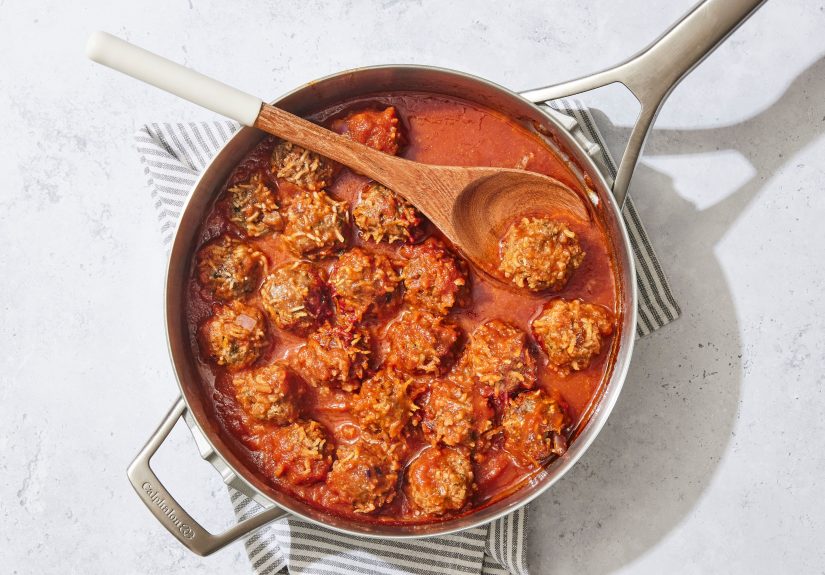
They’re tender ground beef and rice meatballs simmered (or baked) in a tangy tomato saucethen the rice peeks out like little “quills.”
No actual porcupines were interviewed, harmed, or asked to contribute their skincare routine.
This porcupine meatball recipe is old-school comfort food with modern-weeknight energy:
pantry-friendly ingredients, forgiving steps, and the kind of sauce you’ll “accidentally” mop up with bread long after the plates are cleared.
Let’s make a batch that’s saucy, tender, and proudly spiky.
What Are Porcupine Meatballs (and Why the Name)?
Porcupine meatballs are classic meatballs mixed with uncooked rice. As the meatballs cook in a moist environment,
the rice softens and expandssome grains poke out, creating that porcupine “quill” look.
The dish became popular because it stretches a pound of meat into a satisfying meal (a budget-friendly superpower).
Ingredients You’ll Need
There are many beloved versionssome use tomato soup, others use tomato sauce plus broth, and some add extra veggies.
This version leans “classic,” with flexible swaps that won’t make your dinner taste like compromise.
For the meatballs
- Ground beef (85–90% lean works great)
- Uncooked long-grain white rice (the quill-maker)
- Finely diced onion (or dried minced onion in a pinch)
- Egg (helps bind and keeps things tender)
- Garlic powder (or fresh garlic if you’re feeling fancy)
- Salt and black pepper
- Optional: Italian seasoning, parsley, a pinch of celery salt, or a dash of Worcestershire
- Optional moisture helper: a splash of water or milk (small trick, big tenderness)
For the sauce
- Tomato sauce or condensed tomato soup (your call)
- Water, broth, or tomato juice/V8 (for a saucy braise that cooks the rice)
- Worcestershire sauce (adds savory depth)
- Optional: a pinch of sugar or a drizzle of honey (balances acidity)
- Optional: onion/garlic sautéed in a little oil (for extra “Sunday sauce” vibes)
Porcupine Meatball Recipe (Classic Stovetop Simmer)
This method gives you maximum sauce and that old-fashioned comfort-food payoff.
The key is a gentle simmer with enough liquid to cook the rice all the way through.
Step 1: Mix (without overworking)
In a large bowl, combine ground beef, uncooked rice, diced onion, egg, salt, pepper, and seasonings.
Add a small splash of water or milk if your mixture looks tight or extra lean.
Mix just until combinedthink “together,” not “kneaded like bread dough.”
Overmixing can make meatballs dense, and nobody wants a jaw workout at dinner.
Step 2: Shape the “quill pods”
Roll into meatballs about 1 1/2 to 2 inches wide (roughly golf-ball size).
Smaller meatballs cook more evenly and help the rice soften fully.
If the mixture feels sticky, lightly wet your hands.
Step 3: Brown for flavor (optional, but worth it)
Heat a skillet or Dutch oven over medium heat with a little oil.
Brown the meatballs on 2–3 sides. You’re not cooking them throughjust building flavor.
Transfer meatballs to a plate while you prep the sauce.
Step 4: Build the sauce
In the same pan (hello, flavor bits), add tomato sauce (or tomato soup) plus water/broth/tomato juice.
Stir in Worcestershire, and taste for seasoning. If it’s sharp, add a pinch of sugar.
Bring to a gentle simmer.
Step 5: Simmer until tender and spiky
Return meatballs to the pan, nestling them into the sauce.
Cover and simmer on low for about 35–50 minutes, gently stirring the sauce occasionally (careful not to break the meatballs).
If the sauce thickens too much, splash in a bit more liquid.
Step 6: Rest and serve
Let the meatballs rest a few minutes off heat. The sauce thickens slightly, and everyone calms down from the smell.
Serve hot with your favorite sides (ideas below).
Alternative Cooking Methods
Oven-baked porcupine meatballs
Baking is hands-off and great for batch cooking. Arrange meatballs in a baking dish, pour sauce over,
cover tightly (foil is your friend), and bake until the rice is tender.
Uncover near the end if you want a slightly thicker sauce.
- Why it works: Covered baking creates a steamy environment that cooks the rice inside the meatballs.
- Weeknight tip: Use a deeper dish so the meatballs sit partially submerged in sauce.
Slow cooker porcupine meatballs
Slow cooker versions are perfect for busy days and potlucks. You can brown the meatballs first (recommended)
or skip browning if time is tightjust be a little gentler when stirring later.
- Best practice: Make sure there’s enough sauce/liquid. Rice needs moisture and time.
- Texture note: Slow cookers vary; if your sauce reduces a lot, add a splash of broth mid-cook.
Instant Pot / pressure cooker
If rice in meatballs has ever betrayed you with crunchy centers, pressure cooking can be your comeback story.
The sealed environment drives moisture into the rice fast.
- Watch-outs: Keep meatballs uniform in size and avoid packing them too tightly.
- Sauce safety: Use enough liquid to prevent scorching, especially with thicker tomato products.
How to Keep Porcupine Meatballs Tender (Not Tough or Crumbly)
The difference between “grandma-style cozy” and “why is this meatball judging me?” usually comes down to technique.
Here are the most reliable fixes.
- Don’t overmix: Mix until just combined. Overmixing tightens proteins and makes meatballs dense.
- Use a binder: Egg helps hold everything together, especially with rice inside.
- Add a little moisture: A small splash of water or milk keeps the mixture tender and helps the rice cook.
- Brown gently: If browning, turn carefully. You’re building flavor, not playing meatball soccer.
- Simmer, don’t boil: A rolling boil can break meatballs apart and reduce sauce too aggressively.
Rice Tips: Getting the “Quills” Without Crunch
Porcupine meatballs are basically a tiny engineering project: rice has to soften inside meat without drying out the outside.
These tips keep the rice tender.
- Long-grain white rice is the classic choice because it cooks evenly and stays distinct.
- Instant rice works in some recipes but can turn softer fastergreat for speed, less “classic chew.”
- Brown rice takes longer; if you use it, expect extra cook time and add more liquid.
- Use enough sauce: The rice needs moisture. Meatballs should be at least halfway submerged.
- Keep the lid on: Covered cooking traps steam, which is the secret agent that cooks rice inside the meatball.
Sauce Variations (Because You’re the Boss of Your Skillet)
Tomato-based sauce is traditional, but “tomato-based” is a whole personality spectrum.
Pick your vibe:
Tomato soup sauce (retro comfort)
Condensed tomato soup plus water makes a smooth, slightly sweet-and-tangy sauce that screams “midweek classic.”
It’s also the easiest path to the nostalgic flavor many people remember.
Tomato sauce + broth (balanced and savory)
Tomato sauce plus beef or chicken broth tastes more “from scratch,” even if your pantry did most of the work.
Add Worcestershire, garlic, and onion for a deeper flavor.
Tomato juice or V8-style sauce (bright and a little punchy)
Swapping part of the liquid for tomato juice adds zip and a slightly savory vegetable note.
Great if you love sauce that tastes lively rather than sweet.
Italian-ish upgrade (not traditional, but delicious)
Add Italian seasoning, a pinch of red pepper flakes, and a little grated Parmesan on top at serving time.
It’s still porcupine meatballsjust wearing a nicer jacket.
What to Serve with Porcupine Meatballs
These meatballs are saucy, hearty, and happy to be paired with almost anything that can carry extra sauce.
A few favorites:
- Mashed potatoes (classic comfort pairing)
- Egg noodles or buttered pasta
- Rice (yes, more ricedouble rice is a lifestyle)
- Crusty bread for sauce-dunking
- Simple green salad to keep things balanced
- Roasted veggies like broccoli, carrots, or green beans
Make-Ahead, Freezing, and Reheating
Porcupine meatballs are meal-prep champions. They reheat well, and the sauce often tastes even better the next day.
Make-ahead options
- Mix and shape: Form meatballs, cover, and refrigerate up to 24 hours before cooking.
- Cook and chill: Fully cook in sauce, cool, then refrigerate for 3–4 days.
Freezing
- Best method: Freeze cooked meatballs in sauce (prevents drying out).
- Portioning tip: Freeze in meal-sized containers so you can thaw only what you need.
Reheating
Reheat gently on the stovetop over low heat or in the microwave, adding a splash of water or broth if the sauce thickened.
For food safety, ground beef should be cooked to a safe internal temperature (use a thermometer if you can).
Common Problems (and Quick Fixes)
“My rice is still crunchy.”
- Add a little more liquid and keep cooking covered.
- Lower the heat to maintain a gentle simmer (boiling reduces liquid too fast).
- Make slightly smaller meatballs next time for quicker, more even cooking.
“My meatballs fell apart.”
- Make sure you used egg (or another binder).
- Don’t skip the resting step after shaping10 minutes in the fridge can help them firm up.
- Stir the sauce gently; use a spoon to nudge rather than flip aggressively.
“The sauce got too thick.”
- Stir in a splash of broth, water, or tomato juice.
- Keep the lid slightly ajar if you want controlled reduction without drying out.
Conclusion
A great porcupine meatball recipe is simple, comforting, and a little nostalgiclike a warm blanket that also happens to be covered in tomato sauce.
Once you’ve made them once, you’ll start seeing the possibilities: bake them for convenience, simmer them for maximum sauce,
or pressure-cook them when you want fast results with reliably tender rice.
Bonus: below you’ll find an extra section of real-world-style kitchen experiences (the fun stuff),
and at the very end you’ll get the SEO tags in JSON format for easy publishing.
Kitchen Experiences and Real-Life Porcupine Meatball Moments (Bonus)
Porcupine meatballs have a funny way of becoming “that dinner people remember,” mostly because they hit the sweet spot between practical and charming.
In a lot of American kitchens, the story goes something like this: someone is tired, someone is hungry, and someone else is asking if dinner is ready
with the urgency of a tiny food critic who pays rent in opinions.
That’s when porcupine meatballs shinebecause the ingredients are usually already there, and the result tastes like you planned ahead
(even if you absolutely did not).
One common weeknight experience: you start mixing the meat, rice, onion, and seasonings, and the first thought is,
“Is this… too easy?” Then you roll them into little balls and suddenly the rice grains cling to everythingyour hands,
the countertop, your sense of dignity. Five minutes later, the meatballs are in the pan, browning, and the kitchen starts to smell like
a cozy diner that somehow also has good lighting.
When the sauce hits the heat, it’s a full-on aroma announcement: tomato, onion, savory Worcestershire, and that comforting “something good is happening”
vibe. People wander in. Lids get lifted. Someone tries to “taste-test” a meatball suspiciously early.
Another classic: the potluck hero moment. Porcupine meatballs travel well and reheat like champs, which means they’re basically designed for
gatherings where ovens are crowded and timing is chaotic.
You show up with a slow cooker full of saucy meatballs, lift the lid, and watch the room react like you just revealed a magic trick.
The rice “quills” make them memorablepeople ask what they are, then immediately go back for seconds.
And because it’s not a spicy competition dish or a complicated “please respect my foam,” it’s approachable.
Kids eat them. Adults eat them. Somebody requests the recipe. You casually say, “Oh it’s easy,” like you weren’t also fighting rice grains earlier.
Families often build their own house rules around this dish. Some swear by tomato soup because it tastes like childhood.
Others insist on tomato sauce plus broth because they want a richer, less-sweet sauce.
Some add a pinch of Italian seasoning; others won’t touch the recipe because “that’s not how Grandma did it.”
A very real experience is the Great Sauce Debate, which can be resolved peacefully by serving extra sauce on the side
and reminding everyone that the real purpose of sauce is to make mashed potatoes feel emotionally supported.
Then there’s the freezer-meal glow-up. A lot of cooks discover that porcupine meatballs are even better after a rest,
because the flavors settle and the sauce thickens slightly.
You freeze leftovers in a container, forget about them (because life), and thenon a future day when you’re hungry and unmotivated
you find that container like buried treasure.
Reheated gently with a splash of water or broth, they come back to life: tender meatballs, soft rice, and sauce that tastes like you cared.
Pair it with whatever you havepasta, rice, bread, a fork over the sink if it’s that kind of dayand suddenly dinner is handled.
If you’re new to porcupine meatballs, the most relatable experience is the moment you finally see the “quills.”
You lift the lid after simmering, and there they are: little rice spikes poking out like tiny edible hedgehogs.
It’s oddly satisfying, like you’ve completed a craft project that you can also eat.
And the best part is that the dish doesn’t demand perfection. If your meatballs are slightly bigger, they’ll just need a bit longer.
If your sauce is thicker, you add a splash of liquid. If your family wants cheese on top, you sprinkle it and move on with your day.
This is comfort food, not a performance review.
Finally, a small but powerful truth: porcupine meatballs are often the gateway to better home cooking habits.
They teach you to use gentle heat, to respect moisture, and to stop overmixing meat (a lesson many of us learn the hard way).
Once you’ve nailed this, you’ll notice your other meatballs improve too.
And you’ll always have a reliable, crowd-pleasing dinner in your back pocketone that makes people smile,
fills the kitchen with good smells, and proves that sometimes the best meals are the ones with a goofy name.