Table of Contents >> Show >> Hide
- What “Video Tracking” Really Means (It’s Not Just CCTV)
- How Video Tracking Works Behind the Scenes
- Where Video Tracking Shows Up in Everyday Life
- Why Video Tracking Can Be a Bigger Privacy Threat Than Other Data
- The Legal and Regulatory Reality in the U.S.
- Specific Examples of How Video Tracking Can Invade Privacy
- Example: Your “private” doorbell footage becomes someone else’s training data
- Example: Your TV quietly builds an advertising profile based on everything you watch
- Example: A retail “watchlist” scans everyone, not just suspected thieves
- Example: Online video “analytics” shares viewing behavior with third parties
- How to Protect Yourself From Video Tracking (Without Moving to a Cave)
- The Bottom Line: Convenience Shouldn’t Require Constant Observation
- Real-World Experiences: What Video Tracking Feels Like (500+ Words)
If you’ve ever had the eerie feeling that your devices are watching you… you’re not imagining the industry trend.
“Video tracking” doesn’t always mean a mustache-twirling villain staring at a wall of monitors. More often, it’s a quiet
mash-up of cameras, software, and data sharing that can identify you, profile you, and predict what you’ll do nextsometimes
without you ever being clearly told.
And here’s the annoying part: video tracking can be genuinely useful (security, fraud prevention, personalized recommendations).
But when it’s poorly disclosed, over-collected, or sold to the highest bidder, it becomes a privacy problem fast. Like
“why does my TV know I watched three cooking videos and then suggest antacids?” fast.
What “Video Tracking” Really Means (It’s Not Just CCTV)
Most people picture surveillance cameras on ceilings. That’s one kind of video trackingbut modern tracking is broader.
Think of it as three overlapping worlds:
1) Cameras that watch spaces (and sometimes recognize people)
This includes store security cameras, apartment building cameras, doorbell cams, traffic cams, and “smart” cameras in offices.
Add computer vision, and these cameras can do more than record. They can detect faces, count people, analyze movement patterns,
and in some cases attempt to identify individuals.
2) Devices that watch what you watch (smart TVs and streaming analytics)
Your TV may not have eyeballs, but it can still “observe” your viewing habits. Smart TVs and streaming apps can collect data
about what you watch, when you watch, and how you interact (pause, rewind, binge a whole season in one sittingno judgment).
Some TVs use a feature often called automatic content recognition (ACR) to recognize what’s on the screen and tie it to an ad profile.
3) Websites and apps that track video behavior (pixels, SDKs, and “measurement”)
Video tracking also happens online. Many sites and apps use trackers to learn whether you watched a video, how long you stayed,
what you clicked next, and whether you purchased something after watching. This data can be shared with advertisers and analytics
partnerssometimes even if you don’t have an account with them.
How Video Tracking Works Behind the Scenes
Video is incredibly “data-rich.” Even when a company claims it’s not collecting your name, video can still identify you through
faces, bodies, behavior, and context. Here are some of the most common mechanics.
Face detection vs. facial recognition (two very different levels of creep)
Face detection answers: “Is there a face in this image?” Facial recognition tries to answer: “Whose face is it?” Recognition can be used
for unlocking phonesor for identifying people walking into a store. That’s where privacy stakes spike, because it can happen
passively, at a distance, and without your participation.
Research labs and standards organizations test face recognition performance in real-world conditions (like low-resolution or compressed video).
That matters because many cameras in the wild are not cinematic masterpieces. They’re grainy, angled, and lit like a haunted parking garage.
When systems guess wrong, real people can pay the price.
“Soft biometrics”: tracking you without needing your exact name
Even without identifying you as “Alex Johnson,” video analytics can tag you as “adult male, frequent visitor, likely commuter, usually arrives
between 7:40–7:55, often with a backpack.” These “soft biometrics” can include height range, gait (how you walk), clothing style,
hair color, and even patterns like “often accompanies two children.”
That’s still personal data. In the wrong hands, it can be used for targeted advertising, discriminatory treatment, or creepy-in-a-way-that-should-be-illegal
retargeting (“Welcome back! We noticed you looked at our allergy meds aisle for 14 seconds.”).
Cross-device linking: connecting the camera feed to your phone
Many tracking systems don’t rely on video alone. They combine signals: your phone’s location, Wi-Fi or Bluetooth beacons, app identifiers,
and purchase data. The camera becomes one more puzzle piece that helps “stitch” a profile together.
For example, a store might detect a device in its Wi-Fi range and correlate it with a person seen on camera near the same time.
Or an app might collect ad identifiers and also request camera permissions, microphone permissions, or photo accesscreating a broader data picture.
Cloud storage and human access: the “people problem”
The most overlooked privacy risk is not the AI. It’s humans. If video is stored in the cloud, employees, contractors, or compromised accounts
may gain access. Weak security controls can turn a “smart camera” into a “smart peeping incident.”
When companies fail to lock down access, the harm isn’t theoretical: private moments can be exposed, accounts can be hijacked,
and footage can be used for purposes customers never agreed to.
Where Video Tracking Shows Up in Everyday Life
Video tracking isn’t confined to spy movies and dystopian novels. It’s already woven into normal placessome obvious, some sneaky.
Retail stores: loss prevention that turns into people surveillance
Many retailers use cameras to reduce theft. But some go further by deploying facial recognition or automated “watchlists.”
When governance is sloppy, the result can be false matches, embarrassing confrontations, and biased outcomes.
Even if a store claims it’s only tracking “known shoplifters,” the technology often scans everyone who walks in.
That’s a huge privacy trade: you give up biometric data just to buy toothpaste and leave with a receipt you didn’t want.
Smart TVs: the living-room “measurement machine”
Smart TVs and streaming platforms often run on advertising economics. To sell targeted ads, companies want to know what you watch
and what kind of person you might be. Some TVs use ACR-like tools that can recognize what appears on screen (including from cable boxes
or connected devices), then associate that with a profile.
The uncomfortable truth: you can buy a TV once, but it may try to keep monetizing you foreverlike a treadmill subscription,
except the treadmill doesn’t watch your entire family binge holiday movies.
Doorbell cameras and neighborhood networks
Doorbell cams can help with package theft and safety. But they also extend surveillance into public-facing spaces like sidewalks and streets.
That means neighbors, delivery workers, and random passersby can be recordedsometimes continuously.
The privacy concerns grow when footage is shared widely, requested by law enforcement, or accessed improperly. Even when sharing is “optional,”
social pressure can make it feel like refusing is suspiciouslike you’re the villain for not donating your porch footage to the community.
Workplaces and schools: productivity analytics with a camera lens
Some organizations use cameras for safety and access control. Others use video analytics for attendance, behavior monitoring, or “security posture.”
The line between safety and constant observation can blur quickly, especially if people aren’t given meaningful notice or alternatives.
And because video can reveal sensitive informationhealth conditions, disabilities, religious attire, family relationshipsworkplace/school video tracking
can become a major civil liberties issue when handled carelessly.
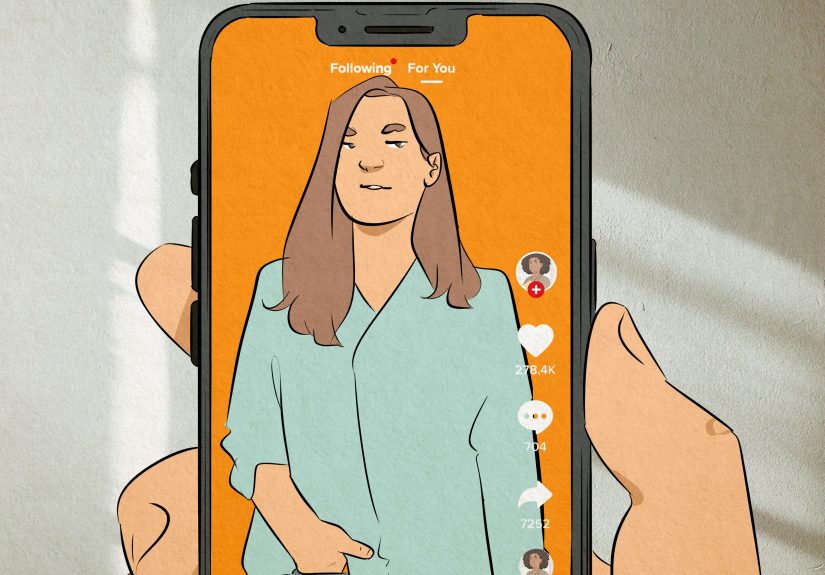
Online video: “Did you watch?” becomes “Who are you?”
On the internet, video engagement is valuable. Advertisers pay for proof that a video was watched, for how long, and what happened afterward.
Trackers can collect event data like “video started,” “25% watched,” “clicked subscribe,” “added item to cart,” and then connect it to ad systems.
This is one reason video pages can become privacy hotspots. A video about a health topic, a political issue, or a personal struggle can reveal a lot
about youespecially when “measurement” tools quietly share that behavior with third parties.
Why Video Tracking Can Be a Bigger Privacy Threat Than Other Data
Video can capture sensitive context instantly
A browsing history might suggest what you’re curious about. Video can show who you’re with, where you are, what you look like, how you move,
and what you’re doing. It can capture children, visitors, and bystanders who never consented.
Biometric data is hard to change
If your password leaks, you can change it. If your faceprint or biometric template leaks, you can’t exactly swap faces with a friend
(and if you could, that would create a whole new set of problems).
Errors and bias can cause real harm
Facial recognition and video identification systems can be inaccurate, especially in poor conditions. When organizations rely on shaky matches,
people can be wrongly flagged, questioned, denied service, or worse. Privacy isn’t just about secrecyit’s about preventing harm from misuse.
“Function creep” is almost guaranteed
A system introduced for “security” can quietly expand into marketing analytics, employee monitoring, or customer profiling. This is function creep:
the tool’s purpose grows, but your consent doesn’t. It’s like signing up for a gym membership and discovering it also includes a weekly
evaluation of your fridge contents.
The Legal and Regulatory Reality in the U.S.
The U.S. doesn’t have a single comprehensive federal privacy law covering all video tracking. Instead, it’s a patchwork:
federal enforcement actions, state privacy laws, sector-specific rules, and local restrictions.
FTC enforcement: “unfair or deceptive” data practices
The Federal Trade Commission has taken action when companies collect or use video-related data in ways that violate promises,
fail to protect consumers, or cause foreseeable harm. In plain English: if a company is sneaky about video collection or sloppy about security,
regulators may come knocking.
The Video Privacy Protection Act (VPPA): your viewing history can be protected
The VPPA is a federal law originally tied to video rentals, but it’s been applied (and debated) in modern contexts involving digital video services.
The basic idea: companies shouldn’t disclose personally identifiable information about your video viewing without proper consent.
That matters in a world where “watching a video” can reveal sensitive interests and personal life details.
State privacy laws: rights to know, delete, and opt out (where available)
State lawsmost famously California’s privacy frameworkcan give residents the right to learn what data a business has, request deletion,
and opt out of certain kinds of sharing. While details vary, the direction is clear: video and biometric-adjacent data are increasingly treated
as high-risk information.
Local rules and bans: some places say “not here”
Several cities and jurisdictions have restricted or banned certain government uses of facial recognition. Whether you see that as wise caution
or frustrating limitation, it’s proof that video tracking has become a public policy issuenot just a tech feature.
Specific Examples of How Video Tracking Can Invade Privacy
Example: Your “private” doorbell footage becomes someone else’s training data
You buy a camera to protect your home. You expect it to record motion events and store clips. What you don’t expect is employees or contractors
accessing private videos without a legitimate reasonor footage being used in ways you never agreed to. That’s not “innovation.” That’s a trust breach.
Example: Your TV quietly builds an advertising profile based on everything you watch
A smart TV can recognize content and tie it to a household profile, potentially learning preferences (sports, politics, kids’ shows, late-night binge patterns).
Even if the data is described as “not directly identifying,” it can still be linked back to you through device IDs, home networks, or account logins.
This can lead to targeted advertising that feels suspiciously personaland sometimes exposes sensitive interests to anyone else who sees the screen.
Example: A retail “watchlist” scans everyone, not just suspected thieves
A store claims facial recognition is used only for theft prevention. In practice, the camera sees everyone. If the system misidentifies someone,
a normal shopping trip can turn into a humiliating confrontation. Worse, the person may never learn why they were flagged or how to challenge it.
Example: Online video “analytics” shares viewing behavior with third parties
You watch a video embedded on a website. Behind the scenes, trackers may log that you watched it and send data to an ad platform.
That can be especially sensitive when the video topic is about health, finances, family issues, or political beliefs.
How to Protect Yourself From Video Tracking (Without Moving to a Cave)
You don’t need to panic. You do need leverage. Here are practical, realistic steps that reduce exposure.
On smart TVs and streaming devices
- Look for ACR or “viewing data” settings and turn them off if you can.
- Limit ad personalization in TV and streaming app settings.
- Use a separate streaming box if your TV’s built-in system is overly invasive.
- Review privacy policies during setup (yes, it’s boringthink of it as flossing for your data).
On doorbell and home security cameras
- Enable two-factor authentication and use a strong, unique password.
- Prefer local storage or end-to-end encryption when available.
- Set tight sharing controls so clips aren’t casually distributed.
- Place cameras thoughtfully to reduce capturing neighbors’ private spaces.
On phones, apps, and browsers
- Audit camera and microphone permissions and remove anything that doesn’t need them.
- Use tracker blocking in your browser or privacy-focused extensions.
- Limit ad identifiers (reset them and restrict tracking where your device allows).
- Be careful with “free” apps that monetize through aggressive data collection.
Use your privacy rights when you have them
If your state allows it, request access to the data a company has about you, ask for deletion, and opt out of certain sharing.
Even when it feels like yelling into the void, these requests create pressureand sometimes real change.
The Bottom Line: Convenience Shouldn’t Require Constant Observation
Video tracking is powerful because it’s effortless for companies and invasive for everyone else. It can improve security and personalize experiences,
but it can also quietly convert daily life into a data stream: where you go, what you watch, who you’re with, and what you might do next.
The best mindset isn’t paranoia. It’s boundaries. Ask: What’s being collected? Why? Where does it go? Who can access it?
If the answers are vague, that’s your signal to tighten settings, choose different products, or exercise your rights.
Your life is not a loyalty program.
Real-World Experiences: What Video Tracking Feels Like (500+ Words)
People usually don’t experience “video tracking” as a single dramatic moment. It’s more like a series of little “Wait… how did it know that?”
encounters that add up. Here are common experiences that many consumers describeshared here as realistic, composite scenarios (not tied to any
one person), because privacy problems tend to look painfully similar from house to house.
The smart TV that got a little too accurate
You watch a couple of home workout videos on your TV. No big deal. Later that day, you start seeing ads that feel oddly specificworkout gear,
supplements, even “beginner-friendly” programs. At first you shrug it off as normal internet coincidence. Then the suggestions start showing up on
other devices in the house. That’s when it clicks: it’s not just “recommendations.” It’s profiling.
The uncomfortable part isn’t the ads. It’s the realization that your living roomyour off-duty, sweatpants-safe zonemay be feeding a data pipeline.
And because TVs are often shared, the profile isn’t even “you.” It’s a blended household identity that can reveal more than you intended to anyone
else who picks up a remote.
The store visit that didn’t feel anonymous anymore
You walk into a big retail store and notice new camera domes near the entrance. Again, no big dealstores have always had cameras. But the next time
you visit, an employee greets you in a way that feels strangely pointed, like they already know you’re “a regular.” Maybe it’s great customer service.
Maybe it’s a loyalty app check-in. Or maybe it’s analytics that recognize repeat visitors and estimate demographics.
Most people can tolerate security cameras. What makes them uneasy is the loss of “casual anonymity,” the ability to exist in public without becoming a
record in someone’s private database. When a normal errand feels like being “logged,” people start changing behavioravoiding certain aisles,
skipping purchases they’d rather keep private, or shopping somewhere else entirely.
The doorbell camera clip that traveled farther than expected
A neighbor posts a doorbell clip in a community group: “Did anyone else see this person?” The video includes a passerby who did nothing wrong.
Suddenly, a random pedestrian is being analyzed by strangers: outfit, body language, “suspicious vibe.” Even when the post is well-intentioned,
the effect can be unfair and invasiveespecially for delivery workers, teenagers walking home, or anyone who already gets judged too quickly.
The experience people report isn’t just “I’m on camera.” It’s “I’m on camera and other people control the story.” Video is persuasive. It can be taken
out of context, misunderstood, or spread without consent. That’s a privacy harm even before you get to hacking or unauthorized access.
The online video that revealed more than curiosity
You watch a video about a sensitive topicmaybe a health symptom, a family issue, or a personal finance problem. It’s educational, private,
and honestly the kind of thing people research because they’re trying to make life better. Later, you notice related ads appearing elsewhere:
on social media, in other apps, on websites that have nothing to do with what you watched.
That’s when people describe feeling “exposed.” Not because they did something wrong, but because curiosity should not automatically become a marketing label.
When video viewing behavior leaks into ad ecosystems, it can turn vulnerable moments into targetable segments.
The emotional takeaway
Across these experiences, the theme is consistent: video tracking changes how people feel in ordinary spaces. It makes home feel less private,
stores feel less neutral, and the internet feel less like a library and more like a one-way mirror. The fix isn’t to reject technology entirely.
It’s to demand clearer disclosure, stronger limits, better security, and real controlso “smart” products don’t become sneaky products.