Table of Contents >> Show >> Hide
- The Big “Happy’s Place” Season 2 Update, Explained
- Why the Update Is a Big Deal for Reba McEntire Fans
- What “Happy’s Place” Gets Right
- What Season 2 Adds to the Mix
- The Reba Reunion Energy Is Not an Accident
- Why NBC’s Confidence Says Even More Than the Update Itself
- What Fans Can Expect Next
- The Fan Experience: Why This Update Hits Different
- Conclusion
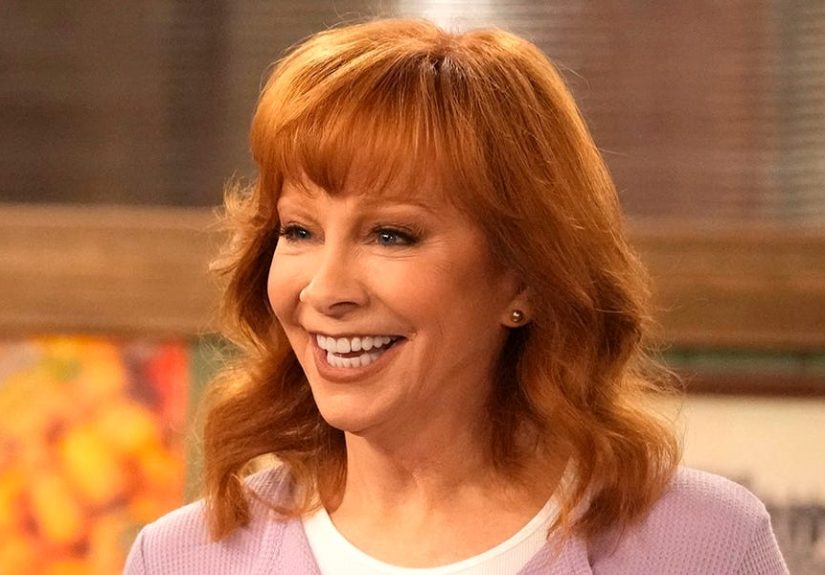
When Reba McEntire says the bar is open, television fans tend to show up early and stay for a second round. That is exactly what happened with Happy’s Place, NBC’s cozy, joke-packed sitcom that turned a simple tavern setup into a surprisingly charming story about family, second chances, and the kind of workplace chaos that somehow feels comforting. So when Reba delivered a major Happy’s Place Season 2 update, fans had every reason to perk up, spill a little sweet tea, and start texting the group chat.
The update was not tiny. It was not a vague “stay tuned” tease floating around the internet like a balloon with no string. It was a real, meaningful sign that Happy’s Place had real momentum. After the show’s early success, Season 2 was renewed, production moved forward, and the next chapter became much more than wishful thinking. What started as a feel-good return to the sitcom format for Reba quickly turned into one of NBC’s most dependable comfort watches.
And that is the heart of the story here. Reba McEntire did not just give fans a pleasant update about Happy’s Place Season 2. She confirmed that the series had staying power. In the crowded world of television, where plenty of shows arrive with fireworks and vanish like a magician’s rabbit, that matters. A lot.
The Big “Happy’s Place” Season 2 Update, Explained
The major update around Happy’s Place Season 2 came in stages, and each one made the story a little bigger. First came the news that NBC had enough confidence in the show to renew it. That alone told viewers the series had connected with both the network and its audience. Then came the production progress that made the renewal feel real instead of theoretical. When Reba shared that filming was underway, the update shifted from “good news” to “it is actually happening, folks.”
That distinction matters in entertainment coverage. Renewal announcements can feel exciting, but filming updates are the moment when a season stops being a headline and starts becoming television. It means scripts are moving, sets are active, actors are back in character, and viewers are no longer surviving on hope and reruns. In classic Reba fashion, the update carried a little warmth, a little excitement, and just enough “y’all” energy to make it feel personal.
By the time NBC locked in a fall return, fans had the complete picture: Happy’s Place was not limping into a second season. It was heading back with confidence, visibility, and the kind of rollout that suggested the network knew it had a keeper.
Why the Update Is a Big Deal for Reba McEntire Fans
For longtime Reba fans, this was never just about a sitcom renewal. It was about seeing McEntire thrive in a format that has suited her for years. Her on-screen style has always worked because she can do something many stars cannot: she can land a joke, sell a heartfelt moment, and make both feel effortless. That balance is a secret weapon in a multi-cam comedy, where charm matters almost as much as timing.
Happy’s Place also scratches a very specific itch. It gives viewers something upbeat without feeling empty. The show has jokes, sure, but it also leans into family history, emotional messiness, and the idea that the people around you can become your people, even when life introduces them in the most inconvenient way possible. A tavern inherited from Dad is already complicated. Discovering a younger half-sister tied to the business? That is sitcom gold.
The Season 2 update matters because it confirms that this blend of comfort and conflict is working. NBC did not just say yes to more episodes. The network effectively said that Happy’s Place has become part of its bigger comedy strategy. For Reba fans, that means her latest TV home is not a brief visit. It is an address.
What “Happy’s Place” Gets Right
A familiar setup with enough fresh tension
At first glance, Happy’s Place sounds like classic network-TV comfort food: a family business, quirky regulars, a lead character with a strong point of view, and a room full of people who can never quite mind their own business. But the show works because it does not stop at cozy. It gives Bobbie real emotional ground to stand on, especially as she processes her father’s legacy and her unexpected connection to Isabella.
That premise allows the series to balance old-school sitcom rhythm with newer emotional texture. One scene can be all banter and eye-rolls, and the next can touch on grief, loyalty, or identity without feeling like the show suddenly wandered into somebody else’s script.
The Reba factor
Reba McEntire remains the engine. She brings ease to the role of Bobbie, but more importantly, she brings credibility. Viewers believe her as the person holding the room together, even when the room is one sarcastic exchange away from chaos. The reason a show like this can feel effortless is because the lead makes the hard part look easy.
There is also the built-in affection audiences have for McEntire’s television history. Happy’s Place does not need to be a copy of Reba to benefit from that goodwill. It simply borrows the best lesson from that earlier success: television gets a lot more enjoyable when the audience wants to spend time with the cast.
The chemistry is doing heavy lifting in the best way
The ensemble matters here. Melissa Peterman adds the kind of comic confidence that can turn a side character into a scene-stealer. Belissa Escobedo gives Isabella enough spark and vulnerability to keep the family dynamic from feeling flat. Rex Linn brings a lived-in energy to Emmett that makes the romantic tension feel earned rather than forced. The supporting cast helps the tavern feel like a real place instead of a set where people take turns delivering punch lines.
What Season 2 Adds to the Mix
The best sign about Happy’s Place Season 2 is that it does not appear interested in playing it safe. Instead of just repeating the first season’s formula with slightly shinier glasses behind the bar, the second season raises the stakes in a few smart ways.
For one thing, the Bobbie-and-Emmett storyline finally has room to breathe. That relationship has the exact amount of tension viewers like in a comfort sitcom: enough to keep things interesting, not so much that everybody wants to throw the remote at the wall. Season 2 leans into that dynamic, and it gives the show a romantic thread that can create both comedy and genuine vulnerability.
Then there is the promise of a long-buried secret, which is the kind of phrase TV writers love because it can mean anything from “mildly awkward confession” to “everybody at the bar needs to sit down immediately.” Either way, it gives Season 2 a stronger narrative spine. A workplace comedy does not always need a mystery, but adding one can sharpen the emotional stakes and keep the weekly stories from feeling too interchangeable.
The guest-star choices also show ambition. Bringing in familiar comedy names and adding another reunion-friendly connection from Reba’s TV orbit helps the series feel playful without becoming gimmicky. When a show knows how to use nostalgia as seasoning rather than the whole meal, it usually ends up tasting better.
The Reba Reunion Energy Is Not an Accident
Part of the appeal of Happy’s Place is how openly it embraces the idea of creative reunion. Reba McEntire working again with Melissa Peterman already gives the series a built-in warm glow. Add in additional familiar faces and behind-the-scenes continuity, and the show starts to feel like a project built on trust rather than convenience.
That matters because audiences can usually tell the difference. Some reunion casting feels like marketing. This feels like chemistry. The cast does not play as a group assembled by algorithm. They feel like people who actually enjoy the same room, which is helpful when your comedy depends on people talking over one another while somebody in the background probably forgot a dish, a secret, or a sensible life choice.
Reba herself has spoken about how nostalgic and easy it feels to work with people she knows well, and that tone seems to spill onto the screen. The result is a series that feels welcoming rather than manufactured. In a media environment overflowing with content, “welcoming” is more powerful than it sounds.
Why NBC’s Confidence Says Even More Than the Update Itself
The biggest reason this Season 2 update matters is not just what Reba said. It is what the broader timeline says. A full-season order for the first run suggested NBC saw early potential. A Season 2 renewal confirmed the network believed the audience was sticking around. Production updates showed the machine was moving. A firm premiere date signaled scheduling confidence. And the fact that the show later earned a Season 3 renewal while Season 2 was still in motion tells you this is no fluke.
That pattern is what industry watchers pay attention to. One piece of good news can be publicity. A string of good news usually means a show has become useful to the network in a real way. Happy’s Place appears to offer NBC something valuable: a reliable, recognizable, comfort-forward comedy anchored by a star with lasting appeal.
In other words, the bar is not just open. It is doing good business.
What Fans Can Expect Next
Going forward, the most interesting question is not whether Happy’s Place can keep telling stories. It clearly can. The real question is how far it wants to push its emotional center without losing its easygoing charm. That is the trickiest balance for any sitcom built on comfort. Viewers want growth, but they also want the familiar feeling that brought them in.
Season 2 seems positioned as the bridge between introduction and expansion. The characters are now established enough for the writers to dig deeper. Bobbie can evolve beyond being the person reacting to the premise. Isabella can become more than the surprise twist who walked through the door. Emmett can become more than the maybe-romance. Gabby can continue being a comic force while still feeling like a person instead of a punch-line vending machine.
If the show keeps leaning into character chemistry, smart guest casting, and storylines that mix humor with just enough heart, it has room to stay on the air for a while. Reba herself has hinted, jokingly and maybe not entirely jokingly, that there are plenty more seasons’ worth of dream guest stars left to bring in. That sounds like optimism, but it also sounds like a team thinking beyond the immediate moment.
The Fan Experience: Why This Update Hits Different
There is also something worth saying about the viewer experience around a headline like this, because Happy’s Place does not inspire the same reaction as a random renewal notice. For many fans, following the Season 2 update feels personal in a way that only a few stars can still pull off. Reba McEntire is one of those performers who carries familiarity across decades, formats, and audiences. She is not just someone people watch. She is someone people feel like they have watched with.
That changes the emotional temperature of the news. When fans hear that a Reba-led sitcom is filming again, returning again, and growing again, it feels less like corporate scheduling and more like a favorite neighborhood spot announcing it survived another year. The emotional math is different. Viewers are not only reacting to the plot or the premiere date. They are reacting to the comfort of knowing this particular voice and style of comedy still has a place on modern television.
There is a nostalgia factor, obviously, but nostalgia alone does not keep people interested. What makes the experience more satisfying is that Happy’s Place is not trying to trap viewers in the past. It nods to older sitcom pleasures while still building its own identity. For longtime fans, that creates a nice double reward. They get the familiar rhythm they missed, but they also get the feeling that this cast and these characters have somewhere new to go.
There is also the fun of watching audience investment grow in real time. A first season asks people to show up. A second season asks them to commit. Once fans start discussing pairings, favorite characters, guest-star wish lists, and future storylines, the relationship with the show changes. It becomes part of routine viewing instead of a one-time curiosity. That is why a production update from Reba landed so well. It validated that fan investment. It told viewers their excitement had somewhere to go.
And then there is the simplest part of all: Happy’s Place is pleasant company. That may sound like faint praise in the prestige-TV era, but it is not. Pleasant company is rare. A show that can make people laugh, relax, and care about a room full of oddballs without turning every episode into emotional warfare is doing something valuable. The Season 2 update matters because it protects that experience. It means more nights with Bobbie behind the bar, more awkward truths, more barstool wisdom, more ensemble banter, and more chances for the series to sharpen what it already does well.
So yes, this was a major update. Not because it came wrapped in flashy drama, but because it confirmed stability, momentum, and creative confidence. For fans of Reba McEntire, for viewers who still love a strong network sitcom, and for anyone who wants television to occasionally feel like a warm room instead of a homework assignment, that is very good news indeed.
Conclusion
Reba McEntire’s major Happy’s Place Season 2 update landed because it represented more than a routine entertainment headline. It marked a clear progression from early promise to full-blown staying power. Between the renewal, the production momentum, the expanded storylines, the returning cast, and the growing sense that NBC sees the sitcom as a real asset, Happy’s Place has gone from “nice new Reba show” to “one of TV’s most dependable comfort comedies.”
That is not a small jump. It is the kind of leap that happens when a series understands its strengths and knows exactly who it is serving. Happy’s Place is not trying to be the loudest show in the room. It is trying to be the one viewers are happiest to come back to. Judging by the Season 2 update, and everything that followed, that strategy is working just fine.