Table of Contents >> Show >> Hide
- Why This Easy Scallops and Asparagus Recipe Works
- Easy Sautéed Scallops With Asparagus Recipe
- How to Buy the Best Scallops
- How to Prep Asparagus Without Overthinking It
- Tips for Perfect Sautéed Scallops Every Time
- Common Mistakes to Avoid
- What to Serve With Sautéed Scallops and Asparagus
- Easy Variations
- Storage and Reheating
- Why This Recipe Deserves a Spot in Your Regular Rotation
- Cooking Experience: Why This Dish Feels So Good to Make and Eat
- Conclusion
- SEO Tags
If dinner has been feeling a little too “chicken again?” lately, this recipe for easy sautéed scallops with asparagus is here to rescue the evening with very little drama and a surprising amount of elegance. Scallops have a reputation for being restaurant-only food, like they require white tablecloths, tiny spoons, and someone named Claude whispering about beurre blanc. In reality, they are one of the fastest-cooking proteins you can make at home. Pair them with asparagus, which cooks just as quickly and loves lemon and butter almost as much as scallops do, and you have a meal that looks fancy without demanding a culinary meltdown.
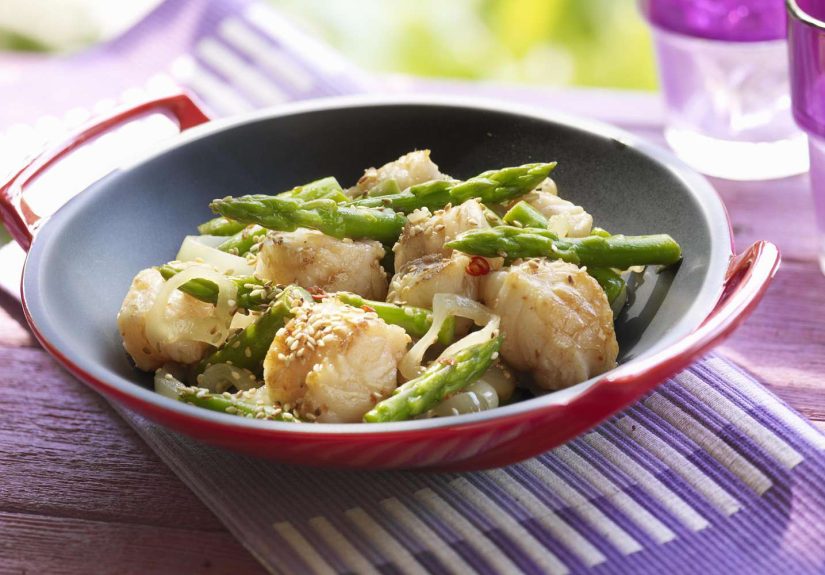
This dish is all about contrast: golden, lightly crisp scallops on the outside, tender and sweet in the middle, plus fresh asparagus that stays bright, green, and just snappy enough to make you feel like spring has officially clocked in. Better yet, it comes together in about 20 minutes, which means it is equally suited to a weeknight dinner, a date night at home, or a moment when you simply want to eat like someone who has their life together.
Below, you will find a straightforward recipe, practical tips for buying and cooking scallops, common mistakes to avoid, serving ideas, and a longer personal-style reflection on what makes this kind of meal so satisfying. If you have ever been intimidated by scallops, relax. We are going to make them approachable, delicious, and just a little showy in the best possible way.
Why This Easy Scallops and Asparagus Recipe Works
The beauty of sautéed scallops with asparagus is that both main ingredients thrive under the same general cooking strategy: high heat, short cooking time, and minimal fuss. Scallops are naturally sweet and rich, so they do not need a parade of ingredients to taste good. Asparagus brings freshness, color, and a grassy bite that balances the buttery seafood beautifully.
This version also keeps the ingredient list simple. A little olive oil helps the sear, butter adds flavor, garlic brings warmth, and lemon wakes everything up. You get a sauce, but not the kind that requires six pans and an emotional support whisk. Instead, the pan juices become the sauce. That is the sort of efficiency we can all get behind.
Easy Sautéed Scallops With Asparagus Recipe
Recipe Overview
- Yield: 4 servings
- Prep time: 10 minutes
- Cook time: 10 to 12 minutes
- Total time: About 20 to 22 minutes
Ingredients
- 1 1/4 pounds large sea scallops, side muscle removed if needed
- 1 pound asparagus, trimmed and cut into 2-inch pieces
- 2 tablespoons olive oil, divided
- 2 tablespoons unsalted butter, divided
- 3 garlic cloves, finely minced
- 1 teaspoon lemon zest
- 1 1/2 tablespoons fresh lemon juice
- 1/4 cup dry white wine or low-sodium chicken broth
- 1/2 teaspoon kosher salt, plus more to taste
- 1/4 teaspoon freshly ground black pepper, plus more to taste
- 1 tablespoon chopped fresh parsley
- Optional: pinch of red pepper flakes
- Lemon wedges, for serving
Instructions
- Dry the scallops well. Pat the scallops very dry with paper towels. This is not the moment to be casual. Moisture is the enemy of a good sear. Season both sides with the salt and pepper.
- Prep the asparagus. Snap or cut off the woody ends. If the stalks are very thick, peel the lower portion lightly with a vegetable peeler. Cut into 2-inch pieces so they cook quickly and are easy to eat.
- Cook the asparagus first. Heat a large skillet over medium-high heat. Add 1 tablespoon of olive oil and 1 tablespoon of butter. Add the asparagus and sauté for 4 to 6 minutes, stirring occasionally, until bright green and crisp-tender. Add a small pinch of salt. Transfer the asparagus to a plate.
- Sear the scallops. Wipe the skillet if needed and return it to medium-high to high heat. Add the remaining 1 tablespoon olive oil. When the pan is hot and the oil shimmers, place the scallops in the skillet in a single layer, leaving space between them. Do not crowd the pan. Cook for 2 to 3 minutes without moving them, until the bottoms are deeply golden.
- Flip and finish. Turn the scallops and cook for another 1 to 2 minutes. Add the remaining 1 tablespoon butter, the garlic, and optional red pepper flakes. Let the garlic cook for about 30 seconds, just until fragrant.
- Make the quick pan sauce. Add the white wine or broth, lemon zest, and lemon juice. Stir gently for about 30 seconds to 1 minute, scraping up any flavorful browned bits from the pan.
- Bring it together. Return the asparagus to the skillet and toss briefly to coat in the sauce. Sprinkle with parsley. Taste and add more salt or pepper if needed.
- Serve immediately. Plate the asparagus first, then top with the scallops. Spoon the pan sauce over everything and serve with lemon wedges.
How to Buy the Best Scallops
If you want the best sautéed scallops, start at the store or fish counter with one key phrase: dry-packed scallops. Dry-packed scallops have not been treated to retain extra water, which means they brown better and taste more naturally sweet. Wet scallops, on the other hand, tend to release more liquid in the pan, which leads to steaming instead of searing. That is how you end up with pale scallops that look like they need a motivational speech.
Look for large sea scallops if you want that classic golden crust and tender center. They are easier to sear than tiny bay scallops, which cook much faster and are better suited for pasta, chowder, or stir-fries. Fresh scallops should smell clean and mildly briny, not aggressively fishy. If you are using frozen scallops, thaw them overnight in the refrigerator and dry them thoroughly before cooking.
Also check for the small side muscle, a little rectangular flap attached to the side of some scallops. It is edible, but it can turn tough and rubbery, so pull it off if you see it. It usually peels away easily with your fingers.
How to Prep Asparagus Without Overthinking It
Asparagus is one of the easiest vegetables to prepare, but a little attention goes a long way. The lower ends can be woody, so trim them off. You can snap the ends where they naturally break or cut off the bottom inch or two with a knife. If you are working with thick spears, peeling the lower third helps them cook more evenly.
For this recipe, cutting asparagus into shorter pieces makes the dish more fork-friendly and helps it sauté quickly. You want it tender but not floppy. Crisp-tender asparagus adds contrast to the soft interior of the scallops, and that texture difference is what keeps the dish from feeling one-note.
Tips for Perfect Sautéed Scallops Every Time
1. Dry means dry
Pat the scallops dry, then pat them again like you are getting them ready for their close-up. Surface moisture prevents browning.
2. Use a hot pan
A properly heated skillet is what gives scallops that restaurant-style crust. Stainless steel or cast iron works especially well.
3. Do not crowd the skillet
Give each scallop some breathing room. If they are packed too tightly, they will steam instead of sear. Work in batches if needed.
4. Leave them alone
The urge to poke, flip, shuffle, and generally micromanage scallops is strong. Resist it. Let them sit undisturbed for the first side to brown properly.
5. Pull them before they go rubbery
Scallops cook fast. Once they are opaque and firm, they are done. Overcooked scallops lose their tender bite and turn a little bouncy in the least charming way possible.
Common Mistakes to Avoid
- Starting with wet scallops: They shed water and sabotage the sear.
- Using low heat: You will get pale scallops instead of caramelized ones.
- Adding garlic too early: Garlic burns quickly, so add it near the end.
- Overcooking the asparagus: It should stay green and lively, not limp and tired.
- Walking away for “just a second”: Scallops do not need much time, and they will not wait politely forever.
What to Serve With Sautéed Scallops and Asparagus
This dish is lovely on its own, but it also plays well with a few simple sides. Spoon the scallops and asparagus over creamy risotto, angel hair pasta, mashed potatoes, or lemony rice if you want something more filling. A crusty loaf of bread is also a smart move because the buttery lemon pan sauce should not be left behind on the plate like some forgotten masterpiece.
For a lighter meal, serve it with a crisp green salad, roasted baby potatoes, or cauliflower puree. If you want to make the dish feel extra dinner-party-worthy, finish it with shaved Parmesan, a dusting of lemon zest, or a drizzle of browned butter.
Easy Variations
Make it creamy
After adding the broth or wine, stir in 2 to 3 tablespoons of heavy cream for a richer sauce.
Make it herby
Swap parsley for chives, dill, or tarragon for a slightly more elegant flavor profile.
Make it spicy
Add more red pepper flakes or a tiny spoonful of Calabrian chili paste for heat.
Make it gluten-free and low-carb
Good news: it already is, as long as your broth is gluten-free.
Storage and Reheating
Scallops are at their best right after cooking, so this is not really a “meal prep for five days” kind of dinner. If you do have leftovers, refrigerate them promptly in an airtight container and eat them within a day. Reheat gently in a skillet over low heat just until warmed through. The microwave works in emergencies, but it can turn tender scallops into little hockey pucks with trust issues.
If you are buying scallops ahead of time, keep them cold and cook them within 1 to 2 days for the best quality and food safety. Fresh seafood is not the place to embrace procrastination.
Why This Recipe Deserves a Spot in Your Regular Rotation
Easy sautéed scallops with asparagus checks a lot of boxes. It is fast, flavorful, high in protein, and packed with fresh seasonal appeal. It feels special enough for guests but simple enough for a Tuesday. It also proves that “special occasion food” does not have to mean complicated food. Sometimes the smartest recipe is the one that understands when to stop adding things and let a few great ingredients shine.
In other words, this is the dinner version of showing up effortlessly polished. Not smug. Just quietly excellent.
Cooking Experience: Why This Dish Feels So Good to Make and Eat
There is something almost magical about cooking scallops at home for the first time. You start out a little suspicious, because scallops have a way of sounding expensive, delicate, and possibly judgmental. You think one wrong move will ruin dinner and your self-esteem in a single sizzling moment. But then the pan gets hot, the butter foams, the scallops hit the skillet, and suddenly the whole kitchen smells like you know exactly what you are doing.
That is one reason this recipe is such a satisfying experience. It delivers instant feedback. The asparagus turns greener and brighter right before your eyes. The scallops develop that gorgeous golden crust that feels wildly impressive for something that took all of three minutes. You do not wait an hour to discover whether you succeeded. The recipe tells you, in real time, that dinner is going very well.
It is also one of those meals that makes ordinary evenings feel upgraded. Maybe the day was chaotic. Maybe your inbox tried to ruin your personality. Maybe everyone in the house asked “What’s for dinner?” with the emotional intensity of courtroom attorneys. Then you put scallops and asparagus on the table, and suddenly the mood changes. The meal looks elegant. It tastes fresh and a little luxurious. People sit up straighter. Someone says, “Wow.” You pretend this kind of thing happens all the time.
I also think this dish teaches a useful cooking lesson: good food does not always come from more effort. It often comes from better timing. Scallops are not improved by a thousand ingredients. Asparagus does not need to be buried under cheese or breadcrumbs to be delicious. The win comes from knowing when to leave things alone, when to flip, when to pull the pan off the heat, and when to add that final squeeze of lemon. It is cooking with attention, not complication.
And then there is the texture. That is the part people remember. A properly cooked scallop has this lovely contrast between the caramelized outside and the tender center. Asparagus adds a crisp, fresh bite that keeps the whole plate from feeling too rich. The sauce ties it together with buttery, garlicky brightness. Every forkful tastes balanced, like it has both common sense and good manners.
Another joy of this recipe is that it feels flexible without losing its identity. You can dress it up with wine and herbs for company, or keep it simple on a weeknight with just lemon and butter. You can serve it over rice, pasta, or potatoes, or eat it straight from a shallow bowl while standing at the counter because it smells too good to wait. It is forgiving in that way. Fancy if you want it to be, practical if you need it to be.
Most of all, easy sautéed scallops with asparagus is the kind of meal that reminds you why cooking can be fun. Not performative fun. Not “I made a 47-step recipe and now I need a nap” fun. Real fun. The kind where a few ingredients become dinner quickly, beautifully, and deliciously. The kind where your kitchen feels less like a chore station and more like a place where genuinely good things happen. And honestly, any recipe that can do that deserves to be made again.
Conclusion
If you have been looking for a seafood dinner that feels polished without being fussy, this recipe for easy sautéed scallops with asparagus is the answer. It is quick enough for weeknights, pretty enough for guests, and simple enough that you do not need a culinary degree or a dramatic soundtrack to pull it off. Focus on dry scallops, a hot pan, crisp-tender asparagus, and a buttery lemon finish, and you are already most of the way there.
The result is a plate that tastes fresh, balanced, and just indulgent enough to feel special. In short: this is how you make dinner feel like a small event, in the best possible way.