Table of Contents >> Show >> Hide
- What Rosacea Usually Looks Like
- When It Might Be Something Else
- Why Rosacea Gets Misread So Often
- How Doctors Tell the Difference
- What Usually Helps If It Really Is Rosacea
- When to Stop Guessing and See a Dermatologist
- Bottom Line: Rosacea Has Clues, Not Just Redness
- Experiences People Commonly Have When They Ask, “Rosacea or Something Else?”
- Conclusion
- SEO Tags
If your face has been acting like it has its own dramatic weather systemflushing one minute, bumpy the next, and somehow irritated all the timeyou are not alone. One of the most confusing things about facial redness is that rosacea rarely arrives wearing a giant name tag. It often looks like acne, dermatitis, a reaction to skin care, or some mysterious punishment for trying a new serum at 11:47 p.m.
That is exactly why the question “Rosacea or something else?” matters. Rosacea is common, chronic, and manageable, but it is also easy to confuse with several other skin conditions. And when you mistake one problem for another, the treatment can go sideways fast. Acne products may irritate rosacea. Heavy creams may worsen bumps. Steroid creams can calm one rash while making another one throw a full-on tantrum.
This guide breaks down what rosacea usually looks like, what conditions commonly mimic it, how doctors tell the difference, and what to do next if your skin is broadcasting mixed signals. This article is educational, not a diagnosis, but it can help you stop guessing and start noticing the clues that actually matter.
What Rosacea Usually Looks Like
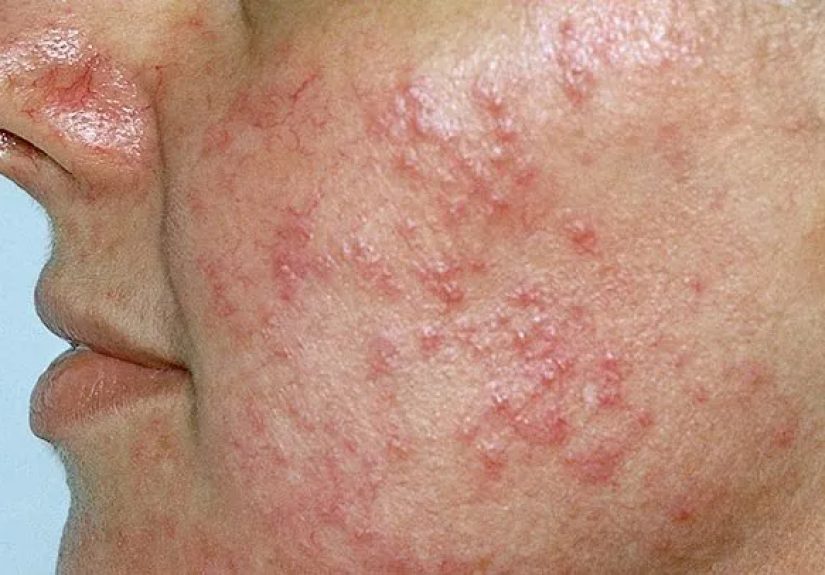
Rosacea is a long-term inflammatory skin condition that most often affects the center of the face: the cheeks, nose, forehead, and chin. It tends to flare and calm down in cycles, which is one reason people often dismiss it at first. They assume they are just “blushing a lot,” reacting to spicy food, or having a weird run with sensitive skin.
The classic clues
Rosacea often shows up with a combination of signs rather than one single symptom. The most common patterns include:
- Frequent flushing or blushing: especially after heat, exercise, alcohol, stress, spicy foods, hot drinks, or sun exposure.
- Persistent facial redness: at first it may come and go, but over time it can stick around.
- Visible tiny blood vessels: these may appear on the cheeks or nose.
- Acne-like bumps: red bumps and pus-filled pimples can appear, but rosacea does not usually come with blackheads.
- Burning, stinging, or warmth: many people say their skin feels hot, tender, or oddly reactive.
- Eye symptoms: dryness, grittiness, watery eyes, eyelid irritation, or bloodshot eyes can point to ocular rosacea.
- Thickened skin: in some cases, especially over time, the skin on the nose can become enlarged or rough.
Rosacea can also be harder to recognize in darker skin tones. Instead of obvious bright redness, the skin may look brown, violet, or simply feel hot, sting, or develop bumps. That means the absence of cartoon-level redness does not automatically rule it out.
When It Might Be Something Else
Here is where things get interestingand by interesting, I mean annoying. Several conditions can look a lot like rosacea, especially in selfies taken under bad bathroom lighting. The trick is to look at pattern, location, triggers, and symptoms, not just color.
1. Acne
Rosacea is commonly mistaken for adult acne because both can cause red bumps and pustules. The difference is that acne usually brings comedonesblackheads and whiteheadsinto the party. Rosacea typically does not.
Acne also tends to involve clogged pores, oilier skin, and lesions that may spread beyond the central face to the jawline, chest, shoulders, or back. Rosacea, by contrast, is more likely to center on the cheeks and nose and come with flushing, burning, and visible blood vessels. If your “acne” never seems to produce blackheads but does flare after wine, heat, or embarrassment, that is a clue worth noticing.
2. Seborrheic Dermatitis
Seborrheic dermatitis is another common look-alike. It often causes redness too, but its calling card is scale. Think greasy flakes, dandruff, or a rash that favors oily areas such as the scalp, eyebrows, sides of the nose, and folds around the mouth.
If your main problem is redness plus flaky skin around the eyebrows, hairline, or scalp, seborrheic dermatitis moves higher on the suspect list. Rosacea can look dry and irritated, but it does not usually lead with dandruff-like scale in those classic oily zones.
3. Perioral Dermatitis
Perioral dermatitis is sneaky because it can look acne-like and rosacea-like at the same time. It often causes small bumps, redness, dryness, and burning around the mouth, nose, or even eyes. The distribution is the giveaway.
Rosacea usually settles into the center of the face broadly. Perioral dermatitis tends to cluster around openings of the face, especially the mouth. If you have a stubborn rash circling your mouth that gets worse with certain products or steroid creams, this condition deserves serious consideration.
4. Contact Dermatitis
Did your skin become angry right after a new cleanser, fragrance, hair product, sunscreen, shaving product, or “miracle” exfoliant entered your life? Contact dermatitis may be the more likely answer.
This condition often causes itching, swelling, burning, tenderness, or even blisters. Rosacea can sting, but contact dermatitis usually screams, “Something touched me, and I hated it.” It also tends to improve when the triggering product or irritant is removed. If the rash tracks to areas where you apply productssay, around the eyes, neck, or jawlinethat is another clue.
5. Lupus
Lupus is a more serious condition that can sometimes be confused with rosacea because it may cause a facial rash across the cheeks and nose, often called a butterfly rash. But lupus usually carries a different overall story.
Unlike rosacea, lupus-related facial rashes are less likely to include pustules. They may come with sun sensitivity, fatigue, joint pain, mouth sores, fever, or hair loss. In other words, if your facial redness arrives with symptoms that go well beyond the skin, it is time to stop playing detective and get medical care.
Why Rosacea Gets Misread So Often
One reason rosacea causes so much confusion is that it does not look the same in every person. Some people mainly flush. Some mainly break out. Some barely notice the skin changes but have constant irritated eyes. Some experience all of the above, which frankly feels unfair.
Another reason is timing. Rosacea flares, then calms down. So people show up for help on a “good skin day,” and the story sounds vague: “Sometimes I get red, sometimes I get bumps, sometimes my face feels hot, and sometimes my eyes hate me.” That can delay diagnosis.
Then there is the skin care factor. Many people with rosacea also have highly sensitive skin. They try harsher acne treatments, scrubs, acids, or fragranced products, which further damage the skin barrier. Suddenly the original problem is mixed with irritation, and the face becomes a very confused crime scene.
How Doctors Tell the Difference
There is no single magic lab test for rosacea. Diagnosis is usually based on the appearance of the skin and eyes, plus your medical history and trigger pattern. A dermatologist looks for clues such as persistent central facial redness, visible vessels, acne-like bumps without blackheads, burning or stinging, and eye symptoms.
They also look for what does not fit rosacea. Blackheads suggest acne. Intense itch and a product history suggest contact dermatitis. Heavy scale in the scalp and eyebrows points more toward seborrheic dermatitis. A rash plus fatigue, joint pain, or mouth sores raises concern for lupus.
Sometimes doctors order tests not because rosacea has a specific test, but because they want to rule out another condition. That matters. Facial redness is not a diagnosis. It is a clue.
What Usually Helps If It Really Is Rosacea
If rosacea is the answer, the good news is that it is manageable. The bad news is that your skin may now require the emotional support level of a tiny diva. Gentle care is the foundation.
Start with the basics
- Use a gentle cleanser made for sensitive skin.
- Moisturize regularly to support the skin barrier.
- Wear facial sunscreen daily, ideally SPF 30 or higher.
- Avoid harsh scrubs, rough exfoliation, and products with alcohol or strong fragrance.
- Track triggers such as heat, sun, stress, alcohol, spicy foods, hot drinks, and intense exercise.
Treatment often depends on your dominant symptoms. Some people need topical medication for bumps. Others need help mainly with redness or flushing. If the eyes are involved, eyelid care and eye-specific treatment may be important too. Laser or light-based treatment may help visible vessels or lingering redness in some cases.
The biggest mistake is often self-treating blindly for months with random “redness relief,” acne kits, or social-media-approved potions. Skin is not impressed by hype.
When to Stop Guessing and See a Dermatologist
Book an appointment sooner rather than later if:
- Your facial redness keeps returning or is becoming constant.
- You have acne-like bumps but little to no blackheads.
- Your skin burns, stings, or reacts to almost everything.
- Your eyes are dry, gritty, watery, bloodshot, or light-sensitive.
- You have facial rash plus fatigue, joint pain, mouth sores, or strong sun sensitivity.
- Over-the-counter acne products are making things worse, not better.
That last one matters more than people realize. When the wrong treatment keeps making your skin angrier, your face is not being difficult. It is being informative.
Bottom Line: Rosacea Has Clues, Not Just Redness
If you are wondering whether it is rosacea or something else, do not focus only on the color of your skin. Look at the whole pattern. Does it flush with triggers? Are there visible vessels? Are bumps showing up without blackheads? Do your eyes feel irritated? Is the rash flaky, itchy, sharply product-related, or clustered around the mouth? Those details matter more than any single symptom.
Rosacea is common, but it is not the only cause of a red face. Acne, seborrheic dermatitis, perioral dermatitis, contact dermatitis, and lupus can all overlap with it in frustrating ways. The encouraging part is that a good diagnosis can usually sort out the mystery. And once you know what you are dealing with, your skin care routine can finally stop acting like a game show where every answer is wrong.
Experiences People Commonly Have When They Ask, “Rosacea or Something Else?”
The experience usually starts innocently. Someone notices that their cheeks get red after a workout, after coffee, after a glass of wine, or after stepping outside on a windy day. At first, it feels temporary and easy to dismiss. Then the redness hangs around longer. Makeup stops covering it well. Photos start showing a face that looks permanently overheated. The person thinks, “Maybe my skin is just sensitive,” and buys three new products, which is how many skin stories become unintentionally worse.
Another common experience is the adult-acne trap. A person in their thirties or forties develops red bumps on the cheeks and assumes it must be acne. They buy strong acne washes, benzoyl peroxide spot treatments, scrubs, and exfoliating pads. Instead of improving, the skin becomes tighter, stingier, and more reactive. The bumps are still there, but now the whole face feels hot, dry, and offended. That momentwhen acne treatment makes a red face even redderis often when people start suspecting rosacea.
Some people have the flaky-face version of confusion. They notice redness around the nose, eyebrows, or scalp and assume it is dry skin or dandruff migrating with evil intent. If scale and flakes dominate the picture, seborrheic dermatitis may be part of the story. Others get a rash concentrated around the mouth and try to treat it like acne, only to discover that the location, dryness, and burning fit perioral dermatitis better. The emotional experience in these cases is usually the same: frustration, product overload, and a bathroom counter that starts to look like a chemistry set with trust issues.
Then there is the eye problem that no one connects right away. A person may have watery, gritty, irritated eyes for months before realizing it can be related to a facial skin condition. They blame allergies, screen time, dry air, bad sleep, or all of modern civilization. When eye irritation shows up alongside facial flushing or bumps, the puzzle pieces finally start to click.
Many people also describe the social side of the condition. They worry they look sunburned, embarrassed, angry, or like they have been crying when none of those things are true. They avoid photos, dread office lighting, and become hyper-aware of anything that might trigger a flare. That psychological piece is real. A visible facial condition can mess with confidence in quiet ways.
The most helpful turning point is usually not a miracle product. It is understanding the pattern. Once people identify triggers, simplify their routine, protect their skin barrier, and get a proper diagnosis, the chaos tends to settle. The face stops being a daily mystery novel. And honestly, that may be the most soothing treatment of all.
Conclusion
Rosacea can be easy to mistake for acne, dermatitis, or another facial rash, but the details tell the story. Persistent central facial redness, easy flushing, visible blood vessels, burning, trigger-related flares, and eye irritation all lean toward rosacea. Blackheads, heavy scale, intense itching, mouth-centered rash patterns, or broader whole-body symptoms may point elsewhere. The right diagnosis matters because the wrong treatment can keep the cycle going. If your skin keeps sending mixed signals, a dermatologist can usually separate rosacea from its look-alikes and help you build a routine that actually calms things down.