Table of Contents >> Show >> Hide
- What’s Being Recalled (And Why This Got Everyone’s Attention)
- How Big Was the Cucumber Outbreak?
- Why Salmonella Shows Up in Eggs and Produce
- What a “Class I Recall” Actually Means (And Why You Should Care)
- What To Do Right Now If You Bought These Products
- Salmonella Symptoms: What to Watch For
- How to Lower Your Risk at Home (Without Living in Fear of Your Salad)
- Why These Recalls Matter Beyond Your Kitchen
- FAQ: The Questions People Actually Ask During a Recall
- Experiences and Lessons From “Recall Season” (Real-Life Scenarios)
If your fridge has ever felt like a “small museum of good intentions” (half a lemon, three sauces, and one cucumber that’s… seen things),
food recalls can feel personal. And when the recall involves two “always-in-my-house” staplescucumbers and eggsit’s not just a headline.
It’s a real-world, check-your-kitchen moment.
In late 2024 and early 2025, public health investigators linked a multistate Salmonella outbreak to whole cucumbers, and a separate recall
targeted select Kirkland Signature organic eggs sold at Costco due to potential Salmonella contamination. The details matter: which products,
which codes, which dates, and what to do next. This guide breaks it all down in plain Englishno panic, no fluff, and no “just vibe it out”
approach to food safety.
What’s Being Recalled (And Why This Got Everyone’s Attention)
Costco Eggs: Kirkland Signature Organic Pasture-Raised (24-Count)
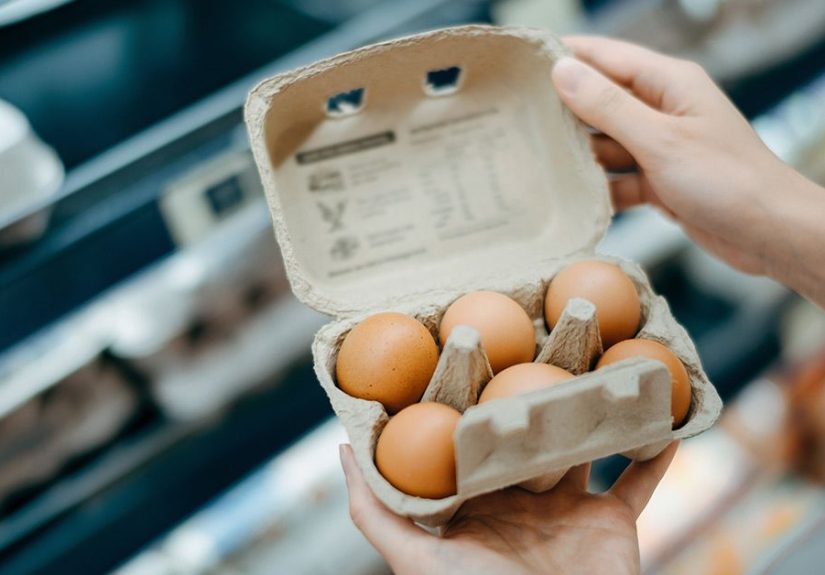
The egg recall focused on a specific batch of Kirkland Signature Organic Pasture Raised 24-Count Eggs.
These cartons were distributed to a limited number of Costco stores in the Southeast, and the concern was potential
Salmonella contaminationmeaning the eggs could make you sick even if they look and smell perfectly normal (rude, but true).
How to identify the recalled eggs:
- Brand/pack: Kirkland Signature Organic Pasture Raised, 24-count
- UPC: 9661910680
- Julian code: 327
- Use By date: January 5, 2025
- Distribution (reported): 25 Costco stores in Alabama, Georgia, North Carolina, South Carolina, and Tennessee
In recall situations like this, the “code language” is your best friend. The UPC points to the product type, while the Julian code and
date narrow it down to the specific lot. If your carton matches, treat it as recalledeven if you already planned to “cook it really well
and hope for the best.” (That’s not a strategy. That’s a plot twist.)
Cucumbers: Whole Cucumbers and Cucumber-Containing Foods
The cucumber recall was broader, messier, and more typical of produce-related events. Investigators linked illnesses to
American/slicer cucumbers grown by a specific operation, then traced distribution through multiple companies and
downstream productsmeaning not only whole cucumbers, but also items made with them (think deli wraps, prepared salads, veggie trays,
and sliced cucumber packs).
Multiple firms initiated recalls, including distribution and repack/processing channels. The key point for consumers:
this wasn’t only “a cucumber problem”it was a “cucumbers show up in a lot of foods” problem.
Common cucumber recall categories included:
- Whole cucumbers sold in bulk boxes or crates (often with brand or grower stickers)
- Bagged cucumbers (multi-packs)
- Sliced cucumbers sold as ready-to-eat produce
- Prepared foods containing cucumbers (wraps, salads, bowls, snack packs)
And yes: this is the part where people realize they already chopped the cucumber into a salad on Tuesday, and now it’s Friday,
and they’re staring at the cutting board like it owes them rent.
How Big Was the Cucumber Outbreak?
Outbreak investigations evolve as more reports and lab results come in. Early coverage often reflects preliminary counts.
By January 2025, public health officials reported a final tally of 113 cases across 23 states, with
28 hospitalizations and no deaths linked to the cucumber outbreak strain.
That case count matters for two reasons: it shows why agencies take produce contamination seriously, and it explains why recalls can expand
quicklyfrom a single product to “anything that ever sat next to a cucumber,” depending on how it was processed and sold.
Why Salmonella Shows Up in Eggs and Produce
Salmonella is a bacteria that can live in animal and environmental reservoirs. That makes eggs and produce two very different foods with one
annoying thing in common: they can become contaminated before they ever reach your kitchen.
Eggs: It’s Not Just “Dirty Shells”
People imagine contamination as “something got on the outside.” Sometimes that happens. But Salmonella risk with eggs is also tied to farm
environments and handling systemshousing, equipment, wash water, and processing steps. If a facility’s environment tests positive,
products moving through that system can become risk candidates.
In the Costco egg recall, reporting indicated an operational error in which eggs not intended for retail distribution were mistakenly packaged
for retail sale. That kind of packaging/labeling mistake is exactly why companies build controlsand why recalls happen when those controls fail.
Cucumbers: The “Fresh” Food That Isn’t Cooked
Cucumbers are usually eaten raw. No kill step. No “the oven will handle it.” If contamination happens in growing, harvesting, packing,
transport, or slicing, the bacteria can make it all the way to your plate.
Add modern supply chainswhere one grower’s product can be shipped across many states, repacked, and used in ready-to-eat foodsand you get
why cucumber recalls can balloon fast.
What a “Class I Recall” Actually Means (And Why You Should Care)
You’ll sometimes see the FDA classify recalls by risk level. Class I is the most serious category:
it signals a reasonable probability that exposure could cause serious adverse health consequences.
This doesn’t mean everyone who touched the product will get sick. It means the potential harm is high enough that the safest action is:
don’t eat it, don’t serve it, don’t “pick around it.”
What To Do Right Now If You Bought These Products
Step 1: IdentifyDon’t Guess
For eggs, check the carton codes (UPC, Julian code, Use By date). For cucumbers and cucumber-containing foods, check any packaging labels you
still have, and look for store noticesespecially if you bought bulk produce or prepared foods that may not list a farm source on the label.
Step 2: Dispose or Return (Follow the Recall Instructions)
- Recalled eggs: Do not consume. Return for a refund or safely discard.
- Recalled cucumbers/foods made with them: Do not eat. Discard the product even if it looks fine.
Step 3: Clean Like You Mean It (But Don’t Overcomplicate It)
If recalled food touched your fridge shelves, drawers, counters, or cutting boards, clean and sanitize those surfaces. The goal is to reduce
cross-contaminationbecause bacteria doesn’t care that the cucumber is gone now.
Quick kitchen reset checklist:
- Wash hands with soap and water (20 secondssing one chorus, not an entire album)
- Wash cutting boards, knives, and utensils with hot soapy water
- Sanitize food-contact surfaces according to product directions
- Launder dish towels and replace old sponges (sponges are basically tiny haunted houses)
Salmonella Symptoms: What to Watch For
Many people infected with Salmonella experience diarrhea, fever, and stomach cramps. Symptoms often begin
6 hours to 6 days after exposure, and many recover in 4 to 7 days without specific treatment.
Some people are at higher risk for severe illness, including young children, older adults, and those with
weakened immune systems. If symptoms are severe, persistent, or you’re worriedespecially if dehydration becomes an issue
it’s smart to contact a healthcare professional.
How to Lower Your Risk at Home (Without Living in Fear of Your Salad)
Food safety doesn’t require a hazmat suit. It requires habits. Public health guidance often boils it down to four words:
Clean, Separate, Cook, Chill.
Clean
- Rinse produce under running water before eating or cutting.
- Wash hands before and after handling raw foods.
- Clean cutting boards and countertops between foods.
Separate
- Keep raw proteins away from produce and ready-to-eat foods.
- Use separate cutting boards if you can (or wash thoroughly between tasks).
Cook
Eggs and egg dishes should be cooked thoroughly. A food thermometer may feel “extra,” but it’s a simple way to reduce risk.
Many food safety references use 160°F as a safe minimum internal temperature for egg dishes.
Chill
- Refrigerate perishable foods within 2 hours (1 hour if it’s very hot out).
- Keep your fridge cold (and don’t let prepared foods sit around “because you’ll get to it later”).
Why These Recalls Matter Beyond Your Kitchen
When cucumbers are linked to an outbreak and eggs are recalled for potential contamination, it highlights the two sides of modern food safety:
prevention on the supply side and smart behavior on the consumer side.
On the supply chain side, the lesson is about controlsfarm water management, sanitation, environmental testing, labeling accuracy,
and traceability. On the consumer side, the lesson is speed: check the recall, identify the product, and act quickly.
The faster contaminated items leave kitchens, the fewer chances bacteria have to win.
FAQ: The Questions People Actually Ask During a Recall
“If I washed the cucumber, is it safe?”
Washing helps reduce some surface contamination, but it can’t guarantee safety in a known recall situation. If the product is recalled,
the best move is not to eat it.
“If I hard-boiled the eggs, does that eliminate risk?”
Proper cooking reduces bacterial risk, but recall guidance is still: don’t consume recalled eggs. The issue isn’t only “can heat kill germs?”
It’s also the uncertainty of exposure in your kitchen and the public health recommendation to remove the product from circulation.
“What if I already ate it and feel fine?”
Many people won’t become ill. Still, keep an eye out for symptoms over the next several days and prioritize hydration and medical advice if
symptoms become significant.
Experiences and Lessons From “Recall Season” (Real-Life Scenarios)
Recalls rarely arrive at a convenient moment. They show up when you’re meal-prepping, hosting, packing lunches, or staring into the fridge
thinking, “I should really eat a vegetable today.” So the lived experience of a recall isn’t just the biologyit’s the logistics.
Scenario 1: The “I bought it in bulk and it’s unlabeled” problem.
Many shoppers pick up cucumbers loose from a produce bin, then store them without any packaging. When a recall hits, that lack of labeling
can make the decision feel fuzzy: “It’s probably fine… right?” This is where recall guidance gets blunt for a reason. If you can’t confirm
the source and timing, and the recall is widespread, the safest approach is to discard the item. People often describe this as frustrating
because it feels wastefulbut it’s also a reminder that food safety sometimes costs money in the short term to avoid bigger costs later.
Scenario 2: The cucumber already became “something else.”
Cucumbers don’t usually stay cucumbers for long. They become salad, tzatziki, sushi rolls, snack boxes, or that “healthy sandwich moment”
that lasted exactly one day. In real kitchens, a recalled ingredient may already be chopped and mixed with other foods. The common lesson:
don’t try to “rescue” the rest of the dish. If recalled cucumbers were used in a salad, it’s not just the cucumber piecesjuices and contact
can spread bacteria through the whole container. People sometimes push back because everything looks normal. But bacteria doesn’t do dramatic
warning labels. It’s stealthy like that.
Scenario 3: The “I cleaned, but did I clean enough?” spiral.
Recalls can trigger the urge to disinfect the entire zip code. The practical middle ground is focusing on likely contact points:
the crisper drawer, the shelf where the eggs sat, the cutting board, the knife, and the counter space where prep happened.
A simple clean-and-sanitize routine is usually enough. Many households also take the moment to do a “kitchen tool reality check”:
replace old sponges, wash dish towels, and retire that cutting board with a canyon-like groove that’s impossible to fully scrub.
Scenario 4: The emotional sideespecially for families.
Households with kids, older relatives, or immunocompromised family members often experience recalls differently. The same headline that feels
like a mild inconvenience to one person can feel genuinely scary to another. In those households, the typical experience is more cautious:
discarding quickly, watching for symptoms, and switching to cooked produce or safer alternatives for a while. It’s not overreactionit’s risk
management based on who’s at the table.
Scenario 5: The “new habit” that sticks.
One surprisingly positive thing people report after a recall: they become faster at checking notices and storing purchase info.
Some start snapping quick photos of product labels (especially for eggs and packaged produce), or writing the “use by” date on the carton in
big marker. Others adopt the simple rule: when in doubt, cook itnot as a workaround for recalled items, but as a general safety
habit for higher-risk foods. The end result is less anxiety, more control, and fewer “mystery items” in the fridge.
If there’s one takeaway from the cucumber-and-eggs moment, it’s this: recalls aren’t just about bad luck. They’re a stress test of systems
farm controls, packaging accuracy, distribution traceability, and consumer habits. When those systems work together, recalls can prevent a lot
of illness. And when you act quickly at home, you become part of the solutionwithout needing to memorize a single Latin bacteria name.