Table of Contents >> Show >> Hide
- What Makes Pesto Pasta “Simple” (and Still Great)
- Ingredients You’ll Need
- Step-by-Step: Simple Pesto Pasta in About 20 Minutes
- Pro Techniques That Make Pesto Pasta Taste Restaurant-Good
- Easy Add-Ins for a One-Bowl Dinner
- Common Pesto Pasta Problems (and Fast Fixes)
- Make-Ahead, Storage, and Freezer Tips
- Simple Serving Ideas
- of Real-World Pesto Pasta Experiences (So You Don’t Have to Learn the Hard Way)
- Conclusion
Pesto pasta is the culinary equivalent of showing up to a party in a great outfit with zero effort: it looks impressive, tastes like you planned ahead,
and somehow takes less time than deciding what show to “half-watch” while you eat.
This guide gives you a genuinely simple pesto pasta recipe (homemade pesto in minutes, or a smart store-bought upgrade), plus the little
technique moves that make it creamy, bright, and not mysteriously greasy. You’ll also get quick add-ins, troubleshooting, storage tips, and a 500-word
“experience” section at the endbecause pesto pasta has a way of teaching lessons whether you asked for them or not.
What Makes Pesto Pasta “Simple” (and Still Great)
A “simple” pesto pasta isn’t blandit’s streamlined. The whole point is to rely on a few high-impact ingredients and one key trick:
use a splash of starchy pasta water to turn pesto into a creamy sauce. That’s it. No roux. No cream. No “let simmer for 47 minutes.”
Simple also means flexible: you can make it vegetarian, add protein, swap nuts, go gluten-free, or make it dairy-free without the dish falling apart
emotionally.
Ingredients You’ll Need
For the pasta
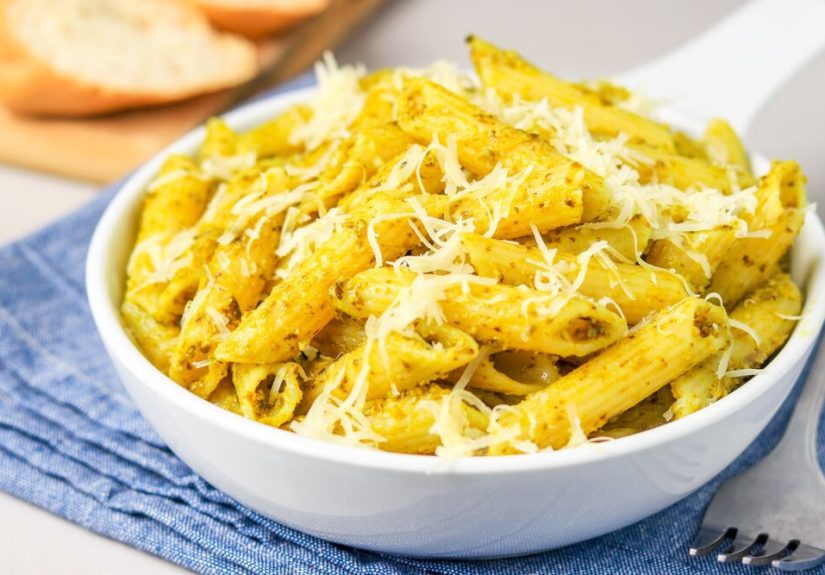
- 12 ounces pasta (spaghetti, linguine, fusilli, penneanything that grabs sauce)
- Kosher salt (for the pasta water)
- 1 cup reserved pasta water (you won’t use it all, but you’ll want options)
For quick homemade basil pesto (or an easy upgrade)
- 2 cups fresh basil leaves, packed (tender stems are fine)
- 1–2 garlic cloves (start with 1 if your garlic is feeling powerful)
- 1/4 cup pine nuts (or walnuts, pistachios, almondssee swaps below)
- 1/2 cup finely grated Parmesan (or a Parmesan/Pecorino blend)
- 1/3 to 1/2 cup extra-virgin olive oil
- Salt and black pepper, to taste
- Optional: lemon zest or a squeeze of lemon juice (for brightness)
Shortcut option: Use store-bought pesto, then “wake it up” with lemon zest, extra grated cheese, and pasta water.
You’ll still get a weeknight dinner that tastes like a weekend.
Step-by-Step: Simple Pesto Pasta in About 20 Minutes
- Boil the pasta water. Bring a large pot of water to a boil. Add salt until it tastes pleasantly salty (not ocean cosplay, just well-seasoned).
- Cook pasta until al dente. Follow package timing, but start checking 1–2 minutes early. You want “tender with a little bite,” not “soft and sorry.”
- Reserve pasta water (don’t forget!). Scoop out 1 cup of pasta cooking water before draining. This is the secret ingredient you already paid for.
-
Make quick pesto (while pasta cooks). In a food processor: pulse garlic + nuts first. Add basil and pulse a few times. Add cheese, then drizzle in olive oil
while pulsing until you get a spoonable sauce. Season with salt and pepper. Add lemon zest/juice if you want extra sparkle. - Turn off the heat. Return drained pasta to the warm pot (or a big bowl). Do not keep the burner on. Pesto prefers a gentle life.
-
Toss pasta + pesto + pasta water. Add pesto to pasta, then splash in 1/4 cup reserved pasta water. Toss vigorously. Add more water, a tablespoon
at a time, until the pesto coats the pasta in a lightly creamy sauce. - Finish and serve. Taste. Add more salt, pepper, lemon, or cheese. Top with extra Parmesan, basil, and a drizzle of olive oil if you’re feeling fancy.
Pro Techniques That Make Pesto Pasta Taste Restaurant-Good
1) Add pesto off the heat (seriously)
Pesto is full of fresh herbs and olive oil. If you cook it aggressively, you can dull the basil flavor and make the oil separate (hello, weird slick).
Tossing pesto with hot pasta off heat keeps the sauce cohesive and the flavor bright.
2) The pasta water trick: why it works
Pasta water contains starch, and starch helps emulsify fat and water into a smooth sauce. When you toss pesto with a splash of starchy water, it turns from
“green paste on noodles” into “silky coating that clings like it means it.”
Practical target: start with 1/4 cup reserved water, then add more slowly until the sauce looks glossy and lightly creamy. If you add too much,
don’t panicjust add a bit more pesto or cheese to bring it back.
3) Keep pesto greener (and less sad-brown)
Basil can darken because its natural enzymes react with oxygen once the leaves are cut or bruised. If you want a brighter green pesto for longer, you have options:
- Work cold: chill the basil and even the food processor bowl if you can.
- Blanch briefly: a quick dip in boiling water, then ice bath, can reduce browning (great for make-ahead pesto).
- Top with oil: when storing pesto, smooth the surface and add a thin olive-oil layer to limit air contact.
- Freeze pesto: freezing is one of the best ways to preserve color and flavor for later.
4) Easy swaps that still taste like pesto
Classic basil pesto is basil + garlic + nuts + hard cheese + olive oil. But “classic” doesn’t mean “no substitutions allowed.”
- Nuts: walnuts = earthy; pistachios = rich; almonds = mild and slightly sweet.
- Greens: mix basil with baby spinach or parsley if basil is expensive or you want a milder bite.
- Cheese: Parmesan is nutty and salty; Pecorino adds sharper punch.
- Dairy-free: skip cheese and add extra nuts + a pinch more salt + nutritional yeast (optional) for savoriness.
- Garlic control: start with 1 clove; you can always add more, but you can’t un-garlic your entire evening.
Easy Add-Ins for a One-Bowl Dinner
Pesto pasta is a great base. Here are add-ins that make it feel like a full meal without turning dinner into a group project:
- Cherry tomatoes: toss in raw for freshness or blister in a pan for sweetness.
- Green beans + potatoes: a classic Ligurian-style vibeadd small potato chunks and trimmed green beans to the boiling pasta water for the last few minutes.
- Chicken: use rotisserie chicken or quick-seared cutlets sliced thin.
- Shrimp: sauté with garlic and a pinch of red pepper flakes; toss in at the end.
- Mozzarella pearls: for creamy pops that feel a little “summer picnic.”
- Greens: arugula or spinach wilted into the warm pasta right before serving.
Common Pesto Pasta Problems (and Fast Fixes)
My pesto pasta is dry
Add reserved pasta water 1 tablespoon at a time while tossing. If you’re out of pasta water, warm water works, but pasta water works better.
My pesto got oily or separated
It was likely mixed over too much heat. Fix it by tossing in a tablespoon or two of warm pasta water and stirring vigorously to re-emulsify. Next time, turn the heat off.
It tastes bitter
Bitter pesto can happen if basil is over-processed, if olive oil is very bitter, or if the garlic is harsh. Fix it with:
a squeeze of lemon, a bit more cheese, or a small pinch of sugar (yes, reallyjust a pinch).
It tastes flat
Add salt first. Then try lemon zest, a squeeze of lemon, extra Parmesan, or a few grinds of black pepper. Pesto loves a bright finish.
It’s too garlicky
Add more basil (if you have it), more cheese, or toss in a handful of extra pasta. Garlic is a strong personalitysometimes it needs a bigger group chat.
Make-Ahead, Storage, and Freezer Tips
Pesto pasta is best fresh, but pesto itself is a meal-prep superstar.
How to store pesto
- Refrigerate pesto in an airtight container.
- Smooth the surface and add a thin layer of olive oil to reduce browning.
- Use within a few days for best flavor.
How to freeze pesto (the easy way)
- Freeze in portions: spoon pesto into an ice cube tray (line with plastic wrap if you want easy removal).
- Pro move: if freezing, consider omitting the cheese and stirring it in after thawing for the best texture.
- Once frozen, transfer cubes to a freezer bag and grab what you need for fast dinners.
Basil freshness note
Basil is picky. Use it quickly, and if you’ve got a big bunch, freezing pesto is often the most satisfying “no waste” option.
Simple Serving Ideas
- Weeknight bowl: pesto pasta + cherry tomatoes + a shower of Parmesan.
- Summer dinner: pesto pasta + grilled zucchini + lemon zest + mozzarella.
- Lunch upgrade: cold pesto pasta salad with cucumbers, tomatoes, and extra olive oil.
- Party move: serve warm in a big bowl with extra pesto on the side for the “saucy people.”
of Real-World Pesto Pasta Experiences (So You Don’t Have to Learn the Hard Way)
Anyone who’s made pesto pasta more than once has probably lived through the same three-act play: excitement, overconfidence, and then a small culinary plot twist.
The first “experience” many cooks have is mixing pesto into pasta while the pot is still on the burner. It seems logicalhot pasta, hot pot, stir, done. But pesto
isn’t a simmer sauce; it’s more like a fresh herb dressing. Too much heat can flatten the basil’s bright flavor and make the olive oil separate, leaving a glossy,
slightly greasy look that feels like pesto forgot its purpose. The fix is easy (turn off the heat), but the lesson sticksusually right around the moment someone
says, “It still tastes good,” in the polite tone people reserve for edible mistakes.
The second classic experience is the pasta water epiphany. At first, reserving pasta water sounds like a fussy chef trick. Then you try it once,
and suddenly your sauce goes from “green clumps” to “creamy coating.” It’s a tiny action with huge payoff, and it changes how you think about pasta sauces in general.
People start reserving pasta water for everythingtomato sauce, butter noodles, even mac and cheesebecause once you realize starch is the quiet hero, you can’t un-know it.
Then there’s the basil situation: the optimistic purchase of a giant bunch because it “smells amazing,” followed by the reality that basil has the shelf life of a
mayfly with stage fright. That’s why pesto becomes a gateway into smarter kitchen habitsfreezing pesto in small portions, topping stored pesto with olive oil, or even
blending in a handful of spinach when basil is pricey or slightly past its prime. These aren’t fancy tricks; they’re the practical routines people adopt after one too
many sad, wilted-herb discoveries in the fridge drawer.
Pesto pasta also teaches the social lesson of add-ins. The first time someone adds roasted cherry tomatoes, grilled chicken, or green beans and potatoes, it suddenly feels
like a complete dinner rather than “pasta with sauce.” And once you’ve served pesto pasta to friends, you learn another truth: everyone has an opinion about garlic.
Some want “a whisper.” Others want “vampire deterrent.” The best experience-based solution is simple: start with one clove, taste, and let people add extra garlic, cheese,
or lemon at the table. Pesto pasta is happiest when it’s adjustable.
Finally, pesto pasta is a reminder that “simple” doesn’t mean “boring.” It means you’re choosing a dish where good ingredients and smart technique do the heavy lifting.
When it works, it tastes like summer and effort and confidenceeven if it took you less time than scrolling for dinner ideas.
Conclusion
A simple pesto pasta recipe is all about timing (off-heat!), texture (pasta water!), and flavor balance (salt, cheese, and maybe lemon).
Make it once, and you’ll have a fast, flexible dinner you can riff on all yearwhether you’re going classic basil pesto or cleaning out the crisper drawer with style.