Table of Contents >> Show >> Hide
- What Makes a Snickerdoodle… a Snickerdoodle?
- A Short, Sweet History (With a Very Silly Name)
- The Science Behind the Magic: Cream of Tartar
- Ingredients That Actually Matter (And Why)
- How to Make Snickerdoodles (Step-by-Step, No Stress)
- Ingredients (about 24–30 cookies, depending on scoop size)
- Cinnamon-sugar coating
- 1) Prep your oven and pans
- 2) Mix dry ingredients
- 3) Cream the fat and sugar
- 4) Add eggs and vanilla
- 5) Combine without overmixing
- 6) Rest (optional, but helpful)
- 7) Roll, coat, and space
- 8) Bake for soft centers
- 9) Cool smart
- Troubleshooting: Fix the Usual Snickerdoodle Drama
- Storage and Freezing (Because “I’ll Eat Them All Today” Is Not a Plan)
- Fun Variations (Same Cozy Vibe, Different Outfit)
- Snickerdoodles FAQ
- Snickerdoodles in Real Life: of Very Relatable Cookie Experience
Snickerdoodles are the cookie equivalent of a warm sweatshirt: cozy, classic, and somehow always the right choice. They’re soft in the middle, lightly crisp at the edges, and rolled in a cinnamon-sugar coat that looks like it got dressed up for a party. The best part? That subtle tang beneath the sweetnessthe little “wait, what is that?” moment that makes you reach for a second one. (And then a third. “For quality control.”)
This guide breaks down what makes a snickerdoodle a snickerdoodle, the baking science that gives you those signature crinkles, and a foolproof way to bake a batch that tastes like childhoodwhether your childhood involved a lunchbox, a grandma tin, or a “cookie tax” demanded by whoever smelled cinnamon first.
What Makes a Snickerdoodle… a Snickerdoodle?
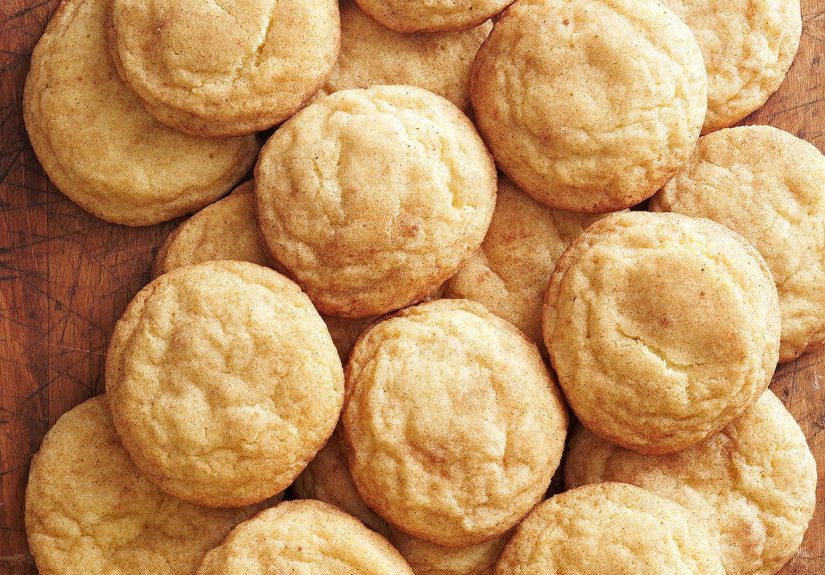
At first glance, snickerdoodles can look like sugar cookies that wandered into a cinnamon-sugar situation. But traditional snickerdoodles have a few calling cards:
- Cinnamon-sugar coating that bakes into a sparkly, warmly spiced shell.
- Crackly, crinkled surfacethose little ridges are a texture flex.
- A gentle tang (usually from cream of tartar) that balances sweetness.
- A pillowy bite that can skew soft-chewy or crisp-chewy depending on fat and bake time.
A Short, Sweet History (With a Very Silly Name)
Snickerdoodles are widely considered a distinctly American cookie, with strong associations to New England baking and to Dutch-German immigrant communities in the U.S. Over time, the recipe spread through home kitchens and community cookbooks, turning into a staple that shows up everywhere from bake sales to holiday cookie swaps.
The name is part of the charmand part of the mystery. Even dictionaries hedge a bit: “snickerdoodle” is often treated as a whimsical, fanciful coinage rather than a word with a clean origin story. Some theories connect it to German or Dutch words (including a cinnamon-roll-like pastry name that sounds vaguely related), while other theories simply point to a tradition of playful cookie naming. In other words: it’s possible the name exists because it’s fun to say. And honestly? Respect.
The Science Behind the Magic: Cream of Tartar
Cream of tartar is the ingredient most commonly associated with “classic” snickerdoodle flavor and texture. Despite the name, it’s not creamy and it’s not tartar sauce (thank goodness). It’s a powdered acid (tartaric acid), historically linked to winemaking, and it shows up in baking because acids are quietly powerful.
What cream of tartar does in snickerdoodles
- Creates a tangy flavor: That subtle bite is part of what separates a snickerdoodle from a cinnamon sugar cookie.
- Helps with lift and crinkles: When paired with baking soda, it creates carbon dioxide bubbles that give the dough puff and contribute to that crackly top.
- Supports a tender chew: Many bakers find it helps keep snickerdoodles soft rather than brittle.
Don’t have cream of tartar?
You can still make excellent cinnamon-sugar cookies (and you can still call them snickerdoodles at your own risk). A common swap is to replace both the cream of tartar and baking soda with baking powder, since baking powder already contains an acid plus a base. Another approach is adding a small amount of an acidic liquid (like lemon juice or vinegar) to mimic the acid elementthough the flavor and texture may shift slightly.
Ingredients That Actually Matter (And Why)
Snickerdoodles are simple, but the details are where great cookies happen. Here’s what makes the biggest difference:
Butter vs. shortening (or both)
Butter brings flavorrich, toasty, and unmistakably “cookie.” Shortening tends to promote a softer bite and can reduce spread. Many classic recipes use a mix for that signature soft-chewy center with slightly crisp edges. If you prefer all-butter, you can do itjust watch your dough temperature and consider a short rest so the cookies don’t spread into cinnamon-sugar puddles (delicious, but not the mission).
Sugar choices
Granulated sugar keeps the crumb clean and classic. A spoonful or two of light brown sugar can boost chew and add a whisper of caramel flavor, without turning the cookie into something else entirely.
Cinnamon quality
Cinnamon is the headline act in the coating. Fresh cinnamon (and not the jar you’ve moved apartments with twice) can make the cookies taste brighter and warmer. If you like a bolder cinnamon punch, bump it slightly in the coating rather than in the doughso you don’t overwhelm the cookie’s buttery base.
How to Make Snickerdoodles (Step-by-Step, No Stress)
This method is “classic snickerdoodle energy”: straightforward, reliable, and designed to give you crinkles without requiring a culinary PhD.
Ingredients (about 24–30 cookies, depending on scoop size)
- 2 3/4 cups all-purpose flour
- 2 teaspoons cream of tartar
- 1 teaspoon baking soda
- 1/2 teaspoon fine salt
- 1 cup unsalted butter, softened (or 1/2 cup butter + 1/2 cup shortening for a more “retro” texture)
- 1 1/2 cups granulated sugar
- 2 large eggs, room temperature
- 2 teaspoons vanilla extract
Cinnamon-sugar coating
- 1/4 cup granulated sugar
- 1 tablespoon ground cinnamon (adjust to taste)
- Optional: a tiny pinch of salt for “bakery-style” contrast
1) Prep your oven and pans
Heat oven to 375°F. Line baking sheets with parchment paper. (Your future self, doing dishes, will be grateful.)
2) Mix dry ingredients
In a medium bowl, whisk together flour, cream of tartar, baking soda, and salt. Whisking evenly mattersnobody wants a “surprise pocket” of baking soda.
3) Cream the fat and sugar
In a large bowl, beat butter (and shortening if using) with the sugar until it looks lighter and fluffierusually 2–3 minutes. This step helps with lift and texture.
4) Add eggs and vanilla
Beat in eggs one at a time, then add vanilla. Scrape down the bowl so everything actually becomes friends.
5) Combine without overmixing
Add dry ingredients and mix just until you don’t see streaks of flour. Overmixing can toughen cookies, and snickerdoodles should be tendernot gym training for your jaw.
6) Rest (optional, but helpful)
If your kitchen is warm or your dough feels very soft, rest the dough for 10–30 minutes at room temp (or briefly in the fridge). Resting can help control spread and improve texture.
7) Roll, coat, and space
Stir coating ingredients in a small bowl. Scoop dough into balls (about 1 to 1 1/2 tablespoons each), roll until smooth, then roll generously in cinnamon sugar. Place 2 inches apart on baking sheets.
8) Bake for soft centers
Bake 9–11 minutes, until the edges look set and the tops have that classic crackle. The centers should look slightly underdonethey’ll finish as they cool. If you bake until fully firm in the oven, you may get a drier cookie.
9) Cool smart
Let cookies cool on the sheet for 5 minutes, then move to a rack. This short “carryover bake” is part of what keeps the centers soft.
Troubleshooting: Fix the Usual Snickerdoodle Drama
Why did my snickerdoodles go flat?
- Butter was too warm (soft is good; melty is chaos). Chill dough briefly next time.
- Leaveners may be oldbaking soda loses punch over time.
- Not enough flour (spoon-and-level flour instead of packing it).
Why didn’t I get crinkles?
- Try slightly larger dough ballsmore rise means more cracking.
- Make sure cream of tartar + baking soda are well-distributed (whisk dry ingredients thoroughly).
- Don’t overbake; crinkles are most dramatic when the cookie puffs, cracks, and then relaxes.
Why are they dry?
- They baked too long. Pull them when the centers still look a bit soft.
- Too much flour from scooping directly with the measuring cup.
- Dough was overmixed, developing too much gluten.
Storage and Freezing (Because “I’ll Eat Them All Today” Is Not a Plan)
Store cooled snickerdoodles in an airtight container at room temperature for several days. If you want them to stay softer, tuck a slice of bread into the container (it sounds odd, but it helps maintain moisture).
Snickerdoodles also freeze well. Freeze baked cookies in an airtight container with parchment between layers. For the best “fresh-baked whenever” strategy, freeze dough balls (before or after coating), then bake from frozen, adding a minute or two to bake time.
Fun Variations (Same Cozy Vibe, Different Outfit)
- Brown butter snickerdoodles: Nutty, caramel-like depth. Cool browned butter before mixing.
- Pumpkin snickerdoodles: Soft and cakier with warm spice notesgreat in fall.
- Chocolate snickerdoodles: Cocoa in the dough, cinnamon sugar outsidelike a churro met a brownie.
- Stuffed snickerdoodles: A small cube of chocolate or a spoon of cookie butter in the center.
- Snickerdoodle bars: Press dough into a pan, coat the top, and slice like blondies.
Snickerdoodles FAQ
Are snickerdoodles just sugar cookies with cinnamon?
They’re related, but classic snickerdoodles usually include cream of tartar (and baking soda) for that tang and a distinct texture. Sugar cookies typically don’t have the same signature bite.
Can I make snickerdoodle dough ahead?
Yes. Make dough, cover tightly, and refrigerate for up to a couple of days. Let it sit at room temperature briefly if it becomes too firm to scoop.
What’s the best way to know they’re done?
Look for set edges and a slightly soft-looking center. The tops should be crackly. If you wait for the entire cookie to look “fully done” in the oven, you’ll usually end up with a drier texture.
Snickerdoodles in Real Life: of Very Relatable Cookie Experience
Snickerdoodles have a way of showing up exactly when you need them. They’re the cookie people bake when they want something comforting but don’t want a complicated ingredient list. You can almost hear the recipe whisper, “Relax. We’re not making croissants today.” The first sign they’re happening is usually the smellwarm cinnamon drifting through the house like a scented candle that actually tastes good.
There’s also a special kind of joy in the coating step. Rolling dough balls in cinnamon sugar feels a little like giving each cookie a tiny winter coat. You start neatly, one ball at a time, gently shaking off extra sugar like a responsible adult. By cookie number twelve, you’re basically running a cinnamon-sugar spa, and your hands look like you’ve been handling glitter at a craft store. (Spoiler: it’s still worth it.)
In many families, snickerdoodles are the “everyone agrees” cookie. Chocolate chip has debatestoo crispy, too chewy, too many chips, not enough chips. Peanut butter is polarizing. Oatmeal raisin? That’s a whole courtroom drama. Snickerdoodles, though, rarely cause conflict. They’re sweet, spiced, familiar, and just different enough to feel special without scaring anyone off.
Then there’s the oven-watching ritual. You stare through the glass like it’s live theater, waiting for that moment the cookies puff, crack, and settle into their final form. The smartest move is pulling them when they still look a little underdonesomething that feels illegal the first time you do it. But a few minutes later, they cool into that soft center that makes people ask, “How did you get them like this?” (You can say “technique,” but the real answer is “I stopped baking them into oblivion.”)
Snickerdoodles are also the cookie of good timing. They’re perfect with afternoon coffee, surprisingly great with tea, and dangerously snackable “just passing through the kitchen.” They travel well to potlucks and school events, and they’re the kind of treat you can wrap up for a neighbor without needing instructions like, “Please refrigerate, rotate, and serenade twice daily.”
And maybe that’s why they stick around: snickerdoodles feel like the simplest version of hospitality. They’re warm, friendly, and a little nostalgiclike a handwritten note, but edible. Bake them once, and you’ll see how fast they become part of your home’s greatest hits playlist. Just be warned: once people know you make good snickerdoodles, they will “casually” request them forever.
Final takeaway: If you want a cookie that’s easy, charming, and universally loved, snickerdoodles are the move.