Table of Contents >> Show >> Hide
- What counts as “the underside” of a deck?
- The real reasons cleaning underneath matters
- 1) Because moisture is a sneak
- 2) Because rot loves hidden places
- 3) Because mold and mildew aren’t just a surface problem
- 4) Because pests shop where you don’t look
- 5) Because your deck’s hardware can corrode
- 6) Because the ledger area is “mission critical”
- 7) Because a cleaner underside can actually help the top last longer
- Signs your deck underside is begging for attention
- How often should you clean under a deck?
- How to clean the underside of your deck (without making it worse)
- Step 1: Clear the stage
- Step 2: Suit up (lightly, but smart)
- Step 3: Dry debris removal first (this is the underrated part)
- Step 4: Rinse with a hose (not a revenge-pressure-wash)
- Step 5: Spot-clean growth with the right approach for your material
- Step 6: Let it dry, then inspect like you mean it
- Step 7: Fix the conditions that made it dirty in the first place
- Common mistakes (aka: how decks get ruined by “helpful” cleaning)
- When cleaning isn’t enough: signs you should call a pro
- Quick “good enough” routine if you’re busy
- Extra : Real-life experiences that make the underside “click”
- Conclusion
When you clean your deck, you probably focus on the part that hosts the burgers, the patio chairs, and your neighbor’s unsolicited grill advice. Totally fair. But your deck has a “secret basement”the undersideand it’s where most long-term deck drama starts.
The underside is where moisture lingers, debris hides, and tiny biological freeloaders set up shop like they’ve signed a lease. If you’ve ever wondered why a deck can look “fine” on top but get soft, musty, or wobbly over time, the answer is often underneath.
What counts as “the underside” of a deck?
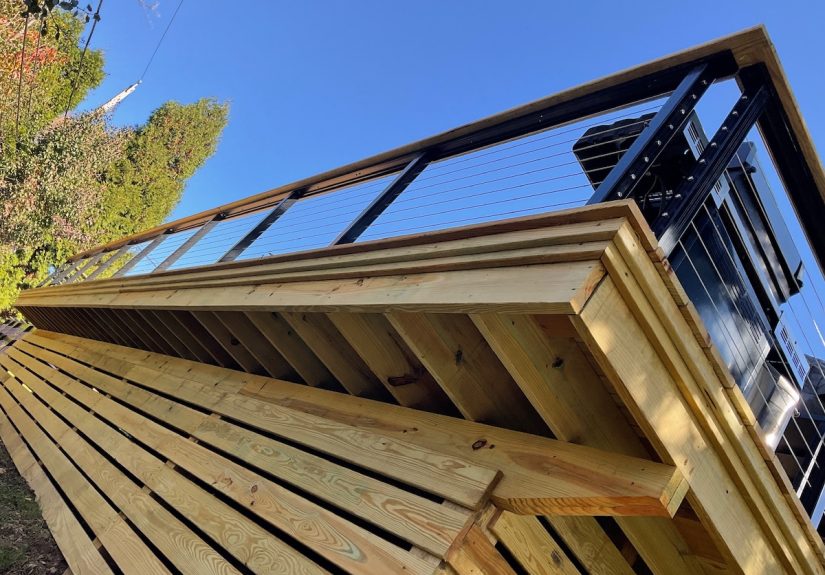
The underside includes the bottom of your deck boards, the joists (the horizontal framing), beams, posts, fasteners, and the “in-between” spaces where dirt and leaves collect. It also includes the critical connection point where the deck attaches to the house (often via a ledger board), which is one of the most important areas to keep dry and inspect.
The real reasons cleaning underneath matters
1) Because moisture is a sneak
Decks get wet. Rain happens. Sprinklers exist. Drinks spill. The problem isn’t water touching your deckit’s water staying there. Under decks, airflow can be limited, sunlight is scarce, and the ground below can hold dampness. That creates a slow-dry zone where moisture hangs around long enough to cause trouble.
Wood decay fungi thrive when wood moisture stays high; keeping wood dry is a key strategy for preventing rot. Translation: if the underside stays damp, you’re basically running an all-inclusive resort for rot.
2) Because rot loves hidden places
Rot rarely announces itself with confetti. It starts quietly: a little discoloration, a soft spot, a slightly “spongy” feel around fasteners, or subtle sagging. The underside is the perfect hiding place because most homeowners don’t look there until something feels… off.
Regular underside cleaning removes the debris that traps moisture and helps you spot problems earlybefore you’re pricing out joist replacements and practicing your “this is fine” smile.
3) Because mold and mildew aren’t just a surface problem
Mold and mildew often start where it’s damp and shadedhello, underside. Even if the “gross stuff” is under the deck, it can still affect the whole structure. Spores travel, staining spreads, and the musty smell can migrate into nearby crawl spaces, basements, and outdoor seating areas.
And while outdoor mold is common, moisture control is still the name of the game: if you clean growth but ignore the damp conditions that feed it, it returns like a sequel nobody asked for.
4) Because pests shop where you don’t look
A damp, debris-filled underside can attract insects and critters that love cover: carpenter ants, termites (depending on region), spiders, and the occasional rodent who believes your deck is luxury housing. Cleaning removes their favorite nesting materials and helps you spot early signs of activity (mud tubes, frass, chewed wood, or suspicious little “mouse condos” made of leaves).
5) Because your deck’s hardware can corrode
Nails, screws, joist hangers, and connectors can corrode faster in damp, salty, or humid environmentsespecially when wet debris sits against metal. Corrosion is sneaky because the deck can look sturdy until fasteners start losing strength.
Cleaning helps keep connections visible and dry more quickly, and it’s a perfect time to check for rusted hangers, missing fasteners, or movement at key joints.
6) Because the ledger area is “mission critical”
If your deck is attached to the house, the ledger connection and flashing details are a big deal. Poor drainage, trapped debris, or damaged flashing can let water sit where wood meets structurean especially risky place for rot. Cleaning the underside makes it easier to inspect that area for water staining, deterioration, or gaps where water could sneak behind.
7) Because a cleaner underside can actually help the top last longer
The deck boards you see are only as reliable as the framing underneath. Even composite decking relies on a wood (or metal) substructure. If joists weaken from moisture or decay, boards can cup, fasteners can loosen, and the deck can feel bouncy even if the surface looks great in photos.
Signs your deck underside is begging for attention
- Musty odor around the deck or near the house wall
- Dark staining on the underside of boards or joists
- Green or black growth (algae/mildew) in shaded areas
- Lots of trapped debris (leaves, pine needles, dirt piles)
- Visible rust on hangers, screws, nails, or connectors
- Soft wood you can dent with a screwdriver (not just “old wood,” but truly soft)
- Insect activity (mud tubes, sawdust-like frass, nests)
- Water pooling underneath, or soil that stays soggy for days
How often should you clean under a deck?
A good baseline is at least once a year, often paired with your regular deck cleaning. If you live in a humid area, have lots of trees, or your deck is low to the ground with limited airflow, you may want a light clean/inspection in spring and a deeper one in late summer or fall (after leaf season starts doing its thing).
How to clean the underside of your deck (without making it worse)
Step 1: Clear the stage
Move stored items away from the area: toys, planters, firewood, random buckets that multiply when no one is watching. Trim vegetation so you can see framing and improve airflow. If you have a lattice or skirting, open access panels if possible.
Step 2: Suit up (lightly, but smart)
You’re working overhead, around dust and possibly mold. Wear gloves, eye protection, and a mask if you’re sensitive to dust or if there’s visible growth. A hat helps too, unless you enjoy the “dirty leaf confetti” experience.
Step 3: Dry debris removal first (this is the underrated part)
Use a broom, leaf blower, or a soft brush to remove cobwebs, leaves, and loose dirt. If debris is packed between joists or around beams, gently loosen it. This step matters because wet-cleaning a pile of decomposing leaves basically turns it into a compost smoothie. Nobody wants that.
Step 4: Rinse with a hose (not a revenge-pressure-wash)
A normal garden hose rinse is often enough to knock away remaining dirt and pollen. Start from one end and work methodically so you don’t miss bays between joists. Keep water movingdon’t soak one spot forever.
Step 5: Spot-clean growth with the right approach for your material
For wood decks
If you’re seeing mildew or algae, use a deck-appropriate cleaner and a brush. Many homeowners choose oxygenated cleaners (often labeled “oxygen bleach” or “sodium percarbonate”) because they’re commonly used for outdoor wood cleaning and are generally less harsh on surrounding landscaping than chlorine bleach when used correctly. Follow label directions, apply, allow dwell time, scrub gently, then rinse thoroughly.
Avoid aggressive methods that gouge wood fibers. A too-strong pressure wash can fuzz the surface, drive grime deeper into the grain, and leave you with more work later (like sanding) if you plan to stain or seal.
For composite decks
Composite boards still get dirty because mold typically feeds on pollen and other organic film sitting on the surfacenot the plastic itself. Use warm soapy water and a soft-bristle brush, then rinse. If you have a specific brand, follow their care guidance, especially on what cleaners to avoid.
Step 6: Let it dry, then inspect like you mean it
Cleaning is great, but the hidden bonus is visibility. Once the underside is reasonably clean and dry, take 10–15 minutes to inspect:
- Joists and beams: look for cracks, splitting, soft areas, or dark streaking
- Fasteners and connectors: rust, missing nails/screws, loose hangers
- Ledger/flashing area: staining on the house rim/ledger region, gaps, deteriorated flashing
- Posts and base connections: signs of rot at the bottom where water can splash up
- Drainage: where water flows, whether soil stays wet, whether runoff heads toward your foundation
Step 7: Fix the conditions that made it dirty in the first place
Cleaning is step one. Prevention is the money saver. After you clean, focus on the “why”:
- Improve airflow: trim plants, avoid sealing the underside too tightly, consider ventilation openings if the area is enclosed.
- Control moisture: make sure water drains away from the deck and foundation; address downspouts dumping into the under-deck area.
- Keep gaps clear: clean between deck boards so debris doesn’t trap moisture above and drip grime below.
- Maintain coatings: for wood, stain/seal when needed; do a simple water-bead test to see if water still repels.
Common mistakes (aka: how decks get ruined by “helpful” cleaning)
Going too hard with a pressure washer
Pressure washers can be useful, but they’re not always your deck’s friendespecially on older or softer wood. Too much pressure can damage fibers, force water into joints, and create a rough surface that traps grime later. If you do use one, use a wide fan tip, keep distance, and test in an inconspicuous spot. When in doubt, a brush and the right cleaner are safer.
Using random household chemicals because “clean is clean”
Some indoor cleaners aren’t meant for outdoor wood, and harsh chlorine bleach can be problematic for wood fibers and landscaping when misused. Use products designed for decks and follow directions. Your future self will thank you (and your shrubs will stop giving you the silent treatment).
Ignoring the ground under the deck
If the ground stays wet, your deck underside will too. Remove leaf piles, consider a simple ground cover strategy (like landscape fabric and gravel in some situations), and make sure water isn’t draining toward the house. You don’t need to build an under-deck spajust stop it from acting like a swamp.
When cleaning isn’t enough: signs you should call a pro
Cleaning helps with maintenance and early detection, but it can’t undo structural damage. Consider professional help if you notice:
- Significant softness in joists, beams, or the ledger area
- Sagging, bouncing, or railing movement
- Extensive rusted connectors or missing fasteners
- Mushrooms or heavy fungal growth on structural members
- Water intrusion issues at the house connection
A deck is not the place to gamble. It’s literally a platform you stand onsometimes with a plate of ribs in one hand and a drink in the other, which reduces your ability to “catch yourself” if something fails. (Science.)
Quick “good enough” routine if you’re busy
If you want the highest return on minimal effort, do this twice a year:
- Blow or sweep debris out from under the deck.
- Rinse underside framing lightly with a hose if it’s dusty or pollen-heavy.
- Spot-scrub any visible green/black growth with a deck-safe cleaner.
- Take five minutes to inspect connectors, the ledger area, and any suspicious staining.
Extra : Real-life experiences that make the underside “click”
I’ve noticed a pattern with decks: the top gets attention because it’s where life happens, while the underside gets ignored because it’s where imagination goes to die. And then, one day, you smell something offlike damp leaves and old gym socks had a meeting under there.
One homeowner I heard about had a beautiful stained wood deck that looked like a magazine cover from above. From below? It looked like a documentary about moss. Leaves had collected in thick mats on a few joists where the yard sloped upward. Those leaf mats stayed wet after every rain, and the wood under them stayed darker than the surrounding framing. The deck still felt solid, but a screwdriver test near a fastener sank in more than it should. They caught it early, cleaned it up, improved drainage, and avoided a pricey framing replacement.
Another common experience: composite deck owners assuming they’re “maintenance-free” (composite companies never promised that, but our brains heard it anyway). The boards didn’t rot, surebut the underside had pollen film and grime that fed mold on shaded sections. The deck surface started getting slick in the mornings. A simple underside rinse and a gentle scrub routine helped because it removed the organic “food source,” and that reduced how quickly the green haze came back. It wasn’t dramatic. It was just… calmer. Like the deck stopped being mad at them.
Then there’s the under-deck storage trap. People slide bins, firewood, spare lumber, and “future project materials” under the deck. The area becomes a windbreak full of stuff, airflow drops, and dampness rises. Cleaning under the deck becomes harder because there’s always something in the way. The smartest fix I’ve seen is a simple rule: nothing stored directly against framing, and nothing stored that blocks cross-breezes. Even a little open space makes a difference.
My favorite “aha” moment tends to happen during inspection: once the underside is clean, you can actually read the deck. Rust streaks show you where water sits. Darkened wood shows you where drying is slow. A cluster of spider webs often marks a corner that never gets disturbed (and usually never dries fast). You start noticing the logic of the structurewhere the gutter dumps water, where grade slopes toward the foundation, where the lattice traps humid air. It becomes less of a chore and more of a diagnostic tool.
The practical takeaway from these experiences is simple: cleaning the underside isn’t about perfection. It’s about preventing small, quiet problems from growing into loud, expensive ones. It’s like brushing your teeth. Nobody’s saying you can’t eat candy. We’re saying you shouldn’t let it live there.
Conclusion
Cleaning the underside of your deck is one of those unglamorous maintenance tasks that pays you back with fewer repairs, fewer pests, less mold, and a deck that stays sturdy longer. It removes the debris that holds moisture, helps prevent rot, and gives you a clear view of the parts that matter most: framing, fasteners, and the connection to your home. Do it at least annually, more often if your deck is low, shaded, or in a humid climateand treat it as both cleaning and an inspection. Your deck can’t text you when it’s struggling. But it will absolutely show you underneath.