Table of Contents >> Show >> Hide
- The Viral Comparison That Made Everyone Do the Same Math
- Why the Story Resonated So Hard
- What He Was Really Buying Was More Than a Room
- Did He Actually “Move There”? Sort Of, and That Distinction Matters
- The Fantasy vs. The Reality of Resort Relocation
- Why Antalya Keeps Winning This Conversation
- What This Story Says About Modern Work and Modern Living
- Should Anyone Else Try It?
- Related Experiences: What a Move Like This Actually Feels Like
- Conclusion
- SEO Tags
There are viral TikToks, and then there are “wait, why am I paying rent at all?” TikToks. This story belongs firmly in the second category. A U.K.-based creator compared his monthly rent and bills in Manchester with the cost of spending nearly a month in a five-star, all-inclusive resort in Turkey. The result was the kind of math that makes people stare into the distance and reconsider every life choice they have ever made while holding a grocery receipt.
His post blew up for a very simple reason: it turned a private frustration into a public thought experiment. Rent, bills, taxes, gray skies, expensive lunches, and a kitchen that somehow always needs cleaning were stacked against sunshine, buffet meals, beach access, and the suspiciously peaceful energy of a resort lobby. The comparison felt absurd. It also felt uncomfortably believable.
And that is exactly why this story traveled so fast online. It was not just about one guy booking a clever getaway. It became a shorthand for a bigger conversation about the cost of living in the U.K., the appeal of destination-based remote work, and the strange modern reality that “luxury” can sometimes look cheaper than ordinary life.
The Viral Comparison That Made Everyone Do the Same Math
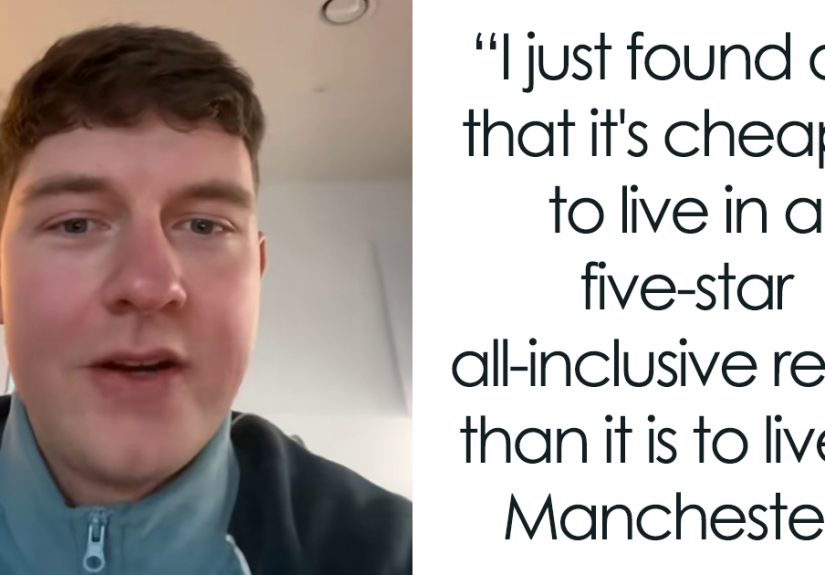
The TikToker at the center of the story, Josh Kerr, said he was paying roughly the same each month for rent, bills, and council tax in Manchester as he would for a month-long stay at an all-inclusive resort in Antalya, Turkey. That comparison landed like a thunderclap because it was not just the room rate doing the heavy lifting. The hotel package included meals, drinks, flights, and the kind of amenities that normal renters do not usually get with their lease unless their landlord is secretly a wizard.
At first glance, the story sounds like internet exaggeration. Social media loves a dramatic caption, and people love a travel bargain even more. But what made this particular moment stick was that the numbers were close enough to feel real and specific enough to feel actionable. This was not some fantasy about leaving everything behind to live on a tropical island forever. It was a guy in rainy Manchester looking at a travel website and discovering that the monthly cost of surviving at home was basically competing with a resort stay by the Mediterranean.
Once the video spread, the internet did what the internet always does: it turned one person’s price comparison into a collective group project. Commenters compared their own rent, energy bills, grocery costs, and work-from-home setups. Some joked that “remote work” now stood for “resort office with unlimited snacks.” Others were only half joking.
Why the Story Resonated So Hard
1. The U.K. Rent Squeeze Is No Joke
The reason Kerr’s comparison hit such a nerve is that housing costs have become a pressure point for a huge number of renters. When monthly rent swallows a giant chunk of income, even an obviously temporary solution starts to look emotionally persuasive. People are not just reacting to a fun travel hack; they are reacting to a system that makes a five-star resort feel weirdly competitive.
That is the deeper reason this story went viral. It translated a macroeconomic problem into a single image everyone could understand: ordinary housing on one side, resort luxury on the other, and the prices looking disturbingly similar. It is hard to overstate how potent that image is. One says responsibility, routine, and financial pressure. The other says sunshine, food on demand, and someone else folding the towels.
When everyday living starts to feel like the overpriced option, people do not just laugh. They start asking hard questions. Why are basics so expensive? Why does “normal life” feel less rewarding than a vacation package? And why does paying rent somehow come with fewer olives, fewer pools, and dramatically worse views?
2. Turkey Has Become a Value-Luxury Magnet
Turkey, especially coastal destinations like Antalya and the wider Turkish Riviera, has built a strong reputation for offering a lot of hotel for the money. Travelers can find beachfront resorts, large-scale all-inclusive packages, spas, pools, entertainment, and easy access to historical sites, often at prices that feel more approachable than similar luxury stays in parts of Western Europe.
That value proposition matters. The viral comparison was not simply “home is expensive.” It was also “Turkey delivers a startling amount of comfort for the price.” Antalya, in particular, checks almost every box that makes a destination internet-friendly: warm weather, photogenic coastline, major tourism infrastructure, and resorts designed to make guests feel like they have somehow won at life.
Put differently, this was not a story about choosing a cheap motel over an apartment. It was a story about choosing a full-on resort experience over the usual grind. That difference is what gave the video its bite.
What He Was Really Buying Was More Than a Room
One reason the comparison feels so dramatic is that rent usually buys only one thing: a place to exist. A resort package, by contrast, bundles a lot of daily expenses into one shiny, seductive price. Meals are included. Drinks are included. Housekeeping is included. Recreation is included. Even the psychological benefit of not opening your banking app every time you think about lunch is included.
That bundle effect changes how people experience value. Paying rent can feel like paying for permission to keep paying for other things. Paying for an all-inclusive resort feels like paying once and then relaxing into the illusion that your life has been professionally managed by people in pressed uniforms.
In practical terms, Kerr was not just comparing square footage to square footage. He was comparing two lifestyles. One involved regular bills, household tasks, and the emotional weather of British renting. The other involved buffets, sun, beach proximity, and a temporary escape from the routine cost stack that defines normal urban life.
That is why so many people responded with a version of the same reaction: “Honestly? I get it.”
Did He Actually “Move There”? Sort Of, and That Distinction Matters
The headline version of this story makes it sound like he packed up forever, waved goodbye to the U.K., and became a full-time resort philosopher. The reality is more nuanced, and honestly, more relatable. What he appeared to do was move his life there temporarily, treating the resort as a short-term base rather than a permanent legal relocation.
That distinction matters because social media loves the dramatic version of events, but most people copying the idea would be doing the same thing: taking a medium-term stay, working remotely if their job allows it, and using a destination with favorable package pricing as an alternative to staying home for a while.
In other words, this was less “I have permanently abandoned Britain” and more “I have chosen the Mediterranean over my bills for the month, and frankly, I feel terrific about it.” That is still bold. It is just bold in a modern, internet-native way.
The Fantasy vs. The Reality of Resort Relocation
The Fantasy
The fantasy sells itself. You wake up, open the curtains, see palm trees or sea views, wander downstairs for breakfast, answer emails by the pool, and take a walk near ancient ruins after work. Dinner appears without grocery shopping. Your room gets cleaned by someone else. The weather is superior. Your mood improves. Your stress shrinks. You begin to suspect that your landlord has been running a deeply unglamorous scam.
No surprise the internet fell for it. The fantasy is not just luxury. It is relief.
The Reality
Still, turning a resort into your life is not the same as taking a vacation. Remote work needs stable internet, time-zone coordination, and a job flexible enough to tolerate a beach-adjacent existence. Visa rules matter. Tax rules matter. Long stays require more planning than a “book now” button suggests. And while all-inclusive living looks wonderfully simple, it can start to feel repetitive if you are there long enough to know the dessert station a little too well.
There is also the question of sustainability. A short-term bargain can be brilliant. A permanent strategy is more complicated. Hotel pricing changes by season. Promotional packages are not guaranteed forever. What looks like a loophole one month can look very different during peak travel periods. Resort life may beat rent for a while, but it does not magically erase bureaucracy, work obligations, or the need for a long-term housing plan.
So yes, it is a clever move. No, it is not a universal solution. It is best understood as a sharp commentary on housing costs disguised as a holiday flex.
Why Antalya Keeps Winning This Conversation
Antalya is not random in this story. It sits in one of the world’s most appealing travel sweet spots: a destination with broad resort infrastructure, strong seasonal tourism demand, beautiful Mediterranean scenery, and a reputation for giving travelers more than they expected for the price. It offers the kind of environment that makes a cost comparison feel almost unfair to the losing side.
And it is not just beaches. The broader Antalya area brings together coastline, archaeological sites, historic towns, water sports, resort convenience, and relatively easy tourist logistics. That combination matters because it turns a simple price hack into a lifestyle fantasy. A cheap month in a dull place is just budgeting. A cheap month in a scenic resort destination feels like beating the system.
That is why Turkey shows up so often in conversations about affordable luxury travel. For travelers from pricier countries, especially when currency dynamics and package deals line up, the value can look borderline ridiculous in the best possible way.
What This Story Says About Modern Work and Modern Living
The most interesting part of the whole episode may be what it reveals about the blurred boundary between travel and ordinary life. Remote work made that blur much more visible. Once people realized they did not always need to be physically tied to a city every weekday, they started asking new questions. Not just “Where do I want to vacation?” but “Where do I want to exist while answering emails?”
That shift is powerful. It means housing, travel, work, and lifestyle are now competing in the same mental spreadsheet. A renter is no longer just comparing apartments to apartments. They are comparing apartments to furnished stays, vacation rentals, long-stay hotels, and even international short-term moves. The competition is wider, and stories like Kerr’s make that painfully obvious.
There is also an emotional layer to it. People are tired. They are tired of paying more for less, tired of being told this is normal, and tired of watching ordinary comforts become luxuries. So when a viral video pops up showing someone trading a basic monthly grind for a five-star resort at a similar price, it becomes more than travel content. It becomes a tiny rebellion with room service.
Should Anyone Else Try It?
For some people, a move like this can absolutely make sense as a short-term reset. If your work is flexible, your documents are in order, your budget is clear, and you understand the visa rules, a month abroad can be a smarter financial choice than people assume. It can also be a mental-health win if what you really need is a break from routine without fully checking out of professional life.
But the smartest version of this idea is not impulsive. It is researched. It accounts for flights, insurance, phone service, work requirements, and entry rules. It treats the stay as a deliberate experiment rather than a meme with luggage.
That said, the fact that the idea feels plausible at all is the real headline. When a five-star hotel enters the same conversation as rent, it tells you something important about the state of housing economics. And none of it is flattering.
Related Experiences: What a Move Like This Actually Feels Like
A short-term resort relocation sounds glamorous online, but the lived experience is a mix of delight, adjustment, and a tiny bit of identity confusion. On day one, it feels like you have hacked adulthood. You check in, notice someone else has made the bed, and think, “I may never recover emotionally from how nice this is.” The weather alone can make your old routine feel like a clerical error.
Then real life returns, just wearing sandals. You still have deadlines. You still have messages to answer. You still need decent Wi-Fi and a quiet corner for calls. The difference is that your lunch break may include a sea view, and your post-work walk may involve palm trees instead of a convenience store and a slightly aggressive pigeon.
Many people who try this kind of setup say the biggest surprise is not the luxury. It is the rhythm. Hotels remove friction. There is less shopping, less cooking, less cleaning, less constant decision-making. That creates an odd sense of spaciousness in the day. You do not realize how much time normal life eats until normal life gets partially outsourced to a buffet and housekeeping.
There is also a social shift. In a resort, everyone around you looks relaxed, because most of them are on vacation. If you are working remotely, you become a strange hybrid species: not exactly a tourist, not exactly a local, just a person replying to spreadsheets in a place where someone nearby is ordering another mocktail before noon. It is funny, slightly surreal, and sometimes genuinely refreshing.
Of course, no experience is perfect. After enough days, even a gorgeous setting becomes routine. You may start craving your own kitchen, your own grocery brands, or the weird comfort of familiar chaos. A resort can feel wonderfully easy, but it can also feel temporary in a way that reminds you why vacations and homes are not quite the same thing.
Still, the emotional effect can be huge. People often come back from a month like this with a sharper sense of what they value. Some realize they do not need as much space as they thought. Some realize climate affects their mood more than they admitted. Some simply realize they were paying a lot for a lifestyle they did not even enjoy.
That may be the most relatable part of Josh Kerr’s story. It is not just that he found a deal. It is that he acted on a question many people quietly ask themselves: if I am going to spend this much money anyway, why not spend it somewhere that actually feels good?
And maybe that is why the story stuck. It was funny, yes. It was dramatic, yes. But underneath the sunshine and hotel footage was a very modern feeling: the suspicion that everyday life has become so expensive, so demanding, and so oddly joyless that moving into a resort for a month no longer sounds ridiculous. It sounds… suspiciously reasonable.
Conclusion
The viral appeal of this story was never just about one TikToker trading Manchester rent for a Turkish resort. It was about a pressure point millions of people immediately recognized. When standard housing costs start competing with luxury travel packages, the internet does not just watch. It reacts, jokes, compares notes, and quietly updates its understanding of what “value” even means.
Josh Kerr’s move worked as viral content because it combined hard numbers with soft fantasy: the economics of rent, the aesthetics of resort life, and the irresistible possibility that maybe, just maybe, the smarter financial decision involves a pool. Whether or not most people would actually do it, a lot of them understood it instantly.
And that is why this story matters. It is not really about escaping to Turkey forever. It is about how expensive ordinary life has become, how flexible work has reshaped our imagination, and how quickly a joke can turn into a serious question once the spreadsheet starts making too much sense.