Table of Contents >> Show >> Hide
- What is an ulcerative colitis enema?
- Types of enemas used for ulcerative colitis
- When might your doctor recommend a UC enema?
- How to use an ulcerative colitis enema: step-by-step
- Benefits and effectiveness of UC enemas
- Side effects, risks, and when to call your doctor
- Living with rectal therapies: practical tips
- Real-life experiences with UC enemas: what people wish they’d known
- Takeaway
If you live with ulcerative colitis (UC), you quickly learn that treatment isn’t just about pills. Sometimes, the most effective meds go in the exact place the inflammation is happening: your colon. Enter the glamorous world of the ulcerative colitis enemaa treatment that’s way more useful than it is fun to talk about.
While the idea of a medicated enema can sound intimidating (or just awkward), rectal therapies are a cornerstone of treating mild to moderate ulcerative colitis in the lower part of the bowel. They’re often recommended by gastroenterologists because they deliver medicine directly to inflamed tissue, which can mean better symptom relief with fewer whole-body side effects.
In this guide, we’ll walk through what UC enemas are, the main types, how they’re used, what to expect, and some real-life experiences and coping tips. Think of this as your practical, judgment-free handbook to a treatment your colon will probably adoreeven if the rest of you needs a little time to warm up to it.
What is an ulcerative colitis enema?
An ulcerative colitis enema is a liquid medication that’s inserted into the rectum and lower colon using a squeeze bottle or canister. Instead of traveling through your entire digestive system like an oral pill, the medicine is delivered straight to the area where UC is causing inflammation.
Enemas are especially helpful when:
- Inflammation is in the rectum and left side of the colon (distal or left-sided colitis).
- You have proctitis or proctosigmoiditis (inflammation limited to the rectum and nearby colon).
- You’re flaring despite oral medication and need more targeted treatment.
Doctors often use enemas alongside oral medications, especially aminosalicylates like mesalamine. Combining oral and rectal therapy can increase your chances of remission compared with pills alone, particularly in mild to moderate UC.
Types of enemas used for ulcerative colitis
Not all enemas are created equal. Some are medications; others are diagnostic tools. Here are the main types you’ll see in UC care.
1. Mesalamine (5-ASA) enemas
Mesalamine enemas are one of the most commonly prescribed rectal treatments for UC. Mesalamine (also called 5-aminosalicylic acid, or 5-ASA) is an anti-inflammatory medication designed specifically for inflammatory bowel diseases like ulcerative colitis.
Key points about mesalamine enemas:
- What they treat: Mild to moderate ulcerative colitis, especially in the rectum, sigmoid, and descending colon.
- How they work: They calm inflammation in the lining of the colon, helping reduce symptoms like bleeding, diarrhea, and urgency.
- Dosing: Many products contain 1–4 grams of mesalamine in about 60 mL of liquid, used once daily, often at bedtime, and held for up to 8 hours if possible.
- Role in care: Frequently recommended as first-line rectal therapy for distal UC and proctitis.
Clinical guidelines from major gastroenterology societies support mesalamine enemas as a go-to option for mild to moderate left-sided disease and ulcerative proctitis. In many studies, they’re at least as effectiveand sometimes more effectivethan rectal steroids for inducing remission.
2. Corticosteroid enemas and foams
Corticosteroid enemas contain steroids such as hydrocortisone or budesonide. These are powerful anti-inflammatory drugs used when mesalamine isn’t enough or isn’t tolerated.
Common steroid preparations include:
- Hydrocortisone enemas: Liquid preparations that reach higher into the colon than suppositories alone.
- Budesonide rectal foam: A steroid foam that’s easier for some people to hold and can treat inflammation in the rectum and lower colon.
Compared with oral steroids, rectal steroids act more locally, so they may have fewer whole-body side effects. Still, they’re usually used for shorter courses because long-term steroid use can affect bones, blood sugar, mood, and more. Your doctor will typically reserve these for flares and aim to transition you to non-steroid maintenance medications once the inflammation is under control.
3. Diagnostic enemas (like barium enemas)
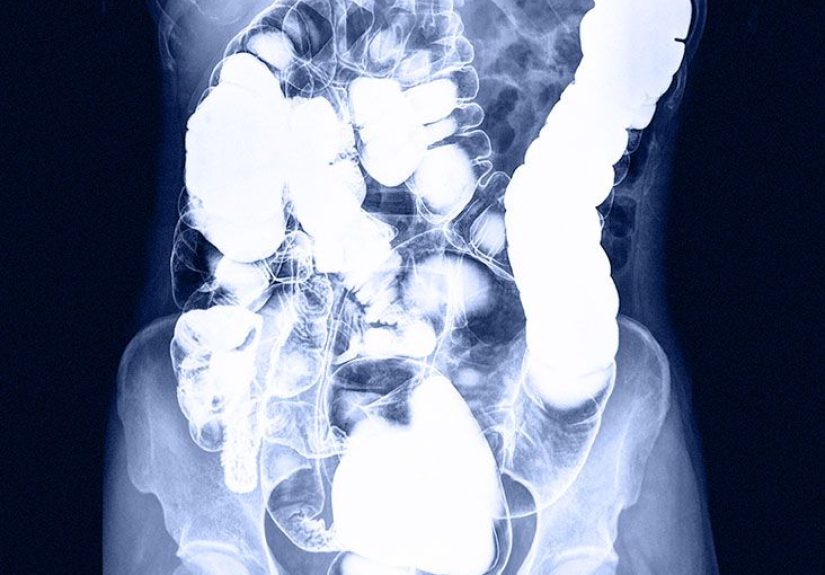
While less common now thanks to colonoscopy and advanced imaging, barium enemas can be used as a diagnostic tool. In this case, a contrast material is introduced into the colon and X-ray images are taken to look for inflammation, strictures, or other abnormalities.
These aren’t treatmentsthey’re tests. For most people with UC today, diagnostic enemas are much less common than in the past but may still be used in specific situations depending on your doctor and health system.
When might your doctor recommend a UC enema?
Rectal therapies are most often recommended when inflammation is located in the lower part of the colon. Your doctor may suggest an ulcerative colitis enema if:
- You have mild to moderate symptoms localized to the rectum or left colon.
- You’re having a flare despite taking oral mesalamine or other medications.
- You experience rectal bleeding, urgency, or tenesmus (the feeling you still need to go even after a bowel movement).
- You want to avoid or delay systemic steroids, if possible.
In many cases, enemas are used in combination with oral therapy. For example, a person might take an oral mesalamine tablet daily and use a mesalamine enema at night for several weeks until symptoms improve.
How to use an ulcerative colitis enema: step-by-step
Every product comes with instructions, and it’s important to follow your prescription label. That said, the general process is fairly similar across most medicated enemas.
1. Get set up
- Wash your hands thoroughly.
- Shake the bottle if the instructions say somany suspensions need to be well mixed.
- Try to empty your bowels before using the enema so there’s less stool in the way and you can hold the medication longer.
- Lay out a towel on your bed or bathroom floor, just in case of drips or leaks.
2. Position your body
The classic position is lying on your left side with your left leg straight and your right leg bent toward your chest. This helps the medication travel along the left side of your colon, where UC often causes trouble.
Some people prefer kneeling with their chest on the bed or lying on their stomach after administration. Your provider may suggest which positions work best for your specific product and level of inflammation.
3. Insert the applicator gently
- Remove the protective cap from the applicator tip.
- Lubricate the tip if recommended (some products are pre-lubricated).
- Relax your muscles and gently insert the tip into the rectumno forcing, no rushing.
It may feel weird, but it shouldn’t be sharply painful. If it is, stop and let your doctor know.
4. Squeeze and deliver the medication
- Squeeze the bottle steadily until the prescribed amount has been delivered. For single-use units, you’ll typically empty the whole bottle.
- Continue to squeeze as you withdraw the tip to prevent the medication from being sucked back into the bottle.
With foams, you’ll release a metered dose according to the product instructions, which may feel lighter and can sometimes be easier to retain.
5. Stay in position and hold as long as you can
After administering the enema, try to stay lying on your left side for at least 15–30 minutes. Many people use enemas at night so they can stay lying down and keep the medicine in place while sleeping.
The goal is to retain the enema for as long as your doctor recommendsoften several hours. Don’t stress if you can’t hold it perfectly at first; it usually gets easier with practice and as inflammation improves.
Benefits and effectiveness of UC enemas
Even though they’re not the most glamorous treatment, UC enemas come with some important advantages:
- Targeted action: They deliver medication directly to inflamed tissue in the rectum and colon.
- Fewer systemic side effects: Because the drug acts locally, it often causes fewer whole-body effects than oral steroids.
- Fast symptom relief: Many people notice improvement in bleeding, mucus, or urgency within days to weeks.
- Strong evidence base: Clinical studies and guidelines support rectal mesalamine and steroid enemas for inducing remission in distal UC.
For some people, enemas help avoid or delay stronger systemic therapies, such as oral steroids or biologic drugs. For others, they work alongside those medications as part of a combination approach.
Side effects, risks, and when to call your doctor
Like all medications, UC enemas can cause side effects. Many are mild and manageable, but it’s important to know what to watch for.
Common side effects
- Mild cramping or a feeling of fullness after administration.
- Urgency to have a bowel movement, especially early in treatment.
- Local irritation, itching, or burning around the rectum.
- Gas, bloating, or slightly looser stools as your bowel adjusts.
These usually improve with time, especially as inflammation settles down. Your provider may suggest using the enema at a different time of day, trying a foam instead of a liquid, or adjusting your routine to make it easier.
Less common but important side effects
Depending on the medication, you may also need to watch for:
- Allergic reactions (rash, hives, breathing difficulty).
- Kidney or liver issues with some mesalamine products (your doctor may monitor labs periodically).
- Steroid-related effects such as mood changes, sleep problems, or increased blood sugar with prolonged steroid use.
Call your doctor promptly if you notice new severe abdominal pain, ongoing fever, significant worsening of symptoms, signs of dehydration, heavy bleeding, or any symptom your provider has warned you about in advance.
Living with rectal therapies: practical tips
Let’s be honest: almost no one is thrilled to add “nightly enema” to their routine. But many people find that once they get over the initial awkwardness, enemas become just another part of their UC toolkit.
Helpful tips from patients and clinicians include:
- Make it a routine: Use the enema at the same time each day, often before bed.
- Protect your bedding: Use an old towel or waterproof pad the first few nights until you’re confident holding the medication.
- Use relaxation strategies: Deep breathing can help relax pelvic muscles and make insertion and retention easier.
- Plan around your schedule: On busy evenings, set a phone reminder so you don’t forget the dose.
- Talk openly with your care team: If you’re struggling, embarrassed, or having trouble using the enema, say soyour provider has heard it all.
The more comfortable you become with the process, the more you can focus on what actually matters: less pain, less bleeding, fewer bathroom emergencies, and more predictability in your day.
Real-life experiences with UC enemas: what people wish they’d known
Every person’s journey with ulcerative colitis is different, but some themes come up over and over when people talk about their experience with enemas. While these are composite stories and not medical advice, they can help you feel less alone if you’re starting rectal therapy for the first time.
“I was terrified at firstbut it got routine surprisingly fast.”
Many people describe their first reaction as, “There is no way I’m doing that.” The idea of administering medication rectally can feel embarrassing or invasive. But over the first week or two, a lot of patients say it goes from “weird and stressful” to “slightly annoying but manageable,” like flossing or wearing a retainer.
One common surprise is how quickly enemas can help with symptoms. When bleeding and urgency start to calm down, the trade-off feels more worth it. Some people say they stopped caring about the awkwardness once they realized they could go to the grocery store without scouting the bathroom first.
“Position and timing make a big difference.”
Trial and error is a big part of the learning curve. For some, lying on the left side works best; others find they hold the medication longer if they lie on their stomach or switch sides after a few minutes. A few people only really succeeded once they started using the enema right before sleep, when their bowels were naturally quieter.
Another common trick is to avoid heavy meals or large amounts of liquid right before using the enema. Giving your digestive system a little downtime beforehand can make retention easier and more comfortable.
“Talking about it helped more than I expected.”
UC affects quality of life, mental health, work, relationshipseverything. When rectal therapies are added to the mix, the embarrassment factor can be high. People often say that being open with at least one trusted person (a partner, friend, or therapist) made them feel less isolated.
Online support communities for inflammatory bowel disease can also be extremely practical. Patients swap tips about brands, techniques, side effects, and how to manage travel or overnight stays while using enemas. It’s not exactly small-talk material, but it can be life-changing to hear “me too” from someone who understands.
“It’s okay if it doesn’t work perfectly every time.”
Another big lesson: success with enemas is not all-or-nothing. Some nights you might hold it the full 8 hours; other nights, your colon has different plans. That doesn’t mean you’ve failed or the treatment won’t work. Your care team is usually more interested in overall patterns than one rough night.
If you consistently can’t retain the enema or it triggers severe cramping, that’s worth discussing with your doctor. Sometimes switching to a foam, adjusting the dose, or combining with other treatments makes a big difference.
“My treatment plan is a moving targetand that’s okay.”
For many people, enemas are one chapter in a longer UC story. You might use rectal therapy intensively during a flare and then taper off. Or you might use enemas intermittently as a rescue option when early symptoms pop up.
The most important thing is that you and your provider view enemas as one tool among many. Biologics, small-molecule drugs, oral mesalamine, nutrition, stress management, and surgery all sit somewhere on the UC toolbox shelf. Enemas don’t have to be forever to be valuablethey just have to help you move closer to stable, steroid-free remission and a life where UC isn’t in charge of your calendar.
Takeaway
Ulcerative colitis enemas may not be anyone’s favorite topic, but they’re a powerful, evidence-based way to treat inflammation in the lower colon and rectum. Mesalamine and steroid enemas can reduce bleeding, urgency, and pain by delivering medication directly where it’s needed, often with fewer systemic side effects than oral steroids.
Yes, there’s a learning curve. Yes, it can feel awkward at first. But with good instruction, a little patience, and an honest relationship with your care team, rectal therapies can be a surprisingly manageableand very effectivepart of your UC treatment plan.