Table of Contents >> Show >> Hide
- Why Protein from Vegetables Matters
- How Much Protein Do You Actually Need?
- 19 Vegetables High in Protein
- 1. Edamame (Young Soybeans)
- 2. Lentils
- 3. Chickpeas (Garbanzo Beans)
- 4. Black Beans
- 5. Green Peas
- 6. Lima Beans
- 7. Broccoli
- 8. Brussels Sprouts
- 9. Spinach
- 10. Kale
- 11. Collard Greens
- 12. Mustard Greens
- 13. Swiss Chard
- 14. Asparagus
- 15. Artichokes
- 16. Corn
- 17. Potatoes
- 18. Sweet Potatoes
- 19. Mushrooms
- Smart Ways to Eat More High-Protein Veggies Every Day
- Real-Life Experiences with High-Protein Veggies
- Bringing It All Together
When most people think “protein,” they picture chicken breasts, protein shakes, or that one gym bro who
carries a shaker everywhere. But here’s a quiet truth your produce drawer has been trying to tell you:
plenty of vegetables are surprisingly high in protein, and they deserve a starring role on your plate.
Loading up on high-protein vegetables can help you hit your protein goals, support muscle maintenance,
keep you full longer, and add a ton of fiber, vitamins, and antioxidants to your dietall without
leaning only on meat, eggs, or dairy. Whether you’re vegetarian, vegan, flexitarian, or just “trying
to eat more plants and fewer drive-thru meals,” these 19 veggies can pull serious weight.
Why Protein from Vegetables Matters
Protein is made of amino acidsthe building blocks your body uses to build and repair tissues, make
hormones and enzymes, keep your immune system strong, and maintain lean muscle. Getting enough protein
throughout the day can help:
- Manage appetite and reduce random snack attacks
- Support muscle recovery after workouts
- Stabilize blood sugar and energy levels
- Protect bone and metabolic health as you age
While animal foods offer concentrated protein, veggie-based protein brings powerful extras: fiber for
your gut, phytochemicals for long-term health, and usually less saturated fat and fewer calories per
bite. Many of the “vegetables” below are technically legumes (beans, peas, lentils), but they’re often
grouped with veggies in everyday eatingand they’re some of the most efficient plant proteins you can
choose.
How Much Protein Do You Actually Need?
For most healthy adults, a common baseline is about 0.8 grams of protein per kilogram of
body weight per day. Many nutrition experts suggest that active people, older adults, or
anyone trying to build or maintain muscle may benefit from around 1.0–1.6 grams per kilogram.
That means:
- At 140 pounds (about 64 kg): roughly 50–100 grams of protein per day
- At 180 pounds (about 82 kg): roughly 65–130 grams of protein per day
Hitting those numbers doesn’t require a giant steak at every meal. A cup of high-protein veggies here,
a hearty bean-based soup there, and suddenly your plateand your proteinlooks a lot more colorful.
19 Vegetables High in Protein
Let’s walk through 19 power-player veggies (and veggie-adjacent foods) that offer impressive protein
per serving, plus simple ways to eat more of them without feeling like you’ve signed up for a full-time
salad-only lifestyle.
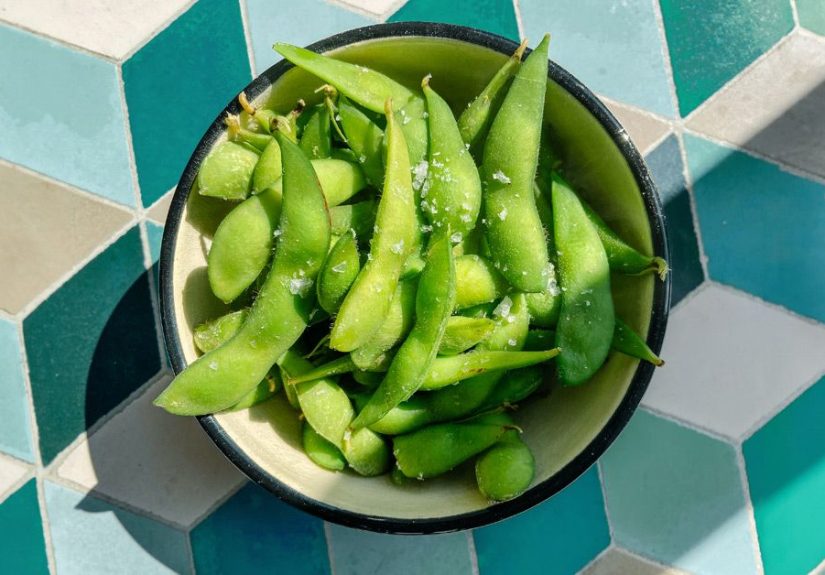
1. Edamame (Young Soybeans)
Protein: About 18 grams per cup cooked, shelled.
Edamame is the overachiever of the veggie world. These young soybeans are not only packed with protein
but also provide all nine essential amino acids, making them a complete plant protein.
How to eat more: Steam edamame and sprinkle with sea salt and chili flakes as a
snack, toss them into stir-fries, grain bowls, or salads, or puree them with garlic, lemon, and olive
oil for a bright green protein-packed dip.
2. Lentils
Protein: Around 17–18 grams per cup cooked.
Lentils are technically legumes but commonly treated like a pantry vegetable hero. They’re rich in
protein, fiber, iron, and folate, and they cook faster than many dried beans.
How to eat more: Make a big pot of lentil soup or curry once a week, use lentils
instead of ground meat in tacos or sloppy joes, or toss cooked lentils into salads for a satisfying,
chewable boost.
3. Chickpeas (Garbanzo Beans)
Protein: About 14–15 grams per cup cooked.
Chickpeas are creamy, nutty, and incredibly versatile. From hummus to roasted snacks, they’re one of
the easiest ways to add plant protein to everyday meals.
How to eat more: Roast chickpeas with olive oil and spices for a crunchy snack,
blend them into hummus, mash them for chickpea “tuna” salad, or add them to pasta dishes and grain
bowls.
4. Black Beans
Protein: Around 15 grams per cup cooked.
Black beans bring serious protein plus fiber and minerals. They’re especially great for heart health
and blood sugar balance.
How to eat more: Stir black beans into chili, layer them in burrito bowls, add them
to eggs or tofu scrambles, or mash them into black bean burgers.
5. Green Peas
Protein: About 8–9 grams per cup cooked.
Sweet little peas don’t look like a protein food, but they absolutely count. They’re also rich in
fiber, vitamin C, and vitamin K.
How to eat more: Keep a bag of frozen peas on hand to toss into soups, pasta, risotto,
and fried rice. Or blitz peas with mint, lemon, and olive oil for a fresh springtime spread.
6. Lima Beans
Protein: About 11–12 grams per cup cooked.
Lima beans (butter beans) are creamy, mild, and higher in protein than many people realize.
How to eat more: Use them in veggie stews, toss them into succotash with corn and
peppers, or marinate cooked lima beans in a garlicky vinaigrette for a hearty bean salad.
7. Broccoli
Protein: Roughly 4 grams per cup cooked.
Broccoli is famous for its vitamin C and cancer-fighting compounds, but it holds its own in the protein
department tooespecially when you eat a big serving.
How to eat more: Roast broccoli with olive oil until the edges are crispy, toss it
into pasta with white beans, or stir-fry it with tofu and edamame for a double or triple protein hit.
8. Brussels Sprouts
Protein: Around 4–5 grams per cup cooked.
These mini cabbages are rich in fiber, vitamin K, and antioxidants alongside their protein.
How to eat more: Halve and roast with olive oil, salt, and a drizzle of balsamic,
shave them raw into salads, or pan-sear them with tempeh or bacon for a deeply savory side.
9. Spinach
Protein: About 5–6 grams per cup cooked (less per raw cup, since it shrinks a lot).
Spinach is famous for iron and folate, but cooked spinach also gives a respectable protein boost per
bite.
How to eat more: Toss fresh spinach into smoothies, fold it into omelets and tofu
scrambles, stir it into soups right before serving, or layer it generously into lasagna.
10. Kale
Protein: Around 3–4 grams per cup cooked.
Kale brings protein, fiber, and a long list of vitamins and minerals. It’s a sturdy green that can
handle cooking, massaging, and even baking.
How to eat more: Massage raw kale with olive oil, lemon, and a pinch of salt for
salads, add it to hearty soups, blend it into smoothies, or bake kale chips for a crunchy, salty snack.
11. Collard Greens
Protein: About 4–5 grams per cup cooked.
Collards are nutrient-dense leafy greens that bring protein plus calcium and vitamin K, making them
great for bone health.
How to eat more: Simmer collards with beans and tomatoes, use blanched collard leaves
as a wrap instead of tortillas, or stir chopped collards into grain bowls.
12. Mustard Greens
Protein: Around 3 grams per cup cooked.
Peppery and bold, mustard greens offer a flavorful way to get extra protein and antioxidants.
How to eat more: Sauté them with garlic and a splash of vinegar, mix them with milder
greens in a cooked side dish, or toss them into soups for a bit of bite.
13. Swiss Chard
Protein: Around 3–4 grams per cup cooked.
Chard is a colorful leafy green with tender leaves and crunchy stems, rich in vitamin A, vitamin K, and
magnesium.
How to eat more: Sauté chard with olive oil and garlic, add it to pasta or polenta,
or chop the stems finely and cook them like celery in soups and stews.
14. Asparagus
Protein: Around 3–4 grams per cup cooked.
Asparagus is a spring favorite with a naturally elegant vibe and a decent dose of protein for relatively
few calories.
How to eat more: Roast asparagus and top with a lemony yogurt or hummus sauce, chop
it into frittatas, or toss steamed asparagus into grain bowls and pasta salads.
15. Artichokes
Protein: About 4–5 grams per medium artichoke or per cup hearts.
Artichokes are fiber powerhouses that also deliver plant protein and antioxidants.
How to eat more: Enjoy whole steamed artichokes with a light dipping sauce, use canned
artichoke hearts on pizzas and in salads, or blend them into creamy artichoke dips made with Greek yogurt
or white beans.
16. Corn
Protein: Roughly 4–5 grams per cup cooked.
Technically a grain, corn is often treated like a vegetable on the plate. It offers more protein than
many other starchy sides.
How to eat more: Add corn to black bean salads, toss it into chili and soups, make
elote-style corn with a lighter sauce, or mix it into quinoa or brown rice dishes.
17. Potatoes
Protein: About 4–5 grams per medium potato.
Potatoes get a bad reputation, but they actually provide protein, potassium, and vitamin Cespecially if
you eat the skin.
How to eat more: Bake potatoes and top them with beans, broccoli, and a sprinkle of
cheese or nutritional yeast; cube and roast them with other high-protein veggies; or use leftover roasted
potatoes in breakfast hash with eggs or tofu.
18. Sweet Potatoes
Protein: Around 4 grams per large sweet potato.
Sweet potatoes offer protein plus beta-carotene and fiber, making them filling and nutrient-dense.
How to eat more: Stuff baked sweet potatoes with lentils or black beans, cube and roast
them for salads, or mash them and swirl in peanut butter or almond butter for a sweet-and-savory snack.
19. Mushrooms
Protein: About 3–4 grams per cup cooked (varies by type).
Mushrooms aren’t technically vegetables, but they act like them in recipes and bring umami plus modest
protein.
How to eat more: Sauté mushrooms as a burger topper, fold them into omelets or tofu
scrambles, add them to pasta sauces, or use large portobello caps as a meaty centerpiece in sandwiches.
Smart Ways to Eat More High-Protein Veggies Every Day
You don’t need a total kitchen makeover to get more of these veggies into your routine. A few small
shifts can add up quickly:
- Upgrade your sides. Swap plain white rice for a mix of brown rice and lentils,
or add a cup of peas or edamame to stir-fries and fried rice. - Build “half-bean” meals. Use half the usual amount of meat and replace the rest
with lentils, chickpeas, or black beans in tacos, pasta sauces, and casseroles. - Lean on frozen veggies. Frozen peas, spinach, broccoli, and edamame are
nutrition all-stars and cook in minutesno chopping required. - Power up salads and bowls. Every salad or grain bowl gets a protein upgrade
when you add chickpeas, lentils, edamame, peas, or roasted Brussels sprouts. - Make soups and stews do double duty. Add beans plus two or three of the high-protein
veggies above to every pot of soup or chili.
The goal isn’t perfectionjust steady, realistic upgrades. If your plate looks more like a rainbow and
you feel full and energized, you’re winning.
Real-Life Experiences with High-Protein Veggies
Adding more high-protein vegetables isn’t just a nutrition strategy on paperit changes how people feel
in everyday life. Here’s what often happens when someone decides, “Okay, I’m going to let beans and
veggies do some heavy lifting around here.”
First, there’s the grocery cart transformation. Instead of loading up only on meat and processed snacks,
the cart starts filling with bags of frozen edamame, lentils, chickpeas, leafy greens, and big heads of
broccoli. At first, that can feel like a risky experimentespecially if you’re used to building meals
around one big piece of meat. But within a week or two, most people notice how flexible these foods are.
Lentils work in soups, salads, taco fillings, and pasta sauces. Edamame jumps from snack bowl to stir-fry
to grain bowl without missing a beat.
The biggest surprise for many is how satisfying veggie-heavy meals can be. When plates include
a hefty serving of beans, peas, or lentils plus fiber-rich vegetables and whole grains, hunger crashes
tend to calm down. Instead of feeling stuffed and sleepy after a heavy meal, people often describe
feeling “evenly full”not bloated, not starving an hour later. That steady energy is a huge win for busy
schedules, workdays, or anyone juggling kids, deadlines, and a social life.
Of course, there’s also the “bean reality check”: digestion. If someone jumps from barely eating beans
to giant servings overnight, there can be gas and discomfort. People who have the best experiences usually
increase portions graduallystarting with a few tablespoons of beans or lentils added to existing meals,
then working up to a full cup over a couple of weeks. Drinking plenty of water and including a mix of
cooked and raw veggies makes the transition easier on the gut.
Another common experience is budget relief. High-protein vegetablesespecially beans, peas, and lentils
are much cheaper per serving than most meats, protein powders, or convenience foods. Many families find
that making one or two all-plant dinners a week (like lentil chili, chickpea curry, or black bean tacos)
noticeably shrinks their grocery bill without sacrificing satisfaction. Leftovers tend to stretch well,
too, turning into tomorrow’s lunch with minimal effort.
Over time, taste preferences often shift. Dishes that once seemed incomplete without meat start to feel
perfectly satisfying with hearty veggies and legumes. People frequently find themselves craving roasted
Brussels sprouts, creamy hummus bowls, or big lentil salads. The more often you cook with high-protein
vegetables, the easier it becomes to improvise: throwing together a quick bowl of brown rice, black
beans, roasted sweet potatoes, sautéed greens, and a drizzle of yogurt or tahini sauce becomes second
nature.
The bottom line from real-world experience: you don’t have to choose between eating plants and feeling
full. High-protein vegetables offer a practical, affordable, and surprisingly delicious way to support
your health, your energy, and your budgetall while making your plate a lot more colorful.
Bringing It All Together
Protein doesn’t have to mean steak at every meal. By leaning on high-protein vegetablesespecially beans,
peas, lentils, and hearty greensyou can easily hit your protein goals while getting more fiber, vitamins,
and flavor in every bite. Start small: swap in one veggie-forward, protein-rich meal this week, then build
from there. Your body (and your grocery budget) will thank you.