Table of Contents >> Show >> Hide
- What Is a Vintage Cocoon Pendant Lamp?
- A Brief History of the Cocoon Look
- Why Vintage Cocoon Pendant Lamps Still Feel So Relevant
- Where a Vintage Cocoon Pendant Lamp Works Best
- How to Choose the Right Size and Hanging Height
- What to Look for When Buying a Vintage Cocoon Pendant Lamp
- How to Style It Without Making the Room Feel Like a Time Capsule
- Cleaning and Maintenance Tips
- Is a Vintage Cocoon Pendant Lamp Worth It?
- Experiences Related to a Vintage Cocoon Pendant Lamp
- Final Thoughts
Some light fixtures illuminate a room. A vintage cocoon pendant lamp flat-out changes its personality. Turn one on, and suddenly the space feels calmer, softer, and about 37% more sophisticatedscientifically unproven, emotionally undeniable. With its cloudlike shape, warm glow, and unmistakable mid-century charm, this style of pendant has become a favorite for homeowners, collectors, interior designers, and anyone who wants their ceiling light to look less like an appliance and more like art.
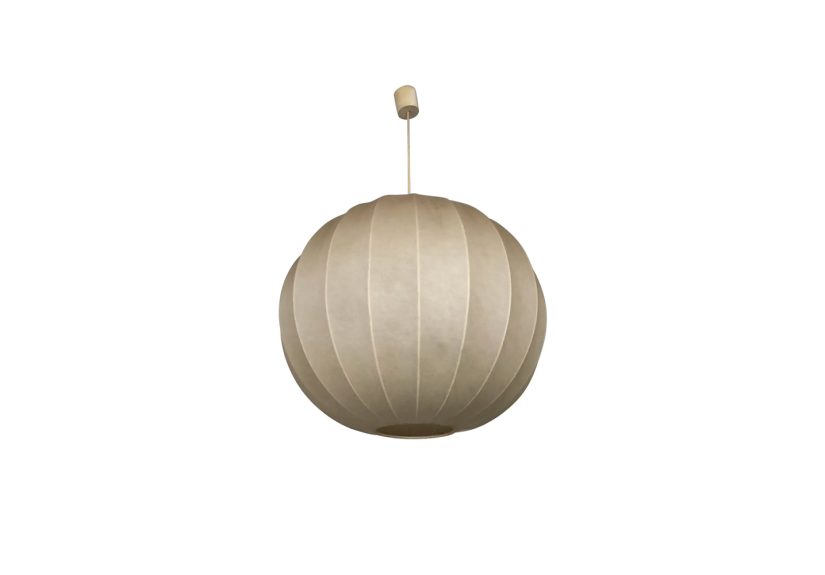
The phrase vintage cocoon pendant lamp is often used to describe lantern-like or bubble-style pendant lights with an airy shell, rounded silhouette, and diffused glow. In many cases, the look is closely associated with the iconic mid-century designs that popularized a cocoon-like shade stretched over a lightweight frame. The result is a fixture that feels organic, sculptural, and surprisingly versatile. It works in a sleek modern home, a cozy apartment with thrifted treasures, or a dining room that wants a little drama without turning into a stage production.
What Is a Vintage Cocoon Pendant Lamp?
At its core, a cocoon pendant lamp is all about form and atmosphere. The shade usually has a rounded, elongated, or gently irregular shape, and it is designed to soften and spread light rather than blast it across the room like an interrogation lamp. Classic examples include saucer, pear, cigar, apple, lantern, and globe-inspired silhouettes. In vintage and mid-century interiors, these shapes feel timeless because they are simple without being boring and elegant without trying too hard.
What makes the style so memorable is the balance between opposites. It looks light, but it has presence. It appears delicate, yet many authentic versions are built over sturdy metal frames. It feels artistic, though it is also highly practical. That rare combination explains why the bubble pendant lamp, mid-century modern lighting, and organic pendant light categories continue to overlap in design conversations. This lamp is not just something you hang from the ceiling. It is something you notice, live with, and occasionally brag about in a very tasteful way.
A Brief History of the Cocoon Look
The modern fascination with cocoon lighting is deeply tied to mid-century design history. One of the most influential stories in this category centers on George Nelson, who admired expensive Swedish silk-covered hanging lamps but did not love their equally dramatic price. The solution was brilliantly practical: create a lighter, more accessible version using a metal frame and a translucent sprayed material that could create the same glowing softness. That idea evolved into the famous Bubble Lamp family, which helped define the American mid-century lighting aesthetic.
That legacy still matters today because it explains why a vintage cocoon pendant lamp never really feels outdated. It was born from the marriage of innovation, affordability, and beauty. It took a luxurious look and translated it into a form that was modern, useful, and visually gentle. Even now, decades later, that mission still feels fresh. Good design ages well, and great lighting has a habit of refusing retirement.
Why Vintage Cocoon Pendant Lamps Still Feel So Relevant
1. They create soft, flattering light
Harsh overhead lighting is excellent for operating rooms and locating a missing earring in carpet. It is less impressive when you are trying to enjoy dinner, read in peace, or make your living room feel welcoming. A cocoon pendant lamp diffuses light beautifully, which helps reduce glare and gives a room a warm, even glow. It is the lighting equivalent of a friendly filtersubtle, forgiving, and much nicer to look at.
2. They act like sculpture without hogging attention
A great pendant should do more than hang there like a confused fruit. Cocoon-style lamps bring shape, texture, and visual interest to a room, but they do it with softness. They feel sculptural without becoming loud. That makes them ideal in rooms where you want a focal point that still plays nicely with other pieces, from walnut tables to boucle chairs to vintage rugs that already believe they are the star of the house.
3. They work with more than one design style
Yes, these lamps are beloved in mid-century modern interiors, but they are not stuck there. A vintage cocoon pendant lamp can look fantastic in Scandinavian-inspired spaces, organic modern rooms, minimalist homes, eclectic apartments, and even transitional interiors that mix old and new. Pair it with wood for warmth, black metal for contrast, plaster walls for softness, or colorful art for energy. It adapts without losing its identity, which is more than many people can say after one home makeover show binge.
Where a Vintage Cocoon Pendant Lamp Works Best
Dining room
This is perhaps the most natural habitat for the cocoon pendant lamp. Over a dining table, it creates an intimate pool of light that makes meals feel more intentional and less like a rushed snack over emails. A saucer or pear shape is especially effective here because it anchors the table without feeling heavy. The visual softness of the shade also helps a dining area feel finished, even if the rest of the room is keeping things simple.
Kitchen breakfast nook or island
In kitchens, cocoon pendants can soften all the hard surfacesstone, tile, metal, and cabinetrythat sometimes make the room feel too crisp. A single pendant over a breakfast nook adds warmth, while a pair or trio can work over an island if the spacing and scale are right. This is especially effective when the kitchen leans modern and needs one element that says, “Relax, we make pancakes here too.”
Bedroom corner or bedside area
Not every bedroom needs a pendant, but the right one can make the space feel elevated and serene. A cocoon lamp adds a calming, ambient glow that is ideal for winding down. It also frees up surface space if you use it near a bedside area instead of a bulky table lamp. It is practical, pretty, and less likely to get knocked over during a midnight search for your phone charger.
Living room or entryway
In a living room, a cocoon pendant works beautifully when you want a statement overhead fixture that still feels relaxed. In an entryway, it sets the tone immediately: thoughtful, artistic, inviting. That first impression matters. A great pendant says, “Welcome in.” A bad one says, “The landlord picked this in 2009.”
How to Choose the Right Size and Hanging Height
Beauty is important, but proportion is what keeps a lovely lamp from looking like it accidentally wandered into the wrong room. For a dining table, a good rule of thumb is to choose a fixture that measures roughly half to two-thirds the width of the table. Another practical guideline is to keep the pendant about one foot narrower than the table itself. That usually creates a balanced look without overwhelming the furniture below.
When hanging a cocoon pendant over a dining table, aim for about 30 to 36 inches above the tabletop in a room with a standard 8-foot ceiling. For taller ceilings, raise the fixture gradually. Over a kitchen island or counter, a common range is about 28 to 34 inches above the surface, though personal height, sight lines, and the shape of the fixture all matter. If you are using multiple pendants, equal spacing is your friend. Many designers recommend keeping them roughly 24 to 36 inches apart and leaving some breathing room near the ends of the island so the layout feels intentional rather than crowded.
Translation: measure first, admire later. Your future self will appreciate it.
What to Look for When Buying a Vintage Cocoon Pendant Lamp
Shade condition
The shade is the soul of the lamp, so inspect it carefully. Look for discoloration, brittleness, tears, patchy repairs, or uneven texture. Age can add character, but damage that affects structure or light quality is another story. A good vintage piece may show gentle wear, yet it should still feel intact and visually pleasing when lit.
Frame integrity
Many cocoon-style lamps rely on a lightweight internal frame. Make sure it is not bent out of shape or compromised by rust. A slightly wonky antique chair can pass as character. A lopsided pendant hanging over dinner tends to feel more like suspense.
Wiring and hardware
Older fixtures may need rewiring, updated sockets, or replacement mounting hardware to meet modern safety expectations. If the lamp is truly vintage, assume it deserves a professional look before installation. Authentic charm is wonderful. Electrical surprises are less charming.
Authenticity and origin
If you are shopping for a collectible designer piece, ask about provenance, labels, manufacturer details, dimensions, and any restoration history. If you simply want the vintage cocoon look, you may not need a museum-worthy example. A well-made reproduction or inspired piece can still deliver the atmosphere and style you want. The goal is to match the lamp to your priorities: collectibility, affordability, or visual impact.
How to Style It Without Making the Room Feel Like a Time Capsule
The easiest mistake with mid-century lighting is leaning so hard into the era that your room begins to look like a set waiting for someone named Don Draper. The smarter move is balance. Let the pendant bring the vintage soul, then mix it with newer textures and shapes. Think plaster walls, contemporary art, linen curtains, or a stone dining table. Contrast helps the lamp stand out while keeping the room grounded in the present.
You can also layer the lighting. A cocoon pendant is excellent for ambient light, but it becomes even better when paired with wall sconces, table lamps, or discreet task lighting. This prevents the fixture from doing all the heavy lifting and makes the room more flexible throughout the day. Add a dimmer, and suddenly your lamp can go from bright breakfast to moody dinner to “we are pretending we have our lives together” evening entertaining.
Cleaning and Maintenance Tips
Cocoon and bubble-style shades reward gentle care. In general, a soft duster, a clean cloth, or a vacuum with a soft brush attachment is the safe starting point for routine dust removal. For more stubborn marks, mild soap and warm water on a soft cloth can help, followed by careful drying. Harsh cleaners, abrasive products, ammonia, bleach, and anything gritty are bad ideas because they can damage the surface or cause discoloration.
This is not the kind of lamp you attack with aggressive spray cleaner and determination. Think less “weekend power scrubbing,” more “respectful spa treatment for a glowing design icon.”
Is a Vintage Cocoon Pendant Lamp Worth It?
In many cases, yes. If you care about atmosphere, design history, and lighting that does more than simply exist, a vintage cocoon pendant lamp is absolutely worth considering. It offers warmth, softness, sculptural appeal, and long-lasting style. It can be the visual centerpiece of a room or the quiet thing that makes everything else around it look better. Either way, it earns its ceiling space.
The best part is that it does not scream for attention. It glows. It hovers. It settles into the room and makes the whole place feel more intentional. In a world full of sharp edges and louder-than-necessary design choices, that gentle kind of confidence is refreshing.
Experiences Related to a Vintage Cocoon Pendant Lamp
Living with a vintage cocoon pendant lamp is different from merely owning one, and that distinction matters. On paper, it is a light fixture. In real life, it becomes a mood manager. The first time I spent an evening under one in a small dining area, I understood why people get oddly poetic about lighting. The room itself was nothing outrageous: a wood table, a few mixed chairs, books on a sideboard, and the usual signs of actual human life. But once that pendant switched on, everything looked calmer. The edges of the room softened. The table felt more inviting. Even takeout noodles suddenly had dinner-party energy.
Another memorable experience came in an apartment with ceilings that were not especially tall and square footage that definitely believed in modesty. Most statement fixtures would have bullied the room. A cocoon pendant did the opposite. It gave the apartment character without adding visual heaviness. During the day, it looked like a floating sculpture. At night, it turned the living room into the sort of place where people automatically sat down, relaxed, and stayed longer than planned. That is one of the sneaky powers of this style: it changes behavior as much as it changes appearance.
I have also seen a vintage cocoon pendant lamp rescue rooms that felt too polished. In one kitchen, every finish was sleek, beautiful, and just a touch emotionally unavailablestone counters, clean cabinetry, perfect stools, very little softness. Once a cocoon-style pendant was added over the breakfast table, the entire space became more human. It introduced texture without clutter and warmth without fuss. Suddenly the kitchen looked less like a showroom and more like a place where someone might actually sit with coffee and stare heroically out the window.
There is also something deeply satisfying about how these lamps interact with seasons. In summer, they feel airy and light, almost cloudlike. In winter, they become warm little moons. During holiday gatherings, they make candlelight look even better. On quiet mornings, they lend a soft glow that feels gentler than recessed lighting ever could. You begin to notice that the lamp is not just decorating the room; it is shaping how the room is experienced across time.
Of course, vintage ownership is not all cinematic ambiance and design enlightenment. Sometimes it involves inspecting old wiring, worrying briefly about mounting hardware, and learning that dust is more visible on a glowing shade than you hoped. But even those practical moments become part of the affection people build for these fixtures. A cocoon pendant is not disposable decor. It invites attention, care, and a little commitment. In return, it gives a space identity.
That may be the most meaningful experience of all. The right vintage cocoon pendant lamp does not merely light a room. It gives the room a memory. Guests remember it. You remember how evenings feel under it. You remember the first time the room finally looked finished. And that is why so many people keep searching for one: not because they need another ceiling fixture, but because they want that soft, floating, unmistakably special feeling that only this kind of lamp seems to deliver.
Final Thoughts
A vintage cocoon pendant lamp is one of those rare design pieces that manages to be historic, practical, artistic, and comfortable all at once. It brings soft illumination, sculptural presence, and a timeless sense of ease to nearly any room. Whether you are chasing an authentic mid-century collectible or simply want that warm bubble-lamp magic in your home, the appeal is easy to understand: this is lighting that feels alive.
And really, if a lamp can make your room look better, your dinner feel fancier, and your ceiling more interesting, that is not just good design. That is overachieving.