Table of Contents >> Show >> Hide
- What Is Body-Focused Repetitive Behavior?
- Why BFRBs Happen (And Why “Just Stop” Doesn’t Work)
- When It’s More Than a Habit
- How BFRBs Are Diagnosed
- How to Cope With BFRBs (Realistically)
- Evidence-Based Treatment Options
- When to Get Help Sooner Rather Than Later
- Final Thoughts
- Experience Stories (Composite Examples) 500+ Words
If you’ve ever caught yourself picking at your skin during homework, biting your nails while scrolling, or pulling at your hair when stressed, you’re not alone. For some people, these behaviors go beyond an occasional habit and become hard-to-stop patterns that cause distress, shame, or physical damage. That’s where the term body-focused repetitive behavior (BFRB) comes in.
The frustrating part? BFRBs can look “small” from the outside, but feel huge on the inside. People often hear, “Just stop doing it,” which is about as helpful as telling someone to “just relax” during a panic attack. In reality, BFRBs are complex, often tied to stress, emotions, sensory needs, and learned behavior loops. The good news: there are real, evidence-based ways to cope, and many people get better with the right support.
In this guide, we’ll break down what BFRBs are, what they can look like, why they happen, and how to cope in a practical, non-judgy way. Think of this as a helpful roadmap, not a finger wag.
What Is Body-Focused Repetitive Behavior?
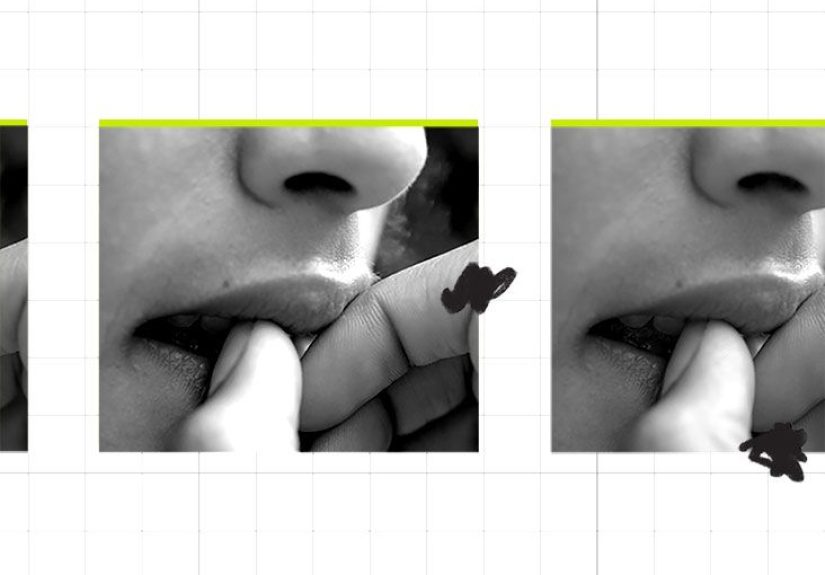
Body-focused repetitive behaviors are repeated self-grooming behaviors that involve things like picking, pulling, biting, or scraping parts of your own body (skin, hair, nails, lips, cheeks, and more) in a way that causes damage and keeps happening even after repeated attempts to stop.
In plain English: it’s not just “a bad habit.” A BFRB usually has an urge, a repeated action, and a “why can’t I stop?” feeling attached to it.
Common types of BFRBs
- Trichotillomania (hair-pulling disorder)
- Excoriation disorder (skin-picking disorder / dermatillomania)
- Nail biting (onychophagia)
- Nail picking (onychotillomania)
- Cheek biting or lip biting
- Skin biting
The two most commonly discussed BFRB disorders in clinical settings are hair pulling and skin picking, but many people experience other repetitive grooming behaviors in the same family.
Why BFRBs Happen (And Why “Just Stop” Doesn’t Work)
BFRBs are different for everyone. For one person, the behavior may happen almost automatically while reading or watching TV. For another, it may be a more focused behavior used to relieve tension, boredom, frustration, or anxiety.
A lot of people with BFRBs describe a familiar cycle:
- An urge, tension, sensation, or uncomfortable feeling shows up
- The person picks, pulls, or bites
- There’s temporary relief, satisfaction, or “release”
- Then guilt, frustration, shame, or regret shows up later
That short-term relief is exactly why these behaviors can stick around. The brain learns, “Hey, this helps for a second,” and repeats the loopeven when the long-term consequences are painful.
Common triggers
BFRB triggers usually fall into a few buckets:
- Emotional triggers: stress, anxiety, boredom, loneliness, frustration, sadness
- Sensory triggers: a rough edge, an “imperfect” hair, a scab, a skin texture that feels impossible to ignore
- Situational triggers: studying, driving, lying in bed, using a computer, watching shows
- Cognitive triggers: “I just need to fix this one spot” or “I’ll stop after one”
Some people also have a mix of “automatic” behavior (doing it without noticing) and “focused” behavior (doing it on purpose to relieve a feeling). That mix is common, and it’s one reason treatment often needs to be personalized instead of one-size-fits-all.
When It’s More Than a Habit
Lots of people occasionally bite nails or pick at a pimple. That alone doesn’t mean they have a BFRB disorder. It starts to look more like a BFRB when the behavior:
- Causes visible damage (hair loss, sores, scarring, bleeding, irritation)
- Happens repeatedly over time
- Feels hard to control, even after trying to stop
- Causes stress, embarrassment, or shame
- Interferes with school, work, relationships, or daily life
- Leads to hiding behaviors (hats, sleeves, makeup, avoiding people, avoiding cameras)
A key point: many people with BFRBs are highly functional and still struggling. You can be doing great in class or at work and still be quietly dealing with this. That doesn’t make it “not serious.” It just makes you human.
How BFRBs Are Diagnosed
Diagnosis usually starts with a regular healthcare provider (primary care doctor, dermatologist, dentist, or pediatrician) and then often involves a mental health professional. A good evaluation may include:
- Looking at the physical effects (skin, scalp, nails, hair)
- Ruling out medical causes (like skin or scalp conditions)
- Talking about urges, patterns, triggers, and emotions
- Checking for related conditions (anxiety, depression, OCD, ADHD, etc.)
This matters because treatment works best when the provider understands the whole picturenot just the behavior itself, but what drives it and what keeps it going.
How to Cope With BFRBs (Realistically)
Let’s talk coping. Not “be perfect by Monday” coping. Real coping. The kind that reduces urges, lowers damage, and helps you regain control little by little.
1) Build awareness before you try to “quit”
If your behavior is automatic, your first goal is not stoppingit’s noticing. Start by tracking:
- When it happens
- Where you are
- What you’re doing
- What you’re feeling
- What your hands are doing right before it starts
Even a simple note on your phone helps. Awareness is powerful because you can’t interrupt a pattern you never see coming.
2) Use a “competing response”
One of the most effective BFRB coping tools comes from habit reversal training (HRT). The idea is simple: when the urge shows up, do a different action that physically blocks the BFRB behavior.
Examples:
- Clench your fists for 30–60 seconds
- Press your palms together
- Sit on your hands briefly
- Hold a stress ball, fidget ring, or putty
- Keep your hands flat on your thighs
It can feel awkward at first. That’s okay. “Awkward but effective” beats “familiar and harmful” every time.
3) Change the environment, not just your willpower
Willpower is overrated when you’re tired, stressed, or half-asleep. Environment tweaks are underrated. Try:
- Bandages or hydrocolloid patches on frequent picking spots
- Keeping tweezers or picking tools out of easy reach
- Wearing gloves or fingertip covers during trigger times
- Keeping nails trimmed smooth
- Using mirrors less (or setting a timer if mirrors are a trigger)
- Adding a desk fidget during studying or screen time
This is not “cheating.” This is strategy. If your environment helps your behavior happen, it can also help your recovery happen.
4) Create a “BFRB first-aid kit”
Make a small kit for the moments when urges hit hard. Include things like:
- Fidgets (putty, rings, textured objects)
- Lip balm or cuticle oil (for sensory replacement)
- Bandages or pimple patches
- A stress ball
- A short coping note (“Urges pass. Do the substitute move.”)
- A list of 3 quick distractions (walk, cold water, text a friend)
This gives you a plan before your brain starts negotiating like a tiny lawyer: “Okay, but just one hair.”
5) Work with the urge instead of fighting it
Urges usually rise, peak, and pass. If you treat every urge like an emergency, it often gets louder. A better approach is:
- Name it: “I’m having a picking urge.”
- Rate it: “This is a 7/10.”
- Delay it: “I’ll wait 10 minutes and use my coping tool first.”
- Redirect: do your competing response
You don’t have to make the urge disappear. You just need to outlast it long enough to avoid the behavior more often.
6) Reduce shame (seriously)
Shame is fuel for BFRBs. People feel bad, hide it, get stressed, and the cycle gets worse. Try a more useful inner script:
“This is a learned behavior loop, not a character flaw. I can work on it.”
If you slipped today, that doesn’t erase progress. Recovery is usually uneven. Think “trends,” not “perfect streaks.”
7) Tell one safe person
BFRBs thrive in secrecy. You don’t need to tell the whole internet. Tell one person who can respond calmly:
- A parent or guardian
- A friend
- A counselor
- A therapist
- A doctor or school nurse
You can even give them a script: “I’m dealing with a body-focused repetitive behavior. I’m working on it. If you notice it, please gently remind me instead of scolding me.”
Evidence-Based Treatment Options
If BFRBs are causing distress or physical harm, professional support is a smart move. The most supported treatments are usually forms of cognitive behavioral therapy (CBT), especially:
- Habit Reversal Training (HRT) builds awareness and teaches substitute responses
- Comprehensive Behavioral Treatment (ComB) a personalized approach that looks at emotional, sensory, cognitive, motor, and environmental triggers
- ACT-based strategies helps people accept urges without acting on them
Some people also benefit from medication, especially when anxiety, depression, or OCD symptoms are part of the picture. There isn’t one universal BFRB medication that works for everyone, which is why treatment planning should be individualized with a clinician.
The best treatment plans usually combine skill-building, trigger management, and supportnot just “try harder.”
When to Get Help Sooner Rather Than Later
Please reach out to a healthcare or mental health professional if:
- You’re causing skin damage, hair loss, infections, or pain
- You’re spending a lot of time on the behavior
- You feel ashamed and are avoiding people, school, or activities
- You’ve tried to stop many times and can’t
- Your stress, anxiety, or mood symptoms are getting worse
Early help can make a big difference. BFRBs often become more manageable when people learn the right skills and get the right support.
Final Thoughts
So, what is body-focused repetitive behavior? It’s a group of real, treatable conditions involving repeated self-grooming behaviors like skin picking, hair pulling, and nail bitingbehaviors that can be driven by urges, emotions, sensory triggers, and habit loops.
And how do you cope? Start with awareness. Add competing responses. Change your environment. Lower shame. Get support. If needed, work with a therapist who understands BFRBs. No magic, no gimmicksjust practical tools, consistency, and a treatment plan that fits you.
You are not “broken,” and you are definitely not the only person dealing with this. Your brain learned a pattern. Patterns can be changed.
Experience Stories (Composite Examples) 500+ Words
Experience 1: “I only noticed it when exam season started.”
A high school student thought she just had “a stress habit” because she kept picking around her cuticles while studying. During finals, it escalated fast: long study sessions, little sleep, lots of pressure, and suddenly she was picking until her fingers hurt. The turning point wasn’t a dramatic momentit was realizing she did it most while reviewing flashcards. She started wearing thin finger covers while studying and kept a kneaded eraser in one hand. She also set 25-minute study timers and checked her hands at each break. She didn’t stop overnight, but the behavior became less automatic, and the damage started to heal. Her biggest win wasn’t “never picking again.” It was catching it earlier and not spiraling into shame afterward.
Experience 2: “I thought I was just fixing my skin.”
A college freshman kept telling himself he was just cleaning up “one rough spot” on his face. But one rough spot turned into 30 minutes in front of the mirror. Then he’d avoid video calls and turn his camera off in class. What helped most was changing the setup, not trying to be a hero with willpower. He moved his magnifying mirror out of the bathroom, put hydrocolloid patches on the spots he picked most, and kept tweezers in a drawer in another room. He also made a rule: no bathroom mirror checks longer than two minutes. At first he hated the rule. Then he realized the urge still came, but the routine was weaker. Later, in therapy, he learned that boredom and perfectionism were major triggers. Once he stopped treating the behavior like a “self-control failure” and started treating it like a pattern, progress got easier.
Experience 3: “Mine was automatic, not emotionaluntil I looked closer.”
A working adult with trichotillomania said she pulled hair while reading emails, watching shows, and sitting in traffic. She described it as “background behavior,” like tapping a foot. She didn’t think emotions were part of ituntil she tracked it for two weeks. Her log showed the strongest pulling urges happened after frustrating meetings, while waiting for replies, and late at night when she was tired. That tracking changed everything. She started using a textured fidget during meetings, switched to audio-only walks after work to decompress, and kept her hands busy while watching TV by folding laundry or using putty. She also learned a competing response in therapy: hands flat on thighs, shoulders relaxed, slow breathing for one minute when the urge spiked. She still had hard days, but she finally felt like she understood what her brain was doing.
Experience 4: “The shame made it worse. Talking helped.”
A teen had been biting the inside of his cheeks and picking at skin for years but never told anyone because he thought people would think it was weird. He got really good at hiding it. The problem was, hiding made him more anxious, and anxiety made the behaviors worse. He eventually told a school counselor using a note because saying it out loud felt impossible. The counselor responded calmly, helped him set up an appointment with a healthcare provider, and gave him a simple plan for school: gum during study hall, a fidget in class, and a quiet reminder signal if he started biting his cheeks during stressful tests. What surprised him most was how much relief he felt after telling one safe person. He said the urges didn’t disappear, but the “I’m dealing with this completely alone” feeling finally did. And that made coping feel possible.
These examples are different on purpose. BFRBs don’t look the same for everyone, and coping doesn’t either. But the pattern is consistent: when people replace shame with skills, and secrecy with support, things usually start to improve.