Table of Contents >> Show >> Hide
- What Is Proctoscopy?
- What Does a Proctoscopy Show?
- What Are the Main Uses of Proctoscopy?
- Who Might Need a Proctoscopy?
- Proctoscopy vs. Anoscopy vs. Sigmoidoscopy vs. Colonoscopy
- How to Prepare for a Proctoscopy
- What Happens During a Proctoscopy?
- Does Proctoscopy Hurt?
- What Are the Risks of Proctoscopy?
- What Can the Results Mean?
- What Proctoscopy Cannot Do
- Patient Experiences: What Proctoscopy Often Feels Like in Real Life
- Final Thoughts
- SEO Tags
Let’s be honest: proctoscopy is not exactly the kind of topic that steals the spotlight at brunch. Still, when it comes to rectal pain, bleeding, suspicious lumps, or the need to check a known problem up close, this small but mighty exam can be incredibly useful. In the right situation, proctoscopy gives a healthcare provider a direct look at the anus and rectum without the full production of a colonoscopy. No gallon jug of prep. No dramatic countdown. No Oscar for Best Supporting Sedation.
That makes it a practical, targeted tool. If someone has symptoms such as rectal bleeding, pressure, discharge, chronic irritation, or a feeling that something just is not right down there, a proctoscopy can help move the conversation from guesswork to visible evidence. It may also allow the provider to take a biopsy, measure a rectal tumor, or monitor healing after treatment.
In this guide, we’ll break down what proctoscopy is, why it is done, what it can show, how it compares with other tests, what the experience is usually like, and why this old-school but still useful exam has a specific place in modern care.
What Is Proctoscopy?
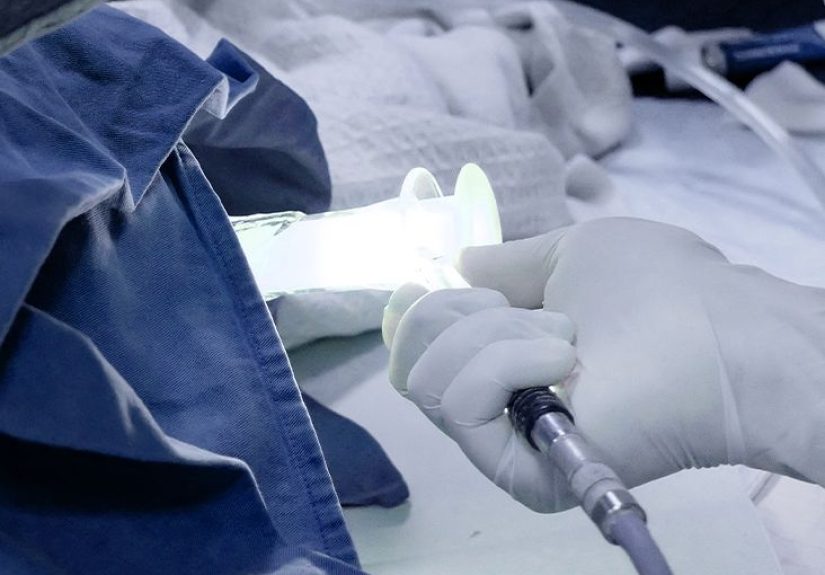
Proctoscopy is a medical procedure used to examine the anus and rectum with a slim, rigid, lighted instrument called a proctoscope. The scope is inserted gently through the anus so a clinician can see the lining of the lower digestive tract directly, rather than relying only on symptoms, touch, or imaging reports.
The rectum is the final section of the large intestine, ending at the anal canal. Because proctoscopy focuses on this lower area, it is more limited than a flexible sigmoidoscopy or colonoscopy. That is not a weakness. It is the whole point. When the question is specifically about the anus or rectum, a focused exam can be faster, simpler, and more practical than a full-colon procedure.
In many cases, proctoscopy is done in a doctor’s office, outpatient clinic, or endoscopy suite. It often takes only a few minutes and usually does not require sedation. Some proctoscopes also allow the provider to collect tissue samples, control minor bleeding, or document the exact position of an abnormal area.
What Does a Proctoscopy Show?
Proctoscopy gives a direct view of the lining of the anus and rectum. That means it can help detect visible irritation, bleeding sources, ulcers, growths, masses, inflamed tissue, and other structural changes. If a provider sees something unusual, the exam may move from “just looking” to “looking and sampling,” which is where biopsy becomes especially important.
Because the provider is seeing the tissue in real time, proctoscopy can be especially helpful when symptoms are localized. For example, if a patient reports bright red blood on toilet paper, pain with bowel movements, a sense of fullness, or a persistent urge to pass stool even when the rectum is empty, a proctoscopy may help identify whether the issue appears to be hemorrhoids, inflammation, a rectal lesion, or another source of trouble.
It can also help clinicians document how far a lesion is from the anal verge, which matters in planning treatment for some rectal conditions, especially rectal cancer.
What Are the Main Uses of Proctoscopy?
1. Evaluating Rectal Bleeding
One of the most common reasons for proctoscopy is rectal bleeding. Bright red blood may come from hemorrhoids, inflamed tissue, a fissure, a polyp, or a tumor. Not every case is serious, but bleeding is one of those symptoms that deserves more than a shrug and a “maybe it was spicy food.”
2. Checking for Hemorrhoids and Other Anorectal Problems
Internal hemorrhoids can be difficult to evaluate from the outside. Proctoscopy can help a provider see enlarged blood vessels, inflammation, or bleeding points inside the rectum. It may also help in the workup of anal and rectal discomfort, itching, discharge, or persistent irritation.
3. Diagnosing or Assessing Proctitis
Proctitis is inflammation of the rectal lining. It can happen because of inflammatory bowel disease, infections, radiation therapy, or other causes. Proctoscopy helps a provider see whether the lining appears red, swollen, fragile, ulcerated, or otherwise abnormal. If needed, tissue can be sampled for further testing.
4. Investigating Rectal Masses, Polyps, or Tumors
If a digital rectal exam suggests a lump or a patient has symptoms that raise concern for a lesion, proctoscopy can provide a much closer look. In cancer care, it may be used to identify, measure, and locate rectal tumors more precisely. That information can influence treatment planning, including whether sphincter-sparing surgery may be possible.
5. Taking a Biopsy
Seeing a suspicious area is useful. Sampling it is often even more useful. A proctoscopy may allow the provider to take a biopsy of tissue for lab analysis. This can help confirm inflammation, infection-related changes, precancerous tissue, cancer, or other disease processes.
6. Follow-Up After Treatment
Proctoscopy is sometimes used after treatment for rectal disease, especially in surveillance after certain rectal cancer procedures. It can help a clinician inspect the treated area for healing, recurrence, or new changes that need more attention.
7. Clarifying Symptoms That Seem “Low Down”
Not every digestive symptom needs a colonoscopy first. If the symptoms appear to involve the lower rectum or anal canal, a proctoscopy may be a sensible first step. It gives a fast, direct look where the symptoms are happening.
Who Might Need a Proctoscopy?
A healthcare provider may recommend proctoscopy if a person has:
- Rectal bleeding
- Pain or pressure in the rectum
- Mucus or discharge from the anus
- A persistent feeling of needing to have a bowel movement
- Suspected hemorrhoids, proctitis, or a rectal mass
- An abnormal digital rectal exam
- A need for biopsy or close follow-up of a known rectal condition
It is not typically the test used for routine, average-risk colorectal cancer screening. Today, that job is more commonly done with stool tests, colonoscopy, CT colonography, or flexible sigmoidoscopy, depending on the situation. Proctoscopy is more targeted and symptom-driven.
Proctoscopy vs. Anoscopy vs. Sigmoidoscopy vs. Colonoscopy
These tests are cousins, not twins. They all look inside part of the digestive tract, but they do not go to the same places or answer the same questions.
| Procedure | Main Area Examined | Typical Use |
|---|---|---|
| Anoscopy | Anus and very lower rectum | Checking anal canal problems such as hemorrhoids or irritation |
| Proctoscopy | Anus and rectum | Focused evaluation of rectal bleeding, inflammation, masses, and biopsy |
| Flexible Sigmoidoscopy | Rectum and sigmoid colon | Looking farther into the lower colon; sometimes used in screening or broader evaluation |
| Colonoscopy | Entire colon and rectum | Full evaluation, cancer screening, polyp removal, biopsy, and follow-up |
If you think of these procedures as different camera lenses, anoscopy is the close-up shot, proctoscopy is the medium close-up, sigmoidoscopy is a wider angle, and colonoscopy is the full panoramic sweep.
How to Prepare for a Proctoscopy
Preparation is often much easier than for a colonoscopy, which is excellent news for people who consider bowel prep one of modern life’s least charming inventions.
In many cases, the goal is simply to empty the rectum so the provider has a clear view. That may involve:
- An enema before the exam
- A laxative in some situations
- Following instructions about when to eat or drink
- Discussing current medications, especially blood thinners
Some people can eat normally until close to the procedure, while others may be asked to adjust their diet briefly. The exact instructions vary by clinic, symptoms, and whether a biopsy is likely. The golden rule is simple: follow the prep instructions your provider gives you, not your cousin’s “I just winged it and it was fine” strategy.
Patients should also tell their provider about prescription medicines, over-the-counter drugs, supplements, bleeding disorders, pregnancy, allergies, or a history of severe pain during rectal exams. That information can shape how the exam is done and whether medication adjustments are needed.
What Happens During a Proctoscopy?
Most proctoscopies are short. A provider may ask the patient to lie on the left side with knees bent or bend over an exam table. First, the provider often performs a digital rectal exam using a gloved, lubricated finger to feel for blockage, tenderness, or masses.
Next, the lubricated proctoscope is inserted gently through the anus and into the rectum. Air may be introduced to improve visibility. This can create pressure, cramping, or the weirdly specific feeling that you need to have a bowel movement immediately, even though your body has already been briefed on the plan.
If the provider sees something that needs closer evaluation, they may take a tissue sample. If no sedation is used, the patient is usually awake the whole time and may hear the provider describe what they are seeing. The exam itself often lasts about five to fifteen minutes.
Does Proctoscopy Hurt?
For most people, proctoscopy is more uncomfortable than painful. Common sensations include pressure, fullness, mild cramping, or the urge to pass gas or stool. If the rectum is already inflamed or tender, the exam may feel more intense. A biopsy can add a bit more discomfort, but the procedure is still usually brief.
In many settings, sedation is not needed. That said, patient comfort matters. If someone is anxious, has significant pain, or has a condition that makes the exam difficult, the provider may discuss options to make it more manageable.
What Are the Risks of Proctoscopy?
Proctoscopy is generally considered low risk, especially when it is done carefully in the right setting. Still, like most medical procedures, it is not completely risk-free.
Possible risks include:
- Mild rectal bleeding, especially after biopsy
- Temporary gas, bloating, or cramping
- Rare infection
- Rare injury to the rectal wall
A little spotting after biopsy may be normal. Heavy bleeding, severe abdominal pain, fever, a hard swollen abdomen, or symptoms that do not improve should prompt medical attention.
What Can the Results Mean?
A normal proctoscopy means the visible lining of the anus and rectum looks healthy, with no obvious mass, ulcer, severe inflammation, or bleeding source. But “normal” does not always mean “nothing is wrong.” It means nothing abnormal was seen in the area the scope examined.
Abnormal findings may include:
- Internal hemorrhoids
- Inflamed or ulcerated tissue
- Signs of proctitis
- Rectal polyps
- Suspicious growths or tumors
- Areas that need biopsy or more advanced imaging
If the provider takes a biopsy, the visual exam may offer a clue, but the lab result provides the final answer. That is why a doctor may say, “I saw something,” but not immediately say exactly what it is.
What Proctoscopy Cannot Do
Proctoscopy has clear limits. It does not examine the entire colon. It does not replace colonoscopy when a full colorectal evaluation is needed. It may also miss conditions located higher up in the bowel. If symptoms suggest disease beyond the rectum, a provider may recommend flexible sigmoidoscopy, colonoscopy, imaging, stool tests, or lab work instead.
In other words, proctoscopy is a precision tool, not an all-purpose superhero gadget. Very useful, yes. Magic wand, no.
Patient Experiences: What Proctoscopy Often Feels Like in Real Life
For many people, the hardest part of proctoscopy is not the procedure itself. It is the anticipation. The word sounds intimidating, the location is deeply personal, and nobody wakes up thinking, “Today feels like a great day for a rectal exam.” That emotional side is real, and it deserves acknowledgment.
A common experience starts with embarrassment. Patients often put off care because they hope rectal bleeding is “just hemorrhoids” or because they feel awkward talking about bowel symptoms. By the time they finally schedule a visit, many arrive nervous, apologetic, and braced for the worst. In practice, clinicians who do these exams regularly are usually very matter-of-fact. To them, this is routine medicine, not social theater.
Before the procedure, patients often describe the prep as manageable compared with colonoscopy prep. If an enema is required, that can be inconvenient or mildly uncomfortable, but it is usually short-lived. The relief many people feel at hearing, “No, you do not need the full colonoscopy prep for this particular exam,” is almost cinematic.
During the exam, people commonly report pressure, a strange sense of fullness, and the urgent feeling that they need to use the bathroom. That sensation can be startling the first time, but it usually passes quickly. Some say the exam feels awkward more than painful. Others, especially those with active inflammation, fissures, or severe tenderness, may find it more uncomfortable. Deep breathing and knowing what to expect often help more than people realize.
Another frequent experience is surprise at how fast it is. Many patients expect a long ordeal and then discover the exam is over in minutes. The emotional arc can be dramatic: anxiety before, discomfort during, and then a strong sense of “Wait, that was it?” afterward.
After the exam, mild bloating, gas, or a little spotting can happen, especially if a biopsy was taken. People often return to normal activities the same day. Emotionally, the after-effect is often relief. Even when further testing is needed, patients tend to feel better once the process has started and the mystery begins to shrink.
There is also an important psychological difference between imagining a serious diagnosis and having a concrete plan. For some patients, proctoscopy confirms a relatively common issue like hemorrhoids or localized inflammation. For others, it identifies something that needs biopsy or cancer workup. Either way, the exam turns vague fear into usable information. That matters.
In short, real-life proctoscopy experiences are usually less dramatic than the imagination suggests. Awkward? Often. Brief? Usually. Helpful? Very often. And if a small scope helps explain a big symptom, most patients decide that a few uncomfortable minutes are a fair trade.
Final Thoughts
Proctoscopy is a focused exam of the anus and rectum that helps clinicians investigate bleeding, pain, inflammation, masses, and other lower-rectal symptoms. It is fast, usually done without sedation, and often useful when the problem appears to be in the rectum rather than higher in the colon.
Its uses are practical and important: spotting the source of bleeding, evaluating proctitis, checking hemorrhoids, locating rectal tumors, taking biopsies, and following patients after treatment. It is not a replacement for colonoscopy, but in the right situation, it is exactly the right tool. Not glamorous, no. Effective, targeted, and medically valuable? Absolutely.