Table of Contents >> Show >> Hide
- The quick answer: What is it, and can you eat it?
- Chocolate bloom, explained (without a lab coat)
- Bloom vs. mold: How to tell the difference (so you don’t panic-eat fungus)
- Why bloom happens (and why it always seems to happen to the fancy chocolate)
- Is bloomed chocolate safe to eat?
- What bloom does to flavor and texture (a.k.a. why it feels “wrong”)
- How to prevent the chalky white coating (chocolate storage that actually works)
- Can you “fix” bloomed chocolate?
- The nerdy (but cool) science: Why chocolate turns white
- FAQ: Chalky white stuff on chocolate
- Chocolate Bloom in the Real World (500+ words of relatable experiences)
- 1) The “Forgotten Halloween Stash” Surprise
- 2) The “I Put It in the Fridge Because It Was Hot” Dilemma
- 3) The “Gift Chocolate That Traveled Like It Was on a World Tour”
- 4) The “Fancy Chocolate Bar That Looks Like the Moon” Moment
- 5) The “Chocolate Chips in My Pantry Turned Dusty” Mystery
- 6) The “I’m Embarrassed to Serve This” Rescue Plan
- Conclusion: So… should you eat it?
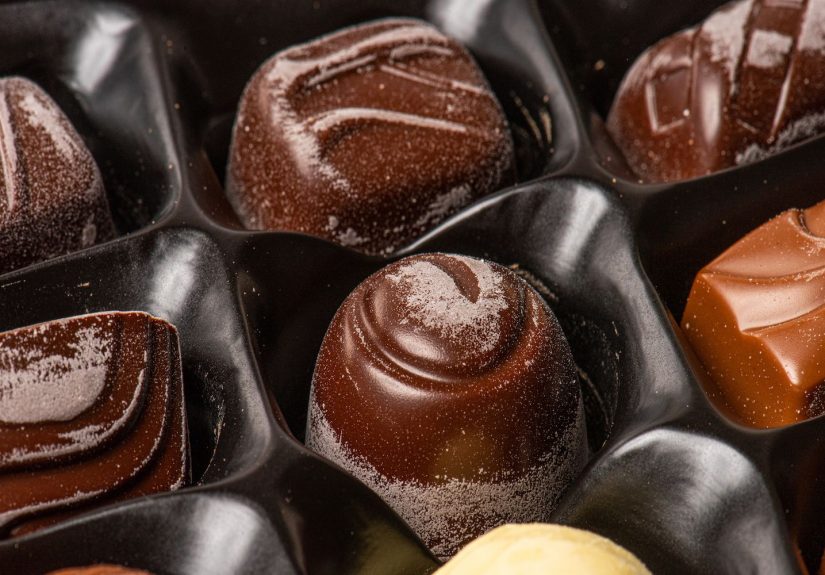
You unwrap a chocolate bar expecting glossy perfection… and instead you get something that looks like it was lightly dusted with drywall powder. Before you declare your pantry haunted (or accuse your roommate of storing candy in a snowbank), take a breath: that chalky white coating is usually chocolate bloomand in most cases, it’s safe to eat.
The not-so-fun part: bloomed chocolate can taste a little flatter and feel a little weirderwaxier, grainier, less “snap,” more “sad trombone.” The good part: you probably don’t have to toss it. In fact, bloomed chocolate often performs beautifully in baking, melting, ganache, hot chocolate, brownies, and any recipe where “pretty” is optional.
The quick answer: What is it, and can you eat it?
The chalky white stuff on chocolate is typically bloom, a cosmetic change caused by either cocoa butter (fat) or sugar moving around and forming tiny crystals on the surface. It’s not the same as mold, and it’s generally not harmful. If the chocolate still smells like chocolate (not crayons, old nuts, or “mystery basement”), and there’s no fuzzy growth, it’s usually fine.
Chocolate bloom, explained (without a lab coat)
Chocolate is basically a delicious balancing act between cocoa solids, cocoa butter, sugar, and sometimes milk solids. When that balance gets nudged by heat, humidity, or timesome components can migrate and recrystallize on the surface. That’s bloom.
1) Fat bloom (a.k.a. “cocoa butter doing the worm”)
Fat bloom happens when cocoa butter crystals change form or migrate to the surface. You’ll often see:
- Grayish or whitish streaks and swirls
- A dull, matte finish (goodbye, shine)
- A surface that may feel slightly slick or waxy
Common causes include temperature swings (think: warm car → cool kitchen), partial melting, or chocolate that wasn’t tempered properly in the first place. Chocolate with nut fillings or peanut butter can also bloom when oils migrate into the chocolate shell over time.
2) Sugar bloom (a.k.a. “moisture’s petty revenge”)
Sugar bloom happens when moisture hits the chocolate, dissolves surface sugar, and then evaporatesleaving crunchy sugar crystals behind. You’ll often notice:
- White speckles or a powdery, chalky film
- A rough, dry, gritty feel
- Often appears after refrigeration or high humidity
Sugar bloom is why chocolate and refrigerators have such a dramatic on-again/off-again relationship. The fridge can create condensation, and condensation is basically sugar bloom’s favorite hobby.
Bloom vs. mold: How to tell the difference (so you don’t panic-eat fungus)
Bloom is common; mold on solid chocolate is less common (chocolate is relatively low in moisture). But it can happenespecially on filled chocolates (like truffles, bonbons, fruit-filled pieces) where moisture is higher.
A simple “bloom or mold?” checklist
- Texture: Bloom is usually flat and part of the surface. Mold often looks raised, fuzzy, or “hairy.”
- Pattern: Bloom can look streaky, dusty, or evenly mottled. Mold tends to be spotty with dimension.
- Smell: Bloomed chocolate may smell slightly less aromatic, but still chocolatey. Mold/spoilage can smell musty, sour, or “off.”
- Where it appears: Solid bars are mostly bloom-prone. Filled chocolates are more likely to truly spoil.
When in doubt, trust your senses. Chocolate that smells rancid, tastes bitter in a “bad oil” way, or has visible fuzzy growth deserves a respectful goodbye (and maybe a tiny funeral held over the trash can).
Why bloom happens (and why it always seems to happen to the fancy chocolate)
Bloom is basically chocolate reacting to its environment. The biggest culprits:
Temperature swings
Chocolate likes stable temperatures. If it warms enough to soften or partially melt, cocoa butter can move and recrystallize as it coolsoften into less desirable crystal forms that look white or gray.
Humidity and condensation
Moisture is a sugar-bloom starter kit. Condensation forms when cold chocolate meets warmer air (hello, sweaty chocolate bar), dissolving sugar on the surface. When that moisture evaporates, sugar crystals remain like a tiny, crunchy crime scene.
Age and ingredient migration
Over time, fats can migrateespecially in chocolate with nuts, nut butters, or creamy centers. That migration can trigger fat bloom even if storage isn’t terrible. It’s one reason older filled chocolates can look “dusty” even while the wrapper insists everything is fine.
Is bloomed chocolate safe to eat?
Usually, yes. Bloom is a quality issue, not a food safety issue, as long as the chocolate hasn’t actually spoiled. The main downside is sensory: the texture can become waxy or grainy, and the flavor can seem muted.
But there are a few times you should NOT eat it
- It’s filled chocolate past its best-by window and tastes/smells sour, stale, or fermented.
- There’s fuzzy or hairy growth or a musty smell (possible mold).
- It tastes rancid (like old nuts or crayons), which can happen when fats oxidize.
- It was stored in extreme heat for a long time and now tastes like “cardboard plus regret.”
What bloom does to flavor and texture (a.k.a. why it feels “wrong”)
Properly tempered chocolate has that satisfying snap and a smooth melt. Bloom can mess with that:
- Fat bloom: can feel waxy and melt strangely, sometimes tasting more like cocoa butter than chocolate.
- Sugar bloom: can feel dry and sandy, like the chocolate rolled around on a beach for fun.
It’s still chocolate. It’s just chocolate that’s had a long day.
How to prevent the chalky white coating (chocolate storage that actually works)
If you want chocolate that stays shiny and snappy, think: cool, dry, dark, and stable.
Smart storage rules
- Keep it cool: Room temperature is ideal for most chocolateavoid warm spots like near the oven, toaster, or sunny windowsill.
- Keep it dry: Humidity encourages sugar bloom. Store chocolate away from steamy kitchens and damp basements.
- Seal it up: Use airtight packaging or containers so it doesn’t absorb odors (chocolate is basically a flavor sponge).
- Avoid temperature whiplash: Don’t move chocolate repeatedly between hot and cold environments.
Should you refrigerate chocolate?
Usually, nounless your home is very hot or you’re storing delicate filled chocolates that genuinely need cooler temps. If you must refrigerate, wrap it airtight (double wrap is your friend), and when you’re ready to eat it, let it come to room temperature before unwrapping. That reduces condensation and helps prevent sugar bloom.
Can you “fix” bloomed chocolate?
Yesdepending on what you mean by “fix.”
Fix #1: The practical fix (use it like a grown-up)
Bloomed chocolate is fantastic for:
- Brownies, cookies, cakes, and muffins
- Ganache, sauces, and hot chocolate
- Melting for dipping (the dip will still taste great)
In baked goods, bloom is basically invisible. Your cookie does not care about your chocolate’s skincare routine.
Fix #2: The glossy fix (re-melt and temper)
If you want that shiny finish backlike for chocolate bark, molded candies, or dipped strawberriesyou can melt the chocolate gently and temper it. Tempering is a controlled heat-and-cool process that encourages the “good” cocoa butter crystal structure so chocolate sets shiny and snappy.
At home, you don’t need a chocolate PhD, but you do need patience and gentle heat. Melt slowly (microwave in short bursts or use a double boiler), keep water away from the chocolate, and follow a reliable tempering method. If that sounds like too much, congratulations: you are now officially a brownie person.
The nerdy (but cool) science: Why chocolate turns white
Cocoa butter can solidify into multiple crystal forms. The “ideal” chocolate structure is associated with stable crystals that give shine, snap, and a smooth melt. When chocolate warms, cools, or sits for long periods, crystals can transform and fats can migrate. That migration and recrystallization is a major driver of fat bloom.
Scientists have even used advanced imaging to watch fat bloom develop and to better understand how cocoa butter moves through chocolate over time. Translation: chocolate bloom is so common that researchers have literally pointed serious science equipment at it. (Chocolate: bringing people togethersometimes in a lab.)
FAQ: Chalky white stuff on chocolate
Does bloom mean my chocolate is expired?
Not necessarily. Bloom is often about storage conditions, not strict expiration. Chocolate can bloom well before any best-by date if it gets warm, cold, or damp. That said, older chocolate can taste stale or rancid even if it’s “safe,” so use your senses.
Why does chocolate bloom after the fridge?
The fridge can create condensation when cold chocolate meets warmer air. That moisture dissolves sugar on the surface and leaves sugar crystals behind when it dries. Result: a chalky film that looks suspiciously like your chocolate tried to become a ghost.
Is white chocolate more likely to look “chalky”?
White chocolate has no cocoa solids, so any bloom can look extra obvious. Also, sugar bloom shows up clearly on pale chocolate. It’s still usually cosmetic.
Can I scrape the white stuff off?
You can, but it’s rarely worth the effort. If it’s fat bloom, scraping won’t remove the underlying crystal changes. If it’s sugar bloom, scraping may help a bit, but the texture may still be off. Melting and using it in a recipe is the easiest “fix.”
Chocolate Bloom in the Real World (500+ words of relatable experiences)
Let’s make this practical, because bloom isn’t just a science-y conceptit’s a life event. Here are common “chocolate bloom stories” people run into, and what’s actually happening in each one.
1) The “Forgotten Halloween Stash” Surprise
You find last year’s candy in a cabinet. The wrappers are intact. The chocolate is… wearing a dusty gray sweater. This is classic bloom from time and storage: minor temperature shifts in a pantry, plus months of sitting, can encourage cocoa butter migration and crystal changes. The bar may taste slightly flatter and feel waxier, but it’s often still perfectly usable in brownies or cookies. If the candy has caramel or creamy fillings, check for odd smells or flavors before you commit to the full nostalgia binge.
2) The “I Put It in the Fridge Because It Was Hot” Dilemma
This is the most well-intentioned mistake in chocolate history. You refrigerate a bar so it won’t melt. Then you pull it out, unwrap it immediately, andbam chalky coating. That’s often sugar bloom: the cold chocolate hits warm air, moisture condenses on the surface, dissolves sugar, and re-crystallizes as it dries. Next time, keep it sealed while it warms back up. The goal is to prevent condensation from forming on the chocolate itself.
3) The “Gift Chocolate That Traveled Like It Was on a World Tour”
Shipping is bloom’s favorite playground. A box of chocolates can go from a warm delivery truck to a chilly porch to a heated living room in the span of hours. Those swings encourage fat bloom (partial melting and re-solidifying). The chocolates may lose their showroom shine, but they’re usually fine to eat. Bonus: if the chocolates are bonbons with fillings, they might still be safe, but their quality window is shorter than a plain bareat sooner rather than later.
4) The “Fancy Chocolate Bar That Looks Like the Moon” Moment
This one feels personal because you paid real money for that bar. Streaky gray swirls or blotches are commonly fat bloom. The flavor can be a bit muted, and the melt can feel off, but it’s not automatically “bad.” If you were planning to serve it as a perfect, snappy after-dinner square, you may be disappointed. If you were planning to chop it into chocolate chip cookies, congratulations: you are about to have a very good day.
5) The “Chocolate Chips in My Pantry Turned Dusty” Mystery
Chocolate chips bloom tooespecially if the pantry gets warm during the day and cooler at night. The chips might look dusty or mottled, but they’ll still melt, still bake, and still make cookies disappear at the same alarming speed. If the chips smell stale or waxy in a “not chocolate” way, that’s your cue to replace them, but bloom alone isn’t a cookie-killer.
6) The “I’m Embarrassed to Serve This” Rescue Plan
If your dessert plans involve presentation (dipped strawberries, glossy bark, molded chocolates), bloom is annoying. The rescue plan is to melt and temper properly, or pivot to a dessert where appearance is irrelevant. Chocolate sauce, ganache, brownies, flourless cake, hot chocolatethese are the bloom-friendly options that taste luxurious even when your original chocolate looks like it lost a fight with a bag of flour.
The big takeaway from all these experiences: bloom is usually chocolate being sensitive, not chocolate being dangerous. Treat it gently, store it smartly, and when in doubt, turn it into something baked and glorious.
Conclusion: So… should you eat it?
The chalky white stuff on chocolate is usually chocolate bloomfat bloom or sugar bloom. It can make chocolate look dusty and feel less smooth, but it’s typically safe to eat if the chocolate hasn’t spoiled. Store chocolate in a cool, dry, stable place, keep it well wrapped, and avoid rapid temperature changes. And if bloom happens anyway? Don’t panic. Melt it, bake with it, or eat it while making direct eye contact with anyone who said you should “just throw it out.”