Table of Contents >> Show >> Hide
- What Is a Wingback Swivel Glider?
- Why This Chair Style Has Such Staying Power
- Where a Wingback Swivel Glider Works Best
- How to Choose the Right Wingback Swivel Glider
- Design Details That Make a Big Difference
- Is a Wingback Swivel Glider Worth It?
- Final Thoughts
- Real-Life Experiences With a Wingback Swivel Glider
If a regular armchair is the reliable sedan of home seating, a wingback swivel glider is the fully loaded crossover: stylish, comfortable, and suspiciously good at doing several jobs at once. It can anchor a nursery, soften a reading corner, upgrade a bedroom, and quietly become the chair everyone fights over during movie night. Not bad for a piece of furniture that started life centuries ago as a practical answer to drafty rooms.
Today’s wingback swivel glider blends old-school charm with modern motion. You get the familiar high back and side “wings” that make a chair feel cocoon-like, plus a base that swivels and glides with a gentle, soothing rhythm. In many versions, you also get recline functions, performance fabric, deeper cushioning, and a silhouette polished enough to live far beyond the nursery years. That mix of comfort and flexibility is exactly why this chair style keeps showing up in design roundups, baby gear guides, and beautifully staged living rooms alike.
This guide breaks down what a wingback swivel glider is, why people love it, how to choose one without regret, and where it works best in real homes. Because buying the wrong chair means years of awkward perching. Buying the right one means you may never want to stand up again.
What Is a Wingback Swivel Glider?
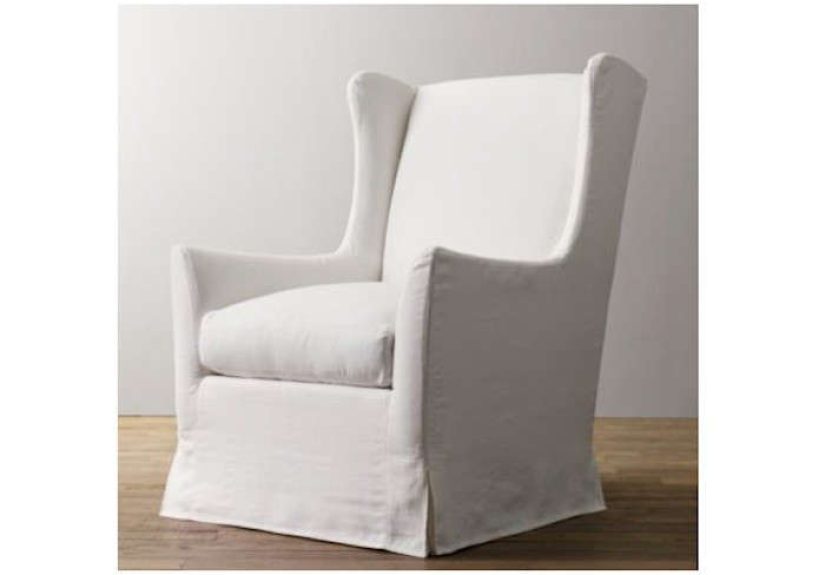
A wingback swivel glider is a motion chair that combines three ideas into one hardworking seat. First, it borrows the wingback chair profile: a tall back with side wings that visually frame the sitter and make the chair feel sheltered. Historically, wing chairs were designed to help block drafts and hold warmth near the fire. Modern versions keep the dramatic shape because it still looks elegant and offers excellent upper-body support.
Second, it includes a swivel function, usually allowing the chair to rotate smoothly so you can turn toward a crib, side table, bookshelf, or conversation area without performing a three-point shuffle. Third, it has a glide motion, which moves the chair gently forward and back on a fixed track or hidden mechanism. That motion is quieter and more controlled than a traditional rocker, which is one reason gliders are so popular in nurseries.
Many models also add a manual or power recline feature, turning the chair into a true glider recliner. In practical terms, that means the wingback swivel glider has evolved from “pretty chair” to “home MVP.”
Why This Chair Style Has Such Staying Power
The wingback silhouette feels timeless
The beauty of a wingback chair is that it never looks accidental. It has structure, height, and presence. Even when upholstered in soft boucle, linen-look fabric, or plush performance textiles, the shape still reads as polished. That is why a wingback swivel glider chair can work in a traditional room, a transitional nursery, a cozy cottage bedroom, or a cleaner modern space with very little styling drama.
The motion makes daily life easier
Swivel and glide are not gimmicks. They solve real problems. In a nursery, a gliding motion can feel soothing during feeding sessions or late-night cuddles. In a bedroom or living room, swivel lets you pivot between views, conversations, and task zones without dragging furniture across the floor like a determined raccoon. The motion also makes the chair feel more responsive and comfortable for long sitting sessions.
The high back and wings improve comfort
A good wingback swivel glider supports more than your lower back. The taller back gives your shoulders and head a place to land, while the wings create a subtle sense of enclosure. That makes the chair feel cozy rather than exposed, especially in larger rooms. It is a small psychological trick, but a powerful one: the chair feels like a seat and a retreat at the same time.
It transitions well beyond the nursery
One of the smartest things about this category is its afterlife. A well-chosen nursery glider should not look like it belongs to a single short chapter of your life. The best wingback swivel gliders are neutral, tailored, and versatile enough to move into a home office, guest room, reading nook, or primary bedroom once the nursery phase is over. That makes the investment easier to justify and the chair much easier to love for years.
Where a Wingback Swivel Glider Works Best
Nurseries
This is the obvious setting, and for good reason. In a nursery, a wingback swivel glider offers soft motion, supportive arms, and a comforting place for feeding, rocking, reading, and holding a sleeping baby who somehow wakes up the second you think the transfer is going well. Chairs with quiet glide mechanisms, stain-resistant upholstery, and easy-to-reach recline controls are especially helpful here.
Reading corners
If your dream reading nook involves a floor lamp, a stack of books, and zero interruptions, this chair earns a strong audition. The wingback form makes the seat feel intentional and cozy, while the glide adds movement without the more obvious visual language of a traditional rocking chair. Add a throw blanket and a small side table, and suddenly you are the kind of person who owns a reading corner.
Bedrooms
In a bedroom, a wingback swivel glider can soften an empty corner and create a separate zone for reading, nursing, scrolling, or pretending to fold laundry while actually sitting down. The vertical profile works particularly well in bedrooms because it adds height and shape without needing a huge footprint.
Living rooms and flexible family spaces
Modern versions are often stylish enough to blend with sofas and accent seating. If you choose a fabric and silhouette that feels grown-up rather than baby-store obvious, the chair can function as a refined accent chair that just happens to glide. That is furniture overachievement, and we should all respect it.
How to Choose the Right Wingback Swivel Glider
Start with support, not just looks
A beautiful chair that leaves your neck stiff and your lower back annoyed is not a smart purchase. Look for a supportive back, comfortable seat cushioning, and arms at a height that feels natural. If the chair will be used for feeding, the armrests matter a lot. Too low, and your shoulders work overtime. Too high, and you feel like a T-rex trying to relax.
Measure the room and the chair’s motion clearance
Do not just measure width. Measure depth, height, and the space needed for gliding and reclining. A chair that technically fits but bumps a wall every time you lean back is not a charming design quirk. It is a daily annoyance. In small rooms, prioritize a tighter footprint and check whether the chair needs extra clearance behind it.
Pay attention to fabric and cleanability
Because these chairs are often used daily, upholstery matters. Performance fabrics, tightly woven textiles, and durable synthetics can be especially practical in homes with babies, pets, snacks, or adults who are somehow worse than both. Lighter fabrics can look airy and elegant, but darker or more textured materials may be easier to maintain in high-use spaces.
Test the motion
The best swivel glider chair feels smooth, quiet, and controlled. It should not squeak, jerk, or feel like it is negotiating with gravity. If the model reclines, the mechanism should be easy to operate and intuitive. Power recline can be especially convenient, though a well-made manual recliner can still be excellent if it opens and closes without a wrestling match.
Consider how it will look after the baby phase
This is where a lot of buyers make a good decision instead of a temporary one. Choose a silhouette, fabric color, and trim detail you would still enjoy in another room later. Think oatmeal boucle, warm ivory, muted gray, camel, soft green, navy, or classic textured neutrals. In other words: buy for your whole home, not just for one sleepy season of life.
Design Details That Make a Big Difference
Not all wingback swivel gliders are created equal. Some lean traditional, with rolled arms, button tufting, skirted bases, or deeper wings. Others feel more modern, with clean lines, simplified wings, tight tailoring, and a sleeker base. The right version depends on the rest of your room.
If your space already has a lot of straight lines, a rounded wingback glider can add softness. If your room is cottage-inspired or classic, a more tailored wingback reinforces that mood beautifully. If you prefer a modern nursery or living room, look for a chair with slimmer arms, subtle wings, and minimal visible hardware.
Texture is another underrated design tool. Boucle feels cozy and current. Linen-look upholstery feels airy and relaxed. Velvet can make a wingback silhouette feel dramatic and lounge-worthy. Chenille offers softness with a slightly more casual attitude. The same chair shape can swing elegant, casual, modern, or traditional depending on the fabric choice alone.
Is a Wingback Swivel Glider Worth It?
For many households, yes. A wingback swivel glider is one of those pieces that earns its keep because it solves both comfort and style at the same time. It is supportive enough for long sits, attractive enough to function as real decor, and versatile enough to outlast the nursery stage. That is a much better value story than buying something overly specialized and hoping you can tolerate it later in a guest room.
The real value comes from choosing well. A cheap chair with weak padding, noisy motion, and a clumsy recline mechanism may cost less upfront but feel disappointing fast. A better-made chair with durable upholstery, smooth operation, and a timeless silhouette is more likely to become a permanent favorite. And unlike many trendy furniture buys, a wingback swivel glider has a classic profile on its side. It has already survived centuries of style changes. That is a stronger résumé than most accent chairs can offer.
Final Thoughts
The wingback swivel glider works because it balances comfort, function, and visual charm in a way few chairs manage. It nods to history without feeling old-fashioned. It moves gently without looking overly mechanical. It can help in the blur of newborn life, then settle into a quieter role in the rest of the home once the bottles, burp cloths, and 2 a.m. pacing sessions fade into family legend.
If you want a chair that feels supportive, looks refined, and adapts to real life, this style is easy to recommend. It is cozy without being sloppy, elegant without being fussy, and useful without screaming, “I was purchased during a very specific life phase.” In furniture terms, that is what we call a win.
Real-Life Experiences With a Wingback Swivel Glider
Living with a wingback swivel glider is one of those experiences that sounds mildly practical on paper and unexpectedly luxurious in real life. At first, most people buy it for a reason: a nursery needs a chair, a bedroom corner feels empty, or a reading nook needs more than a decorative seat no one actually enjoys. Then the chair arrives, settles into the room, and slowly becomes the most claimed square footage in the house.
In a nursery, the experience is all about repetition and relief. You sit down half awake, one sock on, hoping the baby interprets your efforts as five-star service. The high back supports your shoulders. The arms hold your elbows at a better angle. The glide is steady enough to feel calming, but quiet enough that it does not announce itself every two seconds. On rough nights, the chair can feel less like furniture and more like a peace treaty.
But what surprises many owners is how the experience changes after the nursery chapter ends. The same chair that handled midnight feedings becomes a reading chair on a rainy Sunday, a landing spot for toddlers demanding one more story, or the best seat in the room when you need ten minutes to think. Because the wingback shape feels substantial and finished, it rarely looks out of place once the crib is gone. It simply graduates.
There is also a strong emotional side to the chair that people do not always expect. Motion chairs tend to collect moments. You remember the first bottle, the first time a baby fell asleep on your chest, the first quiet morning with coffee, the first chapter of a favorite novel read with your feet tucked under you. A wingback swivel glider often becomes associated with comfort, routine, and exhale-worthy pauses in the middle of busy days.
Even outside family life, the experience is easy to appreciate. In a bedroom, the swivel feature makes the chair feel dynamic instead of static. You can turn toward a window in the morning, pivot toward a vanity or dresser, then angle back toward the room without scraping furniture across the floor. In a living room, the gentle motion helps the chair feel relaxed and welcoming, especially during long conversations or movie marathons where everybody suddenly becomes very interested in “just testing the seat for a second.”
The best experience comes from a chair that fits your body and your room. When the seat depth is right, the fabric feels good, and the motion is smooth, a wingback swivel glider stops feeling like a purchase and starts feeling like part of the rhythm of the home. And honestly, that may be the highest compliment furniture can get.