Table of Contents >> Show >> Hide
- First, a quick safety check (because home care has limits)
- Why vomiting happens (and why “just drink water” can backfire)
- 14 ways to treat vomiting at home
- 1) Start with “tiny sips” (the #1 home trick that actually works)
- 2) Use an oral rehydration solution (ORS) when fluids won’t “stick”
- 3) Pause briefly after vomiting, then restart fluids gently
- 4) Keep your posture “upright-ish”
- 5) Rest your stomachthen reintroduce food slowly
- 6) Go bland, not “BRAT forever”
- 7) Skip common triggers: greasy, spicy, heavy, and super-sweet foods
- 8) Try ginger (tea, chews, or capsules) for nausea relief
- 9) Peppermint can help some peopleunless reflux is the culprit
- 10) Use fresh air and smell-management (yes, it matters)
- 11) Try acupressure on the P6 (Neiguan) point
- 12) Manage motion sickness proactively
- 13) Consider safe OTC optionsbut read labels like it’s your job
- 14) Create a simple “vomiting-at-home” plan (and monitor trends)
- Extra tips for kids (because dehydration can happen fast)
- Common questions people Google at 2 a.m.
- Experiences people commonly have when treating vomiting at home (and what to do with them)
- Conclusion
Vomiting is your body’s dramatic way of saying, “Absolutely not.” Sometimes it’s a short-lived stomach bug.
Sometimes it’s motion sickness. Sometimes it’s your brain deciding that one whiff of last night’s leftovers is a personal attack.
The good news: many cases of vomiting can be managed safely at homeif you focus on the right goal.
That goal isn’t “stop the vomiting at all costs.” It’s prevent dehydration, calm the stomach,
and know when it’s time to call in professional help.
This guide walks you through 14 practical, evidence-based ways to treat vomiting at home (with a dash of humor and zero nonsense).
First, a quick safety check (because home care has limits)
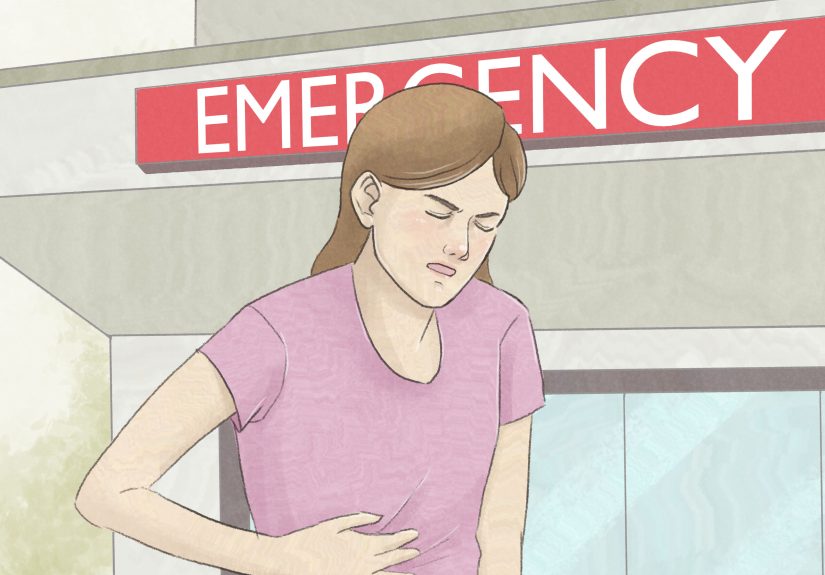
Treating vomiting at home is reasonable when symptoms are mild, improving, and you can keep at least small amounts of fluids down.
But don’t “tough it out” if any red flags show up.
Get urgent medical care if vomiting comes with:
- Signs of dehydration (very little urine, dizziness, extreme weakness, very dry mouth, confusion).
- Severe headache, severe belly pain, chest pain, stiff neck, or high fever.
- Vomiting that won’t stop and you can’t keep fluids down for many hours.
- Vomit that looks like blood or unusual dark material, or bright green fluid.
- For babies under 3 months, repeated vomiting should be evaluated quickly.
If you’re unsure, it’s always safer to call a clinician, nurse line, or local urgent care for guidance.
Why vomiting happens (and why “just drink water” can backfire)
Vomiting can be triggered by infections (like viral gastroenteritis), food poisoning, migraines, motion sickness,
pregnancy, medication side effects, anxiety, or even post-nasal drip. Regardless of the cause, vomiting can rapidly
drain your body of fluids and electrolytes.
Here’s the catch: chugging a big glass of water can stretch the stomach and trigger more vomiting.
That’s why most medical guidance focuses on small, frequent sips and, when needed,
oral rehydration solutions that replace electrolytes (not just plain water).
14 ways to treat vomiting at home
1) Start with “tiny sips” (the #1 home trick that actually works)
Treat your stomach like a finicky Wi-Fi connection: overload it and it drops out. Start with a teaspoon (about 5 mL)
of fluid every few minutes. If that stays down, slowly increase the amount.
This approach helps many people keep fluids down even when they’re still nauseated.
Try: ice chips, small sips of water, or oral rehydration solution (ORS).
2) Use an oral rehydration solution (ORS) when fluids won’t “stick”
If vomiting is frequent or you’ve also had diarrhea, ORS is often better than plain water because it replaces electrolytes
(like sodium and potassium) in a balanced way. For kids, pediatric ORS products are especially helpful.
If you don’t have ORS, talk with a clinician about what’s appropriate. Sports drinks can be too sugary for some stomachs,
and very sweet drinks may worsen nausea.
3) Pause briefly after vomiting, then restart fluids gently
If you vomit, give your stomach a short break (think 10–15 minutes), then restart the tiny-sip plan.
The goal is steady progress, not perfection. Even if you only keep down small amounts at first, that can still prevent dehydration.
4) Keep your posture “upright-ish”
Lying flat can make nausea worse for some people, especially after drinking. Try sitting up, reclining slightly,
or lying on your side with your head elevated. This can reduce reflux-like symptoms and help your stomach settle.
5) Rest your stomachthen reintroduce food slowly
Once vomiting slows and you can keep fluids down for a few hours, try small amounts of bland food.
You’re not hosting a dinner partythis is a “reboot” meal.
Good starter foods: toast, rice, bananas, applesauce, plain crackers, oatmeal, potatoes, broth.
6) Go bland, not “BRAT forever”
Bland foods are helpful short-term, but you don’t need to live on bananas and toast for days.
As you improve, add simple proteins (like eggs, yogurt if tolerated, or chicken) and then return to a normal diet.
The key is gradual expansion, not a sudden reunion with spicy wings.
7) Skip common triggers: greasy, spicy, heavy, and super-sweet foods
Fatty and spicy meals, sugary drinks, alcohol, and large servings can all irritate a recovering stomach.
If vomiting is from infection or food poisoning, your digestive system is already in “minimalist mode.”
Feed it like you’re negotiating with a picky toddler: gently, calmly, and without drama.
8) Try ginger (tea, chews, or capsules) for nausea relief
Ginger has a solid reputation for easing nauseaespecially in pregnancy and motion sickness.
If the smell makes you queasy, choose ginger capsules or mild ginger chews.
Practical option: ginger tea (warm, not scorching) sipped slowly.
9) Peppermint can help some peopleunless reflux is the culprit
Peppermint tea or peppermint lozenges may soothe nausea for certain people.
But peppermint can relax the lower esophageal sphincter and worsen heartburn in others.
If your nausea feels “refluxy,” peppermint may not be your best friend today.
10) Use fresh air and smell-management (yes, it matters)
Strong odorsperfume, cooking grease, trash (bless it), even “air freshener” that smells like chemical mango
can worsen nausea. Ventilate the room, use a fan, and keep smells neutral.
Sometimes the best remedy is simply removing the trigger.
11) Try acupressure on the P6 (Neiguan) point
P6 acupressure (often using wristbands or finger pressure) has been used for nausea from multiple causes.
If you have a nausea wristband, this is its time to shine. If you don’t, you can apply firm, gentle pressure with your thumb
for a few minutes and repeat a few times a day.
Safety note: don’t press on irritated skin, rashes, wounds, or areas that are painful.
12) Manage motion sickness proactively
If vomiting is from motion sickness, prevention beats cleanup. Sit where motion is least intense (front seat of a car, over the wings on a plane),
look at the horizon, and avoid scrolling on your phone like it owes you money. Cool air and steady breathing can help.
Over-the-counter motion sickness medications can work for some people, but check age restrictions, medical conditions, and labels carefully.
13) Consider safe OTC optionsbut read labels like it’s your job
Some over-the-counter medicines may ease nausea depending on the cause (for example, motion sickness).
However, vomiting can signal conditions where self-medicating isn’t appropriate.
Also, some products aren’t recommended for children or teens, and some interact with other medications.
If you’re caring for a child, pregnant, older, immunocompromised, or dealing with persistent symptoms,
it’s smart to ask a clinician before using OTC anti-nausea products.
14) Create a simple “vomiting-at-home” plan (and monitor trends)
When you feel awful, thinking is hard. So borrow a plan:
- First 2–4 hours: tiny sips of ORS or clear fluids every few minutes; rest; avoid food.
- Next 4–8 hours: increase fluids slowly; add bland foods if you’re hungry.
- After 8–24 hours: gradually return to normal eating; keep avoiding greasy/spicy foods until fully steady.
Track what matters: Are you urinating? Is dizziness improving? Can you keep fluids down? Are symptoms easing?
Improvement over time is the reassuring sign. Worsening over time is your cue to seek care.
Extra tips for kids (because dehydration can happen fast)
For children, preventing dehydration is the priority. Offer ORS in very small amounts frequently.
If a child can’t keep fluids down, has fewer wet diapers/urination, becomes unusually sleepy or irritable,
or you’re simply worried, call a pediatric clinician.
Breastfed babies can usually continue breastfeeding. For bottle-fed babies, follow pediatric guidance on fluids and feeding.
Common questions people Google at 2 a.m.
Should I stop eating completely?
Not usually. Short-term “stomach rest” is fine while vomiting is active, but once fluids are staying down,
small amounts of bland food can help recovery.
What’s the best drink for vomiting?
For mild cases, small sips of water may be enough. If vomiting is frequent or there’s diarrhea too,
an oral rehydration solution is often the best choice because it replaces electrolytes.
How long should vomiting last before I worry?
It depends on the cause, age, and other symptoms. A helpful rule: if you can’t keep fluids down for many hours,
or symptoms are severe or worsening, it’s time to contact a clinician.
Experiences people commonly have when treating vomiting at home (and what to do with them)
When vomiting hits, most people don’t calmly open a wellness journal and reflect on hydration strategy.
They do the universal routine: bargain with their stomach, swear off food forever, and stare dramatically into the middle distance.
That’s normal. What’s also normal is that recovery often happens in small, unglamorous steps.
One common experience is the “I’m thirsty but scared to drink” loop. You want water,
but the last sip didn’t end well. This is where tiny sips become a game-changer. People are often surprised that a teaspoon every few minutes
feels doable, while a full glass feels impossible. The stomach seems to tolerate consistency better than quantity.
A lot of home vomiting relief is basically learning to “pace” fluids like a slow jog, not a sprint.
Another classic experience is the “I feel bettertime for a giant meal!” mistake.
Someone goes hours without vomiting, feels brave, and celebrates with a greasy burger or spicy noodles.
Then the stomach, still recovering, responds with an immediate “nope.”
In real life, people do better when they treat the first day as a soft re-entry: crackers, toast, rice, broth, bananas,
then gradually normal foods. It’s less exciting, but it’s also less likely to boomerang.
Caregivers often describe the stress of not knowing what’s normal, especially with kids.
A child may seem okay one moment and wiped out the next. Many parents find reassurance in tracking a few simple markers:
Is the child urinating? Are they alert? Can they keep down small sips? Are they producing tears when crying?
Those practical signals help replace panic with information. And if the trend is worsening, making the decision to call a pediatric clinician feels clearer.
People also report that smells become superpowersin the worst way. A normal cooking odor can suddenly feel offensive,
and even strong air fresheners can trigger nausea. Opening windows, keeping rooms cool, using a fan,
and avoiding heavy scents is a surprisingly effective “home remedy” because it removes triggers you don’t always notice until you’re nauseated.
Then there’s the mental side: nausea can make you anxious, and anxiety can make nausea worse.
Many people find that calm breathing, a quiet room, and gentle reassurance (“This will pass, and I have a plan”)
helps them stick to the basicstiny sips, rest, bland foods laterrather than spiraling into “What if this is forever?”
It’s not forever. It’s just your body having a loud moment.
Finally, a lot of people describe a small victory: the first time they keep down fluids consistently.
That’s usually the turning point. Once hydration stabilizes, the stomach often settles, energy improves,
headaches ease, and the whole situation becomes less intense. Home care isn’t about heroicsit’s about patience,
pacing, and knowing exactly when to get help.
Conclusion
If you’re treating vomiting at home, focus on what matters most: hydration, gentle pacing, and smart food choices.
Start with tiny sips, use an oral rehydration solution when needed, rest, avoid common triggers, and reintroduce bland foods slowly.
Add supportive options like ginger or acupressure if they help, and don’t ignore warning signsespecially dehydration or severe symptoms.
Most importantly, give your stomach a little respect. It’s doing the most.