Table of Contents >> Show >> Hide
- Why So Many Popular Products Underperform
- 19 Products In Wide Use That Often Don’t Do Much
- Antibacterial Soap
- Blue-Light Glasses for Digital Eye Strain
- Detox Teas and Juice Cleanses
- Colon Cleanses
- Detox Foot Pads
- Ear Candles
- Homeopathic Cold and Flu Remedies
- Ozone Generators Sold as Air Cleaners
- Waist Trainers
- Magnetic Pain Bracelets
- Copper Bracelets for Arthritis
- Over-the-Counter Wrinkle Creams
- Firming Creams for Sagging Skin
- Cellulite Creams
- Stretch-Mark Oils, Cocoa Butter, and Vitamin E Rubs
- Collagen Gummies and Powders
- Immune-Boosting Supplements
- Vitamin C Megadoses for the Common Cold
- Fabric Softener
- What These Products Usually Have In Common
- The Real Consumer Experience: Buying Hope in a Bottle, Patch, or Box
- Conclusion
Modern shopping has a special talent: it can make a bottle, patch, pill, wrap, or gadget sound like the missing piece of your life. Better skin? Clearer air? Faster weight loss? Stronger immunity? Less pain? There is always a product sitting on a shelf, blinking at you like it has the answer. And sometimes it does. But just as often, the package is doing the heavy lifting while the product itself is basically out here contributing moral support.
That does not mean every popular product is a total scam. Some offer small benefits. Some are useful in very specific situations. And some work mostly because they encourage better habits around them. But there is a huge category of items that are widely used, heavily marketed, and wildly overpraised. Their real-world results are subtle, temporary, conditional, or so minor that your wallet ends up doing most of the suffering.
This is where smart consumer skepticism comes in. A product can be common without being especially effective. It can be trendy without being essential. And it can be “science-y” without doing much beyond making your bathroom counter look expensive. So let’s talk about 19 products in wide use that often promise a lot more than they deliver.
Why So Many Popular Products Underperform
There are a few reasons these products keep selling. First, marketing is powerful. “Supports,” “helps,” “firms,” “detoxifies,” and “boosts” are wonderfully vague words. They sound impressive while leaving plenty of room for disappointment. Second, many effects are hard to measure. If a cream makes your skin look a tiny bit smoother for six hours, that is technically a result. It is just not the cinematic transformation the box implied.
Third, people naturally credit products for things that may have happened anyway. A cold improves. A breakout calms down. A sore muscle feels better after a few days. The product gets the standing ovation. Biology rolls its eyes in silence. Add placebo effects, social media hype, before-and-after lighting tricks, and our eternal hope that a shortcut exists, and you get a marketplace full of best-sellers that barely move the needle.
19 Products In Wide Use That Often Don’t Do Much
-
Antibacterial Soap
For everyday household handwashing, antibacterial soap tends to be a fancy remix of a job plain soap already handles well. The big idea sounds reassuring: more germ-fighting power must mean better protection, right? Not really. For routine use, the added antibacterial ingredients have not been shown to outperform plain soap and water in preventing illness. In practice, you are mostly paying for a more dramatic label and a stronger sense of self-importance at the sink.
-
Blue-Light Glasses for Digital Eye Strain
Blue-light glasses have become the office-worker tiara of the modern era. They look productive, which is half the game. But for screen-related eye strain, they usually do not do much. Digital eye strain is more often tied to blinking less, staring too long, glare, poor lighting, and screen distance. Taking breaks, adjusting brightness, and fixing your setup are usually far more useful than buying lenses that make you look like you own three productivity newsletters.
-
Detox Teas and Juice Cleanses
These products are marketed like your body is a cluttered garage that needs a spring clean. But your liver and kidneys already handle the detox work just fine. What many detox products really do is reduce calories, shift water balance, or irritate your digestive tract enough that you think something dramatic is happening. That “lighter” feeling is often just less food, less sodium, or more time spent near a bathroom. Not exactly magic. More like expensive inconvenience with a wellness font.
-
Colon Cleanses
Colon cleansing products and services are sold with the kind of confidence usually reserved for billionaires and cats. They imply that your digestive system is somehow falling behind on basic housekeeping. For most people, it is not. Routine colon cleanses are generally unnecessary, and in some cases can cause cramping, diarrhea, dehydration, or worse. When a product claims to “flush out toxins” but mostly flushes out your afternoon, that is not a wellness revolution. That is a scheduling problem.
-
Detox Foot Pads
Detox foot pads are the legends of late-night infomercial logic. Stick them on your feet, sleep, peel them off in horror, and assume your body has purged years of mysterious sludge. In reality, the dramatic color changes are not proof that toxins left your body. These products became famous for making very bold claims with very little science behind them. They remain a classic example of a product that feels active while doing little more than turning moisture into theater.
-
Ear Candles
Ear candles sound ancient, soothing, and oddly spiritual. They are also a great way to combine fire and a body opening in one decision. The pitch is that they remove wax and impurities. The reality is much less charming. They do not reliably clean the ears, and they can cause burns, wax blockage, or injury. This is one of those products that somehow manages the impressive feat of being both ineffective and risky. That is bad multitasking.
-
Homeopathic Cold and Flu Remedies
Homeopathic products often look reassuring because they sit on drugstore shelves right next to conventional remedies, wearing packaging that says, “Trust me, I’m medicinal.” But many of these products have little good evidence behind them for specific conditions. People often buy them hoping for a gentler, more natural fix. What they often get instead is a product with a scientific-sounding story and underwhelming real-world impact. Your tissues, sadly, remain employed full time.
-
Ozone Generators Sold as Air Cleaners
Some air-cleaning devices market ozone like it is a superhero for your living room. In reality, ozone generators are a poor bargain for occupied spaces. At concentrations that stay within health standards, ozone has little potential to remove many indoor pollutants. Crank it higher and you create another problem, because ozone itself can irritate the lungs. That is not an air-cleaning triumph. That is a machine solving your indoor air question by becoming part of it.
-
Waist Trainers
Waist trainers can change how your body looks under clothes for a short time. That is the one honest thing they do well. What they do not do is meaningfully burn belly fat, reshape your anatomy permanently, or create true long-term slimming on their own. Their biggest power is compressive illusion. They are basically shapewear that hired a publicist and started making medical-sounding promises. For actual body composition changes, food habits, sleep, movement, and time still stubbornly refuse to be replaced.
-
Magnetic Pain Bracelets
Magnetic bracelets have been circulating for years as a low-effort fix for aches and joint pain. Slip one on, let the magnet vibes do their mysterious thing, and wait for your knees to write thank-you notes. The trouble is that evidence for meaningful pain relief is weak. They remain popular because they are simple, noninvasive, and easy to believe in. But “easy to wear” and “effective” are two very different customer reviews.
-
Copper Bracelets for Arthritis
Copper bracelets live in the same neighborhood as magnetic ones: familiar, comforting, and not especially impressive in practice. They are often worn with the hope of easing arthritis symptoms, but meaningful benefits have been hard to show. They may match your watch and give your wrist a charmingly vintage look, which is nice. But as a therapy, they are often more jewelry than solution. Stylish? Maybe. Transformative? That is where the optimism starts doing the labor.
-
Over-the-Counter Wrinkle Creams
This is where expectations and reality have a very uncomfortable meeting. Many wrinkle creams can make skin look a little smoother, especially by moisturizing and plumping it temporarily. Some ingredients can help modestly over time. But if you are expecting a face-lift in a jar, you are shopping in the wrong universe. The improvements are usually small, gradual, and heavily dependent on consistent use. These creams are not useless. They are just wildly oversold by an industry that treats “subtle” like a hate crime.
-
Firming Creams for Sagging Skin
The word “firming” has done incredible marketing work. It suggests structural engineering. It implies cranes, scaffolding, ambition. But creams and lotions cannot penetrate deeply enough to lift sagging skin in any dramatic way. The best immediate effect usually comes from moisturizing, which temporarily makes skin look better. That is not nothing, but it is also not a contouring miracle. If your cream says “visible lifting” and your mirror says “pleasant hydration,” the mirror wins.
-
Cellulite Creams
Cellulite creams are common because cellulite is common and people are very easy to emotionally blackmail with phrases like “smooth-looking skin.” Some products may make cellulite less noticeable for a while, mostly by hydrating the skin or causing slight temporary tightening. But dramatic, lasting improvement from a topical cream is rare. This is a product category built on the very human desire to erase something that was never unusual in the first place.
-
Stretch-Mark Oils, Cocoa Butter, and Vitamin E Rubs
These products are beloved during pregnancy and body changes because they feel nurturing and proactive. There is nothing wrong with moisturizing your skin. It can make skin feel better and softer. But many of the classic stretch-mark prevention products do not reliably prevent stretch marks. Genetics, growth, hormones, and skin stretching play a much bigger role. So yes, use them if you enjoy the ritual. Just do not expect your belly butter to behave like a tiny architectural consultant.
-
Collagen Gummies and Powders
Collagen supplements are sold as beauty from within: stronger hair, smoother skin, bouncier joints, perhaps inner radiance, maybe world peace. Some small studies suggest limited potential benefits in certain areas, but the evidence is still far from a glowing, universal endorsement. The category is heavily oversimplified in marketing. Your body digests collagen; it does not simply glue it onto your crow’s feet like drywall paste. These products may help a little for some people, but the claims usually sprint far ahead of the proof.
-
Immune-Boosting Supplements
“Boost your immune system” may be one of the most successful health phrases ever invented, mostly because it sounds scientific while meaning almost nothing useful on a label. For generally healthy people, there is no convincing evidence that a random gummy, powder, or capsule meaningfully “boosts” immunity in the way advertisements suggest. Good sleep, vaccines, balanced eating, stress management, and hand hygiene remain spectacularly unglamorous and annoyingly effective.
-
Vitamin C Megadoses for the Common Cold
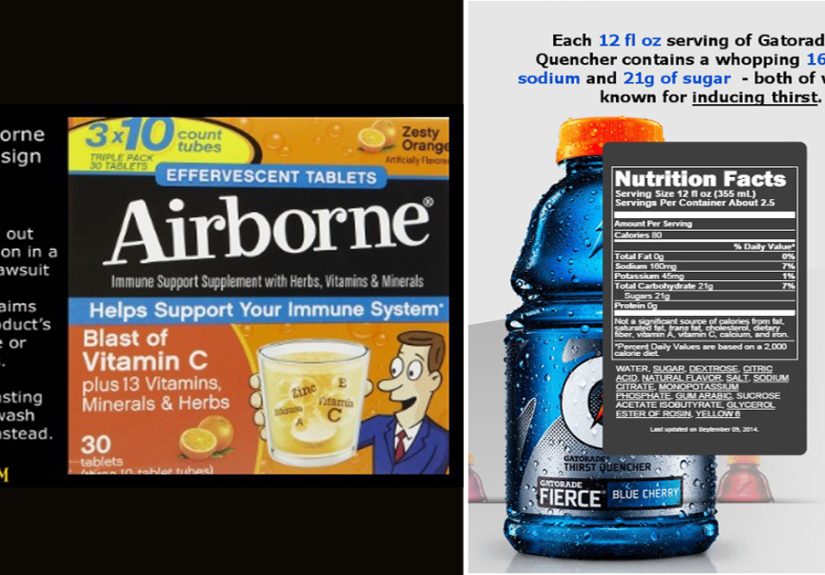
Vitamin C has been promoted as a cold-fighting celebrity for decades. And while it is an important nutrient, taking huge amounts is not the miracle many people hope for. For the general population, it does not appear to significantly reduce the chance of catching a cold. Regular use may slightly shorten how long a cold lasts, but “slightly” is doing crucial work in that sentence. A giant orange-flavored tablet may feel heroic. It is usually more sidekick than savior.
-
Fabric Softener
This one is not a medical disappointment. It is a laundry-room one. Fabric softener is everywhere, yet many people do not need it nearly as much as they think. It can leave residue, reduce towel absorbency, irritate sensitive skin, and add one more product to buy forever. Yes, it can make clothes feel softer and smell pleasant. But in many homes, it is less “essential cleaning upgrade” and more “scented side quest.” Your towels, in particular, may be quietly begging for a more breathable future.
What These Products Usually Have In Common
The biggest giveaway is exaggerated language paired with fuzzy outcomes. If a product says it “supports,” “targets,” “promotes,” or “helps optimize,” you should assume the real results may be modest. Another clue is when the product replaces a habit that is boring but proven. Sleep gets replaced by supplements. Sunscreen gets replaced by miracle serums. Plain soap gets replaced by antibacterial branding. Diet and exercise get replaced by wraps and cleanses. The less glamorous solution is often the more effective one.
A second clue is when the product needs endless maintenance to preserve a tiny benefit. If the effect disappears the second you stop applying, wearing, drinking, or sticking it on your body, then the product may be more cosmetic than corrective. Again, that is not always bad. Temporary results can still be useful. But temporary results should be sold as temporary, not dressed up like destiny.
The Real Consumer Experience: Buying Hope in a Bottle, Patch, or Box
If this topic feels familiar, it is because nearly everyone has a personal museum of underwhelming products. Maybe it lives under the bathroom sink. Maybe it is crammed in a kitchen drawer beside expired tea bags and three mystery charging cables. Maybe it is in your cart history, silently judging you.
The experience usually begins the same way. You have a small, annoying problem: tired eyes, frizzy skin, indoor odors, a stubborn belly, creaky knees, low energy, or the creeping suspicion that everyone else has discovered a miracle you somehow missed. Then comes the product promise. It is always framed as easy, natural, revolutionary, or “finally.” Finally, a patch. Finally, a cleanse. Finally, a cream that understands your face better than you do.
You buy it because the product is selling more than function. It is selling emotional relief. It offers the feeling that you are doing something smart, proactive, even sophisticated. And honestly, that feeling is powerful. There is comfort in a routine. There is hope in a fresh jar with a clean label. There is optimism in a product that says your problem is fixable in seven to 14 business days.
Then real life shows up wearing sweatpants. The blue-light glasses do not make your eyes feel much better because the problem was eight straight hours of screen time and a blink rate that has left the chat. The detox tea mostly introduces your digestive system to chaos. The wrinkle cream makes your face feel nice, but not “new person in a movie montage” nice. The waist trainer creates a temporary silhouette and a long-term desire to unhook yourself immediately after dinner.
And yet, these products keep winning because the effects are rarely dramatic enough to prove failure at first glance. Maybe you do feel a little better. Maybe your skin does look slightly smoother. Maybe your laundry smells luxurious. Maybe the product becomes part of a ritual, and the ritual itself feels calming. That is why many of these items survive disappointment. They do not need to work brilliantly. They just need to work enough, or feel enough, to avoid getting fired.
The smarter move is not to become cynical about everything. It is to become harder to impress. Buy products that solve a specific problem. Respect small benefits, but do not pay deluxe prices for tiny ones. Read labels like a skeptical adult, not like a person being serenaded by branding. And when a product claims to detox, melt, lift, erase, boost, flush, tighten, smooth, and transform all before breakfast, it is perfectly fine to smile politely and back away.
In the end, some of the best consumer habits are gloriously unsexy: sunscreen, sleep, plain soap, sensible medical care, decent ventilation, consistent exercise, and patience. None of them come in shiny miracle packaging. Which is probably why marketing keeps trying to replace them.
Conclusion
The lesson is not that every popular product is useless. It is that popularity is not proof of performance. Plenty of items in wide use deliver only tiny gains, temporary effects, or benefits that are nowhere near as dramatic as their marketing suggests. Before buying the next miracle patch, potion, or “must-have” health helper, ask a simple question: does this product solve the problem, or does it just make the promise feel prettier?