Table of Contents >> Show >> Hide
- Quick Navigation
- What recall is this?
- Which Honda SUVs are affected?
- What’s the fuel system defect?
- Why it matters (and when risk is highest)
- How Honda found it
- What owners should do right now
- What the dealer will do (the fix)
- The bigger picture: why this recall feels extra unsettling
- FAQ
- Owner experiences: what it’s like dealing with this recall
Nothing ruins the “responsible adult” vibe quite like learning your SUV is part of a 205,000+ vehicle recall. Even less fun?
The words fuel leak and fire risk showing up in the same sentence. If you drive a Honda Pilot or Passport, don’t panic
but do keep reading (and maybe don’t treat gasoline like it’s a trendy new cologne).
Here’s what’s happening, which vehicles are affected, why the issue matters, and how to get it fixedwithout turning your calendar into a
“mystery appointment” scavenger hunt.
Quick Navigation
What recall is this?
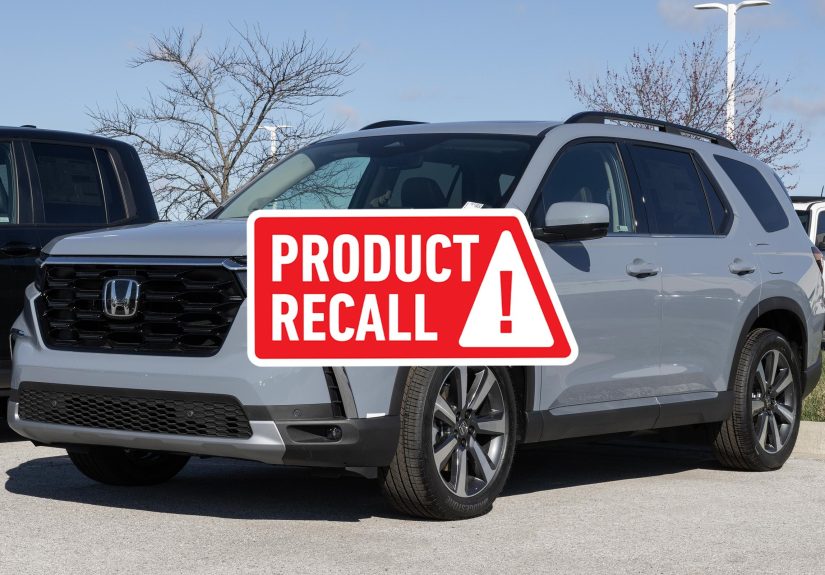
Honda is recalling more than 205,000 SUVs in the U.S. over a fuel-filling-system problem that can lead to a fuel leakespecially
in the event of a crash. In plain English: a connection in the fuel filler area may not be fully secure. If the parts separate,
fuel can leak. If fuel leaks near an ignition source, that’s a potential fire hazard.
The recall is associated with an NHTSA recall number (24V-900) and a Honda campaign code (OKM).
If you’re the type of person who enjoys collecting official codes like trading cards, congratulationsyou now have two more.
Which Honda SUVs are affected?
The recall covers certain vehicles from these model years:
- 2023–2024 Honda Passport
- 2023–2025 Honda Pilot
Importantly, “certain” does not always mean “every single one.” Recalls are usually tied to specific production ranges and VIN eligibility.
Translation: your neighbor’s Pilot might be included while yours is noteven if you bought them from the same dealership and both
have the same “kid snacks permanently embedded in the floor mats” situation.
Production timing (why it’s not every vehicle)
According to recall documentation, the potentially affected production window spans vehicles produced roughly between
February 2023 and May 2024 (depending on model). That’s why VIN lookup is the golden ticket here.
What’s the fuel system defect?
The issue involves the connection between the fuel filler neck tube and the fuel filler pipe.
These components are part of the pathway that allows fuel to travel safely from the gas cap area into the tank.
In some recalled vehicles, that connection may be incomplete due to an installation/assembly process problem.
If a crash occurs, the parts could separate, allowing fuel to leak.
“Fuel system defect” doesn’t always mean “your car leaks gas today”
A key detail: the concern described in official recall reporting centers on separation in the event of a crash. That doesn’t mean
every affected vehicle is actively dripping fuel in your driveway like a dramatic soap opera character. But it does mean the vehicle may
not meet expected fuel system integrity performance if the connection isn’t correctparticularly under impact conditions.
Why it matters (and when risk is highest)
The core safety risk is straightforward: fuel leaking in the presence of an ignition source increases the risk of fire.
Modern vehicles are designed with fuel system integrity standards in mind for a reasongasoline is extremely flammable, and fuel vapor is
even more “enthusiastic” about igniting than liquid fuel.
When is the risk highest?
Based on the recall description, the biggest concern is after a collision (when separation could occur). That said, owners should
still take any fuel smell seriously at any timebecause even if the recall scenario emphasizes crashes, a noticeable fuel odor is never a
“cute quirk.”
Warning signs to treat like a real emergency
- Strong gasoline smell (inside or outside the vehicle)
- Visible wetness near the fuel filler area or under the vehicle after fueling
- Fuel dripping (yes, that one’s obviousbut we’re saying it anyway)
If you suspect an active leak: park safely, shut off the engine, keep away from sparks/flames, and contact roadside assistance or your dealer.
And maybe don’t light a celebratory candle nearby. (This should not have to be said, but here we are.)
How Honda found it
Recalls often start with small signalsone complaint, one odd discovery, one “huh, that shouldn’t do that” moment during a routine check.
In this case, documentation shows Honda received a warranty-related report connected to a dealer pre-delivery inspection, investigated,
and later found multiple vehicles in inventory with an incomplete connection in the fuel filler area.
What this suggests (in normal-people terms)
The paper trail points to a process issue more than a “part is inherently bad” situation. That’s important because:
- Process issues can be fixed by improving assembly steps and quality checks.
- The remedy may not require replacing major componentssometimes it’s inspection and proper seating/connection.
- Not every vehicle will have the defect, even if it’s within the production window (hence VIN-based eligibility).
Did Honda report injuries or fires?
Public recall reporting for this campaign indicates very limited incident informationno widespread injury reports associated with this
issue were noted in the recall documentation, and the number of related claims described was small.
What owners should do right now
1) Check your VIN (don’t guess)
Even if your vehicle is a 2023–2025 Pilot or a 2023–2024 Passport, the recall may apply only to certain VINs.
Use Honda’s recall lookup or NHTSA’s recall tools to confirm eligibility.
2) If you’re affected, schedule the free inspection/repair
The fix is handled by authorized Honda dealers. You’ll typically be asked to schedule an appointment so they can inspect the fuel filler
connection and correct it if needed.
3) Don’t ignore fuel smell (recall or not)
Recall eligibility is not a permission slip to ignore symptoms. If you smell gasoline, treat it as urgent. A fuel odor can come from multiple
causessome simple, some seriousand it’s always worth a prompt professional check.
4) Keep your paperwork (and be mildly annoying in a productive way)
Save recall notices, appointment confirmations, and repair invoices/recordseven when the cost is $0. If you ever sell the vehicle, it’s helpful
for the next owner. If you ever need to prove the recall was completed, you’ll be glad you have it.
What the dealer will do (the fix)
The remedy for this recall focuses on inspection and properly securing the connection between the fuel filler neck tube and
the fuel filler pipe. If the connection isn’t correctly seated, the dealer will correct it.
How long will it take?
Honda’s communication to owners indicates the service time is relatively short in many cases (often measured in minutes, not days),
though dealerships may ask you to leave the vehicle longer depending on scheduling and workflow. The actual hands-on work is commonly
described as a quick inspection and, if needed, a reset/reinstall step.
Will they replace parts?
This recall has been described in official reporting as not necessarily requiring replacement of components in the standard remedy approach,
because the issue centers on the connection/installation. Think “make sure it’s properly attached,” not “swap the whole fuel system.”
Will it cost me anything?
For eligible VINs, the inspection and repair are performed free of charge. If you previously paid out of pocket for a repair related to the
same condition, recall documentation often includes instructions about possible reimbursement processes (ask your dealer or Honda support
for the steps that apply to your case).
The bigger picture: why this recall feels extra unsettling
People tend to react strongly to fuel-related recallsand honestly, that’s rational. We can joke about many car problems, but anything involving
“flammable liquid” gets everyone’s attention fast. The reassuring part is that modern recall systems exist precisely to catch issues like this and
standardize a fix across affected vehicles.
Also, this recall is a good reminder of two practical realities:
- Manufacturing is complicated, and even small process deviations can create safety concerns at scale.
- Recalls are not automatically a sign your car is “bad”; they’re a sign that safety monitoring and corrective action are working.
If you’re feeling annoyed (valid), the most productive move is to treat the recall like a free safety upgrade: confirm eligibility, book the appointment,
and move on with your lifepreferably in a vehicle that’s even less likely to leak fuel in a crash.
FAQ
Is it safe to keep driving while I wait for the recall appointment?
Many owners continue normal driving while waiting, because the risk described centers on a crash scenario and only a subset of vehicles may have
the incomplete connection. That said, if you notice fuel odor, wetness near the filler area, or any sign of an active leak, stop driving and get help.
When in doubt, call your dealer for guidance.
How do I know if my exact SUV is included?
Use your VIN. Recalls are VIN-specific. A model year match is a clue, not a verdict.
What if I never received a recall letter?
Letters can be delayed, lost, or sent to an old address. VIN lookup is the fastest way to confirm status.
If you moved recently, updating your owner information can help future communications find you.
Does this affect other Honda models?
This specific recall campaign targets certain Pilot and Passport SUVs within the described production range.
Honda has issued other fuel-related recalls in different periods for different components (fuel pumps, high-pressure systems, etc.),
which is another reason VIN lookup matterstwo recalls can sound similar but apply to totally different vehicles.
Will this hurt resale value?
A completed recall repair generally helps resale confidence. Many buyers check recall completion status, and being able to show it’s been handled
is often a plus. Unresolved recalls, on the other hand, can complicate trade-ins or private sales.
Owner experiences: what it’s like dealing with this recall
Let’s talk about the part no one puts in the glossy brochure: the human experience of a recall. Not the technical language, not the campaign code,
but the real-life stuffcalendar juggling, dealership waiting areas, and the subtle emotional journey from “What?!” to “Okay, fine, let’s fix it.”
The “Am I affected?” spiral (and why it happens)
The first moment usually looks like this: you see a headline, your brain highlights the words “Honda,” “SUV,” and “fuel,” and then you start doing mental math
like you’re trying to defuse a bomb. “I have a Pilot. It’s a 2024. That’s… one of the years. Is this my car? Is it everybody’s car? Is the driveway
now a movie set for an action scene?”
This is exactly why VIN lookup is such a relief. It turns the situation from vague dread into a yes/no answer. Even if your VIN is included, at least you’re no
longer guessing. And if it’s not included, you get to enjoy the rare pleasure of closing 17 browser tabs with confidence.
Scheduling: the true final boss
For most people, the “hard” part isn’t the repairit’s finding a time slot that doesn’t collide with work meetings, school pickup, or the one day you promised
yourself you’d stop living on iced coffee and chaos. The good news is that recall repairs like this are commonly positioned as quick inspections and corrections,
which means you’re often booking something closer to an oil-change-style visit than a multi-day repair saga.
Still, dealerships vary. Some will have plenty of openings. Others will be busy. Many owners report that the trick is calling earlier in the day, being flexible on
appointment times, and politely asking whether they anticipate a wait or can provide a more precise drop-off/pick-up window.
The dealership waiting room reality
Waiting rooms have two types of people: those who bring a fully charged laptop and a plan, and those who show up with 4% battery and “vibes.” If you’re going in for
a recall inspection, assume you might wait longer than the actual hands-on workbecause paperwork, vehicle intake, and queue time are real.
Owners also tend to appreciate transparency: “What are you inspecting?” “What will you do if it’s not seated correctly?” “Do you need parts, or is it a reset/reinstall?”
These questions aren’t being difficultthey’re being informed. And informed is a great look on you.
Emotional whiplash: from annoyed to relieved
The emotional arc often goes: annoyance (“Why is this happening?”), suspicion (“Is my car safe?”), and finally relief (“Okay, it’s fixedand it didn’t cost me anything.”).
Fuel-related headlines are scary because fire risk is scary. But many owners feel better after the visit simply because the uncertainty is gone and the vehicle has been checked by a
trained technician.
A practical takeaway owners share
If there’s one “wisdom of the crowd” pattern, it’s this: treat the recall like maintenance you don’t have to pay for. Keep your documentation, confirm completion, and move on.
Most people don’t remember the campaign number a month laterbut they do remember the peace of mind of knowing the issue was addressed.
And yes, you’re allowed to be mildly irritated that your free time got replaced by a service appointment. But if you can trade one hour and a lukewarm coffee for improved fuel system
integrity, that’s a pretty solid deal in the grand economy of adulting.