Table of Contents >> Show >> Hide
- What “shade” really means (and why it matters)
- 22 best shrubs for shade that thrive without much sun
- 1) Spotted laurel (Aucuba japonica)
- 2) Japanese aralia (Fatsia japonica)
- 3) Japanese skimmia (Skimmia japonica)
- 4) Sweet box (Sarcococca spp.)
- 5) Florida anise (Illicium spp.)
- 6) Drooping leucothoe (Leucothoe fontanesiana)
- 7) Inkberry holly (Ilex glabra)
- 8) Mountain laurel (Kalmia latifolia)
- 9) Camellia (Camellia japonica)
- 10) Boxwood (Buxus sempervirens)
- 11) Yew (Taxus spp.)
- 12) Plum yew (Cephalotaxus harringtonia)
- 13) Japanese pieris (Pieris japonica)
- 14) Oakleaf hydrangea (Hydrangea quercifolia)
- 15) Smooth hydrangea (Hydrangea arborescens)
- 16) Virginia sweetspire (Itea virginica)
- 17) Summersweet (Clethra alnifolia)
- 18) Bottlebrush buckeye (Aesculus parviflora)
- 19) Mapleleaf viburnum (Viburnum acerifolium)
- 20) Spicebush (Lindera benzoin)
- 21) Japanese kerria (Kerria japonica)
- 22) Snowberry (Symphoricarpos albus)
- Planting and care tips that make shade shrubs actually thrive
- Common shade-garden mistakes (so you can avoid the sequel)
- How to design a shade border that looks intentional
- Real-world experiences and lessons from shade gardens (about )
- Conclusion
Got a yard that’s basically a permanent eclipse? Maybe it’s a north-facing foundation, a big ol’ maple canopy,
or the narrow side yard where sunlight shows up like an unreliable friend: briefly, and only when it’s convenient.
The good news: you don’t need to surrender to bare dirt and mossy mystery patches. Plenty of shade-tolerant shrubs
are perfectly happy living life in low lightsome even prefer it.
Below are 22 of the best shrubs for shade that can thrive without much sun, plus practical planting and care tips
that’ll keep your “why is this spot so sad?” area from becoming a yearly drama series.
What “shade” really means (and why it matters)
Shade isn’t one-size-fits-all. Most “shrubs for shade” do best in dappled light (sun filtered through tree
branches) or partial shade (a few hours of direct sun, often in the morning). Full shade (less than
~2 hours of direct sun) can still workbut growth is slower and flowering may be lighter for some plants.
- Deep shade + dry soil (under big trees, under eaves): toughest combochoose the hardest workers.
- Deep shade + moist soil (downspouts, low spots): lots of shrubs love it if drainage isn’t swampy.
- Morning sun + afternoon shade: the “golden ticket” for many flowering shade shrubs.
22 best shrubs for shade that thrive without much sun
Tip before you fall in love: always match shrubs to your USDA Hardiness Zone and your soil moisture.
Shade plants are chill, but they still have standards.
1) Spotted laurel (Aucuba japonica)
If you want a shrub that practically prefers shade, this is it. Aucuba handles deep shade, adds glossy evergreen
leaves, and many varieties bring gold-speckled foliage that brightens dark corners. Protect it from harsh wind and
hot sun, which can scorch tender new growth.
2) Japanese aralia (Fatsia japonica)
Big, bold, tropical-looking leaves make fatsia a statement shrub for part to full shadeespecially in milder climates.
It’s surprisingly tolerant once established and makes shady patios feel lush fast. Give it moisture while it’s getting
settled, then enjoy the “I look fancy but I’m low-maintenance” vibe.
3) Japanese skimmia (Skimmia japonica)
Skimmia is made for shade: rich evergreen leaves, fragrant spring blooms, and (on female plants with a nearby male)
colorful berries. It hates hot sunleaves can scorchso it’s ideal for filtered light and protected spots. Bonus: it
looks polished without constant pruning.
4) Sweet box (Sarcococca spp.)
Tiny flowers, huge fragrance. Sweet box thrives in part shade to full shade and earns its keep in winter/early spring
when its scent surprises you in the best way. It likes consistent moisture and mulch, and it’s excellent near paths
so you can actually enjoy the perfume.
5) Florida anise (Illicium spp.)
Anise shrubs love shade to part shade and bring aromatic foliage plus evergreen structure in warmer regions.
They’re great for woodland edges and privacy screens where sun is limited. Keep soil evenly moist, especially early
on, and you’ll get a dense, handsome shrub that doesn’t beg for attention.
6) Drooping leucothoe (Leucothoe fontanesiana)
Leucothoe is a shade-garden classic: evergreen leaves, arching form, and cultivars with red or burgundy new growth.
It tolerates full shade but prefers cool, moist, acidic soilthink “woodland floor, but upgraded.” Mulch helps keep
roots happy and temperatures steady.
7) Inkberry holly (Ilex glabra)
A native evergreen with tidy leaves and strong landscape performance in sun to partial shadeoften happiest with some
shade in hotter areas. Inkberry tolerates moist soils and can form a dense hedge with selective pruning. For berries,
plan for a male and female plant pairing.
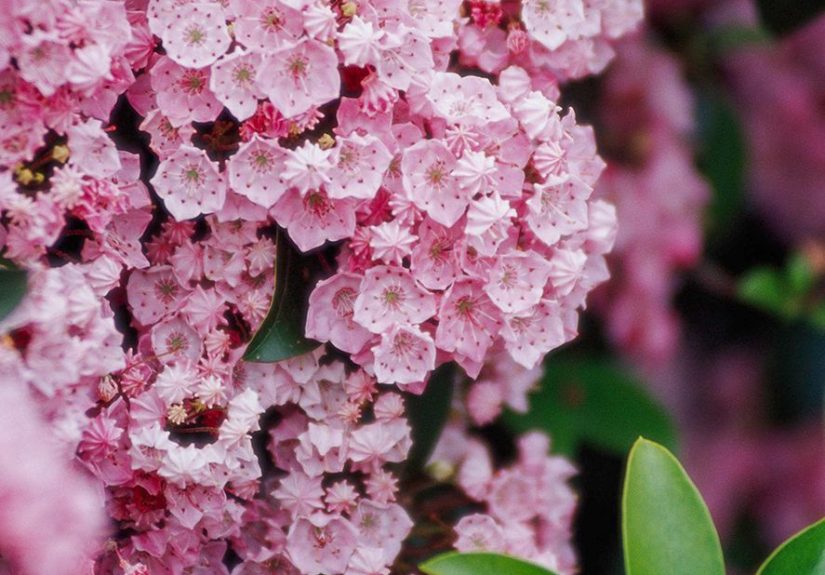
8) Mountain laurel (Kalmia latifolia)
Showy spring blooms and evergreen leaves make mountain laurel a shade-garden trophy plant. It can tolerate shade but
generally performs best in partial shade with cool roots and acidic, well-drained soil. Think “forest understory,” not
“wet clay pit.” Mulch is your friend here.
9) Camellia (Camellia japonica)
In suitable climates, camellias bring elegant blooms when much of the garden is snoozing. They prefer partial shade
(especially protection from harsh afternoon sun) and consistently moist, well-drained, acidic soil. Site them out of
drying wind and you’ll get glossy evergreen foliage year-round.
10) Boxwood (Buxus sempervirens)
Boxwood is the “little black dress” of shrubs: formal, flexible, and always appropriate. It grows in sun to partial
shademorning sun with afternoon shade is often ideal. Full shade can thin it out, so give it at least some light and
keep airflow good to reduce disease issues.
11) Yew (Taxus spp.)
Yews are evergreen workhorses that tolerate shade better than many conifers, making them great for privacy, hedging,
and structure in low light. Growth slows in heavy shade, but they’ll still perform with patience. They dislike soggy
soilgood drainage matters more than people think.
12) Plum yew (Cephalotaxus harringtonia)
Want an evergreen that’s shade-tolerant, dense, and less fussy than it looks? Plum yew fits. It handles partial shade
(and often more shade than typical needle evergreens) and brings a soft, lush texture. It’s excellent for foundations,
under taller trees, and calm, shady borders.
13) Japanese pieris (Pieris japonica)
Pieris offers evergreen leaves, spring flowers, and striking red new growth on many cultivars. It generally prefers
acidic soil and partial shade, especially shelter from hot afternoon sun and wind. In tough climates, pick a protected
location and avoid dry, exposed sites.
14) Oakleaf hydrangea (Hydrangea quercifolia)
Oakleaf hydrangea is a four-season star: bold leaves, big flower panicles, exfoliating bark, and gorgeous fall color.
It does well in part shade (and can take more sun with moisture). Give it rich soil, mulch, and spacethis one likes to
spread its elbows a bit.
15) Smooth hydrangea (Hydrangea arborescens)
If you want dependable blooms with modest light, smooth hydrangea is a solid pick. It prefers partial shade and evenly
moist soil; too much hot sun can stress it without extra watering. A major perk: it flowers on new wood, so pruning is
simpler than with some other hydrangeas.
16) Virginia sweetspire (Itea virginica)
A native shrub that’s happy in dappled shade and can handle moist sites better than many ornamentals. Sweetspire offers
fragrant white flower spikes and excellent fall color, plus it’s great for naturalizing and erosion control. It can
sucker into colonies, which is either “yay!” or “uh-oh,” depending on your plan.
17) Summersweet (Clethra alnifolia)
Summersweet earns its name with fragrant late-summer blooms when other shrubs are done showing off. It tolerates
partial shade (and even more shade in many landscapes) and likes moist, acidic soilmaking it perfect for woodland
edges and rain-garden-adjacent areas.
18) Bottlebrush buckeye (Aesculus parviflora)
Got room? Bottlebrush buckeye is a large, shade-loving shrub with dramatic white summer “bottlebrush” flowers. It
prefers shade to part shade and consistently moist, rich soil. It can form colonies, which makes it fantastic for
covering a big shady slope or creating a woodland backdrop.
19) Mapleleaf viburnum (Viburnum acerifolium)
A native viburnum that leans into woodland life: partial shade, moist acidic soil, and a naturalized look. It offers
spring blooms, fall berries, and attractive autumn foliage color. Like many fruiting shrubs, you’ll often get better
berry production with genetic diversity nearby (not just one clone).
20) Spicebush (Lindera benzoin)
Spicebush is a native understory shrub that prefers part shade and rewards you with fragrant foliage and wildlife value.
Female plants can produce berries if a male is nearby, and the shrub fits beautifully in naturalistic shade gardens.
In heavy shade it may be looser in habitstill lovely, just more “woodland casual.”
21) Japanese kerria (Kerria japonica)
Kerria brings cheerful yellow blooms and green stems that pop even when flowers aren’t present. It’s famously shade-friendly
(too much sun can fade the flowers), and it’s a great “brighten the gloom” shrub for woodland borders. It can sucker, so
give it room or commit to occasional clean-up.
22) Snowberry (Symphoricarpos albus)
Snowberry is tough, adaptable, and tolerant of partial shadeperfect for problem areas where “perfect conditions” are a myth.
It’s valued for its white berries and ability to handle a wide range of soils once established. Expect the best flowering
and fruiting with a bit more light, but it remains a sturdy option in low-sun yards.
Planting and care tips that make shade shrubs actually thrive
Shade is only half the story. The other half is what’s happening under the shadetree roots, dryness, compacted
soil, and inconsistent moisture. Use this playbook to stack the odds in your favor:
- Improve soil before planting: Mix in compost to boost structure and moisture retention.
- Mulch like you mean it: A 2–3 inch layer moderates soil temperature and reduces watering stress.
- Water deeply (not constantly): Fewer, longer waterings encourage deeper roots.
- Mind root competition: Under mature trees, plant smaller shrubs and water during dry spells.
- Skip heavy fertilizer in shade: It can push weak, floppy growth. Slow and steady wins here.
- Prune for airflow: Especially for dense evergreensbetter airflow means fewer disease headaches.
Common shade-garden mistakes (so you can avoid the sequel)
- Assuming “shade” means “no water needed”: Shade under trees is often surprisingly dry.
- Planting acid-lovers in alkaline soil: Rhododendrons, mountain laurel, pieris, and friends will sulk.
- Ignoring wind: Evergreens in shade can still get winter burn if exposed to drying winds.
- Overcrowding: Tight spacing in shade increases humidity and disease pressure.
How to design a shade border that looks intentional
The easiest way to make shade look “designed” is to layer textures and repeat shapes:
- Backbone evergreens: inkberry, boxwood, yew, leucothoe, pieris
- Big-leaf drama: fatsia, oakleaf hydrangea
- Flower and fragrance moments: sweet box, clethra, hydrangeas, camellia
- Native woodland feel: spicebush, mapleleaf viburnum, sweetspire
Real-world experiences and lessons from shade gardens (about )
Ask a group of gardeners about shade shrubs and you’ll hear the same theme: the plants aren’t the main problemthe
microclimate is. Shady spots behave differently than sunny beds, and once you treat them like their own ecosystem,
your success rate jumps.
1) “It’s shade, so it must be moist”… said every dry-shade yard ever
One of the most common surprises is how dry shade can be, especially under mature trees. Tree canopies intercept rain,
and thirsty roots drink first. In these areas, gardeners often do best with shrubs that tolerate competition and
inconsistent moisturelike inkberry (with enough acidity and water early on), yews, boxwood (if it gets some light),
and snowberry. A simple habit that makes a big difference: slow, deep watering during heat waves, even if the bed
“looks cool” compared to full sun areas.
2) Dappled shade is the sweet spot for flowers
Many flowering shrubs marketed for shade actually perform best when they get a small daily “sun snack.” Morning sun
with afternoon shade is the classic winning combo. Gardeners frequently notice hydrangeas and clethra bloom more
reliably in dappled shade than in deep shade. Deep shade can still work, but expectations shift: you may get fewer
flowers, looser growth, and slower fill-in. If you’re aiming for blooms, choose the brightest shade you have.
3) Soil pH can be the silent deal-breaker
Another shared lesson: acid-loving shrubs are not being “dramatic”they’re being biochemical. Rhododendrons, pieris,
mountain laurel, leucothoe, and many camellias tend to struggle in alkaline soil, even if watering and light are fine.
Gardeners who get long-term success often focus on building a consistent soil environment: adding organic matter,
mulching with pine bark or leaf mold, and avoiding “mystery fertilizer” that can push pH or burn shallow roots.
4) Shade shrubs love mulch, but they hate being buried
Mulch is practically shade-garden currency. It holds moisture, cools roots, and improves soil over time. But there’s
a common misstep: piling mulch against stems like a volcano. Experienced gardeners keep mulch pulled back a couple of
inches from the base of the shrub to reduce rot and pest issuesespecially for evergreens and plants with shallow
root systems.
5) Patience is a legitimate strategy
In shade, shrubs often grow slowersometimes much slower. The “secret weapon” many gardeners mention is planning for
year two and year three instead of judging in week six. Choosing the right shrub, improving the soil once, and then
staying consistent with water and mulch tends to beat frantic replanting every season. Shade gardens reward calm
persistence. They’re like the slow-cooker of landscaping: not flashy at first, but deeply satisfying when it comes
together.
Conclusion
Shade doesn’t have to mean “nothing grows here.” With the right shrubsand a little respect for dry soil, root
competition, and microclimatesyou can turn low-light areas into lush, layered, four-season landscapes. Start with a
few reliable performers (like aucuba, sweet box, inkberry, leucothoe, or hydrangeas in dappled light), then build out
texture and structure over time. Your shady yard can absolutely be the best-looking part of the property. It just
needs plants that don’t require a sun addiction to thrive.