Table of Contents >> Show >> Hide
- Quick Jump
- Way 1: Make the first contact easy (micro-connections)
- Way 2: Ask better questions (curiosity that feels good)
- Way 3: Turn a moment into momentum (the follow-through)
- Safety + boundaries (friendly, not frantic)
- So… how do you become friends with a stranger?
- Extra: Real-world experiences that make this feel doable (about )
Making friends with strangers sounds a little like “doing taxes for fun” or “voluntarily stepping on a LEGO.” But it’s actually one of the most underrated life skills you can buildbecause new friendships don’t magically appear fully formed like a pop-up ad for companionship.
The good news: you don’t need perfect charisma, a stand-up comedy set, or a puppy you can borrow from a neighbor (although puppies are basically social cheat codes). You need a simple approach that works in real lifeat the coffee shop, the gym, the bookstore, the bus stop, the volunteer event, or anywhere humans gather to silently avoid eye contact.
Below are three practical ways to become friends with a strangerwith specific examples, a bit of science, and zero “just be yourself” nonsense (because you are yourself whether you like it or not).
Way 1: Make the first contact easy (micro-connections)
Most people don’t hate strangersthey hate awkwardness. The trick is to start with a “micro-connection”: a tiny, low-stakes interaction that doesn’t demand anything big. Think: a friendly comment, a quick question, a small shared laugh. You’re not proposing lifelong friendship. You’re just opening a door.
Use the “shared context” opener
The easiest way to talk to a stranger is to talk about something you both can see. Shared context is social training wheels: it keeps the conversation from feeling random or intrusive.
- In line: “That drink looks serious. Is it good, or is it ‘I regret this purchase’ good?”
- At a class: “Have you done this before, or are we both here to discover new muscles?”
- At a bookstore: “I’m debating this one. Are you a ‘judge a book by the cover’ person too?”
- At a dog park: “Your dog looks like the CEO of confidence. Mine is the unpaid intern.”
Make your body language do half the work
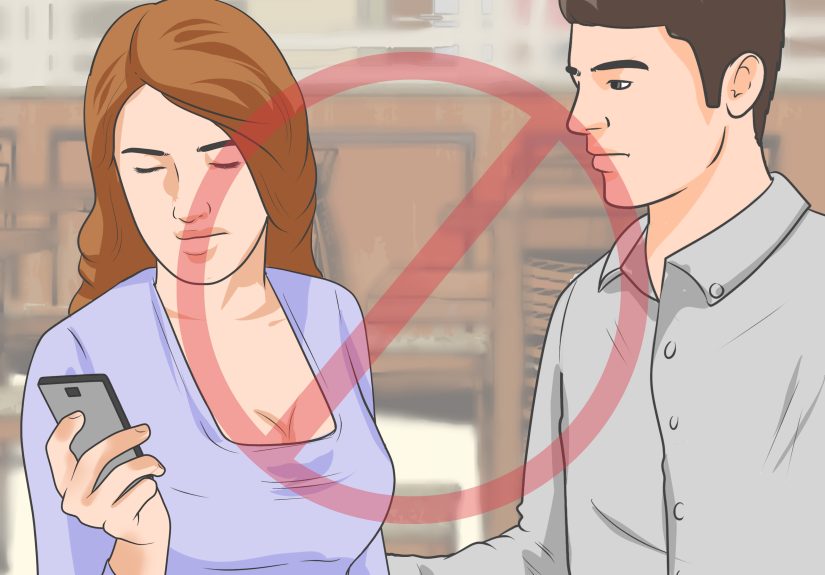
Before you say a word, your face is already sending a press release. A relaxed posture, a small smile, and a calm tone can signal “safe to talk to.” If someone looks busy, stressed, or closed off (headphones in, eyes down, short answers), you can gracefully exit. Friendly is great. Pushing is not.
Offer a “permission slip” so they can opt in
People feel safest when they can choose. A permission slip is a phrase that makes it easy for them to respond without pressure.
- “Quick questionhave you tried this place before?”
- “I’m curiousdo you know if this class is usually this intense?”
- “This might be a weird question, but…” (Use sparingly. Don’t follow with anything actually weird.)
Mini script: The 20-second starter
If you want a simple formula, try this: Observation → Light opinion → Question.
- “This playlist is kind of amazing. Do you know who’s in charge of the music here?”
- “This line is moving like it’s allergic to progress. Is it always like this?”
- “That workout move looks illegal. Do you like this instructor?”
The goal isn’t to be dazzling. It’s to be pleasantly human. Most friendships start exactly there.
Way 2: Ask better questions (curiosity that feels good)
A lot of people think “being interesting” is the secret to making friends. Surprise: it’s usually being interested. When you ask good questionsand actually listenyou create comfort and energy. The other person feels seen, and you get real material to build on (instead of ping-ponging “So… what do you do?”).
Upgrade from “small talk” to “small-to-real talk”
Small talk is not evil. It’s the ramp that gets you onto the highway. But the key is to gently deepen it with questions that invite a story, not a resume.
- Instead of: “Do you live around here?”
Try: “What do you like about this neighborhood?” - Instead of: “What do you do?”
Try: “What’s a part of your week you actually look forward to?” - Instead of: “How was your weekend?”
Try: “What was the best part of your weekend?”
Use follow-up questions like you mean it
Follow-ups signal, “I’m not just waiting for my turn.” They also make conversation feel effortless because you don’t have to invent new topicsyou just go one level deeper.
- “Oh wowhow did you get into that?”
- “What made you choose that?”
- “What’s the fun part and what’s the annoying part?” (Works for jobs, hobbies, and… most of life.)
Match their energy and pace (the comfort rule)
Some people love chatting. Others warm up slowly. If they’re giving short answers, don’t treat it like a challenge to “win them over.” Treat it like data. You can keep it light, smile, and move on. Friendship is a two-person sport.
Share a little, then ask (the “breadcrumb” technique)
If you only ask questions, you can accidentally sound like a polite interviewer. If you only talk about yourself, you sound like you’re auditioning for a documentary titled Me: The Series. The sweet spot is reciprocity: share a small piece of you, then invite them in.
- “I’m trying to get back into reading. I forgot how relaxing it is. What are you into lately?”
- “I’m new to this class and I’m already humbled. What made you sign up?”
- “I’m on a mission to find the best coffee in town. What’s your go-to spot?”
Conversation examples that actually lead to friendship
Here are a few “friendship-shaped” questionslight enough for strangers, meaningful enough to create connection:
- “What are you excited about right now?”
- “What’s a hobby you keep coming back to?”
- “What’s your comfort show / comfort meal?”
- “What’s a place you’d recommend around here?”
You’re not fishing for secrets. You’re building a vibe: curious, kind, and easy to be around.
Way 3: Turn a moment into momentum (the follow-through)
This is where most potential friendships quietly die. You have a nice chat, you both smile, and then you say, “We should hang out sometime,” which is basically adult for “We will never see each other again unless fate physically tackles us into the same room.”
Friendship needs repeated contact. One well-known research line suggests that moving from acquaintance to friend typically takes many hours of quality time togethernot one perfect conversation. So your job is to create a next step that’s specific, easy, and not intense.
Make the next step specific (time + activity)
Specific beats vague every single time. If you want to turn a stranger into a friend, offer a small plan that makes sense in your shared context.
- From a class: “Want to grab a smoothie after next week’s session?”
- From a dog park: “Same time next Saturday? Our dogs can continue their chaos alliance.”
- From a coffee shop chat: “I’m coming back to try the pastry everyone’s obsessed withwant to join?”
Use “low-friction invites” (easy to accept, easy to decline)
A low-friction invite feels friendly because it doesn’t pressure the person. It’s short, casual, and gives them space to say yes or no without awkwardness.
- “No pressure, but…”
- “If you’re ever down…”
- “Totally fine if not, but…”
Choose activities that create conversation
Hanging out is easier when the activity helps. Think “side-by-side” interaction: walking, browsing, volunteering, trying a new class, going to a local event. These give you natural things to talk about so you’re not stuck maintaining eye contact like it’s a competitive sport.
- Walk + coffee
- Farmers market
- Trivia night (instant team bonding)
- Volunteer shift
- Beginner class (cooking, pottery, dance, language)
Follow up like a normal person (short, warm, clear)
If you exchanged numbers or social handles, send a message within 24–72 hours. Keep it simple:
- “Hey! Great talking with you at [place]. Want to do [specific thing] on [day]?”
- “I’m going to [event/class] again on [day]. If you’re going, want to say hi?”
- “You mentioned [interest]. I saw [relevant thing] and it made me think of our conversation.”
The friendship flywheel: show up consistently
One of the most underrated friendship strategies is boring in the best way: be a regular. Go to the same class, the same volunteer group, the same community event, the same hobby meetup. Familiarity lowers social friction. People relax around what’s familiarand friendship grows from there.
Safety + boundaries (friendly, not frantic)
Becoming friends with strangers should feel safe and respectful for everyone involved. A few simple rules keep things comfortableespecially if you’re a teen or you’re meeting people much older than you.
Read the room (and the person)
- If they give short answers, don’t make it a mission. Politely wrap up.
- If they keep looking away, turning their body, or putting headphones back in, that’s a “no thanks.”
- If they respond warmly, ask questions back, and keep engagingthat’s your green light.
Keep early connections public and normal
- Meet in public places (cafes, parks, community centers, events).
- Aim for group settings when possible (clubs, classes, volunteering).
- Don’t overshare personal details right away (address, school schedule, private info).
Have a clean exit line ready
Ending a conversation well is a superpower. Try:
- “Nice talking with youhope the rest of your day goes great.”
- “I’m going to get back to it, but good luck with [thing they mentioned].”
- “I’ll let you gogood chatting!”
You’re not obligated to stay in a conversation. Being polite doesn’t mean being trapped.
So… how do you become friends with a stranger?
You do it the same way friendships have always formed: small contact, real curiosity, and repeat time. The three ways in this guide are basically a friendly ladder:
- Micro-connection (easy opener, shared context, low stakes)
- Curiosity (good questions, real listening, reciprocal sharing)
- Momentum (specific invite, follow-up, consistency)
And if it doesn’t click? That’s not failure. That’s filtering. You’re practicing a skilland the skill is what makes future friendships easier.
Extra: Real-world experiences that make this feel doable (about )
Advice is great, but it’s even better when you can picture it happening without your brain shouting, “Absolutely not, we will simply move to a new city instead.” So here are a few common, very normal scenes people describe when they start using these three waysmicro-connection, curiosity, and follow-through.
1) The “same place, same time” friendship
Someone starts going to a weekly yoga class or a running group. The first week they say nothing, because the vibe is “I’m just here to survive.” The second week, they try a micro-connection: “Are we supposed to feel our legs right now?” A laugh happens. The third week, they learn a name. The fourth week, they ask a small-to-real question: “What got you into this class?”
Nothing dramatic happensno movie montage, no fireworks. Just familiarity. The friendship forms because the environment does the hard work: repeated contact, shared struggle, and easy conversation topics. Eventually someone says, “Want to grab something after?” and suddenly it’s a real thing on the calendar.
2) The “tiny talk in public” win
Another person tries talking to strangers in low-pressure places: the coffee line, the bookstore, the farmer’s market. They keep it light and context-based: “That pastry looks suspiciously perfecthave you tried it?” Sometimes the other person doesn’t engage much, and that’s fine. But sometimes the answer comes with a story: “Oh yeah, my friend made me try it last week and now I’m hooked.”
The magic isn’t the pastry. It’s that the conversation becomes a little human moment in a world that often feels like everyone is speed-running life. Over time, these small interactions build confidence. The person realizes the big fear“This will be awkward and terrible”is usually wrong. Most interactions are neutral-to-pleasant, and a few are surprisingly fun.
3) The “we should hang out” upgrade
A lot of almost-friendships stall because the next step is vague. People report that the moment they upgrade “We should hang out sometime” to “Want to do this on this day?” things change fast. It doesn’t need to be a huge plan. The best invites are small and clear: “Want to check out that street fair Saturday afternoon?” or “I’m going to that open mic next weekwant to go together?”
Even if the answer is no, it’s not embarrassingit’s information. And if the answer is yes, you’ve just created the one thing that turns strangers into friends: time together with a shared experience.
4) The “friendship through helping” shortcut
Volunteering and group projects are sneaky-good for friendship because you’re doing something together that matters. People often describe how easy it feels to connect when there’s a shared purpose: packing food donations, cleaning up a park, helping at an event. Conversation happens naturally: “How’d you hear about this?” “Do you volunteer often?” “What else are you into?”
After the event, a low-friction follow-up lands well: “That was funwant to do the next one?” You’re not begging for friendship; you’re inviting someone into another shared moment.
None of these experiences require you to become a different person. They require you to do small, repeatable actions that make connection likely. That’s the real secret: friendship is less about one flawless conversation and more about stacking a bunch of ordinary, kind moments until something real grows.