Table of Contents >> Show >> Hide
- Why Self Rising Flour Works So Well for Dumplings
- Way #1: Fluffy Drop Dumplings for Soup (Chicken and Dumplings Style)
- Way #2: Rolled-and-Cut “Noodle” Dumplings (Old-School Southern Style)
- Way #3: Sweet Cobbler Dumplings (Fruit + Dumpling Drops on the Stove or in the Oven)
- FAQ: Common Questions About Self Rising Flour Dumplings
- Kitchen Notes: 500-ish Words of Real-Life Dumpling Experience
- Conclusion
Self rising flour is basically the “easy button” of the pantry: flour that already comes with leavening (baking powder) and salt mixed in. That means
you can go from “I want dumplings” to “why didn’t I do this sooner?” with fewer ingredients, fewer measuring spoons, and far fewer opportunities to
accidentally dump in a tablespoon of salt like you’re seasoning a parking lot.
But here’s the fun part: dumplings aren’t just one thing. In American kitchens, “dumplings” can mean fluffy spoon-dropped clouds that bob in broth,
tender rolled strips that eat like cozy noodles, or sweet biscuit-y scoops that steam themselves into a bubbling fruit cobbler. The common thread?
Comfort. The shortcut? Self rising flour.
Below are three reliable, very doable methodseach with practical ratios, texture cues, and little “don’t panic” fixesso you can make dumplings with
self rising flour even if your cooking style is best described as “optimistic improvisation.”
Why Self Rising Flour Works So Well for Dumplings
Most classic dumpling doughs rely on flour + fat + liquid, then some form of leavening (baking powder) if you want them fluffy. Self rising flour
bakes that leavening and salt right in, which helps:
- Speed: fewer ingredients to measure; the dough comes together fast.
- Lift: baking powder gives dumplings a lighter, puffier biteespecially in drop-style dumplings.
- Consistency: when the leavening is evenly mixed, you’re less likely to get “one fluffy dumpling, one sad hockey puck.”
Two important notes before you start: (1) don’t add extra baking powder or salt unless the recipe is designed for it, and (2)
mix gently. Overmixing develops gluten, and gluten’s love language is “chewy,” which is not the vibe we’re going for in tender dumplings.
Way #1: Fluffy Drop Dumplings for Soup (Chicken and Dumplings Style)
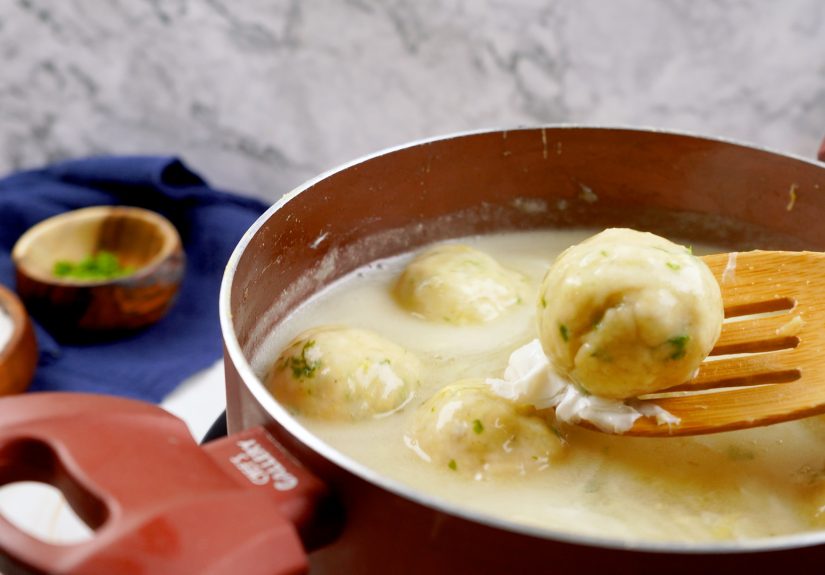
This is the dumpling most people picture first: soft, pillowy mounds dropped into simmering broth. They soak up flavor, thicken the pot slightly, and
basically turn soup into a warm hug you can eat with a spoon.
Best for
- Chicken and dumplings
- Turkey soup (especially after the holidays)
- Vegetable stew when you want it to feel like a full meal
Ingredients (makes about 10–14 dumplings)
- 1 1/2 cups self rising flour
- 2 tablespoons cold butter (or shortening), cut into small pieces (optional but recommended for tenderness)
- 3/4 cup milk or buttermilk (start with 2/3 cup, add more if needed)
- Optional flavor upgrades: 1 tablespoon chopped parsley, 1/2 teaspoon black pepper, a pinch of garlic powder
How to make them
- Heat your soup first. You want a gentle simmerlittle bubbles, not a rolling boil that’ll break up dumplings.
- Cut in the fat (optional). Toss flour and butter together and rub or cut it in until you see coarse crumbs. This helps tenderness.
- Add liquid gently. Stir in milk just until no dry flour remains. The dough should look shaggy and thicklike a stubborn, lumpy pancake batter.
- Rest 5–10 minutes. This gives the flour time to hydrate and the leavening time to wake up.
- Drop and steam. Use a spoon to drop heaping tablespoons onto the simmering soup. Leave a little spacethey puff.
- Cover and cook. Put the lid on and cook 10 minutes. Then uncover and cook 2–3 minutes more so the tops set.
Texture cues (so you know it’s working)
- If the dough slides off the spoon in one reluctant blob: perfect.
- If it pours like cake batter: too wetadd a tablespoon of flour.
- If it’s crumbly and won’t scoop: too dryadd a splash of milk.
Troubleshooting
- Dumplings dissolved: the pot may be boiling too hard, or you stirred after dropping them in. Keep it at a gentle simmer and don’t fuss with them.
- Centers gummy: they need more covered steaming time, or the dumplings were too large. Make smaller scoops next time.
- Tough texture: likely overmixed. Stir just until combinedlumps are not only okay, they’re welcome here.
Way #2: Rolled-and-Cut “Noodle” Dumplings (Old-School Southern Style)
These dumplings are flatter and more structuredsomewhere between pasta and biscuit dough. They’re rolled out, sliced, and simmered in broth. If drop
dumplings are fluffy sweaters, rolled dumplings are your favorite broken-in jeans: comforting, familiar, and somehow better the second day.
Best for
- Traditional chicken and dumplings with flat strips
- Beef stew when you want dumplings that hold their shape
- Brothy soups where you don’t want the dumplings to melt into the liquid
Ingredients (serves 4–6 as a soup add-in)
- 2 cups self rising flour, plus more for dusting
- 3 tablespoons shortening or butter
- 3/4 cup very hot water (or hot chicken broth for extra flavor)
- Optional: 1/4 teaspoon black pepper
How to make them
- Cut in the fat. Work shortening/butter into the flour until it looks like coarse crumbs.
- Add hot liquid gradually. Pour in hot water/broth a little at a time, stirring until a dough forms. It should be soft but not sticky.
- Knead briefly. Give it 6–10 gentle foldsjust enough to bring it together. Don’t knead like bread.
- Roll it out. On a floured surface, roll to about 1/8 inch thick (think: thicker than a wonton wrapper, thinner than a biscuit).
- Cut dumplings. Slice into strips or squares with a knife or pizza cutter.
- Simmer, don’t boil. Drop into gently simmering broth. Cook 10–15 minutes, stirring only once or twice to prevent sticking.
Pro tips for rolled dumplings with self rising flour
- Hot liquid helps. It hydrates the flour quickly and can make the dough easier to roll.
- Keep the simmer gentle. A hard boil can shred delicate dumpling strips.
- Dust lightly. Too much extra flour on the surface can make the broth pasty; use just enough to prevent sticking.
Troubleshooting
- Dumplings sticking together: add them in a few at a time and stir once after 30 seconds.
- Dumplings too thick: roll thinner next round, or cut smaller strips so they cook through.
- Broth turned overly thick: you may have used a lot of bench flour. Add a splash of broth and simmer a minute to smooth it out.
Way #3: Sweet Cobbler Dumplings (Fruit + Dumpling Drops on the Stove or in the Oven)
If you’ve never had “cobbler dumplings,” imagine this: bubbling fruit in a buttery syrup, topped with little dumpling scoops that puff into tender,
biscuit-like bites. It’s the dessert version of chicken-and-dumplings energysame comfort, different zip code.
Best for
- Peach cobbler dumplings
- Apple cinnamon dumplings
- Mixed berry “dump it in the pan” weeknight dessert
Fruit base (choose one)
- Peaches: 4–5 cups sliced (fresh or thawed frozen)
- Apples: 4 cups sliced + an extra tablespoon sugar
- Berries: 4 cups (reduce added liquid slightly; berries release a lot of juice)
For the syrup
- 1/2 cup sugar (up to 3/4 cup for tart fruit)
- 1 1/2 cups water (or half water, half juice)
- 2 tablespoons butter
- 1 teaspoon cinnamon (optional)
- Pinch of salt (optionalyes, even dessert likes balance)
Dumpling dough
- 1 1/2 cups self rising flour
- 2–3 tablespoons sugar (depending on how sweet you like the topping)
- 3/4 cup milk (or buttermilk)
- 2 tablespoons melted butter (optional, but delicious)
How to make cobbler dumplings (stovetop method)
- Make the fruit syrup. In a wide pot or deep skillet, combine fruit, sugar, water, and butter. Bring to a simmer.
- Mix dumpling dough. Stir flour + sugar together, then add milk (and melted butter if using). Mix just until combined.
- Drop dumplings. Scoop dough by spoonfuls onto the simmering fruit. Keep them roughly the same size so they cook evenly.
- Cover and steam. Cover and simmer 12–15 minutes. Avoid lifting the lid every 20 seconds like it’s a suspense movie.
- Finish. Uncover for 2 minutes to set the tops. Serve warm, ideally with ice cream that “accidentally” melts into the syrup.
What makes these work
- The dumplings steam from the syrup below, puffing up like biscuit tops.
- Self rising flour helps them lift without needing extra leavening.
- Gentle heat prevents scorching the syrup while the dumplings cook through.
Troubleshooting
- Dumplings undercooked on top: keep covered longer; steam is your friend.
- Syrup too thin: uncover and simmer a few minutes after dumplings are done.
- Syrup too thick: add a splash of water and stir gently around the dumplings (not through them).
FAQ: Common Questions About Self Rising Flour Dumplings
Can I substitute all-purpose flour for self rising flour?
Yes, but you’ll need to add baking powder and salt. A common DIY blend is 1 cup all-purpose flour + 1 1/2 teaspoons baking powder + 1/4 teaspoon salt.
If you’re converting a recipe that was written for self rising flour, don’t add extra leavening beyond that.
Why are my dumplings dense?
The top causes are overmixing, dough that’s too dry, or cooking at too low a simmer (so they sit there absorbing liquid without puffing). Mix gently,
keep the dough scoopable, and maintain a steady gentle simmer.
Should I stir dumplings while they cook?
For drop dumplings: nostirring can break them. For rolled dumplings: stir once or twice early on to prevent sticking, then let them simmer calmly.
Kitchen Notes: 500-ish Words of Real-Life Dumpling Experience
The first time I made dumplings with self rising flour, I learned two truths immediately: (1) dumplings are forgiving, and (2) I am not, apparently,
a person who can “just let them cook” without checking the lid every minute like I’m monitoring a NASA launch. Drop dumplings, especially, do not
appreciate helicopter parenting. They want a steady simmer, a tight lid, and the emotional space to become fluffy on their own timeline.
My early batches were a comedy of good intentions. One time I mixed the dough until it was perfectly smooth, proudly ignoring the advice that lumps are
fine. The dumplings came out chewystill edible, but more like “bread stress ball” than “pillow cloud.” Another time I cranked the heat to “make it
faster,” which is the universal spell that summons kitchen consequences. The broth boiled hard, the dumplings broke apart, and I ended up with a pot of
very tasty chicken soup thickened by what can only be described as dumpling confetti. (Not a total loss. I called it “rustic.”)
Rolled dumplings taught me a different lesson: thickness is destiny. Roll them too thick and they feel heavy; roll them thin and they’re tender, almost
noodle-like, and they soak up broth without turning into paste. My personal sweet spot is about 1/8 inch, cut into strips you can pick up with a spoon
without fishing around like you dropped your keys in a lake. Also, using hot broth instead of hot water in the dough? That’s a quiet upgrade that
doesn’t cost anything except the willingness to be slightly more thoughtful than you planned to be on a weeknight.
Dessert dumplings are where self rising flour starts feeling like a magic trick. The first peach cobbler dumplings I made were on a humid summer night
when turning on the oven felt like choosing violence. Stovetop cobbler was the answer. The fruit simmered into syrup, the dumplings puffed up under the
lid, and the kitchen smelled like cinnamon and victory. The only “problem” was that the dumplings on the edges cooked a little faster than the ones in
the middleeasy fix: keep your scoops similar in size and resist the urge to overcrowd the pot. Give them space, and they’ll rise like they have a
point to prove.
Over time, I started treating dumpling dough like a texture conversation rather than a strict formula. If it’s too wet, add flour by the tablespoon.
If it’s too dry, add milk by the splash. If it’s tough, next time mix less. And if you mess up anyway, remember this: most dumpling “failures” are
still delicious in a bowl. They might not be photogenic, but neither am I under fluorescent lighting, and I still deserve dinner.
Conclusion
If you’ve got self rising flour, you’ve got options: fluffy drop dumplings for cozy soups, rolled dumplings for old-school comfort, and sweet cobbler
dumplings for dessert that feels like a warm blanket with cinnamon. Pick your style, keep the simmer gentle, don’t overmix, and trust the process.
Dumplings don’t need perfectionthey just need you to show up with a spoon and a little patience.