Table of Contents >> Show >> Hide
- Why Honey Still Gets So Much Attention
- 1. Honey Contains Antioxidants
- 2. Honey Can Help Soothe Coughs and Sore Throats
- 3. Medical-Grade Honey Can Support Wound Healing
- 4. Honey May Be a Better Choice Than Refined Sugar in Some Situations
- 5. Honey Makes Healthy Foods More Enjoyable
- How to Use Honey the Smart Way
- Who Should Be Careful with Honey?
- Real-Life Experiences with Honey: What People Often Notice
- Final Thoughts
- SEO Tags
Honey has been doing public relations for itself for thousands of years. It sweetens tea, stars in marinades, saves dry biscuits from sadness, and somehow always looks like it belongs in a sunlit kitchen beside a wooden spoon. But beyond the cozy vibes and breakfast glamour, is honey actually good for you?
The honest answer is yes, with an asterisk the size of a beehive. Honey has some real health-related advantages, especially compared with highly refined sweeteners in certain situations. It contains antioxidant compounds, may help calm coughs, and is even used in medical-grade wound care. At the same time, it is still mostly sugar, which means it should be used thoughtfully, not poured like a golden waterfall over everything you eat.
If you are looking for a balanced, evidence-based answer, here it is: honey is not magic, but it is more than just sweet goo with good branding. Below are five solid reasons honey can earn a place in a healthy lifestyle, plus practical tips, safety notes, and real-world experiences that explain why so many people keep reaching for the jar.
Why Honey Still Gets So Much Attention
Honey is made by bees from flower nectar, and its composition varies depending on where it comes from. That means clover honey, orange blossom honey, wildflower honey, and buckwheat honey do not all taste the same, and they do not all contain exactly the same mix of plant compounds either. This matters because some of honey’s most interesting features come from those naturally occurring compounds, including polyphenols and flavonoids.
In plain English, honey is not just table sugar wearing a rustic outfit. It is still a sweetener, yes, but it also carries trace compounds that refined white sugar does not. That is where most of the “good for you” conversation begins.
1. Honey Contains Antioxidants
One of the best reasons honey is good for you is that it contains antioxidant compounds, especially polyphenols and flavonoids. Antioxidants help protect cells from oxidative stress, which is basically the body’s version of everyday wear and tear. Oxidative stress is associated with inflammation and a long list of chronic health issues, so foods that provide antioxidants tend to get plenty of attention from nutrition experts.
Now, this does not mean a spoonful of honey turns you into a superhero with glowing arteries and perfectly behaved cells. It simply means honey offers something refined sugar does not: bioactive compounds that may help support overall health as part of a balanced diet.
Some darker varieties, such as buckwheat honey, tend to contain more antioxidant activity than lighter types. That does not mean pale honey is worthless. It just means darker honey may bring a little more nutritional personality to the party.
What this means in everyday life
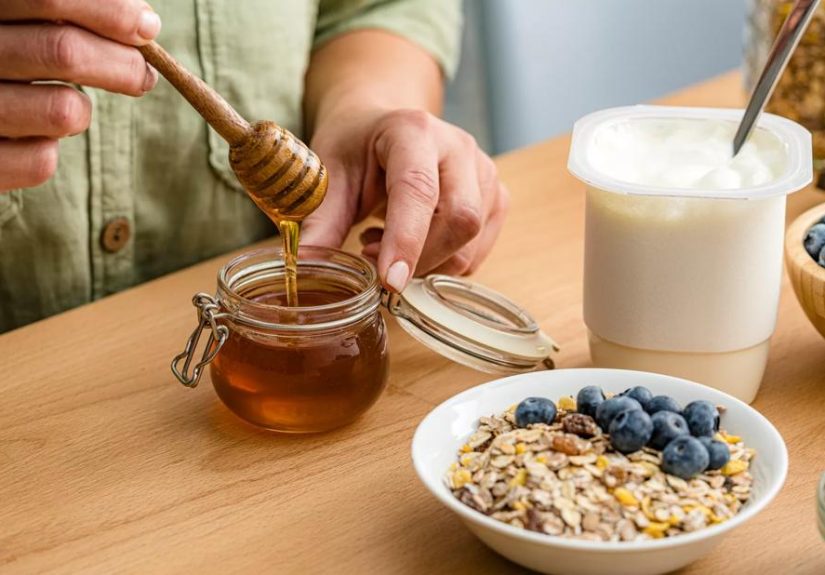
If you sweeten plain Greek yogurt with a small drizzle of honey instead of dumping sugar into a flavored dessert cup, you are not creating a miracle meal. But you may be making a slightly smarter choice. You get sweetness, a more complex flavor, and some plant compounds that refined sugar does not offer.
That is the right way to think about honey: not as medicine in a squeeze bottle, but as a better-informed ingredient.
2. Honey Can Help Soothe Coughs and Sore Throats
This is one of honey’s most practical claims, and it is the one many families know from experience. Honey may help calm coughs, especially nighttime coughs linked to upper respiratory infections. It can also soothe an irritated throat because it coats the tissues and helps reduce that scratchy, sandpaper feeling that makes swallowing feel personal.
In several studies and pediatric guidance sources, honey has been shown to reduce how often coughing happens and how severe it feels at night. That is a big deal, because a miserable nighttime cough does not just keep the sick person awake. It can keep the entire household awake, including the one family member who somehow has an important meeting at 7 a.m.
Honey is often used in warm water, tea, or lemon water, but it can also be taken by the spoonful. Its texture helps coat the throat, while its natural sweetness may trigger salivation and make the throat feel less dry and raw.
Important safety note
Honey should never be given to babies younger than 12 months old because of the risk of infant botulism. For older children and adults, though, it can be a simple home remedy worth keeping around.
3. Medical-Grade Honey Can Support Wound Healing
Here is where honey stops being just a pantry ingredient and starts sounding like it has a side hustle in clinical care. Certain types of medical-grade honey, especially manuka honey used in approved wound dressings, have been used to help support healing in wounds, burns, and ulcers.
Why? Honey has properties that can help create an environment less friendly to bacteria while also helping maintain moisture in the wound area. Some research suggests it may support tissue healing and help manage odor or drainage in specific settings.
That said, this point needs a giant neon disclaimer: medical-grade honey is not the same thing as grabbing random honey from your kitchen cabinet and smearing it on a serious cut. If you have a wound that is deep, infected, slow to heal, or related to diabetes or poor circulation, that is a healthcare issue, not a DIY snack-and-bandage project.
The smart takeaway
Honey has enough clinically relevant properties that it has earned a role in modern wound care products. That alone tells you something important: this is not merely “natural wellness folklore.” There is real scientific interest behind it.
4. Honey May Be a Better Choice Than Refined Sugar in Some Situations
Let’s handle this one carefully, because the internet loves turning “slightly better in context” into “basically a superfood.” Honey is still added sugar. Your body still has to process it. If you eat too much of it, your body will not stand up and applaud your natural lifestyle choices.
Still, honey may be a better choice than refined sugar in some situations. It contains trace micronutrients and bioactive compounds that table sugar lacks. Some research also suggests honey may produce a somewhat different metabolic response than sucrose in certain settings. But the bigger practical advantage is often simpler than that: honey tastes sweeter and more flavorful, so people sometimes use less of it.
That matters. If half a tablespoon of honey gives your oatmeal enough sweetness and flavor while a bigger pour of white sugar would leave it tasting flat and one-dimensional, honey may help you get the taste you want with a smaller amount.
Moderation still rules the hive
If you have diabetes, insulin resistance, or are watching your added sugar intake, honey still counts. It should be measured, not free-poured. The phrase “but it’s natural” does not cancel out carbohydrates.
Think of honey as a useful alternative, not a nutritional loophole.
5. Honey Makes Healthy Foods More Enjoyable
This reason gets overlooked, but it matters in real life. A food does not help you if you never want to eat it. Honey can make wholesome foods more appealing, which can help you stick with better habits over time.
A drizzle of honey can brighten plain yogurt, make oatmeal taste less like an edible sweater, round out a vinaigrette, or balance the bite of grapefruit and berries. It can also help homemade sauces and marinades taste richer without needing a chemistry set of ultra-processed ingredients.
When used well, honey can support a simple rule of healthy eating: make nutritious food taste good enough that you actually want to keep eating it. A small amount in tea, overnight oats, cottage cheese, roasted carrots, or a peanut butter snack can do a lot of flavor work.
Why this matters more than people admit
Long-term healthy eating is not built on punishment. It is built on repeatable choices. If honey helps you eat more plain yogurt instead of sugary dessert cups, more homemade dressings instead of bottled ones, or more whole-grain toast instead of frosted pastries, that is a practical wellness win.
How to Use Honey the Smart Way
Honey is easiest to appreciate when it is used intentionally. A little goes a long way, and that is part of its charm. Here are a few sensible ways to use it:
- Stir a teaspoon into tea when you have a sore throat.
- Drizzle a small amount over plain yogurt with fruit and nuts.
- Use it in homemade vinaigrettes with olive oil and mustard.
- Add a touch to oatmeal instead of loading it with brown sugar.
- Use it in marinades for salmon, chicken, or roasted vegetables.
- Pair it with nut butter for a quick snack that actually feels satisfying.
The main thing is portion awareness. Honey is easy to underestimate because it looks wholesome. So does olive oil, and yet nobody pretends a quarter cup casually “doesn’t count.” Measure first. Your toast will survive.
Who Should Be Careful with Honey?
Honey can be a good food, but it is not perfect for every person in every situation.
Infants under 1 year old
Never give honey to babies under 12 months. This is non-negotiable because of the risk of infant botulism.
People with diabetes or blood sugar concerns
Honey can fit into some meal plans, but it still affects blood glucose. Portion control matters, and some people may need guidance from a healthcare professional or dietitian.
People with pollen or bee-related sensitivities
Reactions are uncommon, but they can happen. Anyone with a history of allergy concerns should be cautious.
Anyone treating a wound at home
Minor scrapes are one thing. Serious wounds, burns, ulcers, and infections need proper medical care. Use wound products designed for clinical use when appropriate, not random pantry improvisation.
Real-Life Experiences with Honey: What People Often Notice
One reason honey remains popular is that the experience of using it feels practical, not theoretical. People do not usually reach for honey because they memorized a journal abstract. They reach for it because life gets busy, throats get scratchy, breakfasts get boring, and the body sometimes wants comfort that does not come in a neon wrapper.
A very common experience starts with a cold. Someone makes warm tea, adds a spoonful of honey, and notices that swallowing suddenly hurts less. The relief is not dramatic in a movie-scene way. It is quieter than that. The throat feels coated, the coughing eases a little, and bedtime becomes less of a battle. Often that small comfort is exactly what makes honey feel useful rather than trendy.
Another common experience happens in the kitchen. People who switch from heavily sweetened packaged foods to more basic meals often find that plain yogurt, oatmeal, or toast feels a little too plain at first. Honey becomes a bridge. It adds enough sweetness and flavor to make simple foods enjoyable, which helps people stick with better habits long enough for their taste buds to catch up. In that sense, honey often works less like a “health product” and more like a smart transition tool.
Some people also notice that different kinds of honey feel surprisingly different. A light clover honey may disappear gently into tea, while a darker buckwheat honey tastes bold, earthy, and almost dramatic. That stronger flavor can make people use less, which is a practical advantage if they are trying to cut back on sugar without making food taste sad.
There is also the experience of rediscovering homemade food. A spoonful of honey in salad dressing, roasted vegetables, or a marinade can make a home-cooked meal taste more balanced and restaurant-worthy. When food tastes good, people are more likely to cook again. That may sound obvious, but it is one of the most underrated parts of nutrition. The healthiest meal plan in the world is useless if it feels like edible punishment.
Then there is the emotional side. Honey has a comfort factor. It is associated with tea when you are sick, warm toast on slow mornings, and recipes passed through families. That does not make it medically superior, but it does make it easier to use consistently and enjoy in moderation. And moderation is where honey shines best. Most people who use it well are not eating giant amounts. They are using a little to do a lot, which is honestly a pretty good life strategy in general.
Final Thoughts
So, is honey good for you? Yes, in real and sensible ways. It offers antioxidant compounds, may help soothe coughs and sore throats, has legitimate medical uses in wound care, and can be a more interesting alternative to refined sugar when used thoughtfully. It also helps healthy foods taste better, which may be one of its most underrated benefits.
But honey is not a free pass. It is still sugar-heavy, still something to measure, and definitely not safe for infants under 1 year old. The healthiest way to use honey is not to treat it like a miracle cure. It is to treat it like a smart ingredient with real strengths, clear limits, and a very strong public image.
In other words, honey deserves a place in the pantry. Just maybe not its own fan club.
SEO Tags
Note: Honey can be a helpful part of a balanced diet, but it is not a miracle cure. Never give honey to babies younger than 12 months, and use medical-grade products, not pantry honey, for serious wound care.