Table of Contents >> Show >> Hide
- Why Manhattan Brownstones Make Such Great Garden Canvases
- The Real-Life Inspiration: A Black-and-White Garden on the Upper East Side
- Planting for Manhattan Reality: What Actually Thrives
- The Unsexy Secrets: Weight, Wind, Water, and Drainage
- Rules and Reality Checks: Historic Districts, Permits, and Common Sense
- How to Recreate the Look: A Simple, High-Impact Formula
- What You Gain: More Than Pretty Plants
- of Experience: A Day With a Blooming Manhattan Brownstone
- Conclusion
Manhattan brownstones have a reputation: dignified facades, iconic stoops, and a certain “don’t touch my railing” energy.
But every so often, one decides to break charactersoftening all that architectural seriousness with flowers, foliage,
and a little strategic overgrowth (the good kind). The result is a rare New York miracle: a home that feels both
impeccably composed and joyfully alive, like it just got back from a weekend upstate and refuses to stop talking about it.
This is the storyand the practical blueprintof what happens when a classic Manhattan townhouse leans into plants.
Not in a “one sad basil pot” way, but in a layered, seasonally evolving, curb-appeal-with-a-point-of-view kind of way.
Think window boxes that actually look intentional, terrace planters that don’t dry out by lunchtime, and greenery that
makes the whole block feel a little calmer (even if the sirens refuse to participate).
Why Manhattan Brownstones Make Such Great Garden Canvases
A brownstone’s charm isn’t just the famous front steps. It’s the verticality: stacked floors, iron railings, ledges,
balconies, and terraces that practically beg for containers and climbers. In a city where square footage is treated like
a rare gemstone, brownstones offer something pricelessmultiple outdoor “moments,” even if each one is small.
Historically, many “brownstones” aren’t built entirely from brownstone; they’re often brick structures with a brownstone
veneer. That detail matters because it explains both the look (warm, earthy, classic) and the maintenance realities
(weathering is real, and so is gravity). In garden terms, it’s a reminder to respect the building: anchor planters safely,
protect masonry, and let the plants flatter the architecture instead of fighting it.
The other secret weapon is microclimate. City gardens don’t behave like suburban gardens. Heat radiates from sidewalks,
wind tunnels appear where you least expect them, and shade can shift dramatically depending on neighboring buildings.
Done right, those quirks become advantages: a protected corner becomes a cozy herb zone; a sunny ledge turns into a
flower runway; a back patio becomes a private green room.
The Real-Life Inspiration: A Black-and-White Garden on the Upper East Side
One of the most striking takes on “blooming brownstone” style comes from a Manhattan townhouse garden designed with a
crisp, city-smart palette: dark planters and trim, lush foliage, and blooms chosen for contrast and texture instead of
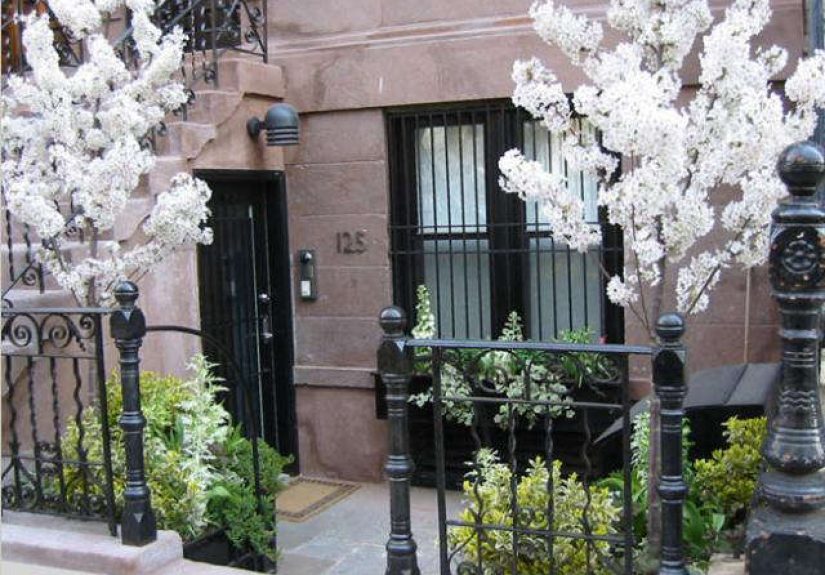
chaotic color. The front is introduced by flowering trees that politely disagree with the idea that brownstones are “drab,”
then the plantings build in layersevergreen structure, trailing edges, and seasonal swaps that keep things fresh without
starting from scratch every time.
The approach is also refreshingly honest about how New Yorkers actually use outdoor space. A balcony isn’t just a photo
backdropit’s a reading nook. A terrace isn’t just for “someday entertaining”it’s where dinner happens, where friends
gather, where someone inevitably says, “Wait, this is still Manhattan?” Privacy isn’t achieved with fortress walls, but
with smart screeningthink tall, dense plantings that soften views and absorb the sense of being watched by seventeen windows.
Signature moves worth stealing
- A cohesive color story: glossy dark planters or a matched paint tone that echoes the trim.
- An evergreen backbone: low, reliable plants that hold the design together year-round.
- “Spill the edges” planting: trailing ivy and creepers that soften hard lines.
- Height with restraint: airy flowering stems that “float” above the mounded foliage.
- Functional furniture zones: seating that invites real use, not just staged optimism.
Planting for Manhattan Reality: What Actually Thrives
New York City sits in USDA hardiness Zone 7b, which is a helpful baseline when choosing perennials and woody plants.
But the best brownstone gardens don’t rely on zone labels alonethey plan for containers (which get colder in winter),
wind exposure (especially on higher floors), and summer heat that can turn a terrace into a skillet.
Front stoop + window boxes: curb appeal that doesn’t quit
The front of a brownstone is your building’s handshake. If it looks inviting, everything feels betterpackages, visitors,
and yes, even the neighbor who “borrowed” your recycling bin in 2019 and never emotionally recovered.
- Evergreen structure: compact junipers, small conifers, or hardy evergreen shrubs in containers.
- Trailing softness: ivy varieties, creeping euonymus, or other spillers for a draped effect.
- Seasonal flair: ornamental cabbages in cool weather; heat-tolerant annuals in summer.
- Foliage contrast: coral bells (heuchera) are a reliable way to add depth and color without relying on blooms.
Window boxes are especially effective on brownstones because they add life at eye level without taking up sidewalk space.
The key is not treating them like tiny flower beds. They’re closer to living centerpieces: compact, composed, and designed
to look good from the street and from inside the house.
Balcony + terrace containers: the “outdoor room” approach
A terrace is where the brownstone garden can get cinematic. You can layer height, add fragrance, grow herbs, and still keep
the look tailored. Containers also make it easy to adjust as conditions changebecause Manhattan will absolutely change the
conditions, without consulting you.
- Herbs that earn their rent: sage and lemon thyme hold up well and look good doing it.
- Statement trees (in moderation): a Japanese maple cultivar can add drama without taking over the whole terrace.
- Architectural greens: conifers or upright evergreens add year-round presence and structure.
- Airy bloom “wands”: verbena can provide that floating, weightless look above denser foliage.
Privacy screening that still feels like a garden
Manhattan privacy is rarely about total invisibility. It’s about softening sightlines and creating the feeling of retreat.
Tall plant screens can helpespecially fast-growing options in containerswithout turning the space into a walled bunker.
Bamboo can be used as a dense screen in some designs, but it needs thoughtful containment and maintenance. If the idea of
“vigorous grower” makes you nervous (and it should), consider tall ornamental grasses in planters, columnar evergreens, or
trellises with controlled climbers instead.
The Unsexy Secrets: Weight, Wind, Water, and Drainage
The difference between a thriving brownstone garden and a crispy, half-regretful one usually comes down to boring basics.
The good news: boring basics are extremely learnable.
1) Weight is real (and gets heavier when watered)
A fully planted window box can be surprisingly heavysoil, mature plants, and then water on top of that.
Use proper brackets and hardware, avoid flimsy supports, and choose materials that hold up to weather.
When in doubt, go smaller, sturdier, and better-mounted rather than bigger and riskier.
2) Wind changes everything above street level
Balconies and roof-adjacent terraces can behave like wind tunnels. Wind dries containers quickly and can snap tall blooms.
Use heavier pots for stability, tuck taller plants near walls or screens, and consider flexible stakes for anything upright.
3) Drainage is non-negotiable
Containers must drain. Period. If water can’t escape, roots suffer, and the garden becomes an expensive lesson in plant
disappointment. Choose planters with drainage holes, protect surfaces beneath them, and avoid packing the bottom with
“drainage rocks” as a miracle curegood potting mix and proper holes do the heavy lifting.
4) Watering is a schedule, not a vibe
In summer, containers may need daily watering, especially in sun and wind. Water deeply until it runs out the bottom,
then let the top layer dry slightly before the next round. For busy weeks (or realistic New York lifestyles), drip
irrigation on a timer can be the difference between “lush oasis” and “crispy salad bar.”
5) Feed the plants like they have ambitions
Container plants run out of nutrients faster than in-ground beds. A slow-release fertilizer mixed into the potting mix,
plus occasional supplemental feeding during the growing season, keeps foliage full and blooms coming.
Rules and Reality Checks: Historic Districts, Permits, and Common Sense
Many Manhattan brownstones are in historic districts, which can affect what you’re allowed to change on visible exteriors.
If your plan involves anything beyond standard planterslike altering railings, installing new exterior features, or
changing prominent façade elementsdouble-check local requirements. The same goes for larger structural outdoor work.
Beyond compliance, there’s a practical city rule: anything above the sidewalk must be secured like it’s trying to survive
both weather and gravity. Planters should be stable. Brackets should be rated. And nothing should be able to slip, tilt,
or tumble when a delivery person bumps the railing while carrying a suspiciously large box labeled “FRAGILE.”
How to Recreate the Look: A Simple, High-Impact Formula
A blooming brownstone looks layered and luxurious, but the design logic is surprisingly straightforward. Here’s a formula
that works whether you have one window box or a full terrace.
-
Pick a palette.
Choose two neutrals plus one accent (for example: black planters, silvery-green foliage, and purple blooms). -
Build the evergreen backbone.
Use one or two reliable perennials or small shrubs per container that stay attractive most of the year. -
Add height and air.
Include an upright plant or flowering stem that lifts the eye without blocking views. -
Fill it in.
Use mounding foliage plants to make the container look full and intentional. -
Finish with spillers.
Trailing plants soften edges and make everything feel abundant, not boxed-in. -
Plan the seasonal swap.
Swap one layer (usually the seasonal accent plants) instead of rebuilding the whole container.
What You Gain: More Than Pretty Plants
A blooming brownstone does something subtle but powerful: it changes how the block feels. The stoop becomes friendlier.
The terrace becomes usable. The building feels cared for, and that care radiates outward. Even passersby benefit
because beauty on a city street is public service, whether or not anyone filed the paperwork.
It also reframes “city gardening” as a design tool, not just a hobby. Plants can provide privacy, reduce harsh lines,
add fragrance, attract pollinators, and make the outdoor spaces of a townhouse feel like rooms with purpose.
In Manhattan, that’s not decoration. That’s strategy.
of Experience: A Day With a Blooming Manhattan Brownstone
Morning starts with the quiet flex of a brownstone garden: it looks like it woke up early, even if nobody did.
The window boxes are doing their best work at street levelfresh, full, and slightly smug about it. From the sidewalk,
the plants read like a welcoming sign that doesn’t require words. Trailing foliage softens the iron railings and makes the
facade feel less like “private property” and more like “yes, life happens here.”
The city is loud, obviously. Trucks rumble. Someone is already negotiating with a coffee lid. But the plants create a
buffer, not by blocking sound (they’re not magical), but by giving your eyes something gentle to hold onto. The greenery
acts like a visual exhale. It’s the difference between staring at pure stone and staring at stone that’s been
complimented properly.
Midday is when you learn what Manhattan sun really means. Light bounces off windows and turns a terrace into a bright box.
This is where good planning pays off: pots that don’t tip, soil that doesn’t bake into a brick, and plants that can handle
the heat without looking personally offended. If the garden is designed well, it still looks lush at 2 p.m.not droopy,
not fried, not begging for a rescue mission involving three watering cans and a guilty conscience.
And then there’s the windbecause upper floors always get opinions from the weather. Tall blooms sway like they’re in a
music video, and anything flimsy reveals itself instantly. The best brownstone terraces anticipate this. They use heavier
containers, tuck delicate plants into sheltered corners, and treat screening like part of the design instead of a panic
purchase. Privacy is achieved with a soft green wall of leaves, not a hard “do not perceive me” barrier.
Late afternoon is the social hour, whether you planned it or not. A neighbor pauses on the way home. Someone asks what’s
in the window box. A delivery person slows down just long enough to look at the flowers and then remembers they have
sixteen more stops. The garden becomes a tiny neighborhood landmark. Not the annoying tourist kindthe charming kind that
makes people smile for half a second before continuing their very New York mission.
Evening is when the whole thing feels most like a secret. The terrace lights flick on, and the plants catch just enough
glow to look dramatic without trying too hard. The herbs smell like dinner plans. The furniture finally earns its keep.
And the best part? The garden doesn’t feel like an extra task. It feels like a room that happens to be outsideone that
makes the city feel a little less intense, and the home feel a lot more alive.
Conclusion
A blooming brownstone in Manhattan isn’t about having the biggest gardenit’s about using every inch with intention.
Start with a clear palette, build an evergreen backbone, and let seasonal plants do the fun, flexible work.
Prioritize drainage and watering, respect the building (and the rules that come with it), and you can turn a classic
townhouse exterior into something genuinely transporting: a curbside welcome, a terrace retreat, and a daily reminder that
the city can be beautiful on purpose.