Table of Contents >> Show >> Hide
- What Is a Blueberry Dutch Baby Pancake?
- Ingredients for the Perfect Blueberry Dutch Baby
- Step-by-Step: How to Make a Blueberry Dutch Baby Pancake
- Tips for a Tall, Puffy Dutch Baby
- Flavor Variations and Topping Ideas
- Nutrition Snapshot and Lighter Swaps
- Frequently Asked Questions
- Final Thoughts
- Real-Life Experiences with Blueberry Dutch Baby Pancakes
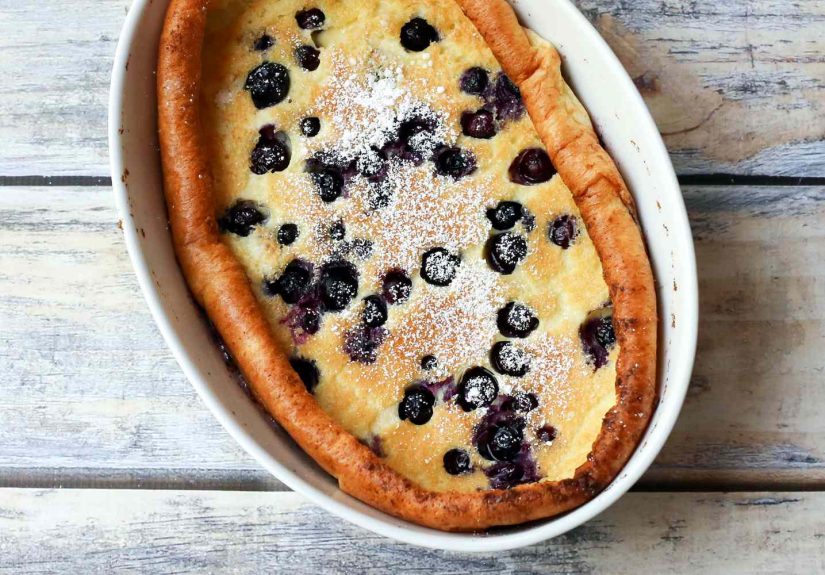
If regular pancakes are the reliable friend, a Blueberry Dutch Baby pancake is the dramatic cousin who shows up late and steals the show. Huge puffed edges, custardy center, pockets of juicy blueberries, a dusting of powdered sugarit looks like it took all morning, but it’s actually one of the easiest brunch recipes you can make. All you need is a blender, a hot oven, a trusty cast-iron skillet, and about 25 minutes.
In this guide, we’ll walk through exactly how to make a blueberry-studded Dutch Baby, why the pan needs to be blazing hot, how to get that sky-high rise, and a few smart tweaks to lighten it up or make it extra indulgent. By the time you’re done, you’ll be ready to swap your usual stack of pancakes for this oven-baked showstopper.
What Is a Blueberry Dutch Baby Pancake?
A Dutch Baby pancakealso known as a German pancake, Dutch puff, or Bismarckis essentially a giant popover baked in a skillet. The batter is super simple: eggs, milk, flour, sugar, and a little vanilla and salt. Unlike regular pancakes, there’s no baking powder or baking soda. All the lift comes from steam and eggs in a very hot pan and oven.
The dish became popular in the early 1900s at a Seattle restaurant called Manca’s Café, where they baked an eggy, German-style pancake in the oven instead of on a griddle. The story goes that one of the owner’s daughters mispronounced “Deutsch” (German) as “Dutch,” and the name stuck.
A Blueberry Dutch Baby pancake is simply a classic Dutch Baby with fresh or frozen blueberries baked right into the batter. The berries burst in the oven, making jammy pockets of sweetness that pair beautifully with lemon, maple syrup, and a shower of powdered sugar. It looks fancy, tastes like dessert, and still counts as breakfast. Win-win.
Ingredients for the Perfect Blueberry Dutch Baby
Here’s a reliable ingredient list for a 10-inch cast-iron skillet or oven-safe pan (serves 3–4 as a main, 6 as part of a bigger brunch spread).
For the batter
- 3 large eggs (room temperature if possible)
- 1/2 cup whole milk (room temperature helps with puff)
- 1/2 cup all-purpose flour, spooned and leveled
- 2 tablespoons granulated sugar
- 1 teaspoon pure vanilla extract
- 1/4 teaspoon fine sea salt
- 1 teaspoon finely grated lemon zest (optional but highly recommended)
For the pan and blueberries
- 3 tablespoons unsalted butter
- 1 to 1 1/4 cups fresh blueberries (or frozen, unthawed)
For serving
- Powdered sugar, for dusting
- Lemon wedges, for squeezing
- Maple syrup or honey
- Extra blueberries or mixed berries
This formula mirrors many popular Dutch Baby recipes that rely on a roughly 1:1 ratio of flour to milk plus plenty of eggs for structure, with blueberries and lemon added for brightness.
Step-by-Step: How to Make a Blueberry Dutch Baby Pancake
1. Preheat the oven and skillet
Place a 10-inch cast-iron skillet (or similar oven-safe pan) on the center rack of your oven. Preheat to 425°F (220°C). Let the skillet heat with the oventhis usually takes 15–20 minutes.
This preheating step is crucial. A very hot pan and oven kickstart the puffing, similar to popovers and Yorkshire pudding. Most Dutch Baby experts recommend a preheated skillet for maximum height.
2. Blend the batter
While the oven heats, add the eggs, milk, flour, sugar, vanilla, salt, and lemon zest to a blender. Blend on medium until completely smooth, 20–30 seconds. Let the batter rest on the counter while the oven finishes heating.
Using room-temperature eggs and milk helps the batter puff more quickly and dramatically; many recipes highlight this as a key success tip.
3. Add butter and blueberries to the hot pan
Once the oven reaches 425°F, carefully remove the hot skillet (use heavy oven mitts). Add the butter and swirl until it melts and coats the bottom and sides of the pan.
Sprinkle the blueberries evenly over the melted butter. They should sizzle a bit as they hit the hot surfacethat’s your sign the pan is ready.
4. Pour in the batter and bake
Give the batter a quick blend or whisk to recombine, then pour it smoothly over the blueberries in the hot skillet. Work quickly so the pan stays hot.
Return the skillet to the oven and bake for 15–20 minutes, without opening the oven door. The pancake will puff up dramatically, especially around the edges, and turn golden-brown. Many recipes note that opening the door too early can cause the Dutch Baby to collapse before it’s set, so peek through the oven window instead of cracking the door.
5. Serve immediately
When the pancake is puffed and cooked through in the center (no wet, shiny batter), remove the skillet from the oven. The Dutch Baby will deflate as it coolsthat’s normal and part of its charm.
Dust generously with powdered sugar, add a squeeze of lemon, drizzle with maple syrup, and top with extra blueberries. Slice into wedges and serve right away while it’s still warm and slightly crisp on the edges.
Tips for a Tall, Puffy Dutch Baby
Want bragging rights and Instagram-worthy puff? Keep these tricks in mind:
- Use room-temperature ingredients. Cold eggs and milk cool the batter and slow down the steam that makes it puff. Let them sit out 20–30 minutes before blending.
- Preheat the skillet thoroughly. Several trusted recipes emphasize preheating a cast-iron pan so the batter starts cooking and puffing on contact.
- Blend until smooth. A silky batter means fewer dense spots and a more even rise.
- Don’t skip the fat. Butter not only prevents sticking; it also helps crisp the edges and adds flavor. Some versions use clarified butter or slightly more butter for an even richer result.
- Avoid opening the oven door. Sudden temperature drops can deflate the pancake before the structure sets.
- Serve immediately. Like a soufflé, a Dutch Baby peaks the moment it leaves the oven. Have plates, forks, and hungry people ready.
Flavor Variations and Topping Ideas
Blueberries and lemon are a classic pairing, but once you’ve mastered the basic blueberry Dutch Baby, you can easily change things up:
- Berry medley Dutch Baby: Combine blueberries with raspberries, blackberries, or sliced strawberries for a mixed-berry version similar to many “fresh berries” Dutch Baby recipes.
- Lemon-blueberry overload: Increase the lemon zest in the batter and finish with a simple lemon glaze (powdered sugar + lemon juice) instead of maple syrup. Many popular recipes lean heavily into lemon for brightness.
- Nutty crunch: Sprinkle sliced almonds or chopped pecans over the batter along with the blueberries for extra texture.
- Lightened-up topping: Instead of syrup, top slices with Greek yogurt, extra blueberries, and a drizzle of honey. Some nutrition-focused recipes highlight Greek yogurt and moderate sugar to keep calories in check.
- Mini Dutch Babies: Bake the batter in a well-greased muffin tin, dropping a few blueberries into each cup. This mini format is popular for crowds and kids.
Nutrition Snapshot and Lighter Swaps
Depending on portion size and how generous you are with toppings, a slice of blueberry Dutch Baby typically lands in the range of 200–300 calories per serving, with moderate fat from butter and eggs, carbohydrates from flour and fruit, and a bit of protein. Some blueberry Dutch Baby recipes clock in around 200–244 calories per serving, while richer versions with more butter can be higher.
If you’d like a slightly lighter or more nutrient-dense take:
- Use less sugar. You can cut the batter sugar down to 1 tablespoon, especially if you plan to add syrup.
- Balance toppings. Greek yogurt or skyr adds protein and creaminess without too much added sugar.
- Swap some flour. Substitute up to 1/4 of the all-purpose flour with white whole wheat flour for a small fiber boost while maintaining tenderness.
- Portion smartly. Pair a wedge of Dutch Baby with eggs or turkey sausage to create a more balanced breakfast, rather than treating it as the entire meal.
Frequently Asked Questions
Can I use frozen blueberries?
Yes. Use them straight from the freezerdo not thaw first, or they’ll release too much liquid and turn the batter grayish. If you’re worried about color bleeding, you can scatter frozen berries over the batter after you pour it into the pan.
What if I don’t have a cast-iron skillet?
A heavy, oven-safe 9–10 inch metal or ceramic pan works too. Just make sure it can handle a 425°F oven and that you preheat the pan before adding butter and batter, like you would with cast iron.
Why did my Dutch Baby not puff?
The usual suspects are:
- Oven or pan not hot enough
- Cold eggs and milk
- Too much batter in too small a pan
- Opening the oven door early
Fix those, and your next one should rise proudly.
How do I reheat leftovers?
A Dutch Baby is best fresh, but you can reheat slices in a 325°F oven or toaster oven for 5–8 minutes. The texture won’t be as puffy, but it will still taste great.
Final Thoughts
A Blueberry Dutch Baby pancake gives you all the brunch drama with very little effort: one pan, one blender, minimal dishes, maximum “wow.” It’s endlessly customizable, surprisingly light for how indulgent it tastes, and flexible enough to serve as a cozy weekend breakfast, a special-occasion brunch centerpiece, or even a dessert with ice cream.
Once you’ve nailed the basic techniquehot skillet, smooth batter, no peeking in the ovenyou can riff with different fruits, toppings, and flavors. But even in its simplest blueberry-and-lemon form, this Dutch Baby is likely to become a household favorite.
Real-Life Experiences with Blueberry Dutch Baby Pancakes
The first time you make a Blueberry Dutch Baby, there’s a good chance you’ll spend the last few minutes of baking standing in front of the oven like you’re watching a movie trailer. At first, nothing happens. Then suddenly the edges climb up the sides of the skillet, the center billows, and the pancake transforms from a thin pool of batter into something that looks like it belongs on a bakery display.
Many home cooks who’ve shared their experiences with Dutch Baby pancakes say the same thing: it feels “fancy,” but it’s actually easier than making a full stack of pancakes on the stove. You’re not tied to the griddle flipping batch after batch while the first ones get cold. Instead, you blend, pour, and let the oven do the work while you make coffee, set the table, or hunt down the maple syrup someone mysteriously put back in the fridge without a cap.
Blueberries make the experience even better. They tuck into the batter and soften as they bake, creating little pockets of jammy sweetness. If you’ve ever fought over the “berry-heavy” corner of a muffin pan, you’ll appreciate how the berries naturally migrate and concentrate in certain spots. Some people like to scatter extra blueberries on top after baking for contrastwarm, soft berries inside and fresh, juicy berries on top.
Another common theme among Dutch Baby fans is how kid-friendly the process is. Children can help measure flour, crack eggs (with supervision and probably a bit of shell-rescue), and count out blueberries. The big reveal when the pancake comes out of the oven is basically live kitchen theater. Even picky eaters are more curious about trying a breakfast that looks like a cross between a giant popover and a fruit tart.
Entertaining-wise, a Blueberry Dutch Baby is a secret weapon. You can prep the batter ahead of timeblend it the night before and keep it in the fridge. The next morning, preheat the skillet, give the batter a quick stir, pour, and bake. Guests get a dramatic, golden, puffed pancake with minimal last-minute effort on your part. Pair it with a simple side of scrambled eggs or a breakfast sausage platter, and you have a complete brunch that feels special without being complicated.
There’s also something satisfying about how flexible this dish is. A smaller wedge with yogurt and extra berries makes a light weekday breakfast if you happen to have leftovers. A larger slice with whipped cream, a drizzle of chocolate, or a scoop of vanilla ice cream turns it into an easy dessert. Some people even like to tweak the batter with a bit less sugar and top it with smoky bacon or chicken apple sausage to balance sweet and savory.
Over time, you’ll probably develop small personal rituals around your Blueberry Dutch Baby routine. Maybe you always zest a lemon straight into the blender because that aroma means “weekend.” Maybe you preheat the skillet while you grind coffee beans so both are ready at the same time. Maybe you have a favorite cast-iron pan that feels practically offended if you use it for anything else.
However your routine evolves, the core experience tends to stay the same: a few minutes of simple prep, a brief suspenseful wait, a dramatic puff, and a table full of people saying, “You made this? It looks like it came from a restaurant.” And honestly, that’s one of the best reasons to keep a blueberry Dutch Baby in your breakfast rotation.