Table of Contents >> Show >> Hide
- Why Activities Matter in Alzheimer’s Care
- How to Choose the Right Activities
- Best Activities to Do With a Loved One Who Has Alzheimer’s
- 1. Listen to music and sing together
- 2. Look through photo albums and memory boxes
- 3. Take short walks
- 4. Try simple kitchen tasks
- 5. Fold laundry or sort household items
- 6. Garden or care for houseplants
- 7. Do art without making it complicated
- 8. Play simple games and puzzles
- 9. Read aloud
- 10. Watch birds, pets, or everyday life
- 11. Go on short, familiar outings
- 12. Use sensory comfort activities
- Activities for Different Stages of Alzheimer’s
- Tips to Make Activities More Successful
- What Caregivers Often Learn the Hard Way
- Real-Life Experiences: What These Moments Can Feel Like
- Conclusion
Spending time with a loved one who has Alzheimer’s can feel a little like planning a road trip where the map keeps changing. One day, a card game goes great. The next day, the same game gets a hard no, a puzzled look, and possibly a dramatic sigh worthy of an award show. That does not mean the connection is gone. It means the approach has to change.
The best Alzheimer’s activities are not about keeping score, forcing “brain games,” or turning every afternoon into a productivity seminar. They are about comfort, dignity, familiarity, and moments of genuine enjoyment. The right activity can ease anxiety, support routine, spark memory, and help your loved one feel less like a patient and more like themselves.
If you are looking for meaningful things to do together, this guide covers practical, low-pressure ideas that work in real life. Some are active, some are soothing, and some are gloriously simple. Because sometimes the most successful activity is not a grand outing. Sometimes it is folding towels while listening to Frank Sinatra and calling that a win. Which, frankly, it is.
Why Activities Matter in Alzheimer’s Care
Meaningful engagement can help people with Alzheimer’s feel calmer, more connected, and more confident. Familiar routines and enjoyable tasks may reduce boredom, lower stress, and create a stronger sense of purpose. Activities also give families something precious: a way to spend time together that is not centered only on appointments, medications, or what has changed.
That matters more than many caregivers realize. When memory changes, relationships can start to feel like they revolve around correction and supervision. Activities help shift the mood. Instead of asking, “Do you remember?” you get to ask, “Want to help me water the plants?” That is a much kinder question. It also tends to get better results.
How to Choose the Right Activities
Start with what your loved one already liked
If they always loved music, begin there. If they were happiest outside, try a short walk or simple gardening. If they liked cooking, let them stir batter, wash vegetables, or set napkins on the table. Familiar interests are usually more successful than random new hobbies introduced like a surprise enrichment program.
Match the activity to today’s ability, not last year’s ability
This is the golden rule. A person who once loved complex quilting may still enjoy sorting fabric by color. A former bridge champion may now prefer matching cards or playing a simpler game. The goal is not to recreate past performance. The goal is to create a good moment right now.
Keep it simple and flexible
Choose activities with a clear beginning, middle, and end. Shorter is often better. If attention fades after ten minutes, that is not failure. That is useful information. End while things are still going well when you can.
Watch mood, energy, and timing
Many people with Alzheimer’s do better at certain times of day. If mornings are calmer, schedule walks, art, or outings then. If late afternoon brings confusion or irritability, switch to soothing activities like music, hand massage, or looking through photos.
Focus on enjoyment, not achievement
No gold stars are required. No one needs to paint a masterpiece, finish the whole puzzle, or win at bingo. If the activity brings comfort, laughter, conversation, or even a few peaceful minutes, it is doing its job.
Best Activities to Do With a Loved One Who Has Alzheimer’s
1. Listen to music and sing together
Music is one of the most reliable dementia-friendly activities because it reaches emotion and long-term memory in a powerful way. Play favorite songs from your loved one’s teens, twenties, or early adult years. Create a playlist for calming down, another for energy, and another for familiar sing-alongs.
You do not need a perfect voice. In fact, a slightly off-key family chorus can be part of the charm. Singing, clapping, tapping to the beat, or simply swaying in a chair can make the activity feel natural and pressure-free.
2. Look through photo albums and memory boxes
Reminiscence activities are often especially meaningful. Pull out photo albums, postcards, recipe cards, military memorabilia, ticket stubs, or small keepsakes from family life. Let your loved one tell the story in their own way. Accuracy is less important than engagement.
Ask open-ended questions such as, “Tell me about this day,” or “Who do you think everyone was having fun with here?” Avoid quizzes disguised as conversation. Nobody enjoys surprise pop exams, especially at the kitchen table.
3. Take short walks
A walk is one of the best all-around activities for Alzheimer’s care. It adds movement, sunlight, routine, and a change of scenery without requiring complicated instructions. A short daily walk around the block, through a park, or even in a garden path can improve mood and help burn off restless energy.
Keep the route familiar, bring water, and choose quieter times if crowds are stressful. If walking outdoors is not practical, even a few laps indoors or time on a porch can still feel refreshing.
4. Try simple kitchen tasks
Cooking-related activities can tap into long-practiced habits and give a strong sense of purpose. Your loved one might wash fruit, stir cookie dough, butter bread, sort ingredients, tear lettuce, or help set the table. The smell of cinnamon, coffee, soup, or fresh toast can also be comforting and sensory-rich.
Keep safety front and center. Skip sharp knives, hot pans, and anything likely to create confusion. Think participation, not culinary Olympics.
5. Fold laundry or sort household items
This one sounds boring until you try it and realize it works surprisingly well. Folding towels, pairing socks, sorting buttons, stacking washcloths, or organizing greeting cards can feel soothing and purposeful. Repetitive tasks can be calming because they are familiar and manageable.
If your loved one used to be the kind of person who proudly ran a household with military precision, this may feel especially natural. Even if the towels end up folded in a style best described as “abstract,” the process still matters.
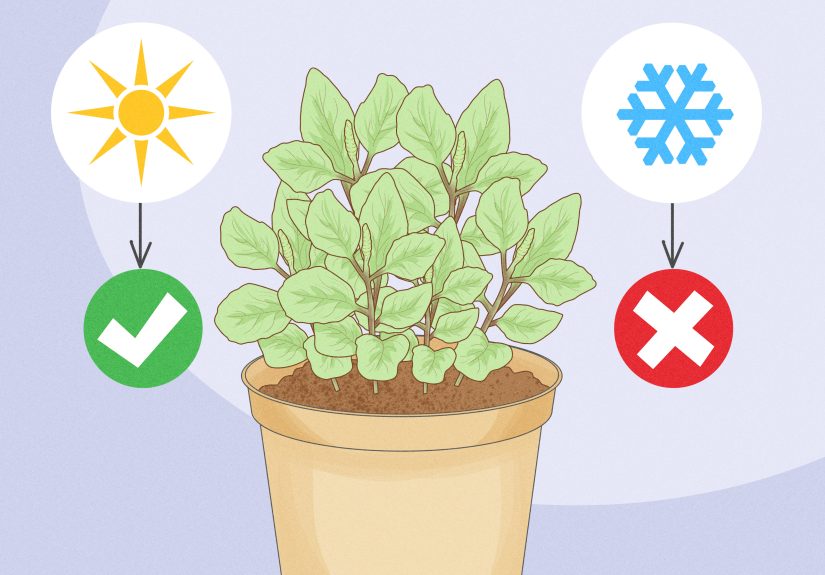
6. Garden or care for houseplants
Gardening is a great Alzheimer’s activity because it combines movement, sensory stimulation, and visible results. Your loved one can water flowers, deadhead blooms, plant herbs in pots, touch leaves with different textures, or help arrange cut flowers in a vase.
If outdoor gardening feels like too much, try indoor plants on a windowsill. The activity can be as small as misting a fern or as involved as replanting basil. Nature has a way of lowering the emotional volume in a room.
7. Do art without making it complicated
Art can be calming, expressive, and surprisingly fun when you remove the pressure to “be good at it.” Try watercolor sets, coloring pages, clay, collage, stickers, or simple drawing prompts. The point is not technique. The point is creating something with the hands and enjoying the moment.
Choose supplies that are easy to handle and not too messy. Large crayons, thick markers, and pre-cut materials are often easier than tiny fiddly tools. Praise participation, not precision.
8. Play simple games and puzzles
Games can still work well when adapted. Think checkers, dominoes, matching games, large-piece puzzles, or familiar card games with simplified rules. Some people enjoy sorting cards by suit or color more than playing the full game, and that is completely fine.
The trick is to notice when a game feels satisfying versus frustrating. If rules become stressful, strip them down. If competition creates tension, make it cooperative. You are building connection, not hosting game night at a casino.
9. Read aloud
Reading together can be wonderfully calming. Try short poems, devotionals, favorite children’s books, familiar Bible passages, magazine articles with photos, or even old family letters. Many people can still enjoy the rhythm of language even if following a long novel is difficult.
Pause often, comment on the pictures, and let conversation wander. The goal is shared attention, not finishing a chapter on schedule.
10. Watch birds, pets, or everyday life
Not every activity needs to involve “doing” something. Quiet observation can be deeply soothing. Sit by a window and watch birds at a feeder. Spend time petting a calm dog. Sit on the porch and notice neighbors walking by, kids playing, or clouds moving overhead. These moments can offer gentle stimulation without overload.
11. Go on short, familiar outings
In earlier stages of Alzheimer’s, many people still enjoy going out. A favorite diner, a quiet park, a scenic drive, a small museum, a garden center, or a family gathering with only a few people may all be good options. The best outings are predictable, not too long, and timed for when your loved one is usually at their best.
Have a simple exit plan. Bring essentials. And never underestimate the value of cutting an outing short while everyone is still smiling.
12. Use sensory comfort activities
On harder days, shift from active tasks to calming sensory experiences. Try a soft blanket, gentle hand lotion, familiar scents, nature sounds, white noise, or a hand massage if your loved one enjoys touch. These activities can be especially helpful in later stages or during periods of agitation.
Even just sitting nearby, holding a hand, and playing soft music can be meaningful. Presence counts as an activity too.
Activities for Different Stages of Alzheimer’s
Early stage
People in the early stage may still enjoy outings, cooking, walking, music, community events, and light household tasks. They may want more independence and may be able to help plan the activity. This is a good time to focus on what still feels familiar and enjoyable.
Middle stage
At this stage, shorter and simpler activities usually work best. Folding, sorting, singing, looking at photos, easy art, brief walks, and sensory activities often feel more manageable. Extra structure and fewer distractions help.
Late stage
In later stages, comfort and connection matter most. Music, touch, storytelling, photos, prayer, nature sounds, and simply sitting together can still be meaningful. The response may be subtle, but it still matters. A relaxed face, a squeeze of the hand, or a calmer breathing pattern can tell you plenty.
Tips to Make Activities More Successful
- Give one instruction at a time.
- Reduce background noise and clutter.
- Offer two simple choices instead of open-ended questions.
- Demonstrate the task first when possible.
- Keep supplies visible and easy to reach.
- Stop before frustration snowballs.
- Praise effort warmly and often.
- Do not correct every mistake. Protect the mood first.
That last point deserves a spotlight. If your loved one calls a granddaughter by the wrong name while painting a flowerpot slightly upside down, ask yourself what really needs fixing. Very often, the answer is: not much.
What Caregivers Often Learn the Hard Way
One of the biggest lessons in Alzheimer’s caregiving is that the person may change from day to day, or even hour to hour. An activity that worked beautifully on Tuesday might flop on Thursday. That does not mean you did anything wrong. It means flexibility is part of the job description.
Another lesson is that your mood matters too. If you are rushed, frustrated, or trying to force a “successful” activity, your loved one may pick up on that tension right away. Sometimes the most effective adjustment is not changing the task. It is changing the pace.
And yes, caregiver fatigue is real. You do not need to turn every minute into quality time. Resting together counts. Quiet companionship counts. A simple routine counts. Please do not grade yourself like you are being evaluated by a committee of very judgmental Pinterest moms.
Real-Life Experiences: What These Moments Can Feel Like
Families living with Alzheimer’s often describe the best activities as the ones that sneak up on them. Not the big, carefully planned event with backup snacks, a full schedule, and the emotional hopes of six relatives. The smaller thing. The ordinary thing. The thing nobody thought would matter that much.
For one daughter, it was folding towels with her mother every afternoon. Her mother had once been meticulous about keeping the house in order, and while she could no longer manage a full laundry routine, she still seemed to relax when warm towels came out of the dryer. They sat together at the dining room table, stacked washcloths, talked a little, sat quietly a little more, and somehow the room felt normal again. Nothing dramatic happened. That was the gift.
For one husband, music changed the tone of the entire day. His wife struggled with conversation and often became anxious in the late afternoon. But when he played the songs they used to dance to in their twenties, she would soften. Sometimes she sang a line. Sometimes she just smiled. Sometimes she tapped her fingers on the armrest as if some hidden part of the rhythm was still tucked safely inside her. He learned not to ask, “Do you remember this song?” He just played it. The music did the remembering for both of them.
Another family found connection through a small garden on the back patio. Their father no longer followed long conversations well, but he loved touching rosemary, pinching basil leaves, and watering tomato plants with serious concentration. The plants gave him something visible to care for. They also gave the family an easy script: look at the new buds, smell the herbs, notice which pot needs water. Conversation became less about memory loss and more about what was growing right there in front of them.
Some caregivers talk about photos as a bridge, but not always in the way people expect. It is not necessarily about getting the right names or dates. It is about giving the person a feeling. A wedding picture may lead to a comment about a dress, a joke about an old haircut, or a made-up version of the day that is not technically accurate but still emotionally true. Families often say they learned to stop chasing perfect recall and start listening for mood, identity, humor, and comfort.
There are also harder days, of course. Days when the activity lasts four minutes. Days when a favorite puzzle suddenly feels impossible. Days when a walk turns into resistance before anyone reaches the front gate. Experienced caregivers often say the same thing: lower the bar and protect the relationship. If the plan fails, switch gears. Sit on the porch. Offer a snack. Play soft music. Try again tomorrow.
Over time, many families discover that successful Alzheimer’s activities are really less about entertainment and more about companionship. The real goal is not to keep a loved one busy every second. It is to help them feel safe, included, and valued. A shared cup of tea, a hand held during a song, a quiet ride around the neighborhood, a laugh over badly folded socks, these moments can carry more emotional weight than people expect.
That is the heart of it. Alzheimer’s changes memory, language, and routine, but it does not erase the need for comfort, purpose, affection, and joy. Activities are simply one of the gentlest ways to reach those things together.
Conclusion
The best activities for a loved one with Alzheimer’s are the ones that meet them where they are today. Music, walks, photo albums, simple chores, art, gardening, reading, and sensory comfort can all create meaningful moments when they are adapted with patience and care. Keep the structure simple, the expectations light, and the focus on connection. If you remember only one thing, let it be this: success is not measured by how much gets done. It is measured by how supported, calm, and included your loved one feels while you are doing it together.