Table of Contents >> Show >> Hide
- What epidemiologists mean by “next pandemic”
- The biggest lesson from COVID-19: speed matters, but trust matters more
- Surveillance is the smoke alarm, not the fire truck
- Vaccines will still be central, but communication must improve
- Long COVID changed the definition of “mild”
- The next pandemic may begin in animals
- What should schools and workplaces do differently next time?
- Hospitals need surge plans that protect staff, not just beds
- Equity is not a slogan; it is outbreak control
- The information pandemic may be faster than the virus
- What an epidemiologist would watch first
- How families can prepare without becoming doomsday hobbyists
- What government should fix before the next crisis
- So, are we ready?
- Experience-based reflections: what the next pandemic will feel like on the ground
- Conclusion
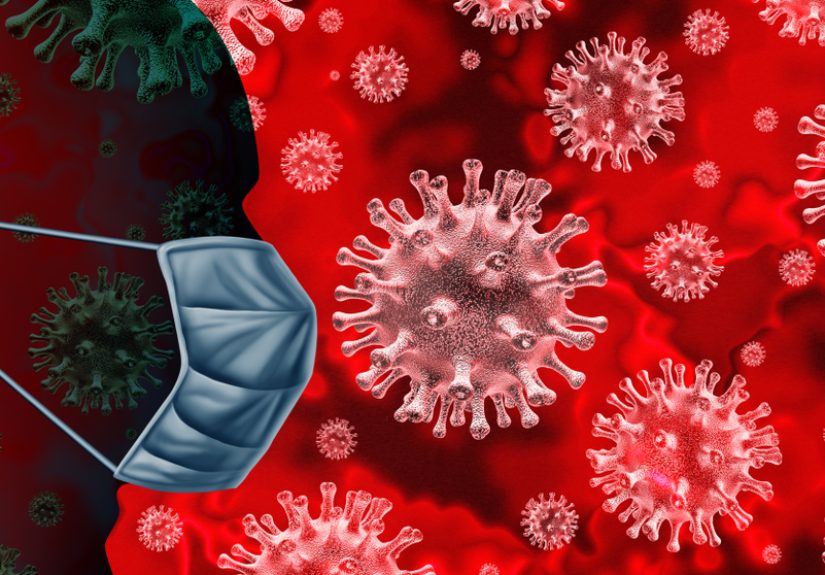
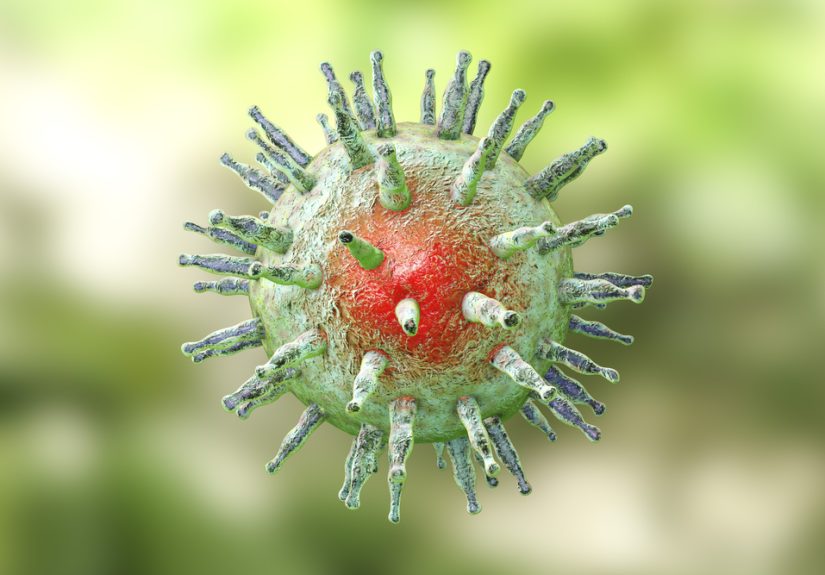
What would the “next” COVID-19 pandemic look like? An epidemiologist would probably begin with a slightly annoying answer: it may not be COVID-19 at all. It may be influenza. It may be another coronavirus. It may be a virus we have not named yet, wearing the biological equivalent of sunglasses and a fake mustache. But if people use the phrase “the next COVID-19 pandemic,” they usually mean the next fast-moving infectious disease crisis that disrupts schools, hospitals, workplaces, travel, family routines, and the national supply of toilet paper.
That is the right question to ask, even if the wording is imperfect. The point is not to predict the exact villain. The point is to understand the playbook. COVID-19 taught epidemiologists, clinicians, public-health departments, employers, parents, teachers, and ordinary humans with overstuffed medicine cabinets that a pandemic is never only about a virus. It is also about trust, timing, communication, health-care capacity, paid sick leave, ventilation, vaccine access, testing, community fatigue, and whether anyone can find their child’s thermometer when it matters.
From an epidemiologist’s point of view, the next pandemic will not arrive as a movie trailer with dramatic music. It will likely begin as scattered signals: unusual pneumonia clusters, genomic sequences that look different, wastewater detections, hospital chatter, international reports, animal outbreaks, or a sudden rise in respiratory illness that does not fit the usual seasonal script. The smart response is not panic. Panic is noisy and bad at spreadsheets. The smart response is preparedness: quiet, boring, well-funded, practiced, and ready before the sirens start.
What epidemiologists mean by “next pandemic”
A pandemic is an epidemic that spreads across countries or continents and affects a large number of people. But epidemiologists do not define risk only by geography. They look at how easily a pathogen spreads, how severe the disease is, whether people can transmit it before symptoms, how well existing immunity works, and whether hospitals can absorb the surge.
COVID-19 was especially difficult because SARS-CoV-2 could spread efficiently through respiratory particles, including from people who felt fine or had only mild symptoms. That changed the public-health math. A disease that spreads only after obvious symptoms is easier to box in. A disease that spreads while people are still deciding whether they have “allergies, a cold, or just Monday” is much harder.
The next pandemic could share several COVID-like features: rapid respiratory spread, global travel acceleration, uneven severity, high-risk groups needing special protection, changing variants, and long-term health effects after the acute infection. It could also differ in important ways. It might be more severe but less transmissible, or more transmissible but less deadly. It might affect children more than COVID-19 did. It might spread through different routes. The epidemiologist’s job is to resist assumptions and follow the evidence, even when the evidence is still wearing wet shoes and tracking mud through the living room.
The biggest lesson from COVID-19: speed matters, but trust matters more
One of the most impressive achievements of the COVID-19 response was scientific speed. Vaccines were developed and deployed faster than many people thought possible. Genomic sequencing helped track variants. Clinical trials clarified which treatments worked and which belonged in the “please stop forwarding this” folder. Wastewater surveillance became a practical early-warning tool. Public dashboards made disease trends visible to people outside academic circles.
But speed alone was not enough. Public trust frayed. Guidance changed as evidence changed, which is normal in science but often felt confusing to the public. Some people interpreted updates as incompetence rather than learning. Others were overwhelmed by contradictory claims from social media, politicians, influencers, and the uncle who suddenly became a part-time virologist after watching three videos in a row.
An epidemiologist thinking about the next pandemic would say this clearly: preparedness is not only stockpiling masks, tests, and antivirals. It is also stockpiling credibility. Communities are more likely to follow public-health advice when they believe the messenger is honest, transparent, humble, and consistent. That means explaining uncertainty without sounding evasive. It means saying, “Here is what we know, here is what we do not know yet, and here is what we are doing while we learn.”
Surveillance is the smoke alarm, not the fire truck
One major post-COVID improvement is the growing use of surveillance systems that can detect trouble earlier. Wastewater monitoring, for example, can identify viral activity in communities before many people seek medical care. That matters because testing behavior changes. People may test less often at home, skip the doctor, or assume a cough is just seasonal. Wastewater does not care whether someone filled out a form, had insurance, or remembered where they put the rapid test.
Traveler-based genomic surveillance is another tool. By sampling arriving travelers or aircraft wastewater, public-health teams can spot emerging variants before they spread widely in the United States. This does not stop a pathogen by itself, but it buys time. In outbreak response, time is not just money; time is hospital beds, vaccine updates, public warnings, treatment planning, and fewer frantic meetings with bad coffee.
The next pandemic response will depend on connecting these signals quickly. Wastewater data, emergency department visits, lab reports, genomic sequencing, school absenteeism, veterinary reports, and international alerts should not live in separate silos like awkward strangers at a wedding. They should be integrated into a clear picture that helps leaders act early, proportionately, and locally.
Vaccines will still be central, but communication must improve
Vaccines remain one of the strongest tools against severe infectious disease, especially for people at higher risk. The COVID-19 vaccine landscape has continued to evolve as the virus changes and as agencies update recommendations. That evolution is scientifically expected, but publicly confusing. For the next pandemic, the technical challenge will be developing safe and effective vaccines quickly. The human challenge will be helping people understand why recommendations may change over time.
An epidemiologist would emphasize three points. First, vaccine goals can differ: preventing infection, reducing severe disease, lowering hospitalization, protecting vulnerable groups, or slowing transmission. Second, protection can change as pathogens mutate and immunity wanes. Third, vaccine decisions must be communicated in plain language, not in bureaucratic fog. People should not need a graduate degree, a flowchart, and a snack break to understand whether they are eligible.
The future may include faster vaccine platforms, broader coronavirus or influenza vaccines, improved mucosal vaccines, and more targeted booster strategies. But even the best vaccine cannot help if people cannot access it, do not trust it, or hear about it too late.
Long COVID changed the definition of “mild”
Before COVID-19, many people thought about viral illness as a short story: you get sick, you recover, the end. Long COVID complicated that tidy little plot. Ongoing symptoms can last months or years for some people and may include fatigue, brain fog, shortness of breath, sleep problems, dizziness, and other conditions that affect work, school, caregiving, and daily life.
This matters for the next pandemic because public-health planning cannot focus only on deaths and hospitalizations. Those are crucial metrics, but they are not the whole burden. A virus that leaves a meaningful share of people with long-term symptoms can reshape labor markets, disability systems, families, clinics, and mental health services. In plain English: even when the emergency room is not overflowing, the community may still be paying the bill.
An epidemiologist would argue that future preparedness must include post-infection care from the beginning. That means research on long-term symptoms, clinical guidance for primary-care providers, disability accommodations, mental health support, and honest messaging that avoids both exaggeration and dismissal. “You survived” is not the same as “you fully recovered.”
The next pandemic may begin in animals
Many infectious threats are zoonotic, meaning they can move between animals and humans. That does not mean people should glare suspiciously at every duck, bat, cow, or backyard chicken. It does mean human health, animal health, and environmental health are connected. Epidemiologists often call this a One Health approach.
Spillover risk increases when humans, domestic animals, wildlife, and changing ecosystems interact in new ways. Global trade, climate shifts, deforestation, dense farming systems, and urban expansion can all affect disease emergence. The next pandemic may not begin in a hospital. It may begin where surveillance is weak, where animal outbreaks go unnoticed, or where human infections look ordinary until they are not.
That is why preparedness cannot be limited to hospitals and pharmacies. It needs veterinary surveillance, farmworker protection, wildlife monitoring, rapid reporting channels, and international cooperation. Viruses do not carry passports. They are famously rude about borders.
What should schools and workplaces do differently next time?
Schools and workplaces should not wait for a crisis to invent policy at midnight. The most useful pandemic plans are practical, flexible, and rehearsed. A school should know how it will handle ventilation, absences, remote learning for sick students, communication with parents, and protection for medically vulnerable students and staff. A workplace should know its sick-leave policy, remote-work options, masking policy during surges, testing guidance, and how to reduce presenteeismthe ancient tradition of coming to work sick and generously sharing germs with accounting.
Ventilation deserves special attention. Cleaner indoor air helps reduce the spread of respiratory viruses and can also improve general comfort and concentration. Better filtration, outdoor air exchange, portable HEPA units, and carbon dioxide monitoring can be part of a layered strategy. This is not glamorous. Nobody writes a superhero movie called “The Filter Replacement.” But cleaner air is one of those boring interventions that quietly helps everyone.
Masks and respirators also remain useful tools during high transmission, especially in health-care settings, crowded indoor spaces, and around people at higher risk. The lesson is not that everyone must mask forever. The lesson is that high-quality masks should be available, normalized, and used strategically when conditions call for them.
Hospitals need surge plans that protect staff, not just beds
Hospital capacity is often discussed as if beds are the only issue. Beds matter, but a bed without trained staff is furniture. During COVID-19, health-care workers faced exhaustion, infection risk, moral distress, staffing shortages, and waves of patients needing complex care. The next pandemic plan must treat the health-care workforce as critical infrastructure.
That means stockpiles of personal protective equipment, cross-training, mental health support, safe staffing ratios, rapid credentialing systems, supply-chain resilience, and clear crisis standards of care. It also means protecting routine medical care. During a pandemic, heart attacks, births, cancer treatments, dialysis, injuries, and mental health crises do not politely pause until the outbreak calendar clears.
An epidemiologist would measure success not only by how many pandemic patients are treated, but also by how well the health system continues caring for everyone else.
Equity is not a slogan; it is outbreak control
COVID-19 exposed and widened existing health inequities. People with crowded housing, public-facing jobs, limited access to health care, lower income, disability, chronic disease, language barriers, or unreliable transportation often faced higher risks. These were not random outcomes. They reflected systems.
In the next pandemic, equity must be built into the response from day one. Testing sites should be reachable. Vaccines and treatments should be affordable and available outside banker’s-hours medicine. Public messages should be translated clearly and distributed through trusted local organizations. Data should be collected in ways that reveal disparities early, not after the damage has already become a case study.
Equity also improves disease control for everyone. If one neighborhood cannot access testing or treatment, the outbreak does not stay politely inside that neighborhood. Public health works best when the weakest link is strengthened, not blamed.
The information pandemic may be faster than the virus
Every future outbreak will come with an infodemic: a flood of true, false, outdated, exaggerated, and emotionally satisfying information. Some misinformation will be accidental. Some will be profitable. Some will be political. Some will come in the form of a confident graphic with six exclamation points and exactly zero evidence.
Epidemiologists cannot simply publish a PDF and hope the public finds it. Communication must be fast, visual, multilingual, local, and repeated. It should answer the questions people actually ask: Is my child at risk? Should I visit Grandma? What does this symptom mean? Do I need a mask? Can I go to work? Is the vaccine safe for my situation? What changed since last week?
The public does not need perfection. It needs clarity. It needs leaders who can admit uncertainty without sounding lost, correct mistakes without defensiveness, and treat people’s concerns as concerns rather than character flaws.
What an epidemiologist would watch first
In the early days of a possible pandemic, an epidemiologist would watch several indicators at once. How many people are infected by each case? How severe is the disease? Are hospitals seeing unusual admissions? Are health-care workers getting sick? Is transmission happening before symptoms? Are children, older adults, pregnant people, or immunocompromised people at special risk? Do tests detect it reliably? Is there evidence of immune escape? Are animal outbreaks involved?
They would also watch behavior. Are people seeking care? Are communities receiving useful information? Are hospitals reporting shortages? Are rumors spreading faster than data? Are political leaders amplifying or undermining public-health messages?
This is where epidemiology becomes less like a crystal ball and more like weather forecasting. The forecast improves as data improves. Early estimates may change. That does not mean the science failed. It means the fog lifted.
How families can prepare without becoming doomsday hobbyists
Preparedness does not require a bunker, a spreadsheet named “Apocalypse_Final_FINAL,” or enough canned beans to alarm the neighbors. A reasonable family plan is simple. Keep routine vaccinations up to date. Know who in the household is at higher risk. Have a small supply of masks, a thermometer, basic fever reducers appropriate for household members, and a plan for testing or calling a clinician. Improve indoor air where possible. Stay home when sick if you can. Check information from reliable health sources before sharing dramatic claims.
Families should also talk through practical questions before an emergency: Who can pick up groceries if someone is ill? How will schoolwork be handled? What happens if a caregiver gets sick? Which nearby clinic or pharmacy is easiest to reach? These conversations are not scary; they are the public-health version of knowing where the fire extinguisher is.
What government should fix before the next crisis
The United States has world-class science but uneven public-health infrastructure. Many local health departments operate with limited staff and outdated technology. Data systems still do not always communicate smoothly. Public-health funding often surges during emergencies and fades when headlines move on. That cycle is like buying an umbrella during a hurricane and returning it when the sun comes out.
Better preparedness requires sustained investment in surveillance, laboratories, workforce training, community partnerships, school health, ventilation standards, medical supply chains, vaccine manufacturing, treatment access, and emergency communication. It also requires legal and ethical planning before a crisis, so leaders are not inventing policies under pressure.
International cooperation matters too. Pathogen sharing, transparent reporting, research collaboration, and fair access to vaccines and treatments are not charitable extras. They are practical necessities. An outbreak anywhere can become a threat elsewhere when detection is slow and response tools are hoarded.
So, are we ready?
The honest answer is: more ready than in 2019, but not ready enough. The scientific toolbox is better. Wastewater surveillance is stronger. Genomic monitoring is more familiar. Vaccine platforms are more advanced. Clinicians know more about respiratory protection, antivirals, and post-viral illness. The public also knows more, even if some of that knowledge came with emotional dents.
But readiness is not a trophy you place on a shelf. It is a habit. It must be maintained, funded, updated, and practiced. The next pandemic will test whether COVID-19 became a turning point or just a terrible group project everyone swore they learned from and then forgot by the next semester.
An epidemiologist talking about the “next” COVID-19 pandemic would probably end with a message that is both sobering and hopeful: we cannot prevent every outbreak, but we can prevent many outbreaks from becoming disasters. We can detect faster, communicate better, protect the vulnerable earlier, keep schools and workplaces safer, support health-care workers, and treat public trust as seriously as laboratory capacity.
Experience-based reflections: what the next pandemic will feel like on the ground
The first experience worth remembering is that pandemics are lived locally. National charts matter, but people experience risk through very practical moments: a school email, a coworker coughing through a meeting, a parent’s surgery being delayed, a pharmacy running out of tests, a family debating whether to attend a wedding, or a nurse finishing a shift too tired to form a complete sentence. Epidemiology may use population-level data, but the consequences show up one household at a time.
During COVID-19, many communities learned that preparation works best when it is boring and visible. A clinic that already has a call tree can move faster. A school that already checked its ventilation does not need to discover in week three that one classroom has the airflow of a sealed lunchbox. A workplace with a real sick-leave policy can reduce transmission more effectively than one that simply tapes a “Stay Home If Sick” sign above a time clock while quietly punishing absences.
The second experience is that people do not make health decisions in a vacuum. They make them around rent, childcare, job security, transportation, family pressure, culture, fear, and fatigue. Telling someone to isolate is easy. Making isolation possible is the hard part. If public-health advice ignores people’s real lives, people may ignore public-health advice. The next pandemic response must pair recommendations with support: paid leave, access to tests and treatment, clear school policies, food assistance when needed, and practical guidance that fits ordinary life.
The third experience is that humility travels better than certainty. Early in an outbreak, officials may not know the exact severity, transmission pattern, or best intervention. Pretending otherwise can backfire. People can handle uncertainty when it is explained honestly. A strong message sounds like this: “Based on what we know today, this is the safest choice. We are watching these indicators. If the evidence changes, the guidance may change.” That is not weakness. That is science with its seatbelt on.
The fourth experience is that fatigue is predictable, not surprising. People can follow emergency guidance for a while, but long crises wear everyone down. That means pandemic plans must be sustainable. Instead of relying on endless emergency mode, leaders should design layered protections that reduce risk without asking people to live indefinitely at maximum alert. Cleaner air, better sick leave, targeted masking during surges, fast testing, accessible vaccines, and flexible school or work policies are more durable than constant alarm.
The fifth experience is that trust is built before it is needed. A public-health department cannot become beloved overnight because it opened a new dashboard. Trust grows through routine service, community relationships, honest communication, and showing up when there is no camera. The messengers matter. Local doctors, nurses, teachers, faith leaders, pharmacists, community organizers, and school principals may reach people that national agencies cannot.
Finally, the next pandemic will reward communities that remember without freezing in the past. COVID-19 should not leave society permanently afraid, but it should leave society permanently smarter. The goal is not to live like 2020 forever. The goal is to take the hard-won lessonsfaster detection, cleaner air, better communication, stronger health systems, and more compassionand make them normal. Preparedness is not pessimism. It is optimism with a toolbox.
Conclusion
The “next” COVID-19 pandemic may not be COVID-19, but it will test many of the same systems: surveillance, science, hospitals, schools, workplaces, communication, equity, and trust. An epidemiologist would not ask us to panic. They would ask us to practice. The difference matters. Panic burns energy. Preparedness saves it.
The best future response will be faster than 2020, clearer than 2021, more equitable than 2022, and more sustainable than the emergency habits we carried for too long. If we invest now, the next outbreak does not have to become the next global trauma. It can become a story of early detection, smart action, and communities that learned the lesson before the test arrived.