Table of Contents >> Show >> Hide
- Why Bread Recipes Never Go Out of Style
- The Main Types of Bread Recipes to Know
- 11 Bread Recipes Worth Baking Again and Again
- What Makes a Bread Recipe Actually Good?
- Common Bread Mistakes and How to Avoid Them
- How to Choose the Right Bread Recipe for the Moment
- Baking Experiences That Make Bread Recipes So Memorable
- Conclusion
- SEO Tags
There are two kinds of people in this world: people who love fresh bread, and people who have not yet smelled a loaf baking at home on a rainy afternoon. Bread recipes have survived every food trend for one simple reason: they work. A good loaf can be breakfast, dinner, dessert, therapy, or a very convincing excuse to eat salted butter straight from the dish. Whether you want a crusty artisan loaf, a soft sandwich bread, a savory focaccia, or a sweet banana bread that vanishes before it cools, the best bread recipes all have one thing in common: they turn humble ingredients into something wildly comforting.
The beauty of bread is that it can be as simple or as ambitious as you want it to be. Some breads ask only for flour, water, yeast, and salt. Others show up with butter, eggs, milk, cheese, honey, herbs, cinnamon, or a dramatic topping situation. Some need careful shaping and patient proofing. Others are “stir, pour, bake, and pretend this was your plan all along.” That range is exactly why bread recipes continue to win over beginner bakers and flour-dusted overachievers alike.
Why Bread Recipes Never Go Out of Style
Bread is one of the most flexible categories in home baking. It can be rustic or refined, savory or sweet, yeasted or quick, everyday or special-occasion fancy. More importantly, bread recipes reward practice. The first loaf teaches you patience. The second teaches you texture. By the third loaf, you start saying things like “crumb structure” with suspicious confidence.
Homemade bread also solves a real-life kitchen problem: it makes ordinary meals better. Soup becomes dinner. Eggs become brunch. Cheese becomes a respectable lunch instead of a fridge raid with no witnesses. A great bread recipe does not need to be complicated. It just needs to understand what you want from it. Do you want chew? Tenderness? Crunch? Sweetness? Sliceability? Bread has answers.
The Main Types of Bread Recipes to Know
Yeast Breads
These are the classic rise-and-bake breads. Think sandwich loaves, dinner rolls, focaccia, French-style loaves, and many whole wheat breads. Yeast breads usually require proofing time, but they reward you with depth of flavor, a tender interior, and that proud “I made actual bread” feeling.
Quick Breads
Quick breads skip yeast and rise with baking powder or baking soda instead. Banana bread, zucchini bread, cornbread, cheddar loaf, and pumpkin bread live here. They are ideal when you want bread today, not after a spiritual journey through two proofing cycles.
Enriched Breads
These breads include ingredients like butter, milk, eggs, or sugar. Brioche, milk bread, cinnamon swirl bread, and many soft dinner rolls are enriched breads. They tend to be softer, richer, and more indulgent than lean doughs.
No-Knead and Low-Effort Breads
No-knead recipes are the heroes of modern home baking. They rely on time and hydration instead of intense kneading. If you want bakery-style results without standing at the counter aggressively pushing dough for ten minutes, this category is your new best friend.
11 Bread Recipes Worth Baking Again and Again
1. Classic White Sandwich Bread
This is the weekday workhorse. A good sandwich loaf should be soft, slice neatly, toast beautifully, and hold up to peanut butter without collapsing into emotional ruin. Look for a recipe that uses milk or a little butter if you want a softer crumb, and bread flour if you want more chew. This is the loaf for lunchboxes, grilled cheese, and toast that makes you suspicious of store-bought bread.
2. No-Knead Artisan Bread
If you want to impress people with minimal drama, start here. A no-knead artisan loaf usually has a crackly crust, open crumb, and a rustic shape that says, “Yes, I casually bake like this now.” High-hydration doughs can look messy, but that extra moisture helps create a beautiful interior. A Dutch oven is often the secret weapon because it traps steam and encourages a better crust.
3. Rosemary Focaccia
Focaccia is one of the friendliest bread recipes on earth. It is forgiving, flavorful, and absolutely loves olive oil. The dough gets stretched into a pan, dimpled with fingertips, and topped with rosemary, flaky salt, garlic, or cherry tomatoes if you are feeling cinematic. It is excellent for beginners because it does not demand perfect shaping, and even an “ugly” focaccia is usually delicious.
4. Banana Bread
Banana bread is the reigning monarch of quick breads, and frankly, it has earned the crown. It uses overripe bananas, basic pantry ingredients, and almost no emotional resilience. The best versions are moist, deeply banana-forward, and not too sweet. Add walnuts for crunch, chocolate chips for chaos, or cinnamon for warmth. This is the recipe that makes your kitchen smell like someone cares about you.
5. Honey Oat Bread
Honey oat bread is a softer, slightly heartier loaf that feels wholesome without tasting like punishment. Oats add texture and warmth, while honey rounds out the flavor. This is a great choice for toast, sandwiches, and anyone who wants a little more personality than plain white bread but is not ready to commit to a dense whole grain brick.
6. Buttermilk Cornbread
Cornbread sits comfortably between bread and side dish royalty. It pairs with chili, barbecue, soups, and holiday spreads without ever looking overwhelmed. A good buttermilk cornbread recipe balances tender crumb, rich flavor, and just enough structure to slice cleanly. Some people want it sweet. Some want it savory. The safest move is to know your audience before starting a family debate at the table.
7. Soft Dinner Rolls
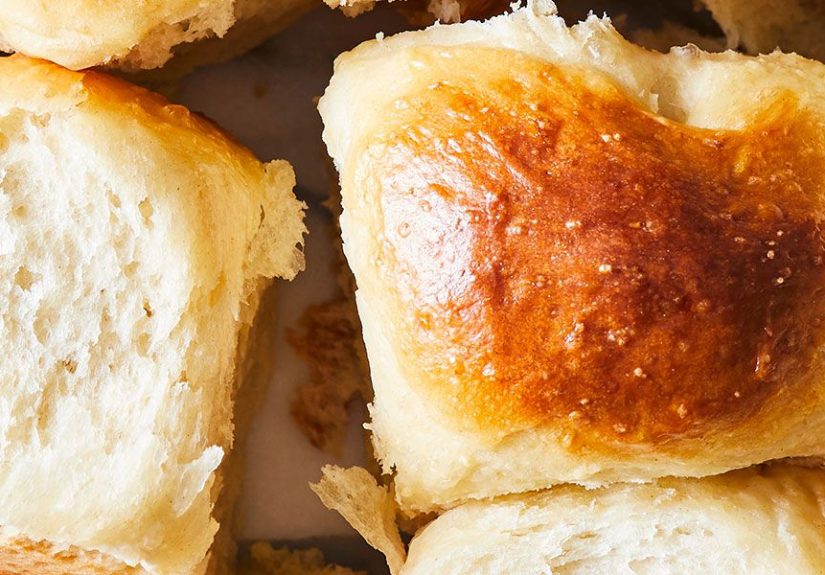
Soft dinner rolls are tiny edible diplomacy tools. They make holiday dinners more peaceful and weekday meals feel more polished. The best ones are fluffy, buttery, and easy to pull apart. Brush the tops with melted butter right after baking and suddenly everyone at the table starts acting like you run a fine restaurant out of your kitchen.
8. Cheddar Jalapeño Bread
This is the loaf for people who think bread should occasionally make an entrance. Sharp cheddar adds richness, jalapeños bring a gentle kick, and the whole thing feels ideal with soup, eggs, or a slather of cream cheese. It works as a yeasted loaf or a savory quick bread, depending on how much time you have and how dramatic you want the texture to be.
9. Cinnamon Swirl Bread
A good cinnamon bread smells like a bakery and behaves like dessert pretending to be breakfast. The swirl matters here. You want even layering, enough cinnamon-sugar flavor to make each slice exciting, and a crumb soft enough to toast without drying out. It is excellent plain, but spectacular with butter or turned into French toast when you are feeling extra.
10. Sourdough Country Loaf
Sourdough is not always the easiest route, but it is one of the most rewarding. It requires an active starter, more patience, and a willingness to learn what fermentation looks and feels like. The payoff is a chewy crumb, crisp crust, and complex flavor that tastes far more sophisticated than four ingredients should reasonably allow. Sourdough is less a recipe and more a relationship.
11. Japanese-Style Milk Bread
If you love bread that looks cloud-soft and pulls apart in feather-light strands, milk bread deserves a place in your kitchen. It is known for its pillowy texture and rich but delicate flavor. This is the kind of loaf that makes simple toast feel expensive. It also makes excellent sandwiches because it is sturdy enough to hold fillings while still being tender enough to make you pause after the first bite.
What Makes a Bread Recipe Actually Good?
A great bread recipe is not just about flavor. It is about clarity, reliability, and texture. Good recipes tell you what the dough should look like, not just what to do with it. They mention whether the dough should be tacky, smooth, sticky, elastic, shaggy, or doubled in size. They help you read the dough instead of blindly following the clock.
They also respect ingredients. Flour matters. Bread flour usually gives more chew because of its higher protein. All-purpose flour is flexible and beginner-friendly. Whole wheat flour brings nuttiness and structure, but too much can weigh a loaf down if the formula is not balanced. Salt is not optional unless you enjoy bread that tastes like disappointment. Yeast needs warmth, but not a sauna. Butter and eggs soften enriched doughs. Water affects everything from gluten development to crust.
The best bread recipes also build confidence. They offer make-ahead options, realistic timelines, and tips for fixing common issues. Because yes, dough can overproof, underproof, dry out, stick, spread too much, or rise like it is trying to escape. A good recipe anticipates those moments and keeps the baker from panic-googling with flour on their phone.
Common Bread Mistakes and How to Avoid Them
Using Too Much Flour
Many bakers add extra flour the moment dough looks sticky. Resist that urge unless the recipe clearly needs it. Sticky dough is often normal, especially in no-knead or high-hydration breads. Too much flour leads to dense, dry loaves.
Ignoring Dough Texture
Timers help, but dough texture tells the real story. If a recipe says the dough should be soft and elastic, and yours looks stiff and grumpy, it probably needs adjustment. Learning to observe dough is one of the fastest ways to improve your bread.
Underbaking
A deeply golden crust usually means better flavor and texture. Pale bread often tastes unfinished. Let the loaf develop proper color, and cool it before slicing whenever possible. Cutting hot bread too soon can squash the crumb and release too much steam.
Choosing the Wrong Recipe for Your Schedule
Some days are sourdough days. Other days are banana bread days. Wisdom is knowing the difference. If you have 45 minutes, choose a quick bread. If you have a lazy weekend afternoon and a little patience, go for the yeasted loaf.
How to Choose the Right Bread Recipe for the Moment
If you want something easy, choose banana bread, cornbread, or a simple no-knead loaf. If you want soft and family-friendly, go with sandwich bread, milk bread, or dinner rolls. If you want rustic and impressive, pick focaccia or artisan bread. If you want a baking project with strong main-character energy, sourdough is waiting.
Also think about what the bread will do. Is it for sandwiches? Soup? A holiday table? A brunch board? Late-night butter therapy? The best bread recipes are not just tasty; they fit the job. Bread should support your meal, your mood, and your available attention span.
Baking Experiences That Make Bread Recipes So Memorable
One reason bread recipes stay with people is that they are never just about ingredients. They are about the small moments around them. The first time you bloom yeast and realize it is alive feels oddly thrilling, like your kitchen has become a science lab with better snacks. The first time dough doubles in size, it feels like magic. The first time you tap the bottom of a loaf and hear that hollow sound, you suddenly understand why bakers get a little smug.
There is also something deeply personal about the rhythm of bread baking. You mix, you wait, you fold, you shape, you wait again. Bread does not care how fast the rest of your day is moving. It asks you to slow down and pay attention. In a world full of instant everything, bread recipes remain gloriously inconvenient in the best possible way. They remind you that some things are better because they take time.
Many home bakers also remember specific loaves the way other people remember songs. There is the banana bread that got made every time the fruit bowl became too honest. There is the focaccia everyone tore apart before dinner officially started. There is the sandwich bread that made school lunches taste better than usual for no dramatic reason except that it was homemade. There is the holiday tray of dinner rolls that disappeared first, leaving behind only crumbs and the one relative who “was just testing one.”
Bread recipes are also wonderfully forgiving teachers. A loaf may come out denser than expected, a little lopsided, or slightly more rustic than intended, which is a polite baking word for “not pretty.” And yet it is still often good. Toast fixes a lot. Butter fixes even more. That makes bread an ideal place for beginner bakers to build confidence. You do not need perfection to make something memorable. You just need a workable recipe, basic ingredients, and the willingness to try again.
Then there is the smell. No article about bread recipes is complete without admitting that aroma is half the experience. Fresh bread transforms a kitchen. It makes the room feel warmer, even before anyone takes a bite. It suggests comfort, effort, and generosity all at once. People wander in and ask what is baking. Pets become suspiciously attentive. Even a simple loaf can make an ordinary day feel curated.
For many people, bread baking becomes part habit, part identity. You start with one loaf because it seems practical. Then suddenly you have opinions about yeast, favorite loaf pans, and a strong belief that weighing flour is superior. You begin texting photos of crumb shots to friends who did not ask, but who are now politely invested. Bread does that. It turns curiosity into ritual.
In the end, bread recipes endure because they create more than food. They create routines, memories, and tiny moments of pride. They teach patience and reward attention. They turn pantry basics into something that feels generous. And whether the loaf is crusty, soft, sweet, savory, braided, rolled, or gloriously imperfect, the experience is what makes it matter. The recipe gets you started. The baking is what makes it yours.
Conclusion
The best bread recipes are the ones that meet you where you are. Some days that means a five-minute banana bread batter and a loaf pan. Other days it means a well-proofed focaccia shimmering with olive oil or a proud sourdough loaf cooling on the counter like it knows it is special. Bread baking does not have to be complicated to be satisfying. Start with the style that fits your time, trust the process, and let the smell of fresh bread do the rest. Once you find a few dependable favorites, you will never look at flour the same way again.