Table of Contents >> Show >> Hide
- What Is the "Cetra" Pendant, Exactly?
- Why Designers Keep Coming Back to It
- Design Anatomy: What You’re Looking At
- Where the Cetra Pendant Looks Best
- How to Hang It: Spacing, Height, and Visual Balance
- Bulbs, Brightness, and the “Please Don’t Blind Me” Factor
- Buying Guide: New vs. Vintage Cetra Pendants
- Safety First: Installation and Vintage Rewiring
- Styling the Cetra Pendant: Design Scenarios That Work
- Care and Maintenance
- FAQ
- Real-Life "Cetra" Pendant Experiences (Extra )
- Wrap-Up
If you’ve been googling "Cetra" pendant and expecting a tiny necklace charm, surprise: in the design world,
a “pendant” is often a hanging light fixture. And the Cetra pendant sits squarely in the “iconic Italian modern lighting”
categoryone of those sculptural pieces that makes a room look like it suddenly learned how to dress itself.
This guide breaks down what the Cetra pendant is, why it’s still a favorite decades after its debut, how to style it in real homes,
what to watch for when buying (especially vintage), and how to install it safely. Expect practical rules of thumb, design logic,
and a few gentle jokesbecause lighting is serious, but not “argue with your electrician” serious.
What Is the "Cetra" Pendant, Exactly?
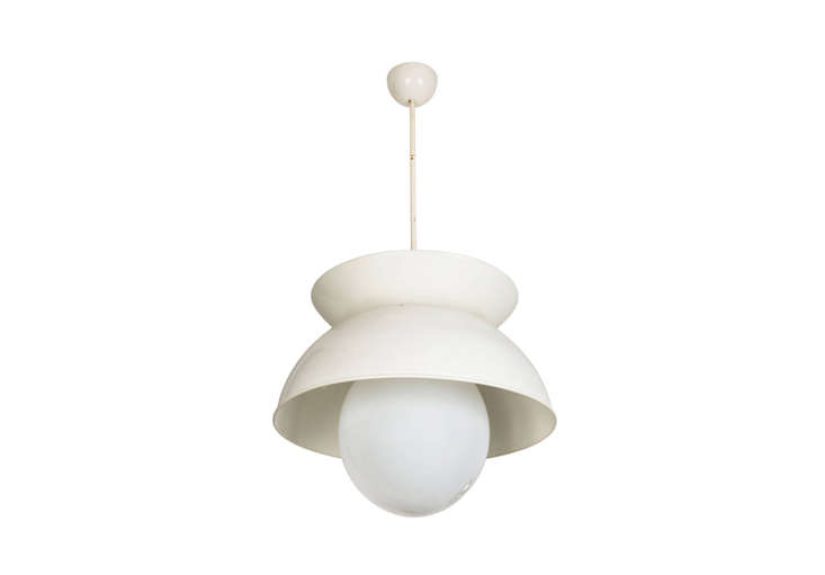
The Cetra pendant is a sculptural suspension lamp associated with Italian designer Vico Magistretti and the lighting brand
Artemide. Visually, it’s defined by a strong geometric silhouette: layered hemispherical forms paired with a globe diffuser,
creating a mix of soft ambient light and reflected/indirect glow.
In plain English: it’s not just “a light.” It’s a hanging composition that behaves like a small architectural feature. Turn it on,
and the room gets a calmer, more intentional moodlike someone put your ceiling on a spa membership.
Why Designers Keep Coming Back to It
1) It’s geometric without feeling cold
Plenty of modern pendants are “clean,” but they can also read as clinicallike a dentist’s office that discovered Instagram.
The Cetra pendant avoids that trap by balancing crisp metal forms with a globe diffuser that softens brightness and spreads light.
The result is modern and human.
2) It does double duty: statement piece + usable light
Some statement lights are basically jewelry for the ceiling: pretty, but they don’t illuminate much besides your regret.
The Cetra pendant is designed to shape lightdiffusing, shielding, and reflectingso it’s not just decorative.
3) It plays well with multiple styles
Despite its mid-century roots, the Cetra pendant can work in:
- Mid-century modern interiors (obviously)
- Minimalist spaces that need one “hero” object
- Contemporary homes that want a warmer, more sculptural focal point
- Eclectic rooms where a strong form helps anchor the mix
Design Anatomy: What You’re Looking At
A quick visual read of the Cetra pendant helps you decide where it belongs. Most versions feature:
- Metal hemispherical elements (often finished in white or nickel tones)
- An opaline/opal-style globe diffuser (for softer, less glaring illumination)
- Layering that hides the harsh stuff (bulbs/brightness) and emphasizes glow
The “magic trick” is the balance of direct diffuse light (from the globe) and indirect emission
(light pushed upward and reflected). That combination helps a room feel bright without feeling blasted.
Where the Cetra Pendant Looks Best
Over a dining table
This is the classic placement because you want a pendant that looks good from every angle and doesn’t glare into faces.
The Cetra’s globe diffusion makes it friendlier at eye level than many exposed-bulb fixtures.
A practical sizing guideline many designers use: aim for a fixture diameter around one-half to two-thirds the table width.
(Not a law. More like a helpful speed limit.)
Over a kitchen island
If your kitchen leans modern, Cetra can be a gorgeous upgradeespecially if you want something sculptural without going full “industrial cage.”
For hanging height, a common baseline for standard ceilings is placing pendants about 30–36 inches above the island surface.
Adjust based on ceiling height, pendant scale, and the tallest person who cooks in your home (a.k.a. the person most likely to bonk their head).
In an entryway or stairwell
Cetra works well when you want a statement visible from multiple vantage points. Its form reads as intentional even from a distance,
which is exactly what you want in transitional spaces.
In a living room reading zone
While it’s not a task lamp, the Cetra pendant can define a seating area when layered with floor lamps or sconces.
Think of it as the “ambient ceiling layer” that makes the whole room feel cohesive.
How to Hang It: Spacing, Height, and Visual Balance
Spacing (if you’re using more than one pendant)
If you’re installing multiple pendants over an island, a common rule of thumb is keeping the centers about 24–30 inches apart
(sometimes a bit more depending on pendant diameter). The goal is balanced light coverage without making the ceiling look like it’s wearing polka dots.
Height: don’t block sightlines
For tables and islands, the “sweet spot” is typically low enough to create a pool of light, but high enough to keep conversation sightlines open.
When in doubt, start with established guidelines, then adjust to the pendant’s scale and your room’s proportions.
Bulbs, Brightness, and the “Please Don’t Blind Me” Factor
Because Cetra relies on diffusion and reflection, bulb choice matters. In general:
- Warm white tends to flatter metals and make dining spaces feel inviting.
- Dimmable bulbs + dimmer switch unlock the pendant’s best mood range.
- Respect the fixture’s wattage ratingespecially with vintage pieces that may have been rewired.
If you’re buying vintage, ask what’s been updated: sockets, wiring, grounding, and whether the fixture has been adapted for your local electrical standards.
“It looks fine” is not a safety certification (and your insurance company agrees).
Buying Guide: New vs. Vintage Cetra Pendants
Buying new (simpler, safer, usually)
Buying from authorized channels typically gives you current specs, documentation, and a clearer path for parts and support.
You’re paying for fewer surprises inside the canopy.
Buying vintage (character, patina, and homework)
Vintage Cetra pendants can be stunningespecially if you love authentic aging in finishes. But vintage lighting often needs updates.
When evaluating a listing, look for:
- Clear dimensions (diameter/height) so you don’t accidentally buy a ceiling UFO
- Materials noted (metal type, opaline/opal glass diffuser)
- Rewiring details (new wiring, new sockets, grounding)
- Condition notes (oxidation, paint wear, dentsnormal, but priced accordingly)
- Provenance/seller credibility (reputable marketplaces, vetted sellers, return policies)
Safety First: Installation and Vintage Rewiring
Pendant lights are literally objects that hang above your head. So let’s not treat installation like a casual arts-and-crafts project.
Reputable home-improvement guidance emphasizes inspecting older fixtures for hazards such as brittle wiring, damaged sockets, corrosion,
and lack of proper groundingthen addressing those issues during rewiring.
Also, public safety recalls show that mounting components can fail and fixtures can fall. Translation: use the right electrical box,
correct mounting hardware, and professional installation when the fixture is heavy or vintage.
If you’re not experienced with electrical work, hire a qualified electrician. There are many places to DIY in a home. “Live wiring”
is not one of them.
Styling the Cetra Pendant: Design Scenarios That Work
Scenario A: Mid-century modern dining room
Pair it with a walnut table, tapered legs, and simple chairs. Keep the ceiling area cleanCetra already provides the visual drama.
Add a warm dimmer setting for dinner and the whole room feels like a classic design editorial.
Scenario B: Modern kitchen that needs softness
If your kitchen has lots of hard surfaces (stone, tile, stainless steel), the opal diffuser helps soften the vibe.
Add under-cabinet lighting for task work, and let Cetra handle the ambient layer.
Scenario C: Minimalist apartment, one “hero” piece
Cetra shines (politely) in minimal spaces. Keep surrounding materials quietwhite walls, natural wood, matte black accents
and the pendant becomes the intentional focal point instead of “random thing from a showroom.”
Care and Maintenance
- Glass diffuser: dust regularly; clean with a non-ammonia glass cleaner or mild soap and water, then dry fully.
- Metal surfaces: use a soft microfiber cloth; avoid abrasive pads that can scratch finishes.
- Vintage patina: decide whether you want to preserve it. Over-cleaning can erase the character you paid for.
- Hardware check: once or twice a year, confirm canopy screws and mounting points are secure (power off first).
FAQ
Is the Cetra pendant bright enough for a kitchen?
It can contribute meaningful ambient light, but kitchens typically need layered lighting: recessed or ceiling lighting + under-cabinet task lighting
+ pendants. Think of Cetra as the mood-and-presence piece, not your only flashlight.
Can I install a vintage Cetra pendant myself?
If you have electrical experience and the fixture is updated for modern wiring, maybe. But many experts recommend professional rewiring and installation
for older fixtures due to age-related risks and code requirements.
How do I avoid glare?
Use appropriate bulbs, consider a dimmer, and hang the fixture at a height that keeps direct brightness out of eye level.
The opal diffuser helps, but bulb choice still matters.
Real-Life "Cetra" Pendant Experiences (Extra )
The first time I saw a Cetra pendant in the wild, it wasn’t in a fancy showroom. It was in a friend’s dining roomthe kind of space that usually
relies on “whatever came with the house” lighting. But there it was: a clean white sculptural form hovering over a table like it had been assigned
the job of making pasta taste better. And honestly? It kind of did.
What stood out immediately wasn’t just the shapeit was the behavior of the light. Instead of harsh brightness raining down like an
interrogation, the room had this even glow. Faces looked normal. Food looked flattering. The ceiling had a soft halo effect that made the whole space
feel taller, calmer, and more deliberate. It was the lighting equivalent of swapping a squeaky folding chair for a real dining chair and suddenly
realizing your spine had been filing complaints for years.
Later, when I helped another friend hunt for a vintage Cetra-style listing (because “I want that vibe” is the universal language of design), the
experience got more… educational. Vintage listings can be a treasure map and a puzzle at the same time. One seller had gorgeous photos but vague
measurementsnever a great sign unless you enjoy surprise ceiling UFOs. Another listing had honest condition notes: paint wear, light oxidation,
and a reminder that the wiring had been updated. That one felt trustworthy. We learned quickly to prioritize three things: clear dimensions,
proof of rewiring, and reputable sellers who answer questions without disappearing like a magician at the exact moment you ask about grounding.
Installation day was where the Cetra pendant graduated from “beautiful object” to “please don’t drop this on the new table.” The fixture’s presence
is realyou notice its scale the second it’s up. That’s why height matters so much. When it hung a little too low at first, it felt intrusive,
like the ceiling was leaning in to overhear conversations. Raising it slightly opened up sightlines, and suddenly it looked intentional instead of
“oops, we eyeballed it.” A dimmer switch was the final upgrade that made everything click. Bright for setup and cleanup. Soft for dinner.
The same pendant, two completely different moods.
The biggest lesson? The Cetra pendant rewards patience. It’s not the kind of light you buy on impulse at 11:47 p.m. because your cart has free shipping.
It’s a piece you measure for, plan around, and install properly. But once it’s in, it becomes the room’s anchor. People comment on it. They remember it.
And in a world full of forgettable fixtures, that’s kind of the point.
Wrap-Up
The "Cetra" pendant is a rare mix of sculpture and function: bold geometry, softened light, and a presence that elevates a room without shouting.
If you’re choosing one, focus on scale, placement, safe installation, and lighting layers. Do that, and Cetra won’t just hang from your ceilingit’ll
quietly run the whole vibe.