Table of Contents >> Show >> Hide
- What Are Chiggers (and Why Are They So Good at Ruining Picnics)?
- What Do Chigger Bites Look Like?
- How Long Do Chigger Bites Last?
- Symptoms: What’s Normal vs. What’s Not
- Chigger Bite Treatment: How to Calm the Itch (Without Losing Your Mind)
- How to Tell Chigger Bites Apart From Other Bug Bites
- Prevention: How to Avoid Chigger Bites
- FAQ: Quick Answers to Common Chigger Questions
- Bottom Line
- Real-Life Experiences: The Itch Diaries (500+ Words)
You head outside for a “quick” walk. Ten minutes later, you’re feeling like a nature documentary’s
bonus scene: “Human Discovers Itch.” If you’re dealing with intensely itchy, clustered red bumpsespecially
around sock lines, waistbands, or where clothing hugs the skinchigger bites might be the tiny (and extremely rude)
culprit.
The good news: chigger bites are usually more annoying than dangerous, and most people can treat them at home.
The even better news: chiggers don’t actually burrow into your skin, despite the legendary myths involving nail polish,
tape, and other “why did we do that?” remedies. Let’s break down what chigger bites look like, how to calm the itch,
and how to avoid becoming a walking buffet next time you’re outdoors.
What Are Chiggers (and Why Are They So Good at Ruining Picnics)?
“Chigger” is the nickname for the larval stage of certain mites (family Trombiculidae). They’re tinyoften
too small to see clearlyand they hang out in grassy, brushy, or wooded areas, especially where it’s warm and humid.
When you brush past them, the larvae can latch onto your skin or clothing and go looking for a good feeding spot.
The biggest myth: “Chiggers burrow under your skin.”
They don’t. Chiggers typically attach to the skin’s surface, then inject saliva that breaks down skin cells so they can
feed on the resulting fluid. Your body reacts to that saliva with inflammation and itching. The chigger often falls off
(or gets removed by bathing/clothing changes) long before the itching peaksso the itch you feel later is your immune
system doing its dramatic reenactment.
What Do Chigger Bites Look Like?
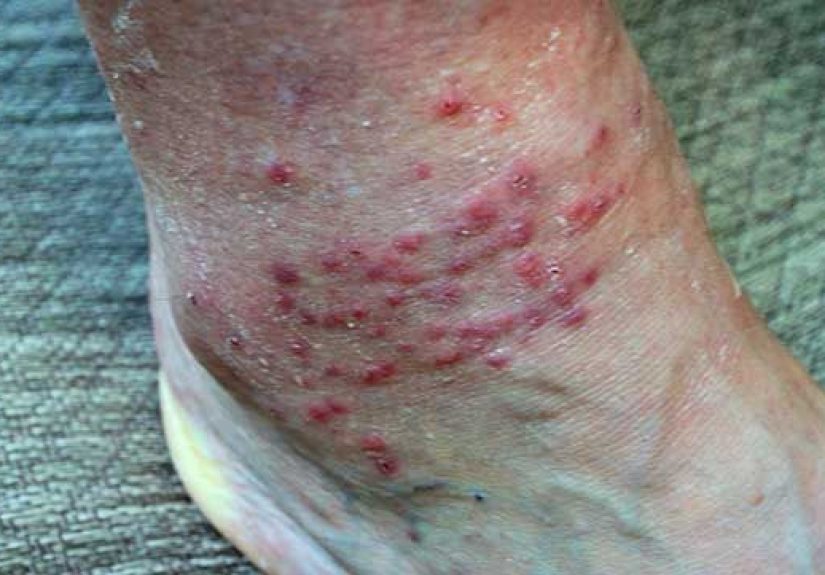
Chigger bites usually appear as clusters of small, red bumps that are intensely itchy. They can look like:
- Red, pimple-like bumps or tiny raised welts
- Grouped bumps in patches or lines (often where clothing is tight)
- Swelling around each bump
- Occasionally a tiny blister or a more raised “welt” appearance
Common places chigger bites show up
Chiggers like areas where clothing fits snugly or where skin folds create a cozy “hideout.” Common bite locations include:
- Ankles and lower legs (hello, sock line)
- Behind the knees
- Waistline (especially under belts or tight waistbands)
- Groin area
- Armpits
How fast do chigger bites appear?
The bumps and itch often show up hours after exposure. Many people don’t notice anything during the hike or yard work,
then laterusually that evening or the next dayrealize they’ve been “chosen.”
How Long Do Chigger Bites Last?
The itch is often worst during the first day or two, then gradually improves. Many cases settle down within several days,
but some people can itch for up to two weeks depending on sensitivity, how much they scratched, and how irritated the skin gets.
Symptoms: What’s Normal vs. What’s Not
Common symptoms
- Intense itching (the “why can’t I stop?” kind)
- Red bumps or welts
- Mild swelling
- Skin tenderness from scratching
Possible complications
The main complication isn’t the bite itselfit’s what happens when you scratch like you’re trying to win an award.
Scratching can break the skin and lead to secondary infection.
When to get medical help
Consider checking in with a clinician if you notice:
- Increasing pain, warmth, or swelling around bites
- Pus, crusting that keeps spreading, or red streaks
- Fever or feeling ill
- Severe swelling, widespread hives, or trouble breathing (seek urgent care)
- Itching that’s not improving after about 1–2 weeks
Chigger Bite Treatment: How to Calm the Itch (Without Losing Your Mind)
Treatment is mostly about symptom relief and protecting your skin while it heals. Here’s what tends to work best:
Step 1: Wash the area (and your clothes)
As soon as you suspect exposure, wash exposed skin with soap and water and shower if you can. Then launder clothes in hot water if possible.
This helps remove any remaining mites and reduces the chance of more bites.
Step 2: Use cool comfort
- Cold compress: 10–15 minutes at a time to reduce itching and swelling.
- Cool shower: can helpjust don’t blast the skin with very hot water afterward (heat can make itching feel louder).
Step 3: Over-the-counter anti-itch options
These are common, practical choices you’ll find at most pharmacies:
- Hydrocortisone cream (1%): helps reduce inflammation and itch.
- Calamine lotion: soothing, cooling, and helpful for itch.
- Pramoxine or menthol/camphor lotions: can numb or distract the nerves (in a good way).
- Oral antihistamines: may reduce itchespecially at night when your brain decides to focus on every bump.
Step 4: Don’t scratch (yes, I know)
If you scratch, you can inflame the bites and increase infection risk. Helpful tricks:
- Keep nails short
- Use a thick moisturizer after anti-itch treatments (barrier = calmer skin)
- Wear loose, breathable clothing to avoid friction
- At night: consider socks or light gloves if you scratch in your sleep
What NOT to do
Since chiggers don’t burrow into your skin, “suffocating” them with nail polish, bleach, gasoline, or aggressive home chemicals isn’t just unnecessary
it can irritate or burn your skin. If you’re tempted, remember: the chigger is usually long gone. The itch is the leftover drama.
How to Tell Chigger Bites Apart From Other Bug Bites
Plenty of bites look similar at first glance. Here are a few clues that lean toward chiggers:
Clues that suggest chiggers
- Bites appear after time in grassy/brushy areas
- Clusters around tight clothing areas (ankles, waist, behind knees)
- Intense itching that ramps up hours later
Common look-alikes
- Mosquito bites: often isolated, on exposed skin, and noticed sooner.
- Flea bites: commonly around ankles, but often linked to pets or indoor exposure.
- Bed bug bites: often appear overnight and can show up in lines/zigzags on exposed skin.
- Poison ivy/oak: more likely to form streaky, blistering rash after plant contact.
- Scabies: typically causes intense itching with burrow-like tracks and spreads by close contactneeds prescription treatment.
If you’re unsureor if the rash is spreading fast, extremely painful, or accompanied by feverget checked. The right diagnosis saves a lot of time (and scratching).
Prevention: How to Avoid Chigger Bites
Avoiding chiggers is mostly about blocking access and using repellents correctly. If you’re heading into tall grass, woods, fields, or brush:
Dress like you’re outsmarting tiny villains
- Wear long sleeves and long pants
- Tuck pant legs into socks (fashion may suffer; your ankles will thank you)
- Choose closed-toe shoes
- Stick to the center of trails when possible
Use repellents the smart way
- DEET or picaridin on exposed skin can help reduce bites.
- Permethrin on clothing and gear (not skin) can repel/kill chiggers and other arthropods. Follow label directions and let items dry fully.
After you come inside
- Shower and wash with soap and water
- Change clothes promptly
- Launder clothes (hot wash if possible)
- If you were sitting on grass: consider washing towels/blankets, too
FAQ: Quick Answers to Common Chigger Questions
Do chiggers live in your bed?
Chiggers prefer outdoor environments. It’s more common to pick them up outside and then develop symptoms later.
If you’re waking up with new bites repeatedly, bed bugs or other indoor pests may be worth investigating.
Are chigger bites contagious?
No. You can’t “catch” chigger bites from another person. But multiple people can get bitten if they were in the same outdoor area.
Can chigger bites make you sick?
In the U.S., chigger bites are usually just itchy. In some parts of the world (especially certain Asia-Pacific regions),
some chiggers can transmit an infection called scrub typhus. If you’ve traveled and develop fever or feel unwell after bites,
it’s worth mentioning the travel history to a clinician.
Bottom Line
Chigger bites are a classic case of “tiny cause, huge reaction.” They often look like clustered red, itchy bumps in places
where clothing fits snugly, and the itch can be intense for a day or two before gradually improving. The best strategy is a
mix of washing, cooling the skin, using OTC anti-itch treatments, and protecting bites from scratching. And next time you’re
heading into tall grass? Long pants, smart repellent use, and a quick shower afterward can save you from starring in
The Itchening: Part II.
Real-Life Experiences: The Itch Diaries (500+ Words)
If chigger bites had a marketing slogan, it would be: “You won’t notice us… until later.” That delayed reaction is one reason
people feel so confused (and betrayed) by their own skin. Below are a few real-world style scenarios (the kind you hear from friends,
family, or the neighborhood group chat) that show how chigger bites tend to happenand what actually helped.
1) The “I Only Stepped Off the Trail for One Second” moment
Someone goes hiking, stays mostly on the path, and then steps into the grass to tie a shoe, take a photo, or let another hiker pass.
Everything feels fine during the hike. Later that night, the ankles start itching like they’ve been personally insulted.
The next morning, there’s a neat little ring of bumps right where the socks ended. The lesson people learn fast:
sock lines are a chigger favorite, and “one second” in tall grass can be enough.
What helped most in these stories: a shower as soon as possible after being outdoors (even if it’s just soap and water), followed by
a cold compress, then a rotation of calamine or hydrocortisone. The folks who did best also wore looser socks for a day or twoless friction,
less irritation, fewer angry reminders every time they walked.
2) The Yard-Work Surprise
A classic: mowing the lawn, weeding a garden bed, or trimming bushes on a warm afternoon. Shorts seem like a reasonable choiceuntil later.
The bites show up around the waist (where the belt sits) and behind the knees. People often say, “Why would bugs bite where my clothes are?”
Turns out, tight clothing areas create the perfect spot for chiggers to latch on and feed.
The yard-work veterans usually develop a personal “uniform” over time: long pants tucked into socks, closed shoes, and repellent on exposed skin.
Some swear by treating work clothes so they’re not relying on luck alone. And after yard work, they toss clothes straight into the wash.
It’s not glamorous, but neither is pacing your house at midnight trying not to scratch.
3) The Camping Chair Trap
Another sneaky pattern: people set up a chair or blanket in grass near a campsite, lake, or field. They sit for a while, enjoying the view.
Later, bites appear on the backs of thighs, around the waistband, and sometimes on the arms if they leaned back in tall grass.
It’s the kind of experience that makes you look at a “peaceful meadow” and think, “That meadow is plotting.”
What helped here wasn’t a miracle cureit was damage control. A cool shower, clean clothes, and early use of anti-itch treatments made a difference.
People also realized that scratching early makes the whole week worse. The best advice from the campers who’ve “been there”:
treat the itch early, protect the skin, and keep your hands busy (stress ball, fidget, anything).
4) The Myth-Busting Relief
Plenty of people grew up hearing you should paint bites with nail polish to “kill the chigger.” The interesting part? The bites sometimes feel better,
but not because the chigger suffocated. More often, it’s because time passed, the skin dried out a bit, or the person stopped scratching for a moment.
Once people learn that the chigger is usually gone, they stop trying weird “bug extraction” methods and focus on what actually works:
cooling, anti-itch creams, and letting inflammation calm down.
The overall takeaway from these experiences is surprisingly reassuring: chigger bites are miserable, but predictable. They tend to show up after
grass/brush exposure, they cluster in certain body zones, and the same practical stepswashing, soothing, and preventing scratchingusually win.
The next time you head outside, you don’t need to fear nature. You just need a plan (and maybe taller socks).